
- 0
- 1,043 word
Living on Florida’s Treasure Coast means your air conditioner is more than a summertime accessory. Long cooling seasons, high humidity, and salt laden breezes shape how systems should be sized, installed, and maintained. The goal is not just to hit a thermostat setpoint, but to hold indoor humidity in a comfortable range while protecting equipment from corrosion and storm related electrical issues. This article explains how local conditions affect system decisions, from sizing for latent load and selecting variable speed components to placing outdoor units away from salt spray, sealing attic ductwork, and keeping condensate drains clear. If you are evaluating a replacement or trying to solve a clammy room problem, the details below can help you ask better questions and avoid common coastal pitfalls.
- Size Cooling for Vero Beach Humidity, Not Just Temperature
In coastal Florida, oversizing is a frequent mistake because it solves the temperature number on paper while leaving rooms sticky. A larger system cools quickly, short cycles, and does not run long enough for the evaporator coil to wring moisture from the air. A proper Manual J load calculation should separate sensible and latent loads, account for solar gain, infiltration, and duct leakage, then match equipment to that total. A qualified Vero Beach HVAC contractor can run that calculation, recommend airflow targets at the air handler, and balance supply and return to support longer runtimes at lower capacity. Imagine a block home with single pane sliders and leaky return ducts: an oversized unit will cool the thermostat area fast, but bedrooms stay clammy because the coil time is too short to dehumidify those distant spaces.
- Variable Speed Heat Pumps, TXVs, and When to Add a Dehumidifier
Variable speed inverter compressors and ECM blower motors help Florida homes because they modulate output. At low speed, the evaporator coil gets colder, increasing moisture removal without large temperature swings. A thermostatic expansion valve (TXV) supports this by metering refrigerant to keep the coil effective across varying loads. Heat pumps with electric heat strips cover rare cool snaps without a separate furnace, and current SEER2 ratings reflect real world efficiency under updated test conditions. If nighttime humidity still creeps up when setpoints rise for sleeping comfort, a whole home dehumidifier tied into the return can operate independently of cooling. The tradeoff is energy use: dedicated dehumidification adds runtime, but it can hold 50 percent relative humidity without dropping the thermostat to 70, which many people do to feel drier. Matching strategies to how and when your home gains moisture usually produces the best comfort per kilowatt.
- Outdoor Unit Placement and Corrosion Near Salt Air
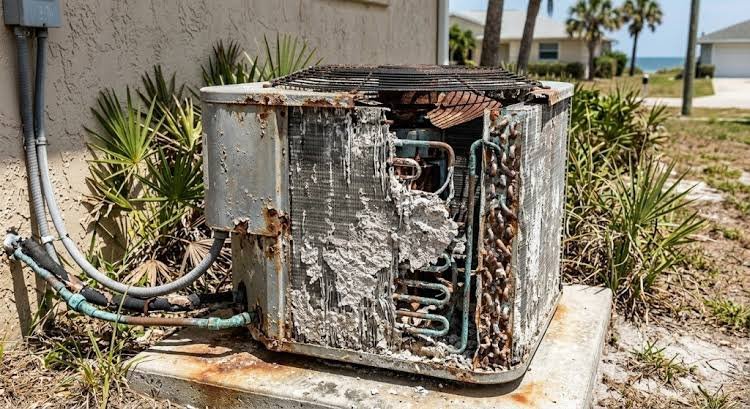
Salt air corrodes condenser coils and fasteners, especially on lots exposed to ocean breezes or irrigation overspray. Choosing coastal ready equipment with epoxy coated aluminum fins and stainless hardware slows the process, but placement matters just as much. Keep the unit clear of roof runoff and away from sprinklers that mist the cabinet daily. Set it on a raised composite pad above grade for drainage, and maintain manufacturer clearances on all sides so the condenser fan can move air freely. Caging units for storm security can backfire if the enclosure restricts airflow or traps debris. Rinsing the coil with fresh water a few times each season helps remove salt film, but skip harsh cleaners that can attack protective coatings. The tradeoff with coated coils is cost versus longevity: the upfront premium can be worthwhile on exposed sites because delayed corrosion means fewer refrigerant leaks and better long term performance.
- Duct Leakage, Filter Choices, and Static Pressure in Attic Systems
Unsealed ducts in a hot attic pull humid air into the return stream and push conditioned air into the attic, raising both latent load and utility bills. Joints sealed with mastic, taped and insulated to at least R8, reduce that infiltration and protect comfort at the farthest registers. Filtration also ties directly to performance. Swapping a 1 inch MERV 13 filter into a standard grille often spikes static pressure, starving airflow and icing coils. If you want higher MERV ratings for dust or allergy control, a deeper media cabinet with a larger surface area keeps static in check. Technicians measure total external static in inches of water column to confirm the blower and duct system can deliver the required cubic feet per minute. Zoning dampers and small return grilles add resistance too, so variable speed blowers and return upgrades are common fixes when rooms at the end of the run struggle.
- Condensate Drains, Algae Growth, and Storm Ready Power
High humidity means your system can pull gallons of water from the air every day. That condensate must drain through a P trap and line that easily clogs with algae and dust. A float switch that shuts the system off when the pan backs up can prevent ceiling stains, but prevention is better. A simple maintenance routine uses pan tablets during peak season and a periodic vinegar flush to keep biofilm from forming. Ensure the drain is pitched properly, the secondary drain is open, and any safety switches are tested during seasonal service. For storms and brownouts, a whole house surge protector protects control boards in the air handler and condenser. After an outage, give the compressor a few minutes before restarting so pressures equalize, and if you run a portable generator, be mindful that heat strips draw heavy loads. Prioritize the air handler and condenser circuits to avoid nuisance trips.
Bringing It Together for Durable, Comfortable Cooling
Coastal conditions reward systems that run steadily at lower capacity, remove moisture efficiently, and avoid unnecessary strain. Start with a Manual J to ensure proper sizing for both sensible and latent loads, then support that selection with sealed ducts, a filter setup that respects static pressure, and equipment choices that modulate. Place the outdoor unit to reduce salt exposure, rinse the coil periodically, and keep the condensate path clear with tablets and simple flushes. A seasonal check of refrigerant charge, blower performance, and safety controls helps catch issues before heat and humidity make them urgent. Document filter size, media cabinet model, and drain locations so routine care is quick. Thoughtful decisions in these areas add up to drier rooms, fewer surprises, and longer service life in the humid climate and salty coastal air of Vero Beach.
Author

linguaezone.com@gmail.com
Related Posts

Why Chicago Businesses Are Pairing Mobile Apps With Generative AI
- 0
- 448 words
Chicago’s economy is one of the most diverse in the country, spanning finance, manufacturing, logistics, healthcare, and a growing startup scene. Across...
Read out all
How to Build a Mobile App: A Step-by-Step Guide for Beginners
- 0
- 1,700 word
You have an app idea. Maybe it solves a problem you face every day, or maybe you have spotted a gap in...
Read out all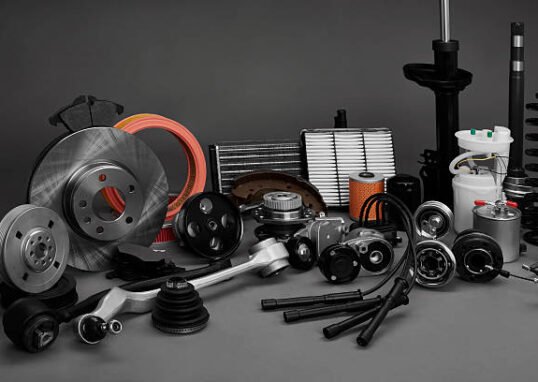
How Compact Mechanical Systems Work In Automotive Accessories
- 0
- 739 words
Modern vehicles contain small assemblies that perform useful tasks within limited space. Hinges, brackets, and actuators help accessories move or stay aligned....
Read out all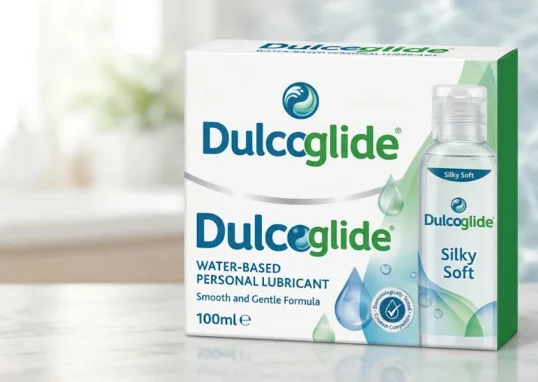
Dulcoglide: Everything You Need to Know About Its Uses, Features, Benefits, and Safety
- 0
- 2,005 words
Healthcare products often have specific purposes that are not immediately obvious from their names or packaging. Dulcoglide is one such product that...
Read out all
Is Web Scraping Primary or Secondary Data? A Guide to Using Web Data in Market Research
- 0
- 1,628 word
Is web scraping primary or secondary data? In most market research it is secondary. Web scraping is a collection method, not a...
Read out all
Choosing Non Profit Software For Mission-Driven Teams
- 0
- 557 words
Nonprofit organizations often operate with limited budgets, small teams, and ambitious goals that demand careful coordination. From volunteer schedules to fundraising campaigns,...
Read out all