
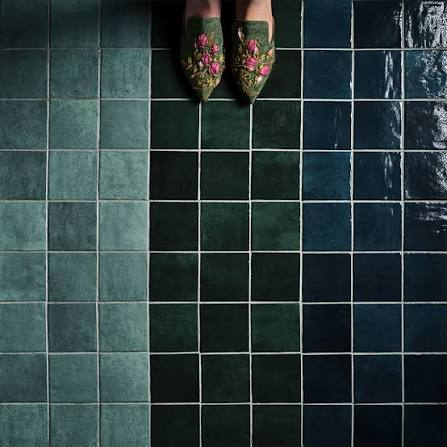
- 0
- 1,108 word
Few home upgrades deliver the same instant visual payoff as new tile. A well-installed floor, backsplash, or shower surround can transform a tired room into something that feels custom-built and polished. Yet tile work is deceptively technical — uneven cuts, poor spacing, or shoddy waterproofing can turn a beautiful design into a costly headache within a year or two.
That’s why choosing the right team for the job matters as much as choosing the right tile. Whether you’re renovating a kitchen, updating a bathroom, or laying a new floor throughout your home, the quality of installation determines how long your investment lasts and how good it looks every single day.
This post breaks down what separates excellent tile work from mediocre results, and how working with skilled professionals helps you avoid common pitfalls while getting a finish you’ll love for years to come.
What Makes Tile Installation So Technical?
Tile looks simple once it’s on the wall or floor, but getting there involves far more precision than most homeowners expect. Surfaces need to be perfectly level before a single tile is set. Spacing has to stay consistent across every row. Cuts around outlets, corners, and fixtures need to be clean and exact.
Then there’s the part most people never think about until something goes wrong: waterproofing. Bathrooms, showers, and kitchen backsplashes are exposed to moisture constantly. If the substrate isn’t properly sealed and the grout isn’t applied correctly, water can seep behind the tile and cause mold, warping, or structural damage long before the tile itself ever cracks.
Skilled installers account for all of this from the start. They know how to prep a subfloor, choose the right adhesive for the material, and lay out a pattern that looks intentional rather than rushed.
How Do You Choose the Right Tile for Your Space?
Picking tile isn’t just about color and style — it’s about matching the material to how the space will actually be used.
Consider foot traffic. High-traffic areas like entryways and kitchens need durable, scratch-resistant tile. Porcelain tends to outperform ceramic in these spaces because of its density and resistance to wear.
Think about moisture exposure. Bathrooms and laundry rooms call for tile with low water absorption and slip-resistant finishes, especially on floors.
Factor in maintenance. Natural stone tiles like marble or travertine offer timeless beauty but often require sealing and more careful upkeep compared to porcelain or glass.
Match your design goals. Large-format tiles create a seamless, modern look with fewer grout lines, while mosaic patterns add texture and visual interest to smaller accent areas like backsplashes.
Choose porcelain if durability and low maintenance matter most. Choose natural stone if you’re prioritizing a one-of-a-kind aesthetic and are willing to invest in upkeep. The right choice depends on your lifestyle, budget, and how much time you want to spend maintaining the finished space.
What Should You Expect from a Professional Tile Installation?
A proper installation follows a clear process, and understanding it helps you know what to look for when hiring a contractor.
- Site assessment and measurements. A professional will evaluate the subfloor or wall surface, check for levelness, and take precise measurements to calculate tile quantity and layout.
- Surface preparation. This includes repairing cracks, leveling uneven areas, and installing a proper underlayment or waterproof membrane where needed.
- Layout planning. Before any tile is set, the installer maps out the pattern to minimize awkward cuts and ensure symmetry, especially around focal points like a shower niche or kitchen island.
- Setting and spacing. Tiles are laid using spacers to maintain consistent grout lines, with careful attention to leveling each piece as they go.
- Grouting and sealing. Once the adhesive cures, grout is applied and, if necessary, sealed to protect against moisture and staining.
Each step matters. Skipping surface prep or rushing the layout phase is often where amateur installations go wrong, leading to uneven tiles, cracked grout, or water damage down the line.
Why Does Craftsmanship Matter More Than Price Alone?
It’s tempting to choose the lowest bid when comparing installation quotes, but tile work is one area where cutting corners tends to cost more in the long run. Poorly installed tile often needs to be redone within a few years, meaning you pay twice — once for the original job and again for the repair or replacement.
Experienced installers bring more than just technical skill. They bring an eye for detail that shows in the small things: grout lines that stay perfectly straight, transitions between rooms that look seamless, and cuts around fixtures that look like they were never cut at all. That level of craftsmanship is what separates a tile job that looks good in photos from one that still looks flawless five years later.
From flooring to backsplashes, Roma Tile of New York helps homeowners bring their design vision to life with precise, lasting craftsmanship. Working with a team that understands both the technical and aesthetic sides of tile installation means fewer surprises, a smoother process, and a finished space that genuinely reflects the quality you paid for.
Bringing Your Tile Project to Life
Great tile work comes down to three things: the right material for your space, careful preparation, and skilled hands guiding every step of the installation. When those pieces come together, the result is a floor, backsplash, or shower surround that looks intentional, feels durable, and holds up to everyday life.
If you’re planning a renovation, start by thinking through how the space will be used day to day, then choose a tile that fits both your style and your lifestyle. From there, the most important decision you’ll make is who installs it. A skilled team turns a good design into a lasting one.
Frequently Asked Questions
How long does a typical tile installation take?
Timelines vary based on the size of the project and the complexity of the layout, but most bathroom or kitchen installations take anywhere from a few days to about a week, including prep and curing time.
Is porcelain or ceramic tile better for floors?
Porcelain is generally more durable and water-resistant than ceramic, making it a stronger choice for floors, especially in high-traffic or moisture-prone areas.
Can tile be installed over an existing floor?
In many cases, yes, as long as the existing surface is flat, stable, and in good condition. A professional assessment will determine whether removal is necessary first.
How do I maintain grout so it doesn’t stain or crack?
Sealing grout after installation and periodically thereafter helps prevent staining and moisture penetration, which in turn reduces the risk of cracking over time.
Author

primestarfirm@gmail.com
Related Posts
How Do You Compare Custom Home Design Options?
- 0
- 991 words
Custom home designs are generally more difficult to compare than finished homes on the market because no one has ever built the...
Read out all
Creating a More Comfortable Home Through Reliable Heating and Cooling Solutions
- 0
- 2,331 words
The Importance of Indoor Temperature Control Maintaining a comfortable indoor environment is an important part of creating a functional and enjoyable home....
Read out all
Home Rewiring: Essential Electrical Upgrades for a Safer and More Efficient Living Space
- 0
- 2,905 words
A reliable electrical system is one of the most important parts of a comfortable and functional home. From lighting and heating to...
Read out all
The Benefits of Professional Cleaning for Homes, Offices, and Commercial Spaces
- 0
- 2,429 words
Professional Cleaning for Homes Maintaining a clean and organized environment is essential for creating comfortable spaces where people can work, relax, and...
Read out all
Kitchen Renovation Ideas for Creating a Beautiful, Functional, and Modern Home
- 0
- 2,626 words
The kitchen is one of the most important areas of any home because it brings together cooking, dining, organization, and everyday family...
Read out all
Proven Techniques for Preserving Outdoor Decks and Creating a More Inviting Living Space
- 0
- 2,948 words
An outdoor deck is a valuable addition to any property because it provides a comfortable space for relaxing, entertaining guests, enjoying meals,...
Read out all