
- 0
- 1,094 word
Few things feel as urgent as an air conditioner that quits on a humid afternoon. Before panic sets in, a methodical check can help you separate problems you can address from those that call for a licensed technician. The steps below follow how a split system air conditioner works: a thermostat tells the air handler and outdoor condenser what to do, airflow carries heat off the evaporator coil, and the condenser coil rejects that heat outside. Disruptions in power, airflow, refrigerant metering, or condensate removal can each halt cooling. Work safely, respect panels that conceal live voltage, and stop if you are uncertain. Refrigerant handling, sealed electrical repairs, and pressurized cleaning belong to professionals.
- Thermostats, Breakers, and Safety Switches: Quick Checks That Can Save a Service Call
Confirm the thermostat is in Cool, the setpoint is below room temperature, and the fan is on Auto. Replace thermostat batteries if the display is dim. After any change, allow five minutes for built-in compressor delay timers. Next, check the indoor air handler breaker and the outdoor condenser breaker. A breaker that has partially tripped often needs a firm switch to Off, then back to On; if it trips again, stop and call a professional. At the outdoor unit, visually check the service disconnect without opening or handling electrical components. If nothing runs indoors, look for a float switch near the evaporator coil or in the condensate pan; a clogged drain can lift the float and cut power as a water safety measure. Some homeowners stop here and bring in a licensed technician; one place to start online is www.plumbtechllc.com.
- Restore Airflow: Filters, Vents, and Frozen Evaporator Coils
A blocked return filter reduces airflow, which lets the evaporator coil drop below freezing and build ice. Signs include weak supply vents, a frosty suction line at the air handler, and a compressor that seems to run without cooling the house. If you see frost, switch the system off and run the fan on for thawing, or power the system down to let ice melt. Place towels at the air handler to catch condensate as it thaws, and do not restart cooling until the coil is clear. Replace a dirty filter and verify supply registers and return grilles are open. A tradeoff worth noting: higher MERV filters capture fine dust but can create greater resistance to airflow, so they may need more frequent changes to avoid coil icing. If the blower motor runs but airflow is still poor, a collapsed return duct or closed damper could be starving the coil.
- Outdoor Unit Health: Condenser Coil, Fan, and Electrical Parts
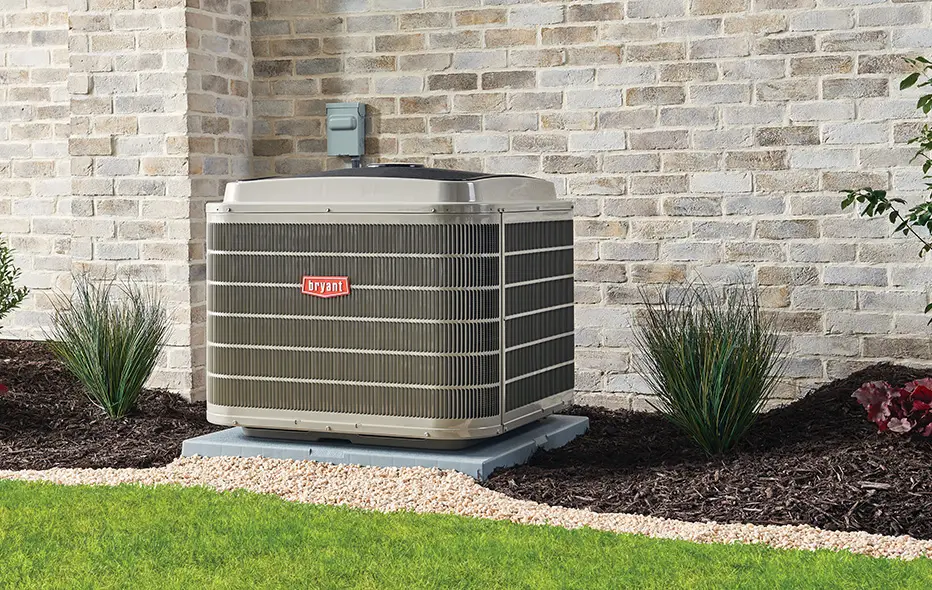
The outdoor condenser coil must shed heat to the air. Grass clippings, cottonwood fluff, and dryer lint clog the fins, raising head pressure and reducing cooling. With power safely disconnected, you can gently rinse accessible coil surfaces with a garden hose, following the manufacturer’s instructions. Avoid pressure washers and harsh angles that bend fins. Keep shrubs trimmed at least two feet from the cabinet for unobstructed intake. While outside, observe the condenser fan at startup from a safe distance. A humming sound without fan movement can point to a weak run capacitor, which helps motors start and operate properly. A fan that will not start without assistance is another possible capacitor clue, but never attempt to push or nudge the blades. Clicking without compressor engagement can indicate a pitted contactor or a problem involving low voltage. After a thunderstorm, small insects in the contactor or surge damage to components sometimes appears. Because these parts operate with high voltage, diagnosis and replacement should be left to a technician.
- Refrigerant Realities: Low Charge, Metering Devices, and What Techs Measure
Refrigerant is the system’s heat carrier. If charge is low from a leak, the evaporator coil may freeze, the suction line may be cool but not cold, and cooling capacity falls off. You might also see oily residue near brazed joints, the service valves, or the evaporator. Systems meter refrigerant through a fixed orifice or a thermostatic expansion valve (TXV). A sticking TXV or blocked filter drier can mimic low charge with poor evaporator feeding. Technicians evaluate these conditions by measuring superheat and subcooling alongside pressures and temperatures. That data reveals whether the coil is starved or flooded and whether airflow is correct. A meaningful tradeoff arises here: topping off refrigerant can restore cooling temporarily, but without locating and repairing the leak, you risk repeated service calls and potential compressor damage. Because handling refrigerant and opening the sealed circuit require certification and appropriate tools, this step is not suitable for homeowners to perform themselves.
- Water Where It Shouldn’t Be: Condensate Drains, Pans, and Float Switches
On sticky days, the evaporator coil can wring pints of water per hour from indoor air. That condensate should drain through a trap into a line that slopes toward a safe discharge point or pump. If algae or rust blocks the trap, water backs up, a float switch opens, and the air conditioner shuts off to prevent overflow. Look for a PVC tee near the air handler; some systems provide an accessible opening for inspection. With power off, you can clear a clogged line by applying a vacuum designed for wet and dry use to the exterior drain termination for several minutes, where the system design permits. Ensure the drain has a properly configured trap where required to prevent unwanted airflow through the line and that it slopes consistently so water will not pool and grow biofilm. In homes with the air handler above a ceiling, a secondary drain pan should be clean and dry; pooling there can signal that the primary drain is blocked. After clearing, restart the system and watch the trap for steady flow.
Putting It Together for Watertown Summers
Most cooling failures trace back to one of four roots: no command or power, insufficient airflow, heat rejection trouble, or refrigerant and metering issues. Start with safe control checks, then remove airflow bottlenecks and thaw a frozen evaporator before restarting. Keep the condenser coil clean and its fan operating properly, and let qualified technicians tackle capacitors, contactors, and work involving the sealed refrigerant system that requires gauges and charging scales. Preventive habits help when the weather turns muggy: change filters on schedule, keep shrubs away from the condenser, and clean the condensate drain at the start of the season where the system allows safe access. If these steps do not restore steady cooling, a licensed professional can measure superheat, subcooling, and static pressure to pinpoint the cause with minimal guesswork.
Author

linguaezone.com@gmail.com
Related Posts
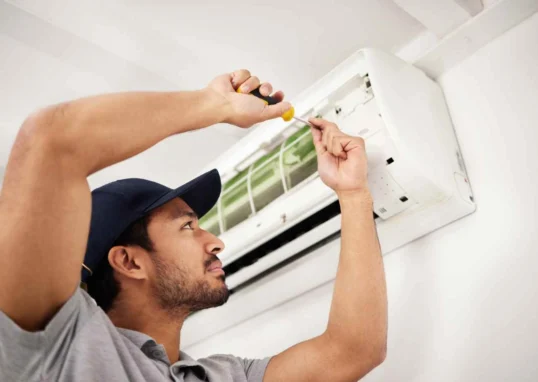
How Do Heating and Cooling Repairs Help When a System Loses Performance After Repeated Power Surges?
- 0
- 1,118 word
Repeated power surges can gradually affect heating and cooling equipment even when the system does not stop working immediately. A surge may...
Read out all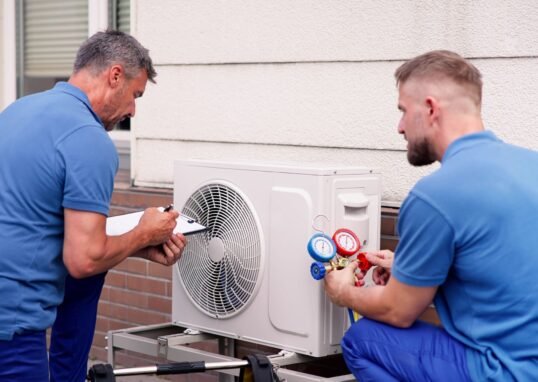
Why Is an HVAC Contractor Important When Supply Registers Create Drafts Instead of Even Room Mixing?
- 0
- 1,231 word
Supply registers should distribute conditioned air throughout a room instead of creating an uncomfortable stream aimed at one chair, bed, desk, or...
Read out all
Replacing Exterior Doors in Wayne, Michigan: Material and Installation Choices That Last
- 0
- 1,323 word
Wayne’s winters test every exterior door. Repeated freezing and thawing cycles, snow driven by wind, and road salt can expose weak weatherstripping,...
Read out all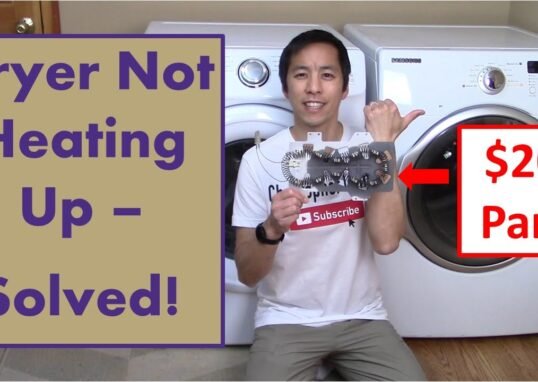
Why Your Electric Dryer Runs but Doesn’t Heat: A Homeowner’s Diagnostic Walkthrough
- 0
- 1,219 word
An electric dryer that tumbles but never warms is one of the most frustrating appliance issues because everything looks normal until you...
Read out all
Airflow Comes First: What an HVAC Contractor Checks Before Blaming the Equipment
- 0
- 1,111 word
When a home stops feeling comfortable, the first instinct is to suspect a failing furnace or heat pump. In many cases, the...
Read out all
Drop Dead and Barbas Hats: Alternative Fashion & Streetwear
- 0
- 1,349 word
Streetwear is not defined by a single look. For some people, it means a graphic-heavy outfit with an alternative edge. For others,...
Read out all