
- 0
- 2,217 words
Understanding the Importance of Home Security
Creating a safe living environment is a priority for homeowners who want to protect their families, belongings, and personal privacy. Modern technology offers practical ways to improve residential protection through smart cameras, automated locks, motion sensors, alarm systems, and connected monitoring devices. Effective home security combines these technologies with strong physical barriers and responsible daily habits to create multiple layers of protection. By identifying potential vulnerabilities and choosing suitable equipment, homeowners can improve their awareness of household activity while maintaining a comfortable and convenient living environment.Residential protection has advanced considerably beyond traditional locks and basic alarms. Connected devices can send notifications to mobile phones, allow homeowners to monitor selected areas remotely, and help coordinate different protective functions. Smart lighting, entry sensors, and automated access controls can work together to support a more organized safety strategy. Homeowners should consider their property layout, household routines, budget, and privacy requirements before investing in new equipment. A well-planned system focuses on practical needs, ensuring that each device serves a clear purpose and contributes to the overall protection of the property.
Identifying Potential Security Weaknesses
Before installing new equipment, homeowners should examine their property to identify areas that may require additional protection. Exterior doors, accessible windows, garage entrances, basement openings, and less visible access points deserve particular attention because weaknesses in these areas can affect the entire safety plan. Damaged locks, loose door frames, inadequate lighting, and poorly maintained windows can create unnecessary vulnerabilities. A careful assessment allows homeowners to prioritize improvements and determine whether existing equipment needs maintenance, replacement, or professional evaluation.The inspection should also include outdoor storage areas, side entrances, patio doors, and windows that are rarely used. Homeowners should ensure that doors close securely, window latches function correctly, and exterior gates remain in good condition. Tools and ladders should be stored safely rather than left where they might provide convenient access to elevated openings. Inside the property, valuable possessions and sensitive documents should be kept in suitable secure locations. Identifying these concerns creates a practical foundation for a stronger home security strategy, allowing homeowners to address physical vulnerabilities before investing in more advanced technology.
Strengthening Doors and Windows
Doors and windows are fundamental components of residential protection because they separate indoor living spaces from the outside environment. Even sophisticated electronic equipment cannot completely compensate for a weak door frame or a damaged locking mechanism. Homeowners should consider sturdy exterior doors, properly installed deadbolts, reinforced strike plates, and appropriate locking hardware. Sliding doors may benefit from manufacturer-approved additional locking mechanisms, while garage doors should be inspected and maintained according to the manufacturer’s recommendations. These measures strengthen physical barriers and support the effectiveness of other protective devices.Windows also require regular attention, particularly those located near secluded walkways, patios, and ground-level entrances. Locks should remain functional, broken glass should be repaired promptly, and windows should close completely. Depending on the property’s design, homeowners may consider reinforced glazing, security film, or compatible opening sensors. Curtains and blinds can help protect privacy by limiting visibility into interior spaces, especially when valuable equipment is positioned near windows. Maintaining these features helps reduce avoidable weaknesses and ensures that other components of the protective system have a reliable physical foundation.
Installing Smart Cameras and Monitoring Devices
Smart cameras allow homeowners to monitor selected areas and review recorded activity when necessary. Depending on the model, these devices may offer high-resolution video, night vision, motion detection, two-way audio, and smartphone notifications. Exterior cameras can provide views of entrances, garages, and driveways, while indoor cameras may be suitable for specific household needs. The objective should be to capture useful information about relevant areas without unnecessarily recording private spaces or neighboring properties. Homeowners should choose equipment according to their monitoring requirements, environmental conditions, and available network connectivity.Camera placement and configuration influence how effectively a system performs. Devices should be positioned to provide clear views of important access points, mounted securely, and protected from outdoor weather where necessary. Homeowners should also review recording settings, storage arrangements, account permissions, and password requirements before connecting cameras to a network. Some systems store footage locally, while others use cloud services that may require ongoing subscriptions. When appropriately installed and maintained, surveillance devices can improve awareness of unexpected activity and provide useful information when an incident requires further investigation.
Using Smart Home Automation for Protection
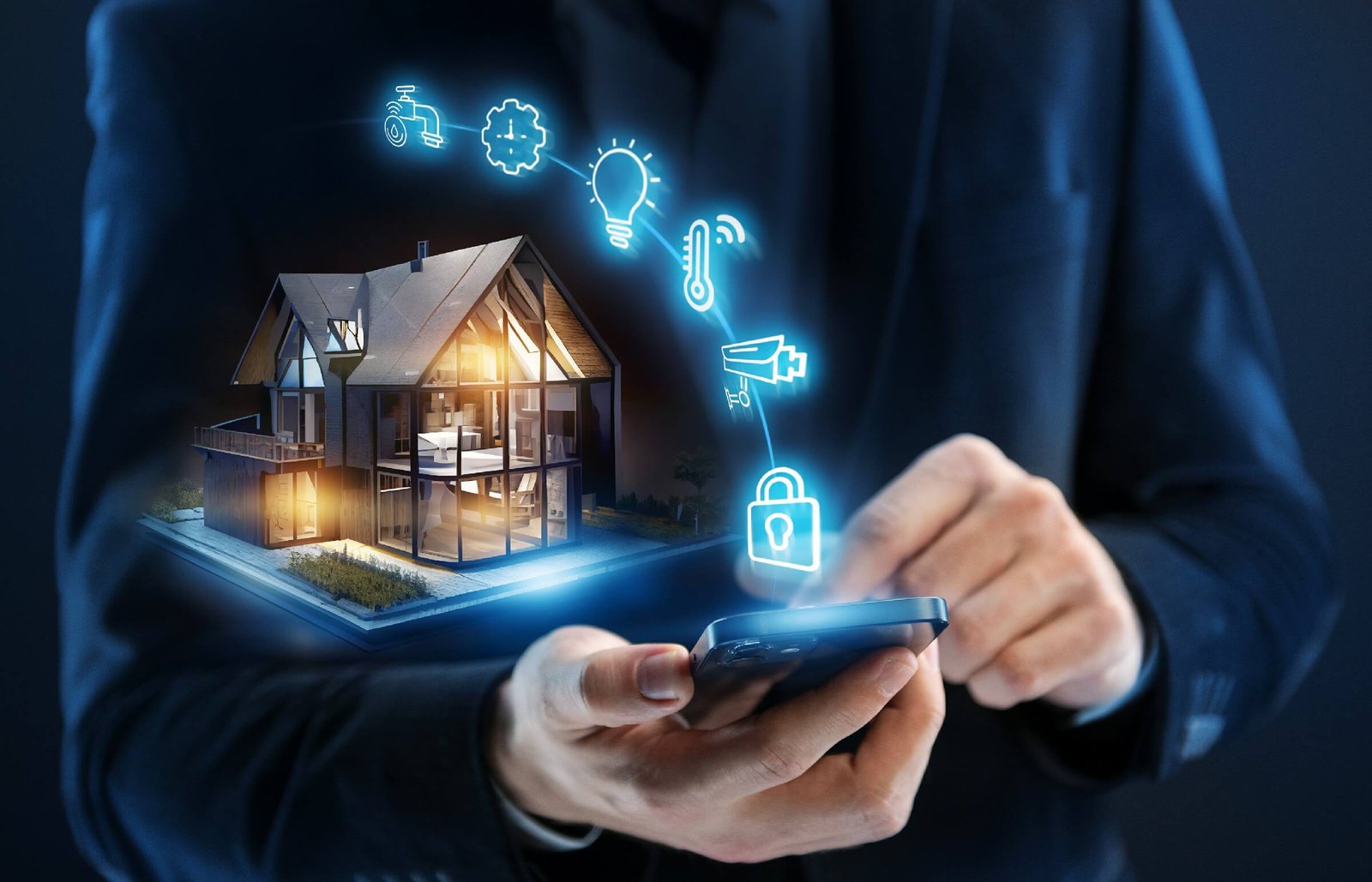
Smart home automation can coordinate compatible cameras, lighting, locks, and sensors through a central platform or mobile application. Instead of operating every device separately, homeowners can create routines that allow different components to work together. For example, exterior lights may turn on when motion is detected, while an entry sensor can send a notification when a monitored door opens. Smart locks may provide temporary access codes for authorized visitors, making it easier to manage entry without distributing additional physical keys. These features can improve convenience while helping residents maintain greater awareness of their property.Automation can also simplify routines when homeowners leave for work, travel, or go to sleep. Depending on the equipment, a single command may activate selected lights, adjust compatible devices, and arm an alarm system. A reliable home security arrangement should remain easy to operate and should include clear procedures for technical interruptions. Homeowners should verify device compatibility, use strong passwords, enable multifactor authentication where available, and install software updates regularly. Smart technology works best when it complements strong physical barriers and responsible household habits rather than replacing them.
Choosing a Reliable Alarm System
Alarm systems provide an additional layer of protection by detecting selected events and notifying homeowners or monitoring services. Depending on the configuration, a system may include door contacts, window sensors, motion detectors, and glass-break sensors. Some systems send notifications directly to a smartphone, while professionally monitored options connect with a monitoring center that follows established procedures when an alert occurs. The appropriate arrangement depends on household routines, budget, property layout, and the level of monitoring residents prefer.Correct installation and regular testing are essential for dependable alarm performance. Sensors should be positioned according to manufacturer instructions, batteries should be replaced when required, and the system should be tested at recommended intervals. Homeowners should understand how to arm and disarm the alarm, update authorized user information, and respond appropriately to alerts. Monitoring agreements should be reviewed carefully to understand service limitations, subscription costs, and response procedures. A dependable alarm system combines suitable equipment with proper installation and consistent maintenance.
Improving Outdoor Lighting and Visibility
Outdoor lighting can improve visibility around entrances, pathways, garages, and other areas that require attention after dark. Well-positioned fixtures help residents navigate the property and may improve the quality of video captured by surveillance cameras. Motion-activated lights can illuminate selected areas when movement is detected, while scheduled lighting can provide visibility during particular hours. Homeowners should select durable fixtures designed for outdoor conditions and position them carefully to avoid excessive glare or unnecessary disturbance to neighboring properties.Landscaping also plays an important role in maintaining clear sightlines around a property. Overgrown shrubs near windows and entrances can obstruct visibility, while poorly maintained walkways may create avoidable hazards. Regular trimming, secure gates, clear pathways, and appropriate exterior maintenance help make the property easier to observe and navigate. Tools, ladders, and other equipment should be stored in designated areas when not in use. These straightforward improvements complement electronic equipment and support a more comprehensive approach to residential safety.
Developing Consistent Household Safety Habits
Even advanced equipment cannot replace consistent household routines. Residents should lock exterior doors and windows when leaving, secure garage entrances, avoid leaving spare keys in obvious locations, and check accessible entry points before going to sleep. Deliveries should be managed responsibly, and packages should not remain unattended longer than necessary when alternative arrangements are available. Homeowners should also be cautious about sharing detailed travel plans publicly when those updates reveal that the property may be unoccupied for an extended period.Families can establish simple procedures for visitors, contractors, children, and other authorized household members. Everyone who uses an alarm system should understand its basic controls and know whom to contact when a problem occurs. Temporary access codes should be removed when no longer required, and keys should be shared only with trusted individuals. Periodic reviews can identify forgotten permissions, malfunctioning equipment, or routines that need improvement. These everyday habits strengthen the effectiveness of other protective measures and help households maintain a more consistent approach to safety.
Protecting Privacy and Connected Devices
Connected cameras, smart locks, and monitoring applications can collect information that homeowners should manage carefully. Residents should understand what information each device collects, how recordings are stored, and which people or services can access them. Camera placement should respect the privacy of household members, visitors, and neighboring properties. Reviewing privacy settings, limiting unnecessary recording, and restricting account access to authorized users can help maintain better control over personal information.Network protection is equally important because connected devices rely on digital communication. Homeowners should use strong, unique passwords, change default router credentials, enable multifactor authentication when available, and install updates from trusted manufacturers. A separate network for compatible smart devices may provide an additional layer of organization and protection. Residents should also remove outdated user permissions and reset devices properly before selling or discarding them. These precautions help reduce digital vulnerabilities while supporting the reliable operation of connected household equipment.
Considering Professional Installation and Support
Professional installation can be valuable when a property requires several connected devices, specialized wiring, integrated access controls, or a customized monitoring arrangement. Qualified installers can assess the property’s layout, recommend suitable equipment locations, check compatibility, and explain how the finished system should operate. Professional guidance may also help homeowners avoid purchasing overlapping devices or installing equipment that cannot perform the functions they require. Before selecting a provider, residents should review installation costs, equipment warranties, monitoring agreements, and available technical support.Homeowners interested in connected protection can explore the services offered by a home Security provider and evaluate whether the available solutions match their requirements. It is important to confirm that the provider offers the specific equipment, installation, or monitoring services needed for the property. Homeowners should request clear information about device capabilities, ongoing fees, privacy considerations, and maintenance responsibilities before making a decision. Choosing suitable professional assistance can make system setup more manageable and help residents understand how to operate their equipment confidently.
Preparing for Emergencies and Equipment Failures
A reliable safety plan should account for situations in which electricity, internet access, or individual devices become unavailable. Homeowners should determine whether their equipment includes battery backup, cellular communication, local recording, or manual operating options. Essential doors must remain usable during outages, and residents should understand how to access their property safely if an electronic lock stops responding. Keeping emergency contact information available and reviewing manufacturer instructions can reduce confusion when connected technology does not work as expected.Residential safety also involves preparing for hazards unrelated to unauthorized entry. Smoke, fire, carbon monoxide, plumbing leaks, and electrical problems can threaten occupants and damage property even when doors and windows are secure. Suitable smoke and carbon monoxide alarms, water-leak sensors, and properly maintained household systems can help residents recognize certain problems earlier. Families should establish evacuation procedures, maintain appropriate emergency supplies, and arrange professional inspections when damage or malfunction is suspected. A complete safety plan considers both personal protection and the prevention of avoidable property damage.
Managing Costs and Maintaining Equipment
The cost of residential protective equipment depends on the number of devices, installation requirements, monitoring arrangements, subscription fees, and desired capabilities. Homeowners do not need to purchase every available feature immediately. A practical approach is to begin with essential improvements, such as reliable locks, suitable lighting, and an appropriate alarm system, before adding cameras or automation features that provide clear additional value. Comparing total ownership costs helps residents account for cloud storage, replacement batteries, monitoring services, and future upgrades.Regular maintenance is essential for keeping equipment dependable. Sensors should be tested, cameras should be cleaned when necessary, batteries should be replaced according to manufacturer recommendations, and connected software should remain updated. Homeowners should periodically review user permissions and confirm that emergency contacts remain accurate. Devices that repeatedly generate false alerts or fail to communicate should be inspected rather than ignored. Keeping records of warranties, installation dates, maintenance activities, and system changes can help residents address problems promptly and maintain consistent protection.
Conclusion
Protecting a property requires a balanced combination of physical barriers, reliable monitoring equipment, connected technology, responsible digital practices, and consistent household habits. Secure doors and windows, properly positioned cameras, dependable alarms, outdoor lighting, and carefully configured automation can work together to address different vulnerabilities. Homeowners should assess their requirements, compare available solutions, and prioritize improvements that provide meaningful benefits instead of assuming that the most expensive equipment will always deliver the best results.
Effective home security is an ongoing responsibility rather than a one-time purchase. Regular inspections, equipment testing, secure passwords, controlled access permissions, emergency planning, and professional support help maintain a reliable protective environment as household needs change. By combining suitable technology with practical daily routines, homeowners can improve awareness, protect their belongings, and create a more comfortable living space. A well-maintained system provides a valuable foundation for supporting privacy, family safety, and peace of mind over the long term.
Author

thedailygurdian@gmail.com
Related Posts
Indoor Air Quality Testing: Creating Healthier and More Comfortable Indoor Environments
- 0
- 2,600 words
Understanding the Importance of Indoor Air Quality The quality of the air inside a building can have a significant impact on comfort,...
Read out all
Restore Home Comfort with Reliable Furnace Repair Solutions
- 0
- 2,331 words
Introduction A properly functioning furnace is essential for maintaining a warm, comfortable indoor environment when temperatures drop. Whether a heating system serves...
Read out all
Hotel Parking Lots: Essential Features, Smart Design, Safety, and Guest Convenience
- 0
- 3,078 words
A comfortable hotel experience begins long before guests enter the reception area or check into their rooms. For many travelers, the first...
Read out all
HVAC Repair: A Complete Guide to Maintaining Efficient Heating and Cooling Systems
- 0
- 3,085 words
A comfortable indoor environment depends heavily on a properly functioning heating, ventilation, and air conditioning system. Whether it is maintaining cool temperatures...
Read out all
Fence Installation: Improving Property Security, Privacy, and Outdoor Appeal
- 0
- 3,492 words
A well-designed fence is an important addition to any residential or commercial property because it provides security, privacy, and a clearly defined...
Read out all
Everything You Need to Know About Ground Preparation, Soil Management, and Construction Projects
- 0
- 2,592 words
Preparing land for construction requires careful planning, specialized equipment, and a clear understanding of soil conditions. Whether a property owner is planning...
Read out all