
- 0
- 3,103 words
A swimming pool provides a comfortable place to relax, exercise, entertain guests, and enjoy quality time with family and friends. However, maintaining a swimming pool in excellent condition requires consistent attention to water quality, cleanliness, filtration, circulation, and equipment performance. Without proper care, debris can accumulate, algae can develop, water chemistry can become unbalanced, and essential equipment may begin to operate inefficiently. Regular pool maintenance helps prevent these problems while protecting the pool’s appearance, safety, and long-term functionality. Whether a swimming pool belongs to a private residence, community association, recreational facility, or commercial property, an organized care routine makes it easier to keep the water clean, the surrounding area attractive, and the entire swimming environment ready for regular use. By understanding the most important maintenance tasks and recognizing when professional assistance is necessary, property owners and facility managers can protect their investment while providing a more enjoyable swimming experience.
Understanding the Importance of Regular Pool Care
Consistent swimming pool care is essential because water quality and equipment performance can change even when a pool appears clean. Leaves, dust, insects, body oils, sunscreen, and other contaminants enter the water through everyday use and environmental exposure. If these materials remain in the pool for extended periods, they can contribute to cloudy water, unpleasant odors, clogged filters, and increased sanitizer demand. Regular cleaning removes visible debris before it accumulates, while water testing identifies chemical imbalances that cannot always be detected through appearance alone. A structured maintenance routine also allows property owners to recognize unusual changes in water clarity, circulation, or water level before minor concerns develop into more expensive problems. Taking care of these details consistently is generally more manageable than attempting to restore a neglected pool after several maintenance tasks have been overlooked.Another important advantage of regular care is the protection of the pool’s structural components and mechanical systems. Pumps, filters, heaters, skimmers, drains, valves, and plumbing connections all contribute to efficient operation, and a problem with one component can affect the performance of the entire system. For example, a clogged filter may restrict circulation, while a damaged seal can allow water to leak or air to enter the plumbing system. Poor circulation can also prevent chemicals from distributing evenly, increasing the likelihood of inconsistent water conditions. Routine inspections help identify these warning signs early, giving owners an opportunity to arrange repairs before the problem affects normal pool use. A dependable care schedule therefore supports cleanliness, operational reliability, and better control over the long-term costs associated with owning and operating a swimming pool.
Maintaining Proper Water Chemistry for a Healthy Swimming Environment
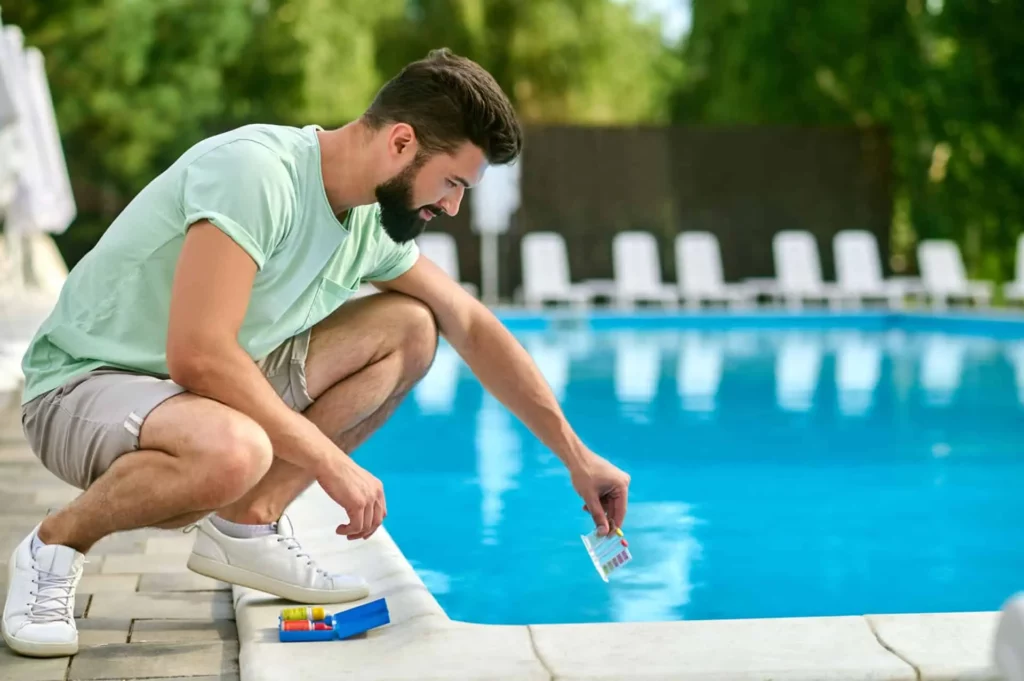
Water chemistry is one of the most important parts of keeping a swimming pool safe, comfortable, and visually appealing. Pool water must maintain suitable sanitizer levels and an appropriate chemical balance to control contaminants, protect surfaces, and reduce irritation for swimmers. The pH level affects how effectively certain sanitizers work and can influence the condition of metal components, plaster, grout, and other materials. Total alkalinity helps stabilize pH, while calcium hardness affects whether water is more likely to form mineral deposits or draw minerals from susceptible surfaces. When these measurements fall outside suitable ranges, the pool may develop cloudy water, scaling, corrosion, or uncomfortable swimming conditions. Testing the water regularly allows owners and service professionals to determine which adjustments are necessary instead of adding chemicals without understanding the existing condition of the water.Chlorine is commonly used to sanitize swimming pools, but maintaining effective sanitation involves more than adding a standard quantity of chemicals every week. Sanitizer demand can change according to temperature, sunlight exposure, rainfall, swimmer activity, and the amount of organic material entering the water. Pools that experience heavy use may require more frequent testing than those used occasionally, while weather changes can affect chemical balance even when swimming activity remains limited. Testing should follow the pool’s treatment system, product instructions, and applicable health requirements, with adjustments made according to measured results. Property owners should also avoid combining pool chemicals directly or handling them without following the manufacturer’s safety instructions. Consistent testing, accurate chemical dosing, and appropriate storage practices help preserve water quality while reducing the risk of unnecessary chemical use or damage to the pool and its equipment.
Keeping Pool Water Clear Through Effective Cleaning
Clear water is a major sign of a well-cared-for swimming pool, but achieving that clarity requires several cleaning activities to work together. Skimming removes floating leaves, insects, and other debris before they sink, while brushing helps loosen dirt, algae, and deposits that collect on walls, steps, and floors. Vacuuming removes particles that settle at the bottom, preventing them from being stirred back into the water whenever swimmers enter the pool. These tasks are particularly important around corners, ladders, steps, and other areas where water movement may be limited. Cleaning frequency should reflect the pool’s surroundings and usage patterns, because a pool beneath trees or exposed to frequent wind may accumulate debris more quickly than one in a sheltered environment. Regular physical cleaning reduces the burden on the filtration system and makes it easier to maintain an attractive swimming area.Filtration is equally important because it removes suspended particles that cannot be collected through skimming or brushing alone. Depending on the equipment, a swimming pool may use a sand filter, cartridge filter, or diatomaceous earth filtration system, and each type has its own cleaning and servicing requirements. Pool owners should monitor pressure readings and water flow, following the manufacturer’s instructions to determine when a filter needs attention. Sand and some other filter systems may require backwashing, whereas cartridge filters are generally removed and cleaned when necessary. Ignoring a dirty filter can reduce circulation, increase strain on the pump, and contribute to persistent cloudy water. Professional inspection can help determine whether a filtration problem is caused by accumulated debris, damaged filter media, an incorrect setting, or another mechanical issue that requires a different solution.
Preventing Algae Growth and Persistent Water Problems
Algae is a common swimming pool problem that can develop when sanitation, circulation, or cleaning becomes inadequate. It may appear as green discoloration, yellowish deposits, dark patches, or slippery material on pool surfaces, particularly in corners and areas with limited water movement. Once algae becomes established, restoring the water can require considerable cleaning, chemical adjustment, and filtration. Simply adding additional sanitizer without brushing affected surfaces or checking circulation may not resolve the underlying issue. A thorough response should begin with appropriate water testing and an assessment of the filtration system, followed by treatment suitable for the type and severity of the problem. Swimmers should avoid using a pool when visibility or water quality is inadequate, and the pool should only return to use when its condition meets the applicable safety requirements.Preventive measures are usually more effective and convenient than dealing with a severe algae outbreak. Maintaining appropriate sanitizer levels, brushing surfaces regularly, removing debris, and ensuring adequate circulation can reduce the conditions that encourage algae growth. Water chemistry should also be checked after heavy rainfall, extended heat, parties, or other events that significantly change the pool’s normal operating conditions. If algae repeatedly returns, the cause may involve inadequate filtration, unsuitable chemical levels, poor circulation, or an inconsistent cleaning schedule. A professional service provider can investigate these contributing factors and recommend a more reliable care plan. Consistent pool maintenance helps property owners address developing water-quality concerns, establish suitable cleaning routines, and reduce the likelihood of recurring problems that interfere with swimming activities.
Inspecting Pumps, Filters, and Essential Pool Equipment
The pool circulation system performs several connected functions, including moving water through filtration equipment, distributing treatment chemicals, and helping maintain consistent water quality throughout the swimming area. The pump is central to this process, so unusual noises, visible leaks, reduced water flow, or unexpected pressure changes should never be ignored. These symptoms may indicate a clogged basket, a blocked line, a worn component, an air leak, or another issue that affects performance. Routine observation helps identify changes before they lead to more serious equipment failure. Pump baskets and skimmer baskets should be checked and cleaned as appropriate, while valves, fittings, and visible plumbing connections should be inspected for signs of deterioration. Keeping these components in suitable condition supports efficient circulation and reduces unnecessary strain on the entire system.Heaters, automated chemical controllers, timers, lighting systems, and other specialized equipment also require attention according to their design and operating instructions. A heater that does not maintain the expected temperature may have a flow problem, a faulty sensor, or another issue that requires professional diagnosis. Automated systems can make pool care more convenient, but their readings and operation still need periodic verification to ensure that the equipment is functioning correctly. Electrical components should be handled by qualified professionals, especially when repairs involve wiring, motors, control panels, or equipment operating near water. Attempting complicated repairs without appropriate training can create safety hazards and increase the cost of correcting the original problem. Scheduled inspections, timely servicing, and accurate records help property owners maintain reliable equipment while making informed decisions about repair or replacement.
Protecting Pool Surfaces, Tiles, and Surrounding Decks
Pool surfaces contribute significantly to the appearance, cleanliness, and usability of a swimming facility. Plaster, fiberglass, tile, and vinyl liners have different cleaning requirements, so the tools and products used should match the material. A brush that is appropriate for one surface may be too abrasive for another, potentially causing scratches or premature wear. Regular brushing helps remove dirt and prevent certain deposits from becoming firmly attached, while inspections can identify cracked tiles, damaged grout, rough patches, stains, or signs of liner deterioration. Mineral deposits and discoloration may also indicate an underlying water chemistry problem that should be corrected before cleaning alone is attempted. Addressing these concerns early can help preserve the pool’s finish and reduce the likelihood of more extensive restoration work.The surrounding deck and drainage system deserve similar attention because they influence both safety and water cleanliness. Leaves, mud, grass clippings, and dust can be tracked into the pool, increasing the amount of debris that must be removed. Keeping the deck clean helps maintain a more inviting swimming environment, while inspecting walking surfaces can reveal cracks, loose materials, standing water, or slippery growth that could create hazards. Drainage routes should remain clear so water can move away from the swimming area as intended, and damaged surfaces should be evaluated before they become more serious problems. Pool furniture, ladders, handrails, and other frequently used fixtures should also be checked for stability and deterioration. Caring for the pool and its surrounding environment as one connected space helps protect the property while making the swimming experience more comfortable and convenient.
Adjusting Pool Care to Weather and Swimming Activity
Swimming pool requirements change with weather conditions, environmental exposure, and the number of people using the facility. Warm temperatures can increase sanitizer demand and encourage algae growth, while strong sunlight may reduce the effectiveness of certain chlorine treatments. Rainfall can dilute water and introduce contaminants, whereas wind can carry dust, leaves, and insects into the pool. Heavy swimming activity introduces additional organic material and can change the rate at which sanitizers are consumed. For these reasons, a fixed schedule may not always provide enough attention during periods of unusually high demand. Monitoring the pool’s condition and adjusting testing or cleaning frequency according to actual conditions allows owners to respond before water quality deteriorates.Shared and community swimming facilities may require more structured procedures because numerous swimmers can use the water within a short period. Facility managers should follow applicable health regulations and sanitation requirements, keep accurate records, and arrange inspections according to the needs of the pool and its equipment. Residential pools also benefit from additional checks after gatherings, storms, or extended periods without use. Water clarity, sanitizer levels, circulation, and safety equipment should be evaluated before reopening a pool that has been inactive. These practical steps reduce the chance of discovering problems only after swimmers have arrived. By matching care activities to the pool’s actual operating conditions, property owners can maintain a more consistent swimming environment throughout periods of changing demand.
Improving Energy Efficiency and Reducing Pool Operating Expenses
Operating a swimming pool involves recurring expenses, including electricity, water, chemicals, cleaning supplies, and equipment repairs. Although these costs cannot be eliminated completely, efficient operation can help prevent unnecessary waste. A clean filter, properly functioning pump, balanced water chemistry, and well-maintained plumbing system all contribute to reliable performance. Owners should review pump settings and operating schedules according to the pool’s size, circulation requirements, treatment system, and manufacturer recommendations. Variable-speed pumps, when suitable for the installation, may provide opportunities to improve energy efficiency by operating at lower speeds for appropriate periods. However, reducing circulation without considering sanitation needs can create water-quality problems, so efficiency improvements should always preserve adequate treatment and comply with applicable requirements.Unexplained water loss should also be investigated because it can increase water expenses and potentially indicate a leak. Evaporation and splashing are normal, but an ongoing decline that exceeds expected conditions may suggest a problem with the pool shell, plumbing, fittings, or equipment. Monitoring water levels and comparing changes with weather conditions can help identify unusual patterns. If the loss continues, a qualified technician can investigate the source and recommend appropriate repairs. Maintaining records of chemical use, equipment performance, energy consumption, and previous service visits can also reveal recurring expenses and help guide future decisions. Preventive care is not a guarantee against every repair, but it can reduce avoidable strain on equipment and help owners manage operating costs more effectively over time.
Developing a Reliable Pool Maintenance Schedule
An organized maintenance schedule makes swimming pool care more manageable by dividing responsibilities into regular activities and periodic inspections. Frequent checks should include observing water clarity, removing floating debris, checking circulation, and confirming that visible equipment is operating normally. Weekly activities commonly include testing water chemistry, brushing surfaces, vacuuming when needed, emptying baskets, and inspecting the surrounding deck. Filter cleaning and more detailed equipment servicing should be performed according to the system’s condition and manufacturer’s recommendations rather than relying on an identical interval for every pool. Pools that receive heavy use or collect substantial debris may require more frequent cleaning and testing than those operating under lighter conditions.Written records improve this process by documenting water test results, chemical additions, cleaning activities, filter pressure readings, equipment inspections, and repairs. These details make it easier to identify patterns and understand why particular problems return. For example, repeated cloudiness may indicate an ongoing filtration issue, while recurring changes in pH may suggest that the water chemistry requires closer attention. Records are especially useful for community facilities where several employees or contractors share responsibilities. Clear procedures help ensure that essential tasks are completed consistently and that significant observations are communicated to the appropriate person. An effective schedule should remain flexible enough to respond to weather changes, heavy pool use, equipment problems, and other conditions that require additional attention.
Benefits of Professional Pool Management Services
Although many basic cleaning activities can be handled by property owners or on-site staff, professional pool management can provide valuable support when maintenance demands become more complicated. Experienced service providers can assess water quality, inspect circulation and filtration equipment, identify recurring problems, and recommend care procedures suited to the pool’s design and use. Professional assistance is particularly useful when dealing with persistent algae, unexplained water loss, equipment failures, damaged surfaces, or chemical imbalances that do not improve with routine adjustments. Instead of treating each issue separately, a qualified provider can examine the overall system and help identify the underlying factors contributing to poor performance.Triad Pool Management offers pool-related services that are relevant to the ongoing care and operation of swimming facilities. Professional support can help property owners and facility managers organize essential maintenance activities, address operational concerns, and keep swimming areas clean and functional. When evaluating a pool service provider, clients should consider experience, the range of services available, communication practices, safety procedures, and the ability to develop a schedule suited to their facility. Clear expectations regarding inspections, cleaning, water testing, and equipment servicing can make ongoing care easier to manage. Choosing an appropriate service arrangement also allows owners and managers to focus on facility operations while ensuring that important maintenance responsibilities receive consistent attention.
Maintaining Pool Safety and Responsible Chemical Handling
A clean swimming pool must also provide a safe environment for everyone who uses it. Barriers, gates, access points, ladders, handrails, and other safety features should be inspected regularly to confirm that they remain secure and functional. Children require close and continuous adult supervision around water, regardless of whether barriers, covers, or alarms are installed. Safety equipment should remain accessible, and swimmers should follow the facility’s rules regarding diving, running, and appropriate pool use. Maintaining clear visibility in the water is particularly important because cloudy water can make it difficult to see swimmers or identify hazards beneath the surface. If the pool’s condition does not meet applicable safety requirements, access should be restricted until the problem has been corrected.Chemical handling requires equal care because pool treatment products may cause injury when stored or used improperly. Chemicals should remain in their original labeled containers and be stored according to manufacturer instructions, away from children, incompatible products, and unsuitable environmental conditions. Different chemicals should never be mixed directly unless the product instructions explicitly permit the procedure. Users should follow requirements for protective equipment, ventilation, dosing, and storage, and should avoid adding chemicals in ways that could expose swimmers to concentrated products. Water should be tested after treatment, and the pool should reopen only when the relevant instructions and water-quality requirements indicate that swimming is safe. Professional guidance can help ensure that chemical adjustments are performed correctly and that sanitation procedures remain consistent.
Conclusion
Keeping a swimming pool clean, safe, and dependable requires an organized approach that combines water testing, regular cleaning, effective filtration, equipment inspections, surface care, and appropriate safety procedures. These activities work together to prevent common problems, protect important components, and create a more enjoyable swimming environment for residents, guests, and community members. Consistent attention also helps property owners recognize developing concerns before they lead to costly repairs or prolonged interruptions. A reliable pool maintenance plan should reflect the pool’s design, equipment, environmental conditions, and level of use, with additional inspections whenever circumstances change. By following a practical schedule and seeking professional assistance when necessary, property owners and facility managers can preserve water quality, improve operational reliability, manage expenses, and protect the long-term value of their swimming facilities.
Author

thedailygurdian@gmail.com
Related Posts
Expand Your Living Space with a Thoughtfully Planned Home Addition
- 0
- 2,898 words
A growing household, changing lifestyle, or desire for greater comfort can make an existing home feel smaller than it once did. Families...
Read out all
Stump Grinding: An Effective Solution for Removing Tree Stumps and Restoring Outdoor Spaces
- 0
- 3,110 words
Trees play an important role in creating attractive landscapes, providing shade, improving air quality, and supporting the natural environment. However, when a...
Read out all
Emergency Pest Control: Effective Solutions for Fast Relief and Long-Term Protection
- 0
- 2,858 words
Pest infestations can create serious problems for homeowners, business owners, and property managers, especially when they appear unexpectedly or spread rapidly. From...
Read out all
Pool Resurfacing: Transform Your Swimming Pool with Durable Finishes and Professional Restoration
- 0
- 3,191 words
Introduction A swimming pool is more than just an attractive feature of a residential or commercial property. It provides a relaxing environment,...
Read out all
Hardscaping: Transforming Outdoor Spaces With Durable Design and Functional Features
- 0
- 3,328 words
Creating an attractive outdoor environment requires more than selecting beautiful plants, maintaining a healthy lawn, and adding colorful flowers. The structural elements...
Read out all
Startup Booted Fundraising Strategy: A Complete Guide to Building and Growing a Business Without External Investment
- 0
- 2,701 words
Starting a business is an exciting journey, but finding enough money to turn an idea into a successful company can be challenging....
Read out all