
- 0
- 2,378 words
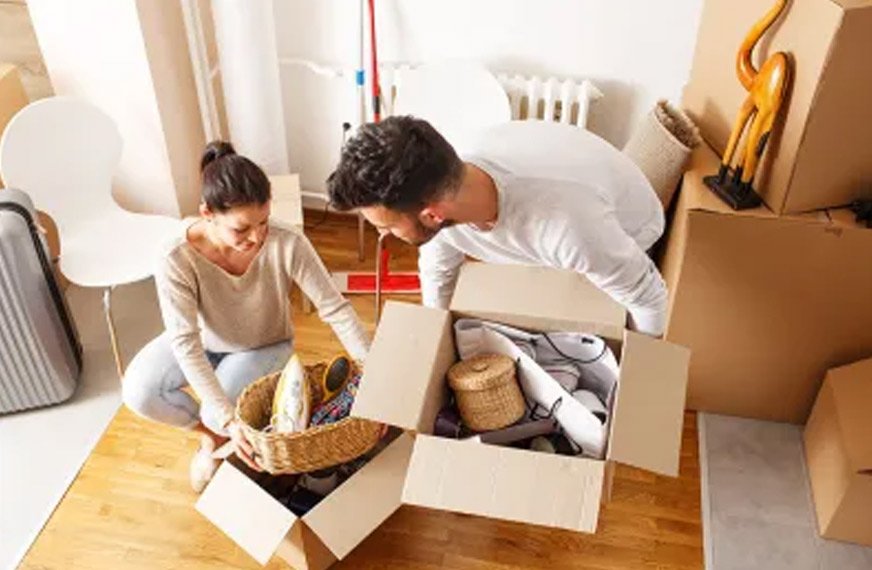
Moving to a new home or transferring business operations to another property can be an exciting milestone, but the process often involves more planning, coordination, and physical effort than people initially expect. From sorting personal belongings and packing fragile items to arranging transportation and organizing the new space, every stage requires attention to detail. Without a clear plan, even a relatively simple relocation can become stressful, time-consuming, and expensive. A well-organized approach helps reduce unnecessary complications while allowing individuals, families, and businesses to focus on the opportunities that come with a fresh start. Working with a professional moving company can make the transition more manageable by providing practical assistance with packing, loading, transportation, unloading, and other important aspects of the moving process.
Planning Ahead for a More Efficient Move
Successful relocation begins long before moving day arrives. Creating a realistic schedule allows people to divide large responsibilities into smaller tasks and complete them without unnecessary pressure. Start by establishing a moving date, estimating the amount of time needed for preparation, and identifying the services that may be required. A written checklist can help organize everything from collecting packing supplies and notifying service providers to arranging transportation and preparing the new property. It is also useful to review any building requirements, parking arrangements, elevator reservations, or access restrictions that could affect the schedule. Taking care of these details in advance reduces the likelihood of unexpected delays and makes it easier to coordinate everyone involved in the relocation.Budgeting is another essential part of effective planning because moving expenses can extend beyond the basic cost of transportation. Packing materials, temporary storage, cleaning supplies, furniture protection, and specialized handling may all contribute to the final amount. Preparing a detailed budget helps establish realistic expectations and makes it easier to compare service options according to value rather than price alone. People should also consider their available time, the distance involved, the number of belongings being transported, and whether large or delicate items require additional care. By identifying these requirements early, households and businesses can make informed decisions, avoid rushed purchases, and develop a relocation plan that supports their practical needs.
Decluttering Before Packing Your Belongings
Relocation offers an excellent opportunity to evaluate personal belongings and decide what should be kept, donated, sold, recycled, or discarded. Moving items that are no longer useful increases the amount of packing required and may add unnecessary weight, labor, and transportation costs. Before placing everything into boxes, review each room individually and separate belongings according to their future use. Clothing that no longer fits, duplicate kitchen tools, outdated electronics, unused decorations, and damaged household items are common examples of possessions that may not need to travel to the new property. Making these decisions before packing begins creates a more organized process and allows valuable items to receive greater attention.A systematic decluttering strategy also makes unpacking considerably easier. Instead of opening dozens of boxes filled with unnecessary belongings, residents can concentrate on the items they genuinely use and want to keep. Donating suitable goods can help others while reducing waste, and responsibly recycling eligible materials supports better disposal practices. Businesses can benefit from a similar review by identifying obsolete equipment, unused office furniture, excess inventory, and outdated paperwork before the relocation takes place. When fewer items need to be moved, the entire process can become more efficient, and the new environment is easier to organize according to its intended purpose.
Choosing the Right Packing Materials and Techniques
Proper packing protects belongings throughout handling, loading, transportation, and unloading. Strong boxes, packing paper, bubble wrap, protective blankets, packing tape, and suitable cushioning materials can help reduce the risk of scratches, breakage, and other avoidable damage. However, the right materials must be matched to the type of item being packed. Heavy objects should generally be placed in smaller boxes so they remain manageable, while lighter belongings can be packed in larger containers without making them difficult to carry. Fragile items require sufficient cushioning and careful placement, and empty spaces inside boxes should be filled appropriately to limit movement during transportation. These simple precautions can make a meaningful difference in protecting possessions.Labeling each box clearly is equally important because it provides useful information during unloading and unpacking. Include the destination room and a general description of the contents, and identify boxes containing fragile items so they receive appropriate attention. Keeping similar belongings together also makes it easier to locate essential household items after arrival. For example, kitchen utensils, bedroom linens, office supplies, and bathroom necessities should be packed separately rather than mixed into unrelated containers. Preparing an inventory of valuable or important possessions can provide additional organization and help confirm that everything has arrived. With a consistent packing system, unpacking becomes more straightforward, and the new property can become functional more quickly.
Protecting Furniture and Valuable Possessions
Furniture and oversized household items often require special preparation because their dimensions, weight, and construction can make them difficult to handle. Tables, beds, wardrobes, cabinets, and large seating pieces may need to be disassembled before transportation, particularly when doorways, staircases, or narrow hallways limit access. Whenever possible, keep screws, bolts, brackets, and other small components together in clearly labeled bags associated with the relevant furniture. Photographing complicated assemblies before taking them apart can also provide a useful reference during reassembly. Protective blankets and suitable wrapping materials help reduce the likelihood of surface scratches, while careful lifting techniques minimize unnecessary strain on the people handling heavy objects.Special attention should be given to electronics, artwork, mirrors, musical instruments, antiques, and other items that may be sensitive to impact or environmental changes. Original packaging can be useful for televisions, computers, and other electronic equipment, although appropriately sized protective packaging may also work when original boxes are unavailable. Before disconnecting electronic devices, label cables and keep related accessories together to simplify installation later. Valuable or delicate possessions should be identified during the planning stage so their handling requirements are understood before moving day. These preparations help protect important belongings and reduce the frustration associated with discovering damage or missing components after the relocation is complete.
Making Moving Day More Organized
Moving day generally runs more smoothly when responsibilities are clearly assigned and the sequence of activities has been planned in advance. Before loading begins, ensure that walkways are clear, boxes are properly sealed, and items that need special attention are easy to identify. Keep children and pets away from active loading areas whenever possible, and make sure everyone involved understands which belongings are ready to be transported. It is also helpful to keep essential documents, keys, medications, chargers, personal valuables, and important contact information separate from general household boxes. A dedicated essentials bag allows these items to remain accessible instead of becoming buried beneath furniture and packed containers.Communication is especially important when several people are coordinating different parts of the relocation. Confirm the schedule, transportation arrangements, property access, and any special handling instructions before the work begins. If the original plan changes because of weather, access difficulties, or unexpected circumstances, communicate adjustments promptly so everyone can respond appropriately. A reliable moving team can assist with lifting, loading, securing belongings, and unloading items according to the agreed plan. Clear expectations and an organized workflow help minimize confusion, protect possessions, and make the transition more manageable for everyone involved.
Understanding the Value of Professional Moving Assistance
Professional relocation services can provide valuable support for people who lack the time, equipment, experience, or physical capacity to manage every aspect of a move independently. Handling heavy furniture, protecting fragile possessions, arranging transportation, and coordinating numerous boxes can require substantial effort. Experienced movers understand how to organize loads, use suitable handling equipment, protect furniture, and make efficient use of available vehicle space. Their assistance can be particularly helpful for households with extensive belongings, busy professionals managing demanding schedules, and families balancing relocation responsibilities with work, school, and everyday commitments.When comparing service providers, it is important to evaluate more than the initial estimate. Ask what the quoted price includes, whether packing materials or additional labor cost extra, how scheduling is handled, and what policies apply if unexpected circumstances arise. Customers should also clarify arrangements for particularly heavy or delicate belongings and review any applicable insurance or valuation coverage. A clear understanding of the service agreement helps prevent misunderstandings and supports better budgeting. Selecting a provider based on communication, service suitability, transparency, and demonstrated professionalism can create a more dependable moving experience and help customers feel prepared for the transition.
Preparing the New Property Before Arrival
Preparing the destination before belongings arrive can save considerable time and effort during unpacking. Whenever possible, inspect the property, clean essential surfaces, verify that utilities are functioning, and confirm that major furniture pieces will fit comfortably within the available space. Measuring doorways, staircases, and designated furniture areas beforehand can help prevent access problems and reduce the need to rearrange heavy items repeatedly. It is also useful to decide where beds, desks, sofas, dining tables, and storage units should be placed so the unloading team can position them appropriately. Having a basic layout prepared in advance creates a more purposeful arrangement and helps the property become usable sooner.Households should also identify the rooms and belongings that require immediate attention after arrival. Bedding, toiletries, basic kitchen supplies, towels, cleaning products, and everyday clothing are often among the first necessities to unpack. Businesses may prioritize computers, communication equipment, essential records, and the furniture required to resume normal operations. Creating a priority list ensures that important activities can continue while less urgent boxes remain packed. Rather than attempting to unpack everything at once, focus on making the most frequently used areas functional before moving on to decorative items and secondary storage. This practical sequence reduces stress and allows the new space to take shape gradually.
Managing Residential and Commercial Relocations
Residential moves often involve personal possessions, furniture, appliances, sentimental items, and the daily needs of every household member. A successful approach must account for individual preferences, family schedules, access requirements, and the importance of keeping essential belongings available. Parents may need to prepare familiar items for children, while older adults may benefit from a slower schedule and additional help with organization. People working remotely should also plan how to protect computers, documents, and other equipment required for their jobs. Understanding these household-specific requirements helps create a relocation plan that supports comfort and minimizes disruptions during the transition.Commercial relocations require a different set of priorities because downtime, equipment protection, employee coordination, and business continuity can directly affect operations. Offices may need to relocate desks, filing systems, computers, printers, meeting-room furniture, and other workplace essentials while protecting confidential records. Retail businesses and warehouses may also have inventory, display equipment, and storage systems that require careful organization. Developing an inventory, labeling equipment according to its destination, and planning the order of transportation can help the new workspace become operational more quickly. Whenever possible, businesses should communicate the schedule to employees, customers, suppliers, and relevant service providers so that expectations remain clear throughout the move.
Reducing Stress During the Relocation Process
Although careful planning can prevent many problems, moving can still be emotionally demanding. People may be leaving a familiar home, adjusting to a different routine, or balancing relocation tasks with professional and family responsibilities. Breaking the process into manageable stages can help prevent the feeling that everything must be completed immediately. Establishing daily goals, completing important tasks early, and allowing extra time for unexpected issues can make the workload feel more manageable. It is equally important to take breaks, stay hydrated, eat regular meals, and avoid attempting heavy lifting without suitable assistance. Maintaining a reasonable pace supports both physical safety and better decision-making.Keeping important information organized can also reduce anxiety. Maintain a folder or digital record containing schedules, estimates, receipts, inventory details, contact information, and relevant property documents. Confirm important appointments before moving day and keep a written list of outstanding responsibilities so nothing essential is overlooked. If difficulties arise, focus on the next practical step rather than trying to resolve every issue simultaneously. Seeking help from family members, friends, or professional service providers can make demanding tasks easier to manage. With realistic expectations and an adaptable plan, relocation can become a structured process rather than an overwhelming collection of responsibilities.
Settling In and Establishing New Routines
The relocation process does not end when the final box is unloaded. Organizing the new property, reconnecting equipment, updating records, and establishing everyday routines all contribute to a successful transition. Begin by checking that major belongings have arrived and reviewing any items that require special inspection. Assemble essential furniture, arrange frequently used kitchen and bathroom supplies, and ensure that important electronics and communication systems are working properly. Once the basic necessities are in place, organize storage areas and gradually address secondary tasks. This approach creates a functional living or working environment without requiring every detail to be completed immediately.It is also useful to review administrative responsibilities after moving. Depending on the circumstances, these may include updating mailing information, changing account details, confirming utility arrangements, and notifying relevant organizations of the new address. Businesses may need to update customer communications, supplier records, directories, and internal documentation. Creating a checklist for these responsibilities helps prevent overlooked details from becoming future inconveniences. As belongings are unpacked, break down reusable boxes, recycle suitable packing materials, and dispose of damaged materials responsibly. A clean, organized environment makes it easier to enjoy the benefits of the new space and establish a comfortable routine.
Conclusion
A successful relocation depends on preparation, organization, careful handling, and realistic expectations. From decluttering and packing to transportation, unloading, and settling into a new environment, every stage contributes to the overall experience. Creating a detailed schedule, selecting appropriate materials, protecting valuable belongings, and preparing the destination in advance can help reduce delays and avoid unnecessary complications. Professional assistance can further simplify demanding tasks by providing practical support and helping coordinate important parts of the process.
Choosing a dependable moving company allows individuals, families, and businesses to approach relocation with greater confidence while concentrating on their next chapter. With a thoughtful plan and the right support, moving can become a more efficient, organized, and positive experience rather than a stressful disruption to everyday life.
Author

thedailygurdian@gmail.com
Related Posts
Important Steps to Leave Your Property Clean, Fresh, and in Excellent Condition
- 0
- 2,253 words
Moving out of a property can be an exciting experience, especially when preparing for a new home, but the process often involves...
Read out all
Storm Shades: A Practical Solution for Protection, Comfort, and Modern Style
- 0
- 2,149 words
Protecting a property from changing weather conditions while maintaining a comfortable and attractive indoor environment is an important consideration for homeowners and...
Read out all
Pest Control: Effective Ways to Protect Your Home and Maintain a Healthy Environment
- 0
- 2,060 words
Maintaining a clean, comfortable, and healthy living environment is important for every homeowner and business owner. However, unwanted insects and rodents can...
Read out all
Why Vacation Rental Cleaning Is Essential for Property Management, Guest Comfort, and Long-Term Success
- 0
- 2,610 words
Introduction Maintaining a clean and welcoming vacation property is essential for creating a positive guest experience and building a successful rental business....
Read out all
Why Water Filtration Is Important for Healthy Living, Environmental Safety, and Long-Term Water Conservation
- 0
- 2,378 words
Introduction Clean and safe water is essential for maintaining good health, supporting everyday activities, and protecting the environment. Every household, business, and...
Read out all
Practical Solutions for Improving Roof Performance and Extending Its Lifespan
- 0
- 2,972 words
A strong and reliable roofing system is essential for protecting any residential or commercial property from environmental damage. Roofs are constantly exposed...
Read out all