
- 0
- 2,638 words
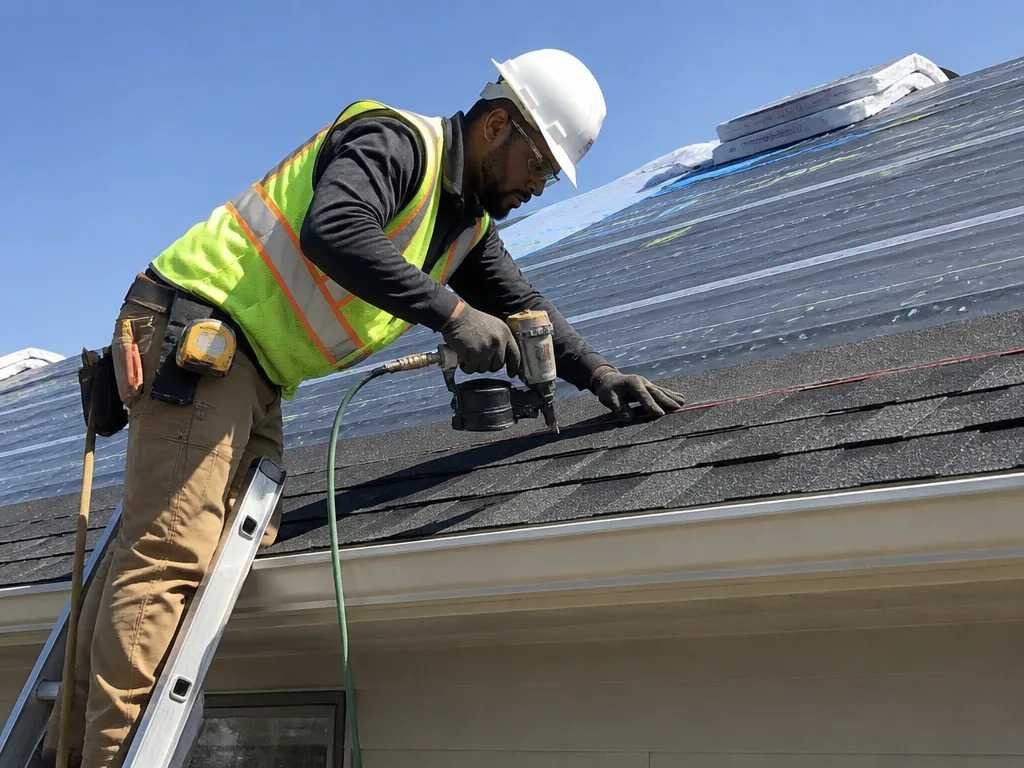
A dependable roof does much more than complete the appearance of a house; it protects the building’s structure, supports indoor comfort, and helps preserve the value of one of a homeowner’s most important investments. Every day, roofing materials face exposure to sunlight, rainfall, wind, temperature fluctuations, and airborne debris, all of which can gradually affect their condition. Without appropriate installation, timely maintenance, and professional attention, small defects can develop into leaks, damaged insulation, deteriorating wood, and costly structural concerns. Maintaining a roof therefore requires a thoughtful approach that considers the entire roofing system rather than focusing exclusively on its visible surface. An experienced roofing contractor can evaluate existing conditions, identify potential weaknesses, recommend suitable materials, and develop practical solutions for repairs or replacement. By combining technical knowledge with quality workmanship, professional roofing services help homeowners protect their properties, improve exterior appearance, and maintain reliable performance over the long term.
The Hidden Systems That Make a Roof Dependable
A roof may appear to be a simple arrangement of shingles or panels, but its performance depends on several interconnected components working together correctly. The exterior covering provides the primary barrier against environmental exposure, while the underlayment offers an additional layer of protection beneath the roofing material. Flashing directs water away from vulnerable joints, valleys, chimneys, skylights, and other transitions, while the roof deck provides the structural surface that supports the finished installation. Ventilation, insulation, and drainage also influence how effectively the roof protects the building. If one component fails, the resulting problem can affect other areas, particularly when moisture enters concealed spaces and remains undetected for an extended period.Understanding these relationships is important when evaluating roofing work because a visible defect may be only one part of a larger problem. For example, a recurring ceiling leak may originate from damaged flashing rather than the shingles directly above the stain. Similarly, water damage near the roof edge may involve clogged gutters, deteriorated fascia, or improperly directed drainage. A comprehensive inspection helps establish how these elements interact and whether the proposed solution addresses the underlying cause. Rather than treating each symptom separately, homeowners benefit from an approach that evaluates the complete roofing assembly and identifies the improvements necessary to restore dependable protection.
Recognizing When Roofing Materials Begin to Deteriorate
Roofing materials gradually change as they age, and identifying those changes early can help prevent avoidable damage. Asphalt shingles may lose granules, become brittle, curl at the edges, or develop cracks after prolonged exposure to environmental conditions. Metal roofing may experience loose fasteners, damaged coatings, or deterioration around seams and penetrations. Tile roofing can develop broken or displaced pieces following impacts or severe weather, while flashing may loosen or corrode as connections deteriorate. Although some damage is immediately visible, other problems develop beneath the exterior surface and remain unnoticed until moisture begins affecting the attic or interior rooms.Homeowners should also pay attention to warning signs inside the property. Ceiling discoloration, peeling paint, damp insulation, bubbling drywall, and persistent musty odors may indicate moisture intrusion, although condensation and plumbing issues can create similar symptoms. A professional inspection can help distinguish between these possible causes and establish the appropriate response. The age of the roof, the extent of visible deterioration, and the frequency of previous repairs should all be considered when evaluating its condition. A localized defect may require only a limited repair, while widespread deterioration may indicate that a more extensive project would provide better long-term value. Making decisions based on an accurate assessment helps prevent unnecessary spending and reduces the risk of overlooking serious problems.
Designing a Roofing System Around the Property
Every building has its own architectural characteristics, structural requirements, and maintenance considerations, so roofing materials should be selected with the property’s specific needs in mind. Roof slope, drainage patterns, structural capacity, ventilation arrangements, and the appearance of the exterior can all influence which materials are suitable. Asphalt shingles offer versatility and a broad selection of styles, making them a practical option for many residential properties. Architectural shingles can create a more dimensional appearance, while certain premium products offer additional design and performance characteristics. The selected materials must still be compatible with the roof’s structure and installed according to the manufacturer’s requirements.Metal roofing provides another option for homeowners who want a distinctive exterior appearance and a durable roofing system. Different profiles, finishes, and metal compositions offer varying characteristics, so product specifications should be reviewed carefully before selection. Tile roofing can complement certain architectural styles and provide long service when the structure is designed to accommodate its weight. Other materials may be appropriate for particular roof designs or performance goals. A professional assessment helps homeowners compare installation requirements, maintenance expectations, material costs, and long-term considerations. Selecting a roof based on the building’s actual requirements, rather than appearance or initial price alone, can help create a more reliable and practical result.
Why Installation Quality Matters as Much as Material Quality
High-quality roofing products cannot compensate for poor installation. Even durable materials may fail prematurely when fasteners are positioned incorrectly, overlaps are inadequate, flashing is poorly detailed, or the underlying surface has not been prepared properly. Small installation mistakes can create pathways for water intrusion or weaken the roof’s ability to withstand environmental exposure. Because many of these defects remain concealed beneath the finished surface, they may not become obvious until a leak develops or a section of roofing begins to deteriorate. Correct installation practices are therefore essential for protecting the investment made in roofing materials.A professional installation begins with appropriate planning and preparation. The existing roof should be evaluated to determine whether old materials must be removed, whether the decking requires repair, and whether ventilation or drainage improvements are necessary. The installation team should then apply the specified underlayment, flashing, edge components, and roofing materials in the correct sequence. Valleys, roof penetrations, ridges, and transitions require particular attention because they are vulnerable areas where water must be directed away from the structure. A final inspection should confirm that the completed work matches the agreed scope, debris has been removed, and important roofing details have been installed appropriately. Careful workmanship helps reduce avoidable defects and supports the long-term performance of the entire system.
Solving Roofing Problems Before They Affect the Interior
Water intrusion is one of the most damaging problems a roof can develop because moisture may spread beyond the original entry point before becoming visible. A damaged shingle, loose flashing connection, or defective roof valley can allow rainfall to reach the underlying layers. From there, water may travel along the decking or structural framing and eventually appear as a ceiling stain in another part of the room. This can make diagnosis difficult when the investigation focuses only on the visible interior damage. Identifying the actual entry point requires evaluating the roof’s design, checking vulnerable transitions, and examining related components for signs of deterioration.When the damage is limited, replacing individual shingles or correcting a small flashing defect may restore the roof’s protection. More extensive problems may require repairing damaged decking or replacing materials across a larger area. Moist insulation and affected interior finishes should also be evaluated when water has entered the building. Simply covering a stain or applying sealant without correcting the source may allow the problem to continue beneath the surface. Prompt professional attention can help reduce further deterioration and determine whether the roof remains suitable for repair. If similar problems continue appearing across multiple sections, a broader assessment can establish whether replacement should be considered instead of repeated localized work.
Protecting Roof Edges, Valleys, and Flashing Connections
Certain areas of a roof require more detailed construction because they handle water movement or connect different building surfaces. Valleys collect and channel runoff from adjoining roof sections, while flashing protects transitions around chimneys, skylights, walls, vents, and other penetrations. Roof edges must also be designed to manage water correctly and protect the underlying fascia and supporting components. When these details are damaged or installed incorrectly, water may enter vulnerable spaces even if most of the roofing surface remains in good condition. Paying attention to these locations is essential for preventing recurring leaks and preserving the roof’s overall reliability.Professional assessment can determine whether damaged flashing needs replacement, whether existing overlaps are directing water correctly, and whether roof-edge components remain secure. Deteriorated sealant may sometimes contribute to a problem, but applying new sealant alone is not always sufficient when the underlying flashing has failed. A lasting solution may require rebuilding the affected connection, replacing corroded materials, or correcting the surrounding installation. Valleys should also be checked for accumulated debris and visible deterioration that could interfere with drainage. Properly constructed transitions and maintained drainage paths help reduce the risk of water entering the building and protect adjacent exterior components from repeated moisture exposure.
Improving Comfort Through Insulation and Ventilation
A well-maintained roof contributes to indoor comfort, but the results depend on more than the exterior roofing materials. Insulation helps limit unwanted heat transfer, while air sealing reduces uncontrolled movement between indoor spaces and the attic. Ventilation can help manage attic conditions when it is properly designed for the building. If insulation is insufficient or air leaks allow moisture to enter the attic, the resulting conditions may affect energy use and contribute to condensation under certain circumstances. Homeowners planning major roofing work can use the opportunity to evaluate these related systems and determine whether improvements are appropriate.Ventilation should be considered as part of the overall building design because simply adding vents does not automatically resolve every moisture or temperature concern. Intake and exhaust openings must work together, and the correct arrangement depends on the roof structure, insulation, air-sealing strategy, and applicable requirements. A professional can inspect the attic, identify signs of moisture accumulation, and explain whether changes are necessary. Appropriate improvements may help the building manage heat and moisture more effectively, although the results depend on the existing conditions and the work performed. Evaluating the entire roof assembly rather than focusing exclusively on the exterior covering creates a more informed approach to long-term home performance.
Managing Rainwater to Protect the Entire Property
Rainwater management plays a major role in preserving roofing materials and preventing damage to other parts of the building. Gutters and downspouts collect runoff and direct it away from roof edges, exterior walls, and the foundation. When gutters become clogged with leaves, branches, granules, or other debris, water may overflow and repeatedly soak fascia boards and nearby siding. Persistent drainage problems can also contribute to moisture exposure around the building’s base if downspouts discharge water too close to the foundation. Keeping these systems functional helps support the roof’s performance and reduces the likelihood of avoidable maintenance problems.Homeowners should monitor gutters for sagging sections, loose brackets, corrosion, and recurring overflow. Downspouts should discharge water appropriately, while roof valleys and drainage paths should remain clear of excessive debris. Overhanging tree branches should also be managed because they may scrape roofing materials, drop debris into gutters, or cause impact damage during storms. If drainage problems continue despite regular cleaning, a professional can evaluate the gutter slope, capacity, connections, and overall arrangement. Maintaining effective water management helps protect the roof and the surrounding structure while reducing the risk of damage caused by uncontrolled runoff.
Preparing for Roofing Repairs or a Complete Replacement
Successful roofing projects begin with clear planning and an accurate understanding of the work involved. The first step is usually a professional assessment that considers the condition of existing materials, the roof’s dimensions, its slope, drainage arrangements, ventilation, and any signs of structural deterioration. Based on these findings, the homeowner can compare suitable options and decide whether targeted repairs or complete replacement is more appropriate. The project plan should identify the materials to be used, the work included, the anticipated schedule, and any additional components that may require attention. Written documentation helps establish clear expectations and reduces misunderstandings once work begins.Preparation also involves protecting the property and coordinating practical arrangements. Outdoor furniture, fragile decorations, and vehicles may need to be moved away from the work area, while attic or garage storage should be considered because installation activities can produce vibration and debris. Contractors should establish appropriate safety procedures and take reasonable measures to protect landscaping, windows, walkways, and exterior equipment. Homeowners should discuss how unexpected damage will be documented and whether additional work requires approval before the project cost changes. Weather conditions and material availability can influence the schedule, so clear communication helps everyone understand necessary adjustments and supports a more organized process.
Understanding Roofing Costs and Long-Term Value
Roofing expenses vary according to the size and complexity of the roof, the selected materials, labor requirements, accessibility, and the condition of the existing structure. A simple repair involving a few shingles generally requires less work than rebuilding a flashing connection or replacing deteriorated decking. Complete replacement projects may involve removing old materials, preparing the roof surface, installing underlayment, improving ventilation, and managing debris. Additional expenses may arise when concealed damage becomes visible after removal begins. Understanding these factors helps homeowners evaluate estimates and avoid assuming that every roofing project should cost the same amount.A detailed written estimate should explain the work included, materials specified, disposal arrangements, flashing and underlayment requirements, cleanup procedures, and applicable warranty coverage. Homeowners should compare proposals based on equivalent services rather than automatically selecting the lowest price. A less expensive estimate may exclude important components or fail to address the underlying cause of a recurring problem. It is also helpful to ask how concealed damage will be handled and whether the contractor will obtain approval before performing additional work. Considering durability, maintenance requirements, workmanship, and future repair needs alongside the initial price can help property owners make decisions that provide better long-term value.
Maintaining Roof Performance After the Work Is Complete
Roofing care should continue after repairs or installation have been completed. Periodic inspections can help identify loose materials, damaged flashing, drainage problems, or other defects before they become more serious. Homeowners should pay attention to changes following severe weather and monitor accessible attic spaces for damp insulation, unusual odors, or signs of moisture. Gutters should be kept clear, and overhanging branches should be managed to reduce debris accumulation and impact risks. If a problem appears, arranging a professional assessment promptly can help determine whether a minor adjustment or a more extensive repair is necessary.Maintenance should follow the recommendations provided by the roofing manufacturer and installation professional. Certain materials require specific cleaning methods, and unsuitable chemicals or unnecessary foot traffic may damage the surface. Keeping records of the installation date, materials used, inspections, repairs, and warranty information makes it easier to plan future maintenance and respond to concerns. Homeowners should also understand the conditions of any workmanship or product warranties, including applicable exclusions and maintenance obligations. Working with a qualified roofing contractor can help homeowners maintain their roofing system and address potential concerns appropriately. A consistent maintenance routine supports the investment in the roof and helps preserve dependable performance over time.
Conclusion
A reliable roof is the result of appropriate planning, compatible materials, careful installation, and ongoing maintenance. From identifying early signs of deterioration to correcting leaks, managing drainage, improving ventilation, and replacing aging materials, every stage of roofing care contributes to the property’s protection and long-term condition. Homeowners can make more confident decisions by obtaining accurate inspections, reviewing detailed estimates, understanding warranty coverage, and selecting solutions that address the underlying cause of roofing problems. Working with an experienced roofing contractor can help ensure that the project is suited to the building’s requirements and completed with attention to essential roofing details. By prioritizing workmanship, preventive care, and informed material selection, property owners can protect their homes, maintain exterior appeal, and support the lasting performance of their roofing systems.
Author

thedailygurdian@gmail.com
Related Posts

Important Steps to Leave Your Property Clean, Fresh, and in Excellent Condition
- 0
- 2,253 words
Moving out of a property can be an exciting experience, especially when preparing for a new home, but the process often involves...
Read out all
Storm Shades: A Practical Solution for Protection, Comfort, and Modern Style
- 0
- 2,149 words
Protecting a property from changing weather conditions while maintaining a comfortable and attractive indoor environment is an important consideration for homeowners and...
Read out all
Pest Control: Effective Ways to Protect Your Home and Maintain a Healthy Environment
- 0
- 2,060 words
Maintaining a clean, comfortable, and healthy living environment is important for every homeowner and business owner. However, unwanted insects and rodents can...
Read out all
Why Vacation Rental Cleaning Is Essential for Property Management, Guest Comfort, and Long-Term Success
- 0
- 2,610 words
Introduction Maintaining a clean and welcoming vacation property is essential for creating a positive guest experience and building a successful rental business....
Read out all
Why Water Filtration Is Important for Healthy Living, Environmental Safety, and Long-Term Water Conservation
- 0
- 2,378 words
Introduction Clean and safe water is essential for maintaining good health, supporting everyday activities, and protecting the environment. Every household, business, and...
Read out all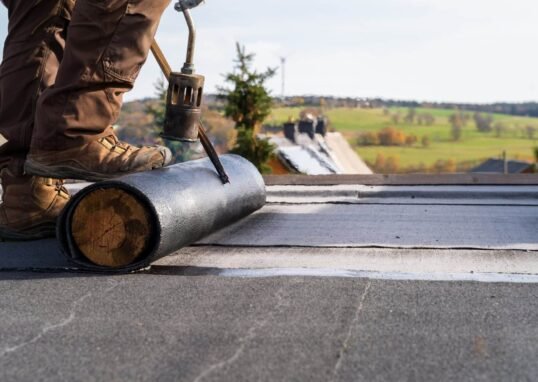
Practical Solutions for Improving Roof Performance and Extending Its Lifespan
- 0
- 2,972 words
A strong and reliable roofing system is essential for protecting any residential or commercial property from environmental damage. Roofs are constantly exposed...
Read out all