
- 0
- 2,914 words
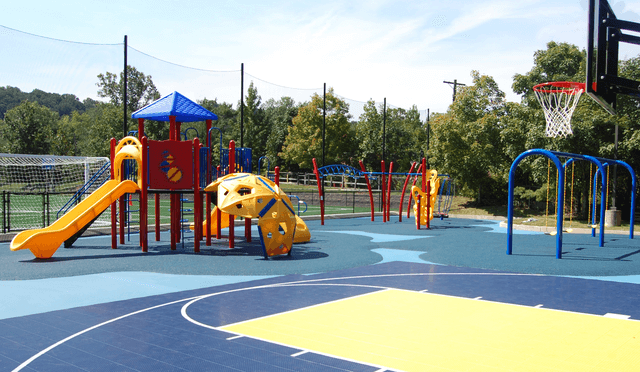
Outdoor play is an essential part of childhood development, providing children with opportunities to explore, learn, socialize, and develop important physical and mental skills. Well-designed playgrounds encourage children to stay active, build confidence, and interact with others in a fun and welcoming environment. Whether installed in schools, parks, childcare centers, residential communities, or recreational facilities, playground structures create spaces where children can enjoy meaningful activities while developing coordination, balance, creativity, and problem-solving abilities. Choosing the right equipment is important because playground design influences children’s safety, accessibility, and overall play experience. High-quality materials, age-appropriate structures, and thoughtful layouts help create enjoyable environments that can serve communities for many years.
Playground equipment includes a wide range of structures and recreational features designed to encourage physical activity and imaginative play. Common options include swings, slides, climbing frames, seesaws, merry-go-rounds, balance equipment, tunnels, and interactive play panels. Modern playgrounds may also incorporate sensory activities, accessible play structures, outdoor fitness equipment, and nature-inspired features. Selecting suitable equipment requires considering the children’s ages, available space, installation requirements, safety standards, and maintenance needs. A carefully planned playground provides more than entertainment because it supports healthy development and creates opportunities for children to learn valuable life skills through play.
Understanding the Importance of Playground Equipment
Playground equipment plays an important role in creating outdoor environments where children can participate in physical and social activities. Children naturally enjoy exploring different movements, heights, textures, and challenges, and playground structures provide opportunities to develop these abilities in a controlled recreational setting.
Climbing frames, ladders, and balance beams encourage children to improve coordination and body awareness. Slides and swings introduce different movement experiences, helping children develop balance and confidence. Interactive play panels and imaginative structures encourage creativity and problem-solving.
Playgrounds also provide valuable opportunities for social interaction. Children learn to share equipment, take turns, communicate with others, and participate in group activities. These experiences help develop cooperation and interpersonal skills.
For schools and childcare facilities, outdoor play areas can complement classroom learning by giving children opportunities to explore their surroundings and develop independence.
Investing in suitable playground structures helps create engaging recreational spaces that support physical health, emotional development, and positive social experiences.
Different Types of Playground Equipment
There are many types of playground structures available, each designed to provide different recreational experiences. Choosing a suitable combination allows playground designers to create spaces that appeal to children with different interests and abilities.
Swings are among the most recognizable playground features. They provide enjoyable movement experiences while encouraging balance, coordination, and body control.
Slides offer another popular activity. Available in different heights, lengths, and configurations, they can be incorporated into standalone structures or larger playground systems.
Climbing frames encourage children to develop strength, coordination, and confidence as they navigate different obstacles. These structures may include ladders, climbing walls, ropes, nets, and platforms.
Seesaws introduce cooperative play by allowing children to coordinate their movements with another participant. Merry-go-rounds provide additional opportunities for group interaction and movement.
Playground tunnels, bridges, and activity panels can create more imaginative play experiences. Combining different structures helps make outdoor recreational spaces more interesting and encourages children to explore various activities.
Benefits of Outdoor Play for Children’s Development
Outdoor play provides several developmental benefits that support children’s physical and mental well-being. Regular movement helps children build strength, improve cardiovascular fitness, and develop healthy activity habits.
Climbing, jumping, running, and balancing encourage the development of gross motor skills. These activities help children improve coordination, flexibility, and overall body control.
Playground activities also support cognitive development. Children often need to assess distances, understand movement patterns, navigate obstacles, and make decisions while playing.
Social development is another important benefit. Shared playground experiences encourage communication, teamwork, patience, and conflict resolution.
Outdoor play can also support emotional well-being. Successfully completing a climbing challenge or learning to use a new structure may increase confidence and encourage children to try unfamiliar activities.
Imaginative playground environments provide opportunities for creative thinking. Children may turn ordinary structures into pretend castles, ships, houses, or adventure settings.
Providing a variety of activities allows children to explore their abilities while enjoying a balanced combination of physical, social, and creative experiences.
Choosing Age-Appropriate Playground Structures
Age is an important consideration when selecting playground equipment because children at different developmental stages have different physical abilities and recreational needs.
Toddlers generally benefit from low-height structures with accessible platforms, gentle slides, simple interactive panels, and age-appropriate movement activities. Equipment designed for younger children should avoid unnecessary climbing heights and complicated access routes.
Preschool children may enjoy small climbing structures, tunnels, balance activities, and imaginative play equipment. These features encourage exploration while helping develop coordination and confidence.
School-age children often enjoy more challenging playground experiences. Larger climbing frames, rope structures, bridges, and obstacle-based activities can provide opportunities to improve strength and problem-solving skills.
Playground layouts should also separate equipment intended for different age groups where appropriate. This helps reduce conflicts between children using structures with different levels of physical difficulty.
Manufacturers should provide clear age recommendations and installation instructions for their products. Selecting equipment according to children’s developmental needs creates more suitable recreational environments.
Playground Safety and Equipment Standards
Safety should always be a major priority when designing and installing a playground. Although outdoor play naturally involves movement and challenges, appropriate planning can help reduce preventable injuries.
Equipment should be designed and installed according to applicable playground safety standards. These requirements may address structural strength, opening sizes, fall heights, protective barriers, material quality, and installation methods.
Protective surfacing is particularly important because it helps reduce the severity of injuries caused by falls. Suitable options may include engineered wood fiber, rubber surfacing, rubber tiles, and other materials designed for playground applications.The surface should be appropriate for the equipment’s fall height and installed at the required depth or thickness.
Playground structures should also have adequate spacing to prevent overcrowding and reduce the risk of collisions between children using different activities.
Sharp edges, exposed fasteners, damaged components, and hazardous openings should be addressed immediately.Regular inspections are necessary to identify developing safety concerns. Proper installation, appropriate supervision, and consistent maintenance all contribute to a safer playground environment.
Materials Used in Modern Playground Equipment
The materials used in playground construction influence durability, appearance, maintenance requirements, and overall performance.
Metal is commonly used for structural frames, support posts, climbing equipment, and certain swing components. Galvanized steel and appropriately coated metals can provide strength and resistance to environmental exposure.High-density polyethylene is another popular material. It is frequently used for slides, decorative panels, barriers, and other playground components because it is available in different colors and shapes.
Wood can create a natural appearance that complements outdoor landscapes. However, playground wood should be appropriately treated, finished, and maintained to reduce deterioration and prevent surface hazards.
Fiberglass may be used in certain specialized playground components because of its design flexibility and material properties.Rubber is commonly incorporated into protective flooring, impact-absorbing surfaces, and selected play components.
When selecting materials, property owners should consider outdoor exposure, temperature changes, moisture, expected usage, and cleaning requirements. High-quality construction materials can improve playground longevity and reduce the need for frequent repairs.
Inclusive Playground Equipment for Children of All Abilities
Inclusive playground design helps ensure that children with different physical, sensory, and developmental abilities can participate in outdoor recreation.Traditional playgrounds may create barriers for children who use wheelchairs, have limited mobility, or experience sensory challenges. Inclusive equipment addresses these limitations by providing alternative ways to access and enjoy play activities.
Accessible ramps, transfer platforms, wheelchair-friendly play panels, and ground-level interactive features can improve participation.Sensory equipment is another important consideration. Musical panels, textured surfaces, tactile activities, and interactive features provide different experiences that appeal to children with varying sensory preferences.
Wide pathways and suitable turning spaces help make playgrounds easier to navigate. Seating areas can also provide comfortable spaces for children, parents, and caregivers.Inclusive design should consider more than physical access. Play activities should offer different levels of difficulty and opportunities for cooperation so children can participate together.
Creating accessible playgrounds encourages social interaction and helps build welcoming recreational environments for entire communities.
The Role of Playground Equipment in Schools
Schools need outdoor recreational spaces that support physical activity, social development, and opportunities for learning beyond the classroom.Playground structures provide students with opportunities to move between lessons, release energy, and develop important physical skills.
Climbing equipment, balance activities, swings, and interactive play panels can help create varied recreational experiences during breaks.School playgrounds should be designed according to the age groups using them and the available outdoor space. Younger students may need separate play areas with smaller structures, while older children may benefit from more challenging activities.
Teachers and school administrators should also consider visibility, supervision, pathways, and safe access when planning outdoor spaces.
Durable materials are particularly important in educational environments because equipment may experience frequent use throughout the school week.A well-designed school playground can complement educational activities by encouraging cooperation, creativity, independence, and healthy movement.
Playground Equipment for Parks and Community Spaces
Public parks and community recreational areas provide valuable outdoor spaces where families can spend time together. Playground structures make these locations more engaging by offering children different activities in an accessible environment.
Community playgrounds often need equipment that accommodates a wide range of ages and activity preferences. A combination of swings, slides, climbing structures, balance features, and interactive play areas can help create a more complete recreational experience.Designers should consider the expected number of visitors and provide sufficient space between equipment to support safe movement.
Seating areas, shaded sections, walking paths, and nearby waste facilities can improve the overall experience for families and caregivers.
Durability is especially important for public playgrounds because equipment may experience continuous use and exposure to different weather conditions.Community representatives and property managers should establish inspection and maintenance schedules to keep recreational areas clean, functional, and welcoming.
Indoor and Outdoor Playground Equipment
Playgrounds are not limited to outdoor environments. Indoor recreational spaces are also becoming popular in childcare centers, schools, shopping centers, family entertainment facilities, and residential developments.
Indoor playground equipment may include soft play structures, ball pits, tunnels, climbing frames, padded obstacles, and interactive activity panels.Soft play equipment is particularly suitable for younger children because padded surfaces and enclosed structures can provide age-appropriate recreational experiences when properly designed and maintained.
Outdoor playgrounds offer different advantages because they provide fresh air, natural light, and opportunities to interact with the surrounding environment.
The choice between indoor and outdoor equipment depends on available space, expected usage, building design, climate, and maintenance requirements.Indoor installations must consider ceiling height, ventilation, emergency access, fire safety, and flooring conditions.
Outdoor installations require appropriate drainage, weather-resistant materials, protective surfacing, and suitable environmental planning.Both options can support enjoyable play experiences when designed according to the needs of the intended users.
Custom Playground Design and Layout Planning
Every recreational space has different requirements, which is why custom playground planning can be valuable. A suitable design should reflect the available area, children’s ages, accessibility needs, expected visitor numbers, and preferred activities.
The planning process generally begins with measuring the site and identifying existing features that may influence installation. These may include trees, pathways, fences, drainage systems, buildings, and underground utilities.
Designers then select equipment that fits the available space while maintaining appropriate safety clearances.Playground layouts should allow children to move comfortably between activities without creating unnecessary congestion. Popular equipment such as swings and slides may require dedicated clearance zones.
Different activity areas can also be arranged to create a balanced play experience. Quiet sensory activities may be positioned separately from more energetic climbing and movement structures.Shade and seating should be considered during the design process because they improve comfort for children and caregivers.
A thoughtful layout makes better use of available space and creates a playground that is functional, attractive, and enjoyable.
Playground Installation and Professional Assembly
Proper installation is essential for ensuring that playground structures perform as intended. Even well-manufactured equipment can become unsafe when assembled incorrectly or installed on unsuitable ground.Professional installation generally begins with preparing the site. Contractors evaluate the soil, drainage, ground level, and available space before beginning construction.
The equipment is then assembled according to the manufacturer’s instructions. Structural connections, support posts, fasteners, and foundations must be installed correctly.
Certain structures require concrete footings or specialized anchoring systems to maintain stability.Protective surfacing is installed according to the equipment’s design requirements and fall-height specifications.
After assembly, the installation should be inspected to verify that components are secure, surfaces are suitable, and safety clearances have been maintained.Property owners should request installation documentation and manufacturer information for future inspections and maintenance.Hiring experienced installers helps reduce assembly errors and supports the long-term reliability of playground structures.
Playground Maintenance and Regular Inspections
Regular maintenance helps preserve the safety, appearance, and performance of playground equipment. Outdoor structures are continuously exposed to weather, frequent use, and environmental conditions that can gradually cause deterioration.Routine inspections should check for loose bolts, damaged surfaces, rust, cracks, worn ropes, and unstable structural components.
Swing chains, connectors, and moving parts should be examined for signs of wear. Slides should be checked for cracks, sharp edges, and surface damage.
Protective flooring also requires attention. Displacement, compacted materials, damaged rubber sections, or exposed hard surfaces can reduce impact protection.Cleaning should be carried out according to the manufacturer’s recommendations. Appropriate products help remove dirt and maintain hygienic play areas without damaging materials.
Any defective equipment should be restricted from use until the necessary repairs have been completed.A documented maintenance schedule helps schools, property managers, and community organizations track inspections and identify recurring problems.Consistent care can extend equipment lifespan and reduce unexpected replacement expenses.
Factors That Influence Playground Equipment Costs
The cost of playground equipment depends on several factors, and every installation requires an individual assessment.The size of the playground is one of the main considerations. Larger play areas generally require more equipment, materials, installation work, and protective surfacing.
The type of structures selected also influences pricing. Basic swings and slides may require a smaller investment than large climbing systems, themed playgrounds, and custom-designed structures.Material quality is another important factor. Commercial-grade equipment designed for frequent public use may cost more initially but can offer better durability when properly maintained.
Site preparation may add to the overall budget. Uneven ground, drainage improvements, excavation, and concrete foundations can increase installation expenses.Accessibility features, shade structures, safety surfacing, and additional recreational elements may also affect the final cost.
Property owners should request detailed quotations that explain equipment specifications, materials, transportation, installation, surfacing, warranties, and ongoing maintenance requirements.Comparing proposals based on overall quality rather than initial price alone can help identify the most suitable investment.
Choosing the Right Playground Equipment Supplier
Selecting a dependable supplier is important for ensuring that playground equipment meets quality and safety expectations.
Property owners should look for suppliers with experience providing recreational equipment for schools, parks, childcare facilities, and community developments.Product specifications should be reviewed carefully. Important details include recommended age ranges, material construction, weight limits, installation requirements, safety certifications, and maintenance instructions.
It is also useful to review previous installations and customer feedback to understand the supplier’s experience and service quality.A reliable supplier should provide clear information about warranties, replacement components, installation support, and after-sales assistance.
Customers should also confirm that the equipment complies with applicable safety requirements and that installation can be completed by qualified professionals.Choosing a supplier based on product quality, support, and long-term reliability can help avoid unnecessary problems after installation.
Sustainable and Environmentally Friendly Playground Design
Sustainability is becoming an important consideration in modern playground development. Property owners and designers are increasingly interested in materials and construction practices that reduce environmental impact while maintaining durability.Recycled plastics can be used in certain playground panels, benches, and structural components. Recycled rubber may also be incorporated into suitable protective surfacing systems.
Responsibly sourced wood can provide a natural appearance while supporting more sustainable material choices.
Nature-inspired playground designs offer another approach. These environments may incorporate natural textures, logs, balance elements, landscaping, and outdoor discovery activities.Shade trees and appropriate landscaping can improve the surrounding environment while making recreational spaces more comfortable.
Selecting durable materials can also reduce waste because equipment that remains functional for longer may require fewer replacements.Sustainable playground planning combines material selection, responsible maintenance, environmental awareness, and long-term usability.
Conclusion
Playground equipment is an important investment in children’s physical development, creativity, confidence, and social well-being. From swings and slides to climbing frames, sensory panels, and inclusive recreational structures, the right equipment can transform an ordinary outdoor area into an engaging environment for learning and enjoyment.
Successful playground development requires careful consideration of age-appropriate activities, material quality, accessibility, safety standards, installation requirements, and ongoing maintenance. Schools, parks, childcare centers, and community organizations should select structures that match the needs of their users while making effective use of available space.
Working with experienced suppliers and professional installers helps ensure that equipment is suitable, properly assembled, and supported by appropriate maintenance guidance. Regular inspections and timely repairs further contribute to a safe and enjoyable recreational environment.
Ultimately, a thoughtfully designed playground provides benefits that extend beyond entertainment. It encourages children to remain active, develop important life skills, build friendships, and enjoy meaningful outdoor experiences. Investing in quality playground equipment helps create welcoming spaces where children can explore, learn, and grow through the power of play.
Author

thedailygurdian@gmail.com
Related Posts
Complete Guide to Keeping Your Swimming Pool Clean, Safe, and Well Maintained
- 0
- 3,103 words
A swimming pool provides a comfortable place to relax, exercise, entertain guests, and enjoy quality time with family and friends. However, maintaining...
Read out all
Expand Your Living Space with a Thoughtfully Planned Home Addition
- 0
- 2,898 words
A growing household, changing lifestyle, or desire for greater comfort can make an existing home feel smaller than it once did. Families...
Read out all
Stump Grinding: An Effective Solution for Removing Tree Stumps and Restoring Outdoor Spaces
- 0
- 3,110 words
Trees play an important role in creating attractive landscapes, providing shade, improving air quality, and supporting the natural environment. However, when a...
Read out all
Emergency Pest Control: Effective Solutions for Fast Relief and Long-Term Protection
- 0
- 2,858 words
Pest infestations can create serious problems for homeowners, business owners, and property managers, especially when they appear unexpectedly or spread rapidly. From...
Read out all
Pool Resurfacing: Transform Your Swimming Pool with Durable Finishes and Professional Restoration
- 0
- 3,191 words
Introduction A swimming pool is more than just an attractive feature of a residential or commercial property. It provides a relaxing environment,...
Read out all
Hardscaping: Transforming Outdoor Spaces With Durable Design and Functional Features
- 0
- 3,328 words
Creating an attractive outdoor environment requires more than selecting beautiful plants, maintaining a healthy lawn, and adding colorful flowers. The structural elements...
Read out all