
- 0
- 3,276 words
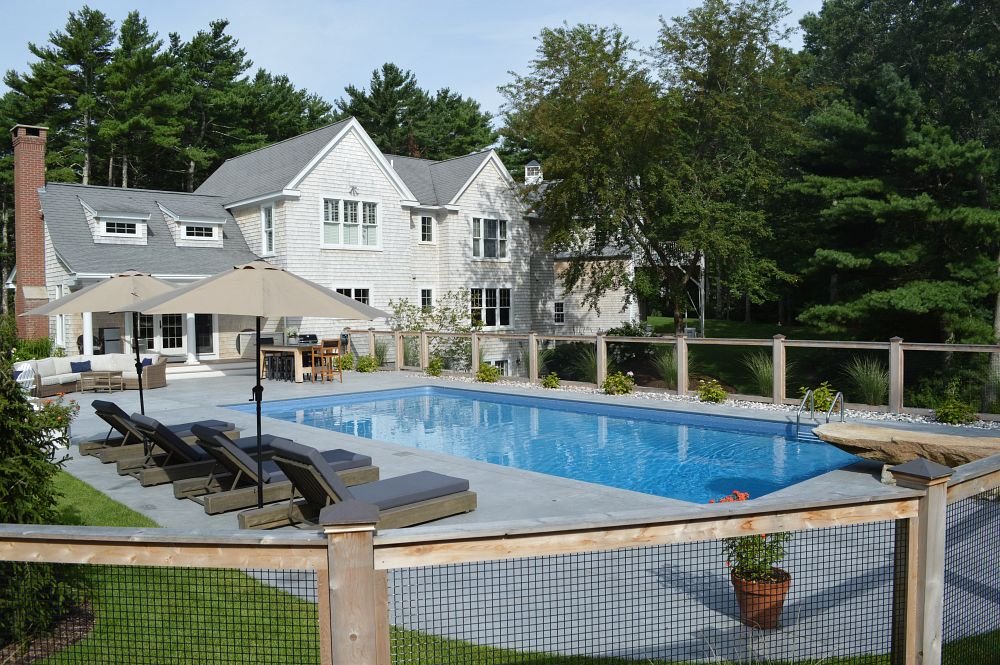
A swimming pool is more than an attractive addition to a property; it is an investment in comfort, recreation, relaxation, and long-term lifestyle improvement. Whether homeowners want a peaceful outdoor retreat, a dedicated space for family activities, or an elegant feature that enhances the appearance of their surroundings, a well-designed swimming pool can provide lasting benefits. However, creating a functional and visually appealing swimming area requires careful planning, professional knowledge, suitable materials, and proper construction techniques. Every stage, from selecting the right design to completing the finishing details, plays an important role in determining the pool’s durability, performance, and overall appearance. Understanding the process before beginning construction helps property owners make informed decisions, manage their budgets, and avoid unnecessary complications.
Understanding the Importance of Professional Swimming Pool Construction
Building a swimming pool involves several technical considerations that extend beyond digging an area and filling it with water. The construction process requires an understanding of soil conditions, structural stability, drainage systems, plumbing connections, waterproofing, filtration equipment, and appropriate finishing materials. Ignoring any of these elements can create problems that may become expensive to repair later. Professional contractors understand how different construction components work together and can develop a plan that meets the property’s requirements while maintaining safety and functionality.
Professional pool construction also helps ensure that the finished structure complements its surroundings. Factors such as available space, property layout, sunlight exposure, accessibility, and intended use should be considered before finalizing the design. A pool intended primarily for exercise may require different dimensions and features than one designed for relaxation or family entertainment. Working with experienced professionals makes it easier to balance these requirements and create a swimming area that serves its intended purpose without compromising visual appeal.
Another important consideration is the long-term performance of the structure. A properly constructed pool should maintain its strength, resist water leakage, and support the weight and pressure associated with regular use. Professional planning helps identify potential construction challenges before they become serious issues, making the entire project more manageable and reliable.
Planning the Right Pool Design for Your Property
Design planning is one of the most important stages of any swimming pool project because it determines how the finished structure will look, function, and fit into the available space. Before selecting a particular shape or style, property owners should consider how they intend to use the pool and which features will provide the greatest practical value. Some people prefer traditional rectangular pools because they offer a clean appearance and are suitable for swimming exercises, while others choose curved or freeform designs that create a more natural and decorative atmosphere.
The available space should influence every design decision. A large property may accommodate a spacious swimming pool with separate relaxation areas, while a smaller outdoor area may benefit from a compact design that uses space efficiently. It is important to maintain sufficient room around the pool for safe movement, seating, maintenance access, and additional features. A design that looks impressive on paper may become inconvenient if it does not account for the everyday activities that take place around the swimming area.
Property owners should also think about the relationship between the pool and existing outdoor features. Gardens, patios, walkways, outdoor kitchens, and seating arrangements can all contribute to a more complete recreational environment. Coordinating these elements during the planning stage helps create a balanced appearance rather than making the swimming pool look like an isolated addition. A carefully planned layout improves both functionality and the overall experience of using the outdoor space.
Choosing Suitable Materials for Strength and Durability
The materials selected for swimming pool construction have a direct impact on structural performance, maintenance requirements, appearance, and overall lifespan. Concrete, fiberglass, and vinyl are among the commonly used pool construction options, and each offers different advantages depending on the project’s requirements. Understanding these differences allows property owners to select materials that provide an appropriate balance between initial investment, durability, design flexibility, and future maintenance.
Concrete pools are popular because they offer considerable flexibility in terms of dimensions, depth, and shape. They can be designed to accommodate unusual layouts, decorative features, built-in seating, and customized steps. However, concrete construction requires careful installation, proper curing, and suitable surface finishing. Fiberglass pools are manufactured as prefabricated structures and can provide a relatively smooth surface with fewer finishing requirements. Their available shapes and dimensions depend on the manufacturer’s designs, which means they may offer less customization than concrete alternatives. Vinyl-lined pools can provide another option for property owners seeking a particular combination of appearance and construction cost, although the liner may require replacement over time.
Beyond the main structural material, attention should also be given to tiles, coping, decking, waterproofing products, and interior finishes. These materials contribute to the pool’s appearance while helping protect important construction components. Selecting suitable products from reliable manufacturers can reduce maintenance difficulties and improve long-term performance. It is also important to ensure that all materials are compatible with the intended construction method and environmental conditions.
Why Professional Installation Makes a Difference
A successful swimming pool project depends on accurate execution at every stage. Even a carefully prepared design can produce disappointing results if construction work is not completed according to appropriate technical standards. This is why professional pool installation is an important consideration for property owners who want a reliable structure that performs well over time. Experienced contractors understand the construction sequence, recognize potential problems, and know how to coordinate different specialists throughout the project.
The process generally begins with a detailed site assessment, followed by excavation and preparation of the construction area. Contractors must ensure that the ground is suitable for supporting the planned structure and that excavation work does not create unnecessary risks for nearby buildings or underground utilities. Once the area has been prepared, the structural framework, reinforcement, plumbing, and drainage components can be installed according to the approved design.
Waterproofing is another essential part of the construction process because even minor installation mistakes can eventually result in leaks. The interior surface must be prepared correctly, and suitable waterproofing materials should be applied according to manufacturer recommendations. Filtration and circulation equipment must also be installed carefully to ensure consistent water movement and effective cleaning. Professional supervision helps maintain quality throughout these stages and reduces the possibility of defects that could affect the finished pool.
Understanding the Importance of Filtration and Circulation Systems
A swimming pool requires an effective circulation system to maintain clean and usable water. Without proper circulation, dirt, debris, and other unwanted materials can accumulate, making the water difficult to maintain. A filtration system works by removing suspended particles as water passes through specialized equipment. The circulation pump moves water through the filtration components and returns it to the pool, helping distribute treated water throughout the structure.
Different filtration systems are available, including sand, cartridge, and diatomaceous earth filters. Each type has specific maintenance requirements and filtration characteristics. Sand filters are commonly selected because they are relatively straightforward to operate, while cartridge filters can offer convenient maintenance and effective particle removal. Diatomaceous earth systems provide fine filtration but may require more detailed maintenance procedures. The appropriate option depends on the pool’s size, usage patterns, budget, and maintenance preferences.
The circulation system should be properly sized according to the pool’s water capacity and expected usage. An undersized pump may struggle to circulate water effectively, while an unnecessarily powerful system can increase energy consumption. Professional guidance helps determine suitable equipment and configure the system for efficient operation. Regular inspection of pumps, filters, valves, and plumbing connections is equally important because small mechanical issues can affect water quality and increase operating costs if they are ignored.
Budgeting and Managing the Overall Construction Cost
Financial planning is essential for keeping a swimming pool project organized and preventing unexpected expenses. Many property owners initially focus on excavation and construction costs, but the complete investment involves several additional components. These may include design services, permits, structural materials, plumbing, filtration equipment, electrical connections, waterproofing, decorative finishes, landscaping, and safety features. Considering all these expenses before construction begins helps establish a realistic budget.
The total cost depends on several factors, including the pool’s dimensions, depth, construction material, design complexity, equipment specifications, and site conditions. Customized features such as waterfalls, underwater lighting, heating systems, infinity edges, and integrated seating areas can increase the initial investment. Although these additions may improve comfort and visual appeal, they should be selected according to actual needs rather than added without considering their financial impact.
Property owners should also reserve an additional amount for unexpected construction requirements. Unstable soil, difficult excavation conditions, drainage adjustments, or changes to existing utility connections may increase project expenses. Maintaining a reasonable contingency budget provides financial flexibility if unexpected challenges arise.
Obtaining detailed estimates from multiple contractors can also support better financial decisions. However, comparing quotations solely on the basis of price is not advisable. A lower estimate may exclude essential materials, equipment, or finishing work. It is better to examine the complete scope of services, construction specifications, warranty provisions, and expected project timeline before selecting a contractor.
Essential Safety Features for a Swimming Pool
Safety should be considered an essential part of swimming pool design rather than something added after construction is complete. A properly designed swimming area should include practical features that help reduce accidents and make the environment comfortable for different users. Safety requirements may vary according to local regulations, property characteristics, and the intended users of the pool, so these factors should be reviewed during the planning process.
Pool barriers and secure gates are among the most important protective measures, particularly in properties where children may have access to the outdoor area. Suitable fencing can help restrict unauthorized entry, while self-closing and self-latching gates provide an additional layer of protection. Pool covers can also be useful when the swimming area is not in use, although they should never replace proper supervision or legally required barriers.
Non-slip surfaces around the pool can help reduce the risk of falls, especially when the surrounding area becomes wet. Steps, ladders, and handrails should be positioned carefully to provide safe entry and exit. Adequate lighting is equally important because it improves visibility during evening use and makes it easier to identify potential hazards. Clearly visible depth markings, appropriate emergency equipment, and accessible safety information further contribute to a safer swimming environment.
Families should establish clear swimming rules and ensure that children are supervised by responsible adults whenever they are near the water. Even a professionally constructed pool with modern safety features requires responsible use and regular attention.
Adding Attractive Features to Improve the Swimming Experience
Modern swimming pools can include a wide range of decorative and functional features that improve their appearance and make them more enjoyable to use. The right additions depend on personal preferences, available space, and the intended purpose of the pool. Waterfalls, fountains, built-in benches, tanning ledges, and decorative lighting are popular choices because they combine visual interest with practical benefits.
Underwater lighting can create an appealing atmosphere after sunset while improving visibility inside the pool. LED systems are particularly useful because they are available in different colors and lighting configurations, allowing property owners to create a customized appearance. Water features such as cascading waterfalls and decorative fountains can introduce movement and soothing sounds into the outdoor environment. However, their installation should be planned carefully because they may require additional plumbing, pumps, and maintenance.
Surrounding landscaping also plays an important role in the overall design. Carefully selected plants, decorative stones, outdoor furniture, and shaded seating areas can transform a basic swimming area into a comfortable recreational space. Property owners should choose plants that are suitable for the surrounding conditions and avoid varieties that produce excessive leaves or debris near the water. This helps maintain cleanliness while reducing the amount of time required for routine maintenance.
The Role of Proper Water Treatment and Chemical Balance
Maintaining clean swimming water requires more than operating a filtration system. Water treatment is necessary to control microorganisms, maintain suitable chemical conditions, and protect pool surfaces and equipment. Chlorine is widely used as a disinfectant because it helps control bacteria and other harmful microorganisms. Other treatment options, including bromine and certain alternative sanitation systems, may also be appropriate depending on the pool’s design and usage.
Water chemistry should be monitored regularly to ensure that disinfectant levels, pH, and other important parameters remain within the recommended ranges for the selected treatment system. Incorrect chemical balance can cause several problems, including cloudy water, unpleasant odors, eye irritation, surface deterioration, and equipment damage. Maintaining the correct pH level is particularly important because it influences the effectiveness of disinfectants and the overall condition of the water.
Property owners should use appropriate testing kits or digital testing equipment to monitor water conditions. Chemical products must always be handled according to manufacturer instructions, stored securely, and kept away from children and pets. Different pool chemicals should never be mixed unless the product instructions specifically permit it. Consistent testing and responsible treatment practices make it easier to maintain a clean and comfortable swimming environment throughout the year.
Routine Maintenance Practices That Protect Your Investment
Regular maintenance is necessary to preserve a swimming pool’s appearance, functionality, and structural condition. Even a well-constructed pool requires consistent attention because leaves, dust, insects, body oils, and other contaminants can enter the water during normal use. Establishing a maintenance routine helps prevent minor issues from developing into expensive problems.
Skimming the water surface removes floating debris before it reaches the bottom of the pool. Brushing the walls and floor helps prevent dirt and algae from accumulating, while vacuuming removes particles that settle in areas where circulation may be limited. The skimmer baskets and pump baskets should also be checked and cleaned regularly to maintain effective water movement. Filters need periodic cleaning or servicing according to their design and the manufacturer’s recommendations.
Equipment inspections are equally important. Pumps, heaters, lighting systems, valves, and plumbing connections should be checked for unusual noises, visible leaks, reduced performance, or signs of damage. Small problems are generally easier and less expensive to address when identified early. Property owners should also monitor the condition of tiles, grout, coping, and surrounding surfaces to identify cracks or deterioration before they affect the structure.
A consistent maintenance schedule reduces the effort required to keep the swimming area in good condition. It also helps protect the original construction investment and ensures that the pool remains ready for regular use.
Improving Energy Efficiency and Reducing Operating Expenses
Energy consumption is an important consideration because swimming pools often require equipment to operate regularly. Pumps, heaters, lighting systems, and water features can contribute to ongoing utility expenses. Choosing efficient equipment during the design stage can help reduce these costs without compromising water quality or user comfort.
Variable-speed pumps are a useful option because they allow water circulation to be adjusted according to the pool’s requirements. Operating at an appropriate lower speed for longer periods can often improve energy efficiency compared with running a traditional single-speed pump continuously at maximum power. Energy-efficient LED lighting is another practical choice because it generally consumes less electricity than older lighting technologies and offers a longer service life.
Pool covers can also contribute to energy savings by reducing evaporation and helping retain heat. This is particularly beneficial for heated pools, where maintaining water temperature can represent a significant operating expense. Solar heating systems may provide another option when suitable sunlight exposure and installation conditions are available.
Property owners should also select equipment according to the actual size and requirements of their pool. Oversized equipment can increase installation and operating costs, while undersized systems may not perform effectively. Professional recommendations can help create an efficient setup that balances performance, reliability, and long-term expenses.
Common Mistakes to Avoid During Pool Construction
Many swimming pool problems can be prevented through careful planning and informed decision-making. One common mistake is starting construction without a detailed design or realistic budget. Making major decisions during the construction process can lead to delays, additional expenses, and inconsistent results. A complete project plan should identify the dimensions, construction materials, equipment requirements, safety features, and expected finishing details before work begins.
Another frequent mistake is choosing a contractor based exclusively on the lowest quotation. Construction quality depends on experience, technical knowledge, suitable materials, and attention to detail. Property owners should review previous projects, check references, understand the proposed construction method, and confirm what is included in the contract. Clear communication about responsibilities, timelines, warranties, and payment arrangements can prevent misunderstandings.
Ignoring drainage and waterproofing requirements can also create serious difficulties. Poor drainage may contribute to water accumulation around the pool, while inadequate waterproofing can result in leaks and structural deterioration. Similarly, selecting unsuitable filtration equipment or overlooking maintenance access can make the pool more difficult and expensive to operate.
Finally, decorative features should not take priority over essential structural and safety requirements. Attractive tiles, lighting, and water features may improve the finished appearance, but the underlying construction must remain the main priority. A well-balanced project gives equal attention to safety, durability, performance, and design.
Selecting the Right Contractor for Your Swimming Pool Project
Choosing a qualified contractor is one of the most important decisions property owners will make during the entire construction process. The right professional should have relevant experience, a clear understanding of pool construction methods, and the ability to manage different stages of the project efficiently. Reviewing previous work can provide useful information about construction quality, design capabilities, and attention to finishing details.
Before signing an agreement, property owners should request a detailed written quotation that explains the proposed work, materials, equipment, payment schedule, and estimated completion period. It is also important to clarify whether excavation, plumbing, electrical work, waterproofing, landscaping, and final testing are included in the quoted price. These details help establish clear expectations and reduce the likelihood of unexpected expenses.
Communication should remain consistent throughout the project. Contractors should be willing to explain technical decisions, discuss possible challenges, and provide updates about construction progress. A professional team should also explain the recommended maintenance procedures and demonstrate how important equipment operates before handing over the completed pool.
When evaluating proposals for pool installation, property owners should consider the contractor’s experience, workmanship, customer feedback, and commitment to construction standards rather than focusing only on the initial price. A reliable professional can help ensure that the completed swimming pool meets the agreed specifications and provides dependable performance over the long term.
Conclusion: Creating a Swimming Pool That Delivers Lasting Value
A successful swimming pool project combines thoughtful planning, suitable materials, professional construction, efficient equipment, and consistent maintenance. Every decision, from choosing the design and selecting structural components to installing filtration systems and incorporating safety features, contributes to the quality of the finished result. Property owners who understand these requirements are better prepared to manage their budgets, avoid common mistakes, and create a swimming area that meets their expectations.
Investing in quality construction can provide benefits that extend well beyond the initial installation. A properly designed pool creates opportunities for exercise, relaxation, family activities, and outdoor entertainment while enhancing the overall appeal of the property. Regular maintenance and responsible water treatment help preserve its condition, while energy-efficient equipment can reduce ongoing operating expenses.
Ultimately, the best swimming pool installation is not necessarily the largest or most expensive option. It is the one that offers the right combination of functionality, safety, durability, appearance, and affordability. With professional guidance and a well-organized approach to pool installation, property owners can create a beautiful and practical swimming environment that remains enjoyable and valuable for many years.
Author

thedailygurdian@gmail.com
Related Posts
Commercial Roof Replacement: A Protecting Your Property and Improving Building Performance
- 0
- 3,701 words
Introduction Maintaining a commercial property requires regular attention to structural conditions, building materials, and essential maintenance systems. Among these responsibilities, the roof...
Read out all
Trenchless Sewer Line Repair: A Modern Solution for Efficient and Long-Lasting Pipe Restoration
- 0
- 3,280 words
Maintaining a properly functioning sewer system is essential for residential, commercial, and industrial properties. Sewer lines transport wastewater away from buildings and...
Read out all
Franchise Resale: A Complete Guide to Buying, Selling, and Maximizing the Value of an Established Franchise Business
- 0
- 3,381 words
Introduction Starting a business from the ground up can be an exciting opportunity, but it also involves considerable planning, financial investment, uncertainty,...
Read out all
Stone Veneer: Enhance Your Property with Elegant, Durable, and Versatile Wall Finishes
- 0
- 3,540 words
Introduction Creating an attractive and welcoming property involves choosing materials that combine visual appeal, durability, and long-term functionality. Exterior and interior walls...
Read out all
Driveway Gate Installation: Enhancing Property Security, Privacy, and Curb Appeal
- 0
- 2,934 words
A driveway gate is an important addition to any residential or commercial property because it provides controlled access, improves security, and creates...
Read out all
Drain Cleaning: Essential Solutions for Maintaining a Clean and Efficient Plumbing System
- 0
- 3,313 words
Introduction A properly functioning drainage system is essential for maintaining a clean, comfortable, and hygienic property. Whether in a residential home, commercial...
Read out all