
- 0
- 2,677 words
Introduction
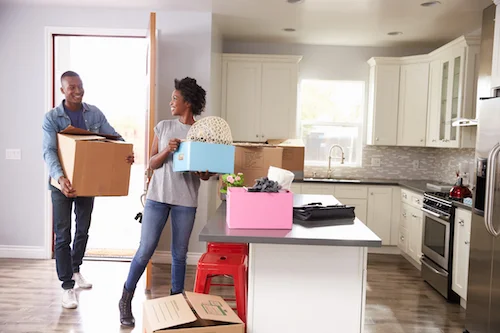
Relocating to a new home is an important life event that can bring exciting opportunities, improved living conditions, and a fresh start for individuals and families. However, preparing for a move involves numerous responsibilities, including organizing belongings, packing furniture, arranging transportation, updating important documents, and coordinating schedules. Without a clear plan, these tasks can become overwhelming and lead to unnecessary expenses or delays. Understanding the essential steps involved in relocation helps households remain organized, protect their possessions, and make the transition more comfortable. A successful move begins with careful preparation and continues through packing, transportation, unloading, and settling into the new property. Creating a realistic timeline, establishing a suitable budget, and identifying potential challenges early can make the entire process easier to manage. Local moving can offer greater flexibility because the distance between properties is usually shorter, but careful coordination is still necessary to ensure belongings are transported safely. By following practical strategies and making informed decisions, households can reduce stress, save time, and enjoy a more organized relocation experience.
Create a Detailed Moving Checklist
Preparing a checklist several weeks before moving day is one of the most effective ways to organize responsibilities. Begin by choosing a suitable relocation date and listing the tasks that need to be completed before, during, and after the move. These tasks may include sorting possessions, purchasing packing materials, arranging transportation, notifying utility providers, and completing property handover requirements. Dividing larger responsibilities into smaller steps makes the process easier to manage and helps prevent important details from being overlooked. A well-structured checklist should also include tasks specific to the property and household. For example, residents may need to reserve an elevator, arrange parking, confirm access arrangements, or coordinate with building management before transporting furniture. Families with children or pets may need additional plans to keep everyone comfortable and safe during the move. When hiring professional movers, provide accurate information about furniture sizes, fragile belongings, stairs, and narrow entrances. Preparing these details early helps everyone involved understand their responsibilities and reduces the likelihood of unexpected complications.
Establish a Realistic Moving Budget
Relocation expenses can vary according to the amount of furniture, transportation requirements, labor costs, packing supplies, and additional services. Common expenses include professional assistance, vehicle rental, protective wrapping, temporary storage, cleaning materials, and possible building fees. Preparing a budget before confirming arrangements helps households understand their financial commitments and avoid unexpected costs. It is also sensible to reserve additional funds for situations that require extra labor, replacement supplies, or adjustments to the original schedule. Comparing written estimates from different service providers can help identify a suitable option without compromising reliability. Each estimate should explain the services included, expected timing, payment terms, and any additional charges that may apply. Local moving costs may depend on the number of workers required, the time needed to complete the job, and the difficulty of accessing either property. Customers should ask whether packing, furniture disassembly, loading, unloading, and protective materials are included in the quoted price. Reviewing these details carefully makes it easier to choose a service that fits both the household’s needs and its budget.
Declutter Your Home Before Packing
Before packing begins, take time to review household belongings and identify items that are no longer useful. Clothing that no longer fits, outdated electronics, duplicate kitchen equipment, unused decorations, and unnecessary furniture can occupy valuable space during transportation. Removing these possessions reduces the number of boxes that must be packed and carried, making the relocation easier to organize. Decluttering may also lower transportation expenses and reduce the amount of work required when arranging belongings in the new home. A simple sorting system can divide possessions into categories such as keep, donate, sell, recycle, and discard. Working through one room at a time makes the process less overwhelming and allows residents to make thoughtful decisions. Items in good condition may be donated to charitable organizations or sold through appropriate channels, while damaged belongings should be disposed of responsibly. Important documents, sentimental keepsakes, and valuable possessions should receive special attention before anything is removed. Completing this task early creates a more organized packing process and allows households to begin their next chapter with fewer unnecessary belongings.
Choose Appropriate Packing Materials
Using suitable packing materials is essential for protecting household belongings during transportation. Strong cardboard boxes, packing tape, protective wrapping, cushioning materials, and permanent markers are useful supplies for most relocations. The size and strength of each box should match its contents because heavy objects can become difficult to carry when packed in oversized containers. Smaller boxes are generally more practical for books, tools, and other heavy items, while larger containers can accommodate lightweight belongings such as bedding, towels, and cushions. Fragile possessions require additional protection to reduce the risk of breakage. Glassware, dishes, mirrors, decorative objects, and electronics should be wrapped appropriately and placed in containers that prevent excessive movement. Boxes should be filled securely without becoming overloaded, and their contents should be labeled clearly to simplify handling and unpacking. Preparing enough supplies before packing begins prevents interruptions and helps maintain a consistent routine. Reusing suitable boxes and protective materials can also reduce expenses while supporting more responsible waste management.
Protect Furniture and Household Appliances
Furniture can present significant challenges during relocation because large items must often pass through narrow doorways, hallways, staircases, and elevators. Measuring major furniture pieces and access routes before moving day helps identify potential problems in advance. Whenever appropriate, detachable components such as table legs, shelves, bed frames, and cushions can be removed to make handling easier. Small hardware should be stored in labeled bags so that furniture can be reassembled without unnecessary searching. Protective blankets, furniture covers, straps, and corner guards can help prevent scratches, dents, and other damage during transportation. Appliances may require additional preparation, including cleaning, disconnecting utilities, and securing loose components according to manufacturer instructions. Heavy or unusually shaped items should be assessed before lifting so that suitable equipment and enough workers are available. Local moving may involve a shorter journey, but furniture can still be damaged during loading, unloading, or movement through restricted spaces. Proper preparation and careful handling help preserve valuable household possessions and reduce the risk of expensive repairs.
Select a Reliable Moving Company
Choosing a dependable service provider can make the relocation process significantly easier, especially when heavy furniture, fragile possessions, or limited access create additional challenges. Customers should research available companies, review customer feedback, and verify relevant licensing and insurance requirements where applicable. Recommendations from friends, relatives, or trusted colleagues can provide a useful starting point, but every provider should still be evaluated according to its experience, communication, and service quality. A reliable company should explain its procedures clearly and answer questions about the planned relocation. Before confirming a booking, request a written estimate that outlines the services included, the expected schedule, and any additional charges that may apply. Ask whether the price covers loading, transportation, unloading, furniture disassembly, and protective materials. It is also important to understand how the company handles delays, damaged belongings, and unexpected access problems. Professional movers should communicate clearly about payment terms and customer responsibilities before work begins. Comparing reliability, experience, and pricing helps households make informed decisions and avoid service providers that offer unclear terms or unrealistic promises.
Organize Moving Day in Advance
The final days before relocation should focus on completing outstanding tasks and ensuring that everything is ready for transportation. Most belongings should be packed before the scheduled date, leaving only essential items available for daily use. Confirm the arrival time with the service provider, review building access arrangements, and make sure that parking or elevator reservations are in place where necessary. Keeping important documents, keys, phone chargers, and contact information accessible can also prevent unnecessary confusion. Prepare a separate essentials bag containing toiletries, medications, drinking water, snacks, a change of clothing, and other items required during the first day. Keeping these necessities separate from general household boxes prevents frustration when something is needed immediately. Residents should also identify fragile belongings and explain any special handling requirements before loading begins. When arranging local moving services, clear communication about arrival times, parking arrangements, and access restrictions helps reduce delays and supports a more organized schedule. A final walkthrough of the property ensures that cupboards, closets, storage areas, and balconies have been checked before departure.
Coordinate Transportation and Property Access
Even a short-distance relocation requires careful coordination of transportation and access. Narrow streets, limited parking, restricted loading zones, and shared entrances may affect where a vehicle can stop and how belongings are carried. Customers should assess these conditions before the scheduled date and communicate any concerns to the service provider. Confirming parking availability and checking building requirements can help prevent unnecessary waiting and reduce disruption to other residents. The vehicle should have sufficient capacity to accommodate the shipment without unsafe stacking or excessive pressure on fragile belongings. Heavy furniture should be secured properly, while boxes should be arranged to reduce movement during travel. Customers should also consider whether the new property has stairs, narrow hallways, or doorways that could complicate unloading. Experienced movers can help coordinate loading and delivery according to the practical requirements of the relocation. Careful preparation ensures that a relatively simple journey does not become complicated by avoidable access or handling problems.
Protect Fragile and Valuable Possessions
Some belongings require additional care because of their financial value, delicate construction, or personal significance. Artwork, mirrors, glassware, computers, musical instruments, and collectibles should be packed with suitable protective materials and handled according to their specific requirements. Each item should be evaluated individually to determine whether specialized packaging or separate handling is necessary. Fragile boxes should be clearly labeled, and heavy objects should never be placed on top of belongings that could break under pressure. Important documents, jewelry, cash, medications, and irreplaceable personal items are often best kept with the owner rather than packed with general household goods. Customers may also prepare an inventory of valuable possessions and take photographs before relocation when appropriate. Electronic equipment should be prepared according to manufacturer recommendations, with cables and accessories organized in labeled bags. It is worth discussing insurance options and coverage limitations with the moving company before confirming the booking. These precautions help reduce risks and make it easier to identify concerns if an item arrives damaged or goes missing.
Complete Utility Arrangements and Address Updates
Administrative responsibilities are an important part of relocation and should be completed alongside packing and transportation arrangements. Electricity, water, gas, internet, and other essential services may need to be transferred, activated, or disconnected according to the moving schedule. Arranging these changes in advance helps ensure that the new property is ready for occupancy. Customers should confirm appointments, retain relevant account details, and check that essential services are working properly after arrival. Address updates should also be communicated to banks, insurance providers, employers, subscription services, and other organizations that require current contact information. Mail forwarding may be useful for preventing important correspondence from reaching the previous property. Residents should review lease agreements, security deposit requirements, and move-out procedures before returning keys. Keeping records of confirmations and receipts makes it easier to resolve administrative questions later. Completing these tasks systematically helps prevent missed correspondence, interrupted services, and unnecessary complications after the physical relocation has finished.
Prepare the New Home Before Arrival
Before belongings are unloaded, inspect the new property to confirm that it is clean, accessible, and ready for occupancy. Check the condition of floors, walls, doors, windows, cupboards, and appliances, and document any existing damage when appropriate. Identifying maintenance concerns before furniture is placed inside makes it easier to report problems and prevents misunderstandings later. It is also useful to verify that essential utilities are functioning and that the property has enough space for the planned furniture arrangement. Planning furniture placement in advance can save time and effort during unloading. Measure rooms, doorways, and storage areas to determine where larger items will fit comfortably. Identify the intended locations for beds, sofas, tables, and storage units so that movers can place them directly in the correct rooms. Boxes should be labeled clearly and delivered to their designated areas to reduce unnecessary handling. Preparing the property before arrival makes unpacking easier and allows residents to establish a functional living environment more quickly.
Unpack and Organize Your Belongings
Unpacking becomes easier when it is completed according to a clear order of priority. Begin with essential belongings such as bedding, toiletries, kitchen basics, medications, and equipment needed for work or study. These items help restore everyday routines and make the first evening more comfortable. Placing boxes in their designated rooms according to their labels prevents clutter from spreading throughout the property and makes it easier to identify what should be unpacked first. Once the essential areas are functional, continue unpacking one room at a time. Organize frequently used items where they are easy to reach and place seasonal or rarely used belongings in suitable storage areas. Furniture arrangements can be adjusted gradually as residents become familiar with the available space. Packing materials should be collected and reused, recycled, or disposed of responsibly to keep pathways clear. A gradual approach makes it easier to create a comfortable home without feeling overwhelmed by the amount of work remaining.
Avoid Common Relocation Mistakes
One of the most common mistakes is leaving packing and preparation until the final few days before the scheduled move. Rushed decisions can lead to damaged belongings, forgotten possessions, disorganized boxes, and unnecessary expenses. Another frequent problem is underestimating the volume of furniture and household goods that must be transported. Providing incomplete information when requesting an estimate may result in insufficient vehicle space, unexpected charges, or additional trips. Customers should also avoid selecting a service provider without checking its reputation, insurance arrangements, and written terms. Poor labeling, inadequate packing materials, and failure to confirm access requirements can create further complications. Forgetting to arrange utilities, update addresses, or complete property handover procedures may cause problems after the move. These issues can often be reduced through early preparation, accurate information, and a detailed checklist. Reviewing every stage in advance helps residents identify missing tasks and resolve problems before they disrupt the relocation.
Maintain Safety Throughout the Moving Process
Safety should remain a priority during packing, loading, transportation, and unloading. Heavy furniture can cause injuries when lifted incorrectly, while sharp tools, loose materials, and cluttered pathways create additional hazards. Residents should avoid lifting objects that exceed their physical capabilities and should use suitable equipment when handling heavy or awkward belongings. Children and pets should be kept away from active loading areas to reduce distractions and prevent accidents. Professional teams should follow appropriate lifting techniques, use protective equipment, and secure belongings correctly inside the vehicle. Pathways should remain clear, and fragile items should be handled according to their specific requirements. Weather conditions may also affect safety, particularly when rain creates slippery surfaces or reduces visibility. Customers should communicate concerns promptly and avoid rushing tasks simply to meet a deadline. Careful attention to safety protects everyone involved and reduces the possibility of injuries or property damage.
Conclusion
Preparing a household for relocation requires careful planning, practical organization, and attention to detail throughout the entire process. From creating a realistic budget and decluttering belongings to selecting a reliable service provider and preparing the new property, every stage contributes to a smoother experience. Although shorter relocations may involve less travel, organizing transportation, protecting furniture, managing paperwork, and coordinating access still require thoughtful preparation. Following a structured plan helps reduce unnecessary expenses, prevent common mistakes, and protect valuable possessions. By choosing experienced movers, preparing belongings properly, and communicating clearly about scheduling and access requirements, households can make the transition more manageable. A checklist, realistic timeline, and organized unpacking strategy provide additional support throughout the relocation. With the right preparation, local moving can become a more efficient and less stressful experience, allowing individuals and families to settle into their new homes comfortably. Taking a thoughtful approach to each stage creates a strong foundation for a successful transition and a more organized beginning in the new living space.
Author

thedailygurdian@gmail.com
Related Posts

Commercial Roof Replacement: A Protecting Your Property and Improving Building Performance
- 0
- 3,701 words
Introduction Maintaining a commercial property requires regular attention to structural conditions, building materials, and essential maintenance systems. Among these responsibilities, the roof...
Read out all
Trenchless Sewer Line Repair: A Modern Solution for Efficient and Long-Lasting Pipe Restoration
- 0
- 3,280 words
Maintaining a properly functioning sewer system is essential for residential, commercial, and industrial properties. Sewer lines transport wastewater away from buildings and...
Read out all
Franchise Resale: A Complete Guide to Buying, Selling, and Maximizing the Value of an Established Franchise Business
- 0
- 3,381 words
Introduction Starting a business from the ground up can be an exciting opportunity, but it also involves considerable planning, financial investment, uncertainty,...
Read out all
Stone Veneer: Enhance Your Property with Elegant, Durable, and Versatile Wall Finishes
- 0
- 3,540 words
Introduction Creating an attractive and welcoming property involves choosing materials that combine visual appeal, durability, and long-term functionality. Exterior and interior walls...
Read out all
Driveway Gate Installation: Enhancing Property Security, Privacy, and Curb Appeal
- 0
- 2,934 words
A driveway gate is an important addition to any residential or commercial property because it provides controlled access, improves security, and creates...
Read out all
Drain Cleaning: Essential Solutions for Maintaining a Clean and Efficient Plumbing System
- 0
- 3,313 words
Introduction A properly functioning drainage system is essential for maintaining a clean, comfortable, and hygienic property. Whether in a residential home, commercial...
Read out all