
- 0
- 2,251 words
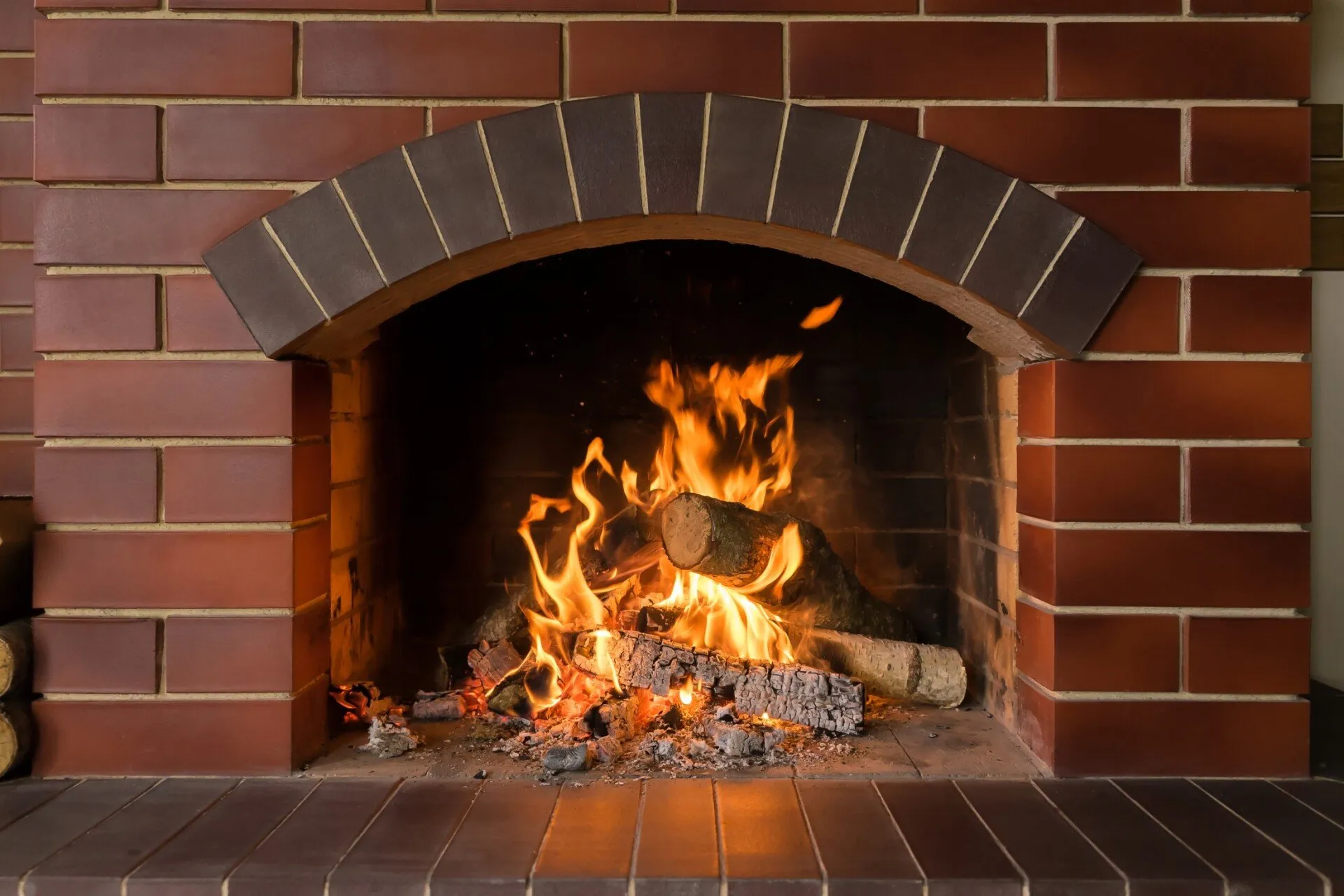
A fireplace can add warmth, comfort, and character to a home, but maintaining it properly is essential for safe and reliable operation. Over time, burning wood and other fuels can produce soot, creosote, and residue that accumulate inside the chimney and ventilation system. These deposits may restrict airflow and increase the risk of a chimney fire if they are allowed to build up. Regular inspections, responsible fireplace use, and appropriate maintenance help homeowners protect their property while keeping their heating systems in good working condition. Understanding the importance of chimney care allows property owners to recognize potential problems early and take practical steps to maintain a comfortable indoor environment throughout the heating season.
Understanding the Importance of Chimney Maintenance
A chimney provides a pathway for smoke and combustion gases to escape from a building safely. When a fireplace operates correctly, the chimney supports proper airflow and directs unwanted byproducts outdoors instead of allowing them to enter living spaces. However, soot, creosote, animal nests, leaves, and other obstructions can interfere with this process. A neglected chimney may develop ventilation problems that affect fireplace performance and create potentially dangerous conditions for household occupants. Regular chimney cleaning helps remove accumulated deposits and allows professionals to examine the system for visible signs of deterioration. Maintenance can also reveal cracked masonry, damaged liners, loose components, and moisture-related problems that might otherwise remain unnoticed. Addressing these concerns early can reduce the likelihood of expensive repairs and help preserve the chimney’s structural condition. A consistent maintenance schedule is especially important for households that use wood-burning fireplaces frequently or rely on fuel-burning appliances for supplemental heating.
Recognizing Creosote and Soot Buildup
Creosote is a combustible substance that forms when certain compounds in wood smoke cool and condense along the inner surfaces of a chimney. Its accumulation depends on several factors, including the moisture content of the wood, combustion temperature, airflow, and chimney design. Creosote may appear as loose flakes, sticky deposits, or a hard, glazed coating that can be more difficult to remove. Because creosote can ignite under certain conditions, significant buildup increases the potential for a chimney fire. Soot is another byproduct of combustion that can collect inside the flue and around the fireplace opening. Although soot and creosote are related, they have different characteristics and may require different cleaning approaches. A fireplace that appears relatively clean from the room may still have deposits higher inside the chimney, where they cannot be easily seen. A professional inspection helps determine the amount and type of residue present and whether the system needs cleaning, repairs, or further assessment.
Signs That Your Chimney Needs Professional Attention
Several warning signs may indicate that a chimney requires maintenance. Persistent smoky odors, smoke entering the room, difficulty maintaining a fire, or visible deposits falling into the fireplace can suggest an issue with airflow or accumulated residue. Homeowners should also look for cracked bricks, crumbling mortar, water stains, rust on metal components, and damaged areas around the chimney’s exterior. These symptoms may have different causes, so identifying the underlying problem is important before deciding which repairs are necessary. Unusual sounds or evidence of animals entering the chimney should also be taken seriously. Birds and small animals may build nests inside an unprotected flue, creating obstructions that interfere with ventilation. A damaged damper or deteriorated chimney liner can also affect the system’s performance. If smoke begins entering the living space or a blockage is suspected, the fireplace should not be used until the problem has been assessed by a qualified professional. Recognizing warning signs early can help reduce risks and prevent additional damage.
What Happens During a Professional Cleaning Service?
A professional service typically begins with an assessment of the fireplace, chimney opening, and accessible components. The technician checks for visible damage, identifies potential obstructions, and evaluates the condition of the flue before deciding which cleaning methods are appropriate. Depending on the system, the work may involve specialized brushes, suitable vacuum equipment, protective coverings, and inspection tools designed to remove deposits while limiting the spread of dust and debris inside the property. During chimney cleaning, accumulated soot and creosote are removed from the relevant areas of the flue and fireplace system. The technician may also inspect accessible components such as the damper, firebox, chimney cap, and other features that influence safe operation. Cleaning does not automatically resolve structural defects or ventilation problems, so additional repairs may be recommended when necessary. Homeowners should ask what the service includes and request an explanation of any concerns discovered during the visit. A clear report can help them understand the condition of the system and plan future maintenance.
Preparing Your Fireplace Before a Service Appointment
Preparing the work area can help a technician complete the appointment efficiently and reduce the likelihood of soot affecting nearby belongings. Furniture, decorations, and fragile items should be moved away from the immediate fireplace area when practical. The fireplace must be completely cool before work begins, because ashes and embers may retain heat long after a fire appears to have gone out. Homeowners should avoid handling hot or potentially smoldering material and allow sufficient time for the system to cool safely. It is also helpful to share information about the fireplace’s age, fuel type, operating history, and any problems noticed during recent use. Persistent odors, smoke entering the room, or changes in draft may help the technician determine which areas need closer examination. Pets and children should remain away from the work area while tools and equipment are being used. Preparing the space and communicating concerns in advance can make the appointment smoother and help ensure that important details receive appropriate attention.
Choosing the Right Cleaning Professional
Selecting a qualified professional is an important part of maintaining a chimney properly. Homeowners should look for relevant training, suitable insurance, experience with the type of fireplace installed, and a clear description of the services offered. A dependable technician should explain the inspection process, identify visible problems, and provide recommendations based on the system’s actual condition. Written estimates and service records make it easier to understand the work performed and compare different providers. Before scheduling an appointment, property owners should ask whether the service includes a visual inspection, flue cleaning, debris removal, and a written summary of findings. The precise scope may vary depending on the chimney’s design, accessibility, and condition. Homeowners should also clarify whether additional repairs or specialized inspections will cost extra. A trustworthy provider should explain these details without pressuring customers into unnecessary work. Comparing qualifications and service descriptions helps homeowners choose a professional who prioritizes safety, appropriate workmanship, and clear communication.
Understanding Different Chimney Types
Chimneys are constructed in different ways, and their maintenance requirements depend on the materials, fuel source, and heating appliance involved. Traditional masonry chimneys are commonly built from brick or stone and may include a liner designed to protect the surrounding structure from heat and combustion products. Factory-built metal chimneys use manufactured components that must be maintained according to the system’s specifications. Each design has particular installation requirements, clearances, and repair considerations that should be understood before cleaning or maintenance begins. Fuel type also influences the cleaning process. Wood-burning fireplaces can produce soot and creosote, while gas appliances may require inspection for venting problems, damaged components, and obstructions. Pellet stoves and other specialized heating systems have their own maintenance requirements. Homeowners should follow the manufacturer’s instructions and seek qualified assistance when they are uncertain about the appropriate procedure. Using a cleaning method intended for a different type of chimney can damage components or leave important areas untreated, so the service should always match the system being maintained.
Preventing Moisture Damage and Structural Deterioration
Moisture is a common cause of chimney deterioration because water can enter through damaged caps, cracked crowns, worn flashing, or porous masonry. Repeated exposure can weaken mortar joints, stain interior surfaces, corrode metal components, and contribute to deterioration during freezing conditions. Water entering the chimney may also create unpleasant odors and damage nearby walls or ceilings. Regular inspections help identify potential entry points before moisture causes extensive problems that require more complicated repairs. Preventive measures should be selected according to the chimney’s design and condition. A suitable chimney cap can help reduce the entry of rain, leaves, and animals, while properly maintained flashing helps protect the junction between the chimney and roof. Damaged mortar and masonry should be repaired using compatible materials, and any waterproofing treatment should be appropriate for the structure. Homeowners should avoid applying unsuitable sealants that could interfere with the natural movement of moisture through masonry. Professional advice can help determine which repairs will provide effective protection without creating additional problems.
Maintaining Proper Ventilation and Airflow
Proper airflow is essential for the safe operation of fireplaces and other fuel-burning appliances. A chimney must provide an appropriate route for combustion gases to escape, while the appliance and building need adequate air for proper operation. Blockages, damaged liners, cold flues, and certain ventilation conditions can contribute to poor draft. These issues may cause smoke to enter living spaces, make fires difficult to maintain, or prevent the heating system from operating as intended. If a fireplace repeatedly produces smoke indoors, homeowners should avoid relying on quick adjustments without identifying the cause. The problem may involve a blocked flue, a damaged damper, insufficient air supply, or another condition that requires professional assessment. Carbon monoxide is an invisible, odorless gas that can result from incomplete combustion, making working carbon monoxide alarms essential in homes with fuel-burning appliances. Alarms should be installed and maintained according to manufacturer instructions and applicable safety guidance. Anyone who suspects carbon monoxide exposure should leave the affected area immediately and contact emergency services.
How Often Should a Chimney Be Inspected?
The appropriate inspection schedule depends on the type of chimney, fuel used, frequency of operation, and the system’s overall condition. In the United States, the National Fire Protection Association’s commonly cited guidance recommends that chimneys, fireplaces, and vents be inspected at least once a year and cleaned, maintained, or repaired as necessary. Local requirements and manufacturer instructions may differ, so homeowners should confirm the recommendations that apply to their particular equipment. An annual inspection does not mean every chimney requires the same amount of cleaning. Some systems accumulate deposits more quickly than others, while certain chimneys may need repairs or more frequent attention because of heavy use or unusual conditions. Changes in fireplace performance, visible structural damage, water intrusion, or suspected obstructions may justify an inspection sooner. Keeping records of previous inspections, cleaning appointments, and completed repairs helps homeowners monitor the system’s condition and make better maintenance decisions.
Safe Practices for Everyday Fireplace Use
Responsible fireplace operation helps reduce unnecessary residue and supports safer heating. Wood-burning fireplaces should be used with suitable, properly seasoned firewood, while treated, painted, or chemically contaminated wood should never be burned as ordinary fuel. Burning unsuitable materials can release harmful substances and create excessive deposits. Homeowners should follow the appliance manufacturer’s instructions, avoid overloading the firebox, and never leave a fire unattended. Ashes should be handled carefully and placed in an appropriate metal container with a secure lid, positioned away from combustible materials. Even ashes that appear cold may contain hidden embers, so safe handling and storage are essential. Combustible objects should remain at the required distance from the fireplace, and suitable protective screens should be used where appropriate. Children and pets should be supervised around hot surfaces. These precautions complement professional maintenance but do not replace inspections, necessary cleaning, or repairs.
Understanding the Long-Term Value of Regular Maintenance
Routine maintenance can help homeowners identify minor problems before they become more expensive to correct. Removing accumulated deposits, addressing moisture entry, and repairing damaged components can protect the chimney and surrounding building materials. A properly maintained system may also perform more consistently, although its efficiency depends on the appliance, fuel, ventilation, and overall condition. Regular attention helps homeowners plan repairs instead of waiting for unexpected problems during periods of heavy use. The cost of service varies according to chimney height, construction, accessibility, the type of appliance, and the amount of work required. A straightforward cleaning appointment may involve different tasks from an inspection of a heavily obstructed or damaged chimney. Homeowners should request a clear estimate and confirm which services are included before approving additional work. Comparing providers based on qualifications, inspection practices, and written recommendations is generally more useful than choosing a service solely because it offers the lowest price. Careful planning helps protect the property while making maintenance expenses more predictable.
Conclusion
Maintaining a chimney is an important responsibility for anyone who uses a fireplace or another fuel-burning heating appliance. Regular inspections, appropriate cleaning, safe fuel practices, and prompt repairs help manage the risks associated with creosote, soot, poor ventilation, and structural deterioration. Understanding common warning signs allows homeowners to arrange professional assistance before minor issues become more serious. A well-planned maintenance routine also helps protect the building and supports a more dependable heating experience. Chimney cleaning is an essential part of responsible fireplace care because it removes accumulated deposits and creates an opportunity to identify visible maintenance concerns. However, lasting safety also depends on proper ventilation, compatible repairs, working carbon monoxide alarms, and responsible daily use. By scheduling inspections, following manufacturer recommendations, and choosing qualified professionals, homeowners can protect their property and maintain their fireplaces more confidently. Consistent care helps preserve the chimney’s condition and supports a comfortable indoor environment over the long term.
Author

thedailygurdian@gmail.com
Related Posts

Startup Booted Fundraising Strategy: A Complete Guide to Building and Growing a Business Without External Investment
- 0
- 2,701 words
Starting a business is an exciting journey, but finding enough money to turn an idea into a successful company can be challenging....
Read out all
Manga District: Exploring the World of Manga, Online Reading, and Japanese Comics
- 0
- 2,182 words
Introduction Manga has become one of the most popular forms of entertainment worldwide. What started as a distinctive Japanese storytelling tradition has...
Read out all
Malaysian Assurance Alliance: History, Growth, Insurance Services, and Its Connection to Zurich
- 0
- 2,699 words
The Malaysian insurance industry has experienced significant growth and transformation over the years. Several companies have contributed to this development by introducing...
Read out all
Colegia: Understanding Its Meaning, Features, Benefits, and Growing Importance in the Digital World
- 0
- 2,232 words
Introduction The internet has introduced countless new words, platforms, services, and concepts that influence how people communicate, learn, and access information. One...
Read out all
Playground Equipment: Creating Safe, Engaging, and Fun Outdoor Play Spaces for Children
- 0
- 2,914 words
Outdoor play is an essential part of childhood development, providing children with opportunities to explore, learn, socialize, and develop important physical and...
Read out all
Professional Fire and Water Damage Restoration: Bringing Damaged Properties Back to Life
- 0
- 3,350 words
Unexpected property damage can create serious challenges for homeowners, business owners, and property managers. Fires, plumbing failures, flooding, storms, and appliance malfunctions...
Read out all