
- 0
- 1,108 word
If some rooms feel stuffy while others are chilly, or your vents are loud but the house still does not feel right, the issue often traces back to airflow and static pressure in the ductwork rather than the box of equipment itself. High-efficiency furnaces and heat pumps can only perform as designed when the blower can move the right amount of air through filters, coils, grilles, and ducts. Understanding how pressure and airflow interact helps homeowners spot problems earlier and ask for fixes that deliver real comfort.
- How Static Pressure Works in a Forced-Air System
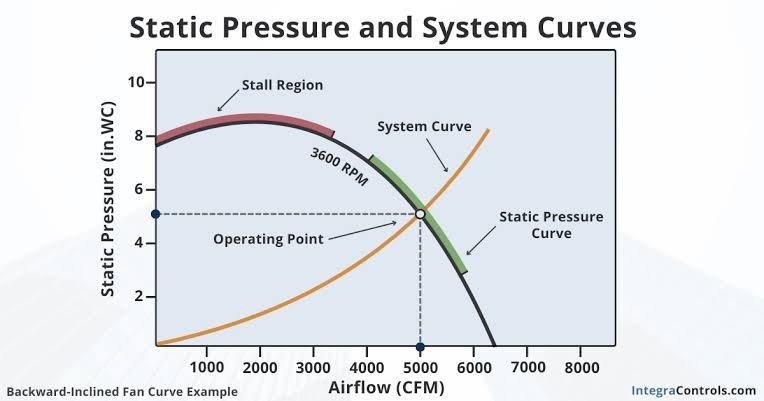
Ask a contractor such as O’Brien Heating & Air Conditioning about airflow, and you will hear the term external static pressure. This is the resistance the blower must push against from the return grille through the filter and evaporator coil to the supply registers. Manufacturers publish a maximum external static pressure and a fan curve that shows how much airflow the blower can deliver at different pressures. If the total resistance is too high, airflow drops and the system cannot heat, cool, or dehumidify as intended.
Think of total static pressure as the sum of many small pressure drops. The filter, the indoor coil, the return plenum, long runs of flex duct with sharp bends, and restrictive supply registers all add resistance. Air conditioning typically targets a few hundred cubic feet per minute of airflow per ton of cooling. Too little airflow lowers coil temperature and can cause icing. Too much airflow can leave the air cool but clammy because the system removes less moisture.
- The Everyday Culprits That Drive Pressure Too High
Filters are the most common culprit. A 1-inch high-MERV filter can be very restrictive as it loads with dust, especially in a small return grille. The result is a big pressure drop right at the cabinet. Upgrading to a deeper 4- or 5-inch media filter increases surface area, which lowers resistance while still improving air quality. Dirty indoor coils also add unexpected restriction. A lightly fouled coil can behave like a permanently dirty filter, quietly robbing airflow all year.
Duct layout matters as much as equipment. Undersized return ducts, too few return grilles, crushed or kinked flex duct, and tight-radius elbows without turning vanes all add static pressure. Decorative grilles with tiny openings look nice but can act like a throttle. Closing supply registers to”force” more air to another room is a common mistake that raises system pressure and often reduces total airflow. The blower works harder, gets louder, and delivers less conditioned air where you need it.
- What High Static Does to Cooling and Heating Performance
On the cooling side, reduced airflow drops evaporator coil temperature. The coil can begin to frost, then ice over, which further blocks airflow and can lead to longer run times and uneven rooms. Refrigerant returning too cold to the compressor may shorten its life. Another pattern shows up with variable-speed blowers: as static rises, the motor ramps harder to chase a target CFM, which increases noise and energy use. A realistic scenario is a homeowner swapping to a 1-inch MERV 13 filter and then hearing whistling at the return while bedrooms stay warm on hot afternoons.
For heating, furnaces are designed for a specific temperature rise across the heat exchanger. High static pressure starves airflow, pushing that temperature rise above the limit switch setting, which causes the furnace to shut down and restart repeatedly. That short cycling hurts comfort and stresses components. Heat pumps under low airflow deliver less heat per hour and may trigger auxiliary heat strips more often, raising utility costs. A common example is closing basement registers to force air upstairs; instead of more heat upstairs, the furnace hits its limit and stops early.
- Testing Airflow Correctly and Practical Ways to Fix It
Validation starts with measurement. A technician drills two small test ports, one on the return side and one on the supply side of the air handler, and reads external static pressure with a manometer. Comparing that total to the equipment rating shows whether the system is breathing freely. Checking pressure drop across the filter and coil identifies bottlenecks. Airflow can be estimated by matching the measured pressure to the blower’s fan table or by using the furnace temperature rise method. Room-by-room readings at supply registers help verify delivery where it matters.
Solutions are often straightforward. Increase filter surface area with a deeper media cabinet or larger return grille to cut resistance. Add return duct capacity in starved areas, and use radius elbows or turning vanes at sharp transitions. Straighten and support flex duct to avoid kinks and tight bends. Seal duct joints with mastic to prevent leakage that reduces delivered CFM. Set blower speed or adjust variable-speed profiles only after fixing restrictions, then confirm refrigerant charge on cooling systems using superheat or subcooling methods. When ducts are undersized, a proper redesign using Manual D principles can be the lasting remedy.
- Smart Trade-offs, Settings, and Ongoing Care
Every choice affects pressure and airflow. Higher-MERV filtration improves fine particle capture, but it must be paired with enough surface area to avoid a big pressure penalty. If allergies are a concern, a deep-media filter or a dedicated air cleaner is usually better than forcing a tight 1-inch filter into a small grille. In cooling season, a lower airflow per ton can help dehumidification, but go too low and the coil may ice. Zoning can improve control, yet closing too many dampers raises static; a well-designed zone system accounts for that with proper bypass strategy or static-pressure-controlled fan profiles.
Maintenance protects the fix. Replace filters on schedule and use the correct size. Keep return grilles clear of furniture and curtains. Have a technician inspect and clean the indoor coil if airflow symptoms appear after a renovation or a long construction project. If you change filter type, add a decorative grille, or finish a basement, ask for a quick static pressure check. Subtle signs like louder vents, frequent furnace limit trips, or persistent humidity are early warnings that airflow has drifted from the sweet spot.
Comfort depends on how much conditioned air actually reaches the rooms at the right speed and temperature, not only on the efficiency rating on the label. When you plan equipment upgrades, set aside budget and attention for ducts, filter cabinets, and return grilles. Ask for static pressure measurements and an explanation of the blower’s fan curve in plain language. Small adjustments, like a larger return or a different filter cabinet, can transform performance. With good testing and thoughtful duct improvements, your existing or new system can deliver quieter operation, steadier temperatures, and better humidity control.
Author

linguaezone.com@gmail.com
Related Posts

Complete Guide to Keeping Your Swimming Pool Clean, Safe, and Well Maintained
- 0
- 3,103 words
A swimming pool provides a comfortable place to relax, exercise, entertain guests, and enjoy quality time with family and friends. However, maintaining...
Read out all
Expand Your Living Space with a Thoughtfully Planned Home Addition
- 0
- 2,898 words
A growing household, changing lifestyle, or desire for greater comfort can make an existing home feel smaller than it once did. Families...
Read out all
Stump Grinding: An Effective Solution for Removing Tree Stumps and Restoring Outdoor Spaces
- 0
- 3,110 words
Trees play an important role in creating attractive landscapes, providing shade, improving air quality, and supporting the natural environment. However, when a...
Read out all
Emergency Pest Control: Effective Solutions for Fast Relief and Long-Term Protection
- 0
- 2,858 words
Pest infestations can create serious problems for homeowners, business owners, and property managers, especially when they appear unexpectedly or spread rapidly. From...
Read out all
Pool Resurfacing: Transform Your Swimming Pool with Durable Finishes and Professional Restoration
- 0
- 3,191 words
Introduction A swimming pool is more than just an attractive feature of a residential or commercial property. It provides a relaxing environment,...
Read out all
Hardscaping: Transforming Outdoor Spaces With Durable Design and Functional Features
- 0
- 3,328 words
Creating an attractive outdoor environment requires more than selecting beautiful plants, maintaining a healthy lawn, and adding colorful flowers. The structural elements...
Read out all