
- 0
- 1,038 word
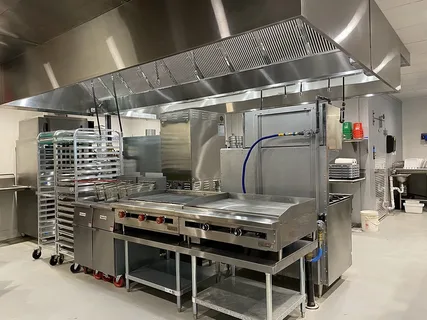
A commercial kitchen is one of the most expensive things a new restaurant buys. Ovens, fryers, extraction, cold rooms and dishwashers can run into tens of thousands of pounds before a single meal is served. For a café or a new pub, that is often more than the whole fit-out budget allows.
That is why catering equipment auctions have become a go-to for people opening on a budget, and a practical way for closing venues to recover value. This guide covers both sides.
Where Auction Kitchens Come From
The stock comes from a handful of places:
- restaurant closures and lease exits
- pub disposals
- hotel kitchen and bar refurbishments
- dark kitchen and ghost kitchen wind-downs
- contract caterers handing back a site
That variety matters. A hotel refurbishment may give you relatively recent appliances. A closure may give you a whole kitchen, from prep tables to extraction. When a venue has gone insolvent, its kitchen often goes through a liquidation auction UK, run for the practitioner or administrator.
What You Can Buy
Lots range from a single appliance to the contents of a full kitchen. Typical items include:
- combi ovens, convection and deck ovens
- ranges, grills, fryers and induction or gas equipment
- mixers and food preparation machines
- hot cupboards, bain-maries and servery counters
- upright and counter refrigeration and display chillers
- walk-in cold rooms, blast chillers and ice machines
- dishwashers and glasswashers
- bar equipment and stainless steel preparation tables
Why Buy at Auction?
The main reason is price. Equipment that is a few years old will usually do the same job as new, at a fraction of the cost. You are also buying from working venues, so you see real kitchens rather than showroom stock.
Auctions can also suit you if you need a lot at once. One sale can supply the cooking line, the refrigeration and the washing up for a new site, which saves ordering from a dozen suppliers.
What to Check Before You Bid
Think of it like buying a used car. The photograph shows the outside, so you have to ask about the inside:
- the make, model and age of each item
- whether it is gas, electric or three-phase, and whether your premises can supply it
- the dimensions, including the route into your kitchen
- water, drainage and ventilation needs
- refrigerant type and the condition of the compressor
- whether any manuals, keys or accessories are included
Safety and Certification
Do not assume anything has been tested. Safety testing, Gas Safe certification and F-gas compliance are often not supplied as standard at auction, so treat each item as needing the checks that suit its type and installation. Budget for a qualified engineer to inspect and commission gas and refrigeration equipment before it goes into service.
What It Really Costs
The hammer price is only part of the total. Add:
- the buyer’s premium
- VAT where it applies
- delivery or collection costs
- engineers for installation and testing
- repairs and replacement parts
If you add those up before you bid, you will know your real ceiling.
How Online Auctions Run
Sales are timed, with each lot closing at a published time. Most use a soft close, so a late bid extends the clock. You register as a business, bid online, and pay promptly if you win. Collection is arranged after payment, by appointment, from the venue. Large items such as cold rooms can need professional removal, so allow time for that.
A Sample Shopping List for a New Opening
If you are fitting out a small café or takeaway from auction stock, a starting list might be:
- a two or three burner range, or a combination oven
- a fryer and a griddle, if the menu needs them
- undercounter or upright refrigeration, sized to your menu
- a prep table with a stainless steel top and shelving
- a dishwasher or glasswasher, and a hand wash basin
- extraction and ventilation (check this one with an installer first)
Do not buy the whole list from one sale just because it is cheap. Buy what you can inspect, install and use.
Mistakes to Avoid
Most mistakes with auction kitchens come from skipping the practical checks, not from bidding too much.
- Buying equipment that needs three-phase power when your premises have single phase.
- Forgetting the width of the door or corridor the kit has to pass through.
- Assuming a working fridge in a photograph still works after being switched off for months.
- Ignoring the cost of an engineer to commission gas and refrigeration items.
- Bidding past a sensible maximum in the final minutes.
Questions to Ask Before You Register
Five questions will tell you what you need to know before you commit.
- Is the sale trade-only, and what do I need to register?
- What are the buyer’s premium and the VAT treatment on each lot?
- When must I pay, and when can I collect?
- Can I arrange a viewing, and by when?
- Who is the seller, and is the equipment sold as seen?
Frequently Asked Questions
Is used catering equipment safe to buy at auction? It can be, if you treat each item as needing the checks that suit its type. Safety testing, Gas Safe certification and F-gas compliance are often not supplied as standard.
What should I check on a used fridge or oven? Make and age, power type, dimensions, water and drainage needs, refrigerant and compressor condition, and whether keys, manuals and accessories are included.
Can I buy a whole kitchen at one sale? Often yes. Lots range from a single appliance to the contents of a complete kitchen, so one sale can supply cooking, refrigeration and washing up.
How do I sell my restaurant’s equipment at auction? Send an inventory and photographs, agree any reserve, and let the sale run. The sooner you start, the better, because idle kitchens lose value.
Selling Your Kitchen at Auction
If you are the one closing, an auction can bring a wide pool of buyers to equipment that would otherwise sit in a cellar. Send an inventory and photographs, agree any reserve, and let the sale run. The sooner you start, the better, because kitchens lose value once they stand idle. A good auctioneer will tell you which items are worth listing and which are not.
Author

fraz.ashraf@gmail.com
Related Posts

Commercial Roof Replacement: A Protecting Your Property and Improving Building Performance
- 0
- 3,701 words
Introduction Maintaining a commercial property requires regular attention to structural conditions, building materials, and essential maintenance systems. Among these responsibilities, the roof...
Read out all
Trenchless Sewer Line Repair: A Modern Solution for Efficient and Long-Lasting Pipe Restoration
- 0
- 3,280 words
Maintaining a properly functioning sewer system is essential for residential, commercial, and industrial properties. Sewer lines transport wastewater away from buildings and...
Read out all
Franchise Resale: A Complete Guide to Buying, Selling, and Maximizing the Value of an Established Franchise Business
- 0
- 3,381 words
Introduction Starting a business from the ground up can be an exciting opportunity, but it also involves considerable planning, financial investment, uncertainty,...
Read out all
Stone Veneer: Enhance Your Property with Elegant, Durable, and Versatile Wall Finishes
- 0
- 3,540 words
Introduction Creating an attractive and welcoming property involves choosing materials that combine visual appeal, durability, and long-term functionality. Exterior and interior walls...
Read out all
Driveway Gate Installation: Enhancing Property Security, Privacy, and Curb Appeal
- 0
- 2,934 words
A driveway gate is an important addition to any residential or commercial property because it provides controlled access, improves security, and creates...
Read out all
Drain Cleaning: Essential Solutions for Maintaining a Clean and Efficient Plumbing System
- 0
- 3,313 words
Introduction A properly functioning drainage system is essential for maintaining a clean, comfortable, and hygienic property. Whether in a residential home, commercial...
Read out all