
- 0
- 1,005 word
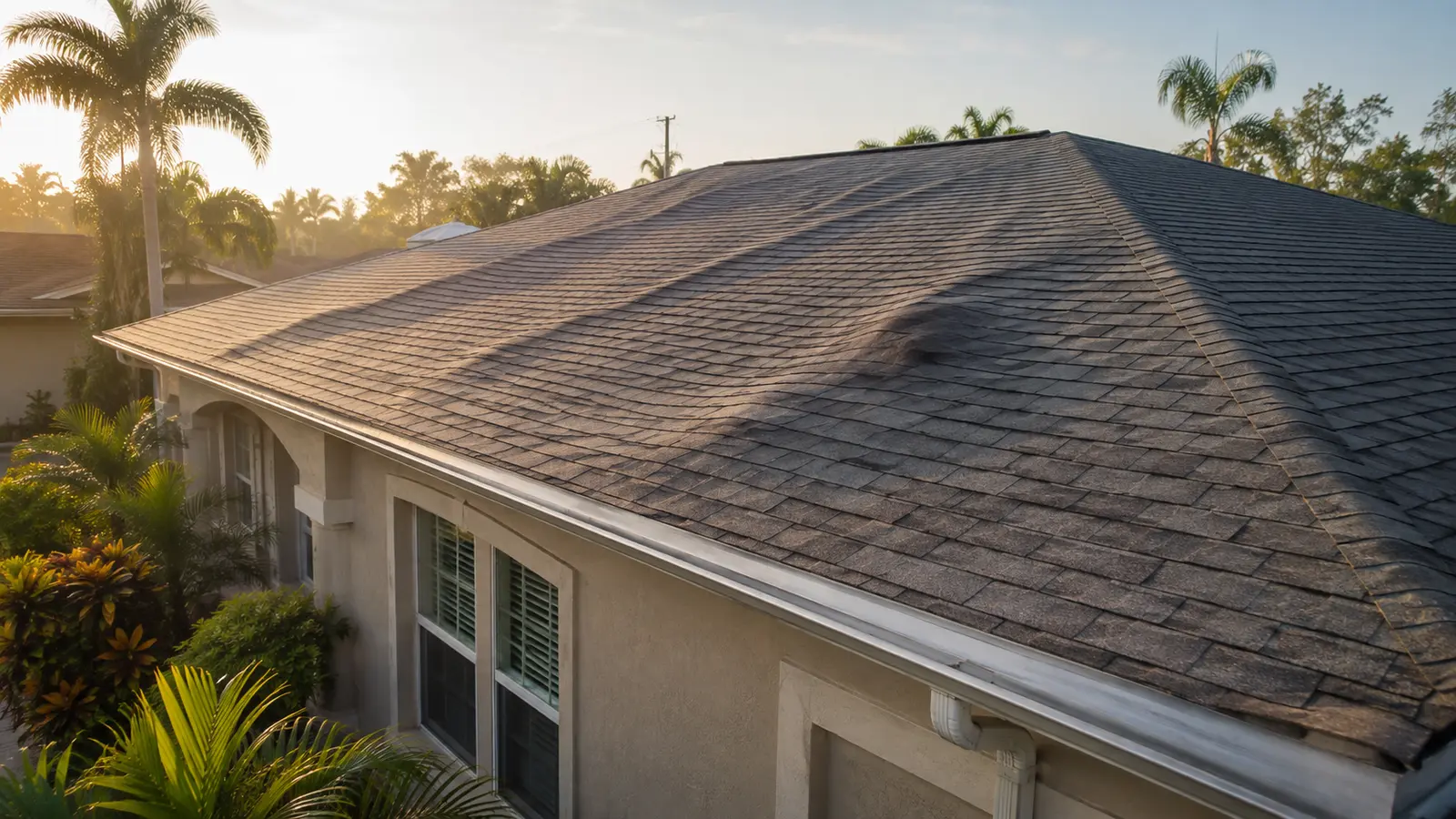
A new roof is a significant investment for any homeowner, promising improved protection, energy efficiency, and curb appeal. However, it can be concerning to notice that your newly installed roof appears wavy or uneven. This visual irregularity often raises questions about whether the installation was done correctly or if the roof will settle over time. Understanding the reasons behind a wavy appearance is crucial for homeowners who want to ensure their roof’s longevity and performance. By examining the common causes and distinguishing between normal settling and potential installation problems, you can make informed decisions about your roof’s condition and necessary next steps.
What to Expect from a New Roof
Common Causes of a Wavy Roof
A wavy appearance on a new roof can stem from several factors, and identifying the root cause is essential for determining whether action is needed. One of the most frequent reasons is the condition of the roof decking beneath the shingles. If the decking is uneven, warped, or contains moisture, it can create a rippled effect that becomes visible once the new shingles are installed. This is particularly common in older homes where the underlying wood may have deteriorated over time. Another contributing factor is the type of roofing material used. Some materials, such as asphalt shingles, are more flexible and can accentuate any imperfections in the surface below. Additionally, the installation process itself plays a significant role. If shingles are not properly aligned or if they are installed over an uneven surface, the result can be a roof that looks wavy from certain angles or in specific lighting conditions.
Installation Issues That Cause Waves
Improper installation is a leading cause of a wavy roof, and it can manifest in several ways. Roofers may sometimes rush the job or fail to follow manufacturer guidelines, leading to misaligned shingles or inadequate fastening. When shingles are not nailed down correctly or are placed too close together, they can buckle or lift, creating a visible wave pattern. Another installation issue involves the use of wet or damaged decking materials. If the wood beneath the shingles is not completely dry or is already compromised, it can shift or warp after the shingles are installed, causing the surface to appear uneven. Homeowners should also be aware that installing new shingles over old ones, rather than removing the previous layer, can exacerbate any existing irregularities. These installation mistakes not only affect the roof’s appearance but can also compromise its ability to protect your home from the elements. For those considering a roof replacement, understanding these potential pitfalls is just as important as comparing new roof pricing to ensure you receive quality workmanship.
Normal Settling and Temporary Waves
Not all waves or ripples in a new roof are cause for alarm. In many cases, what appears to be a problem is simply the result of normal settling and the natural adjustment of materials. After installation, shingles may need time to lay flat, especially if they were stored in a curled position or installed during cooler weather. As the sun warms the roof, the shingles soften and gradually conform to the surface beneath them. This process can take several weeks or even a few months, depending on the climate and the specific roofing materials used. During this period, minor waviness is often temporary and will resolve on its own as the roof acclimates. Homeowners should monitor the roof’s appearance over time, but immediate concern is usually unnecessary unless the waves persist or worsen.
When to Be Concerned About Waves
While some waviness is normal, there are situations where it signals a more serious issue that requires attention. If the waves are pronounced, widespread, or accompanied by other signs such as leaks, missing shingles, or sagging areas, it may indicate structural problems or significant installation errors. Persistent waviness that does not improve after a few months could mean that the decking is compromised or that the shingles were installed incorrectly. In these cases, it is important to consult a reputable roofing contractor who can assess the situation and recommend appropriate repairs. Ignoring these warning signs can lead to more extensive damage, higher repair costs, and potential safety hazards for your home.
The Role of Weather and Moisture
Weather conditions and moisture levels play a significant role in the appearance of a new roof. If the roof was installed during a period of high humidity or rain, the decking may have absorbed moisture, causing it to swell and create a wavy surface. As the wood dries out, it may contract and flatten, but in some cases, the damage is permanent. Temperature fluctuations can also affect the roofing materials, causing them to expand and contract. This movement can temporarily alter the roof’s appearance, especially in the first few months after installation. Homeowners should be aware of these environmental factors and allow time for the roof to adjust before drawing conclusions about its quality.
Quick Tips for Homeowners
If you notice your new roof looks wavy, take clear photos from different angles and monitor any changes over several weeks. Avoid walking on the roof, as this can worsen the issue or cause damage. If the waviness persists or you see other problems like leaks, contact a trusted roofing contractor for an inspection. Keeping records and acting promptly can help protect your investment and ensure your roof performs as expected.
Conclusion
A wavy appearance on a new roof can be unsettling, but it is not always a sign of poor workmanship or a serious problem. Understanding the difference between normal settling and installation issues is key to determining the appropriate response. While minor waves often resolve as the materials adjust to their environment, persistent or severe waviness may require professional evaluation and repair. By staying informed and attentive to your roof’s condition, you can ensure it continues to protect your home and maintain its value for years to come. Regular inspections and prompt action when concerns arise will help you get the most from your roofing investment.
Author

linguaezone.com@gmail.com
Related Posts

The Benefits of Professional Cleaning for Homes, Offices, and Commercial Spaces
- 0
- 2,429 words
Professional Cleaning for Homes Maintaining a clean and organized environment is essential for creating comfortable spaces where people can work, relax, and...
Read out all
Kitchen Renovation Ideas for Creating a Beautiful, Functional, and Modern Home
- 0
- 2,626 words
The kitchen is one of the most important areas of any home because it brings together cooking, dining, organization, and everyday family...
Read out all
Proven Techniques for Preserving Outdoor Decks and Creating a More Inviting Living Space
- 0
- 2,948 words
An outdoor deck is a valuable addition to any property because it provides a comfortable space for relaxing, entertaining guests, enjoying meals,...
Read out all
A Comprehensive Guide to Managing Household Chores and Maintaining a Beautiful Living Space
- 0
- 2,147 words
Maintaining a clean and beautiful home requires consistency, organization, and a practical approach to everyday household responsibilities. Dust, food particles, fingerprints, and...
Read out all
4 Accessible Home Improvement Financing Options That Work Without Any Home Equity
- 0
- 632 words
Key Takeaways Renovating or repairing your home often comes with a significant price tag. While traditional advice suggests tapping into home equity...
Read out all
Layered Lighting Ideas for Homes That Mix Classic and Modern Furnishings
- 0
- 821 words
In many homes, a carved wooden sideboard will stand next to a sleek glass coffee table in the same room. The combination...
Read out all