
- 0
- 721 words
Propane delivery requires specialized equipment to transfer liquefied petroleum gas between storage facilities and customer tanks. Each component serves a specific purpose, from regulating product flow to monitoring tank levels and managing transfer pressure. Propane suppliers use dedicated delivery systems, monitoring devices, safety equipment, and transfer connections to control these operations. Here is how these tools support safe propane delivery:
Delivery Truck Equipment
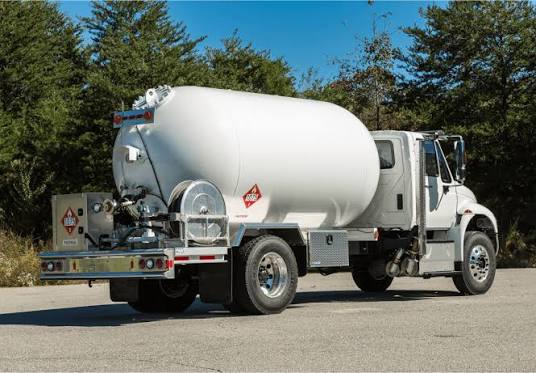
Propane delivery trucks use specialized tanks designed to store liquefied propane under pressure. These pressure vessels require approved fittings and safety devices suited to their operating conditions. Their construction helps contain the product during transportation, and properly secured tanks limit movement and exposure to physical damage. The truck chassis supports the weight of the tank and associated equipment. Heavy-duty suspension systems help distribute the load, and reinforced mounting points keep major components securely attached. Because propane delivery trucks carry substantial weight, their frames and axles must meet the vehicle’s load requirements.
Tank Level Monitoring Systems
A propane supplier uses tank monitoring equipment to estimate the amount of fuel remaining in a customer’s storage tank. Mechanical gauges indicate the approximate liquid level, and operators use these readings to assess refill needs. When compatible systems are installed, electronic monitoring devices transmit tank-level readings remotely, providing suppliers with additional information for service planning.
Pressure gauges serve a separate function by displaying pressure at designated points within a liquefied petroleum gas (LPG) system. Qualified personnel interpret these readings according to equipment specifications and operating conditions. Because pressure readings provide information about system conditions rather than fuel quantity, they are evaluated separately from liquid-level measurements. Accurate records of tank readings and deliveries also support service scheduling and help suppliers track changes in customer fuel consumption.
Propane Transfer Equipment
Transfer equipment connects the delivery truck to the receiving tank and directs the movement of propane during filling operations. Each connection must be suitable for LPG service and rated for its intended pressure and operating conditions. Before transferring propane, trained operators inspect the equipment and verify that all connections are compatible. These components serve different functions within the transfer system:
- Liquid transfer hoses carry liquid propane between the delivery truck and the receiving tank.
- Fill connections connect the delivery equipment to the tank’s designated filling connection.
- Transfer valves control or stop propane flow during transfer operations.
- Vapor return lines provide a path for vapor to flow between the receiving tank and delivery equipment in systems designed for vapor return.
- Bypass systems redirect pump flow according to the transfer equipment’s design and operating requirements.
Emergency Safety Equipment
Emergency equipment supports operator response during abnormal conditions involving propane delivery. Emergency shutoff systems stop product flow when activated; pressure relief valves protect designated equipment from excessive internal pressure. Vehicle placards identify hazardous materials during transportation, while suitable fire extinguishers provide equipment for fire response. When handling liquid propane, trained personnel use appropriate protective equipment to reduce the risk of cold burns caused by skin contact.
Delivery Connection Components
Equipment inspections help identify wear, deterioration, and other defects that require attention. Inspection personnel evaluate equipment condition, and they follow established procedures when assessing its suitability for continued use. The following tasks are key parts of a routine equipment inspection.
- Physical condition: Examine accessible surfaces for corrosion, cracks, deformation, and other visible signs of deterioration.
- Component security: Check mounting points, fasteners, and supporting hardware for looseness or improper installation.
- Leak testing: Conduct leak tests using approved methods and equipment suitable for propane systems.
- Performance testing: Verify that equipment operates within its specified tolerances and arrange servicing when test results fall outside acceptable limits.
- Maintenance documentation: Record inspection findings, identified defects, corrective work, and scheduled maintenance.
Inspection results help determine whether equipment remains suitable for service or requires corrective action. When defects are identified, qualified personnel complete the necessary repairs before the affected equipment returns to service. An accurate inspection record also provides a maintenance history, helping suppliers track recurring issues and plan future servicing.
Work With a Qualified Propane Supplier
Delivery equipment includes components with specific pressure ratings, connection requirements, and maintenance intervals. Inspection procedures establish how personnel check equipment condition and arrange necessary repairs. When selecting a propane supplier, ask about maintenance practices and the training of personnel responsible for delivery operations. Contact a qualified propane supplier to discuss delivery options, safety procedures, and more.
Author

khizarnisar367@gmail.com
Related Posts

How Real Estate Brands Can Build Buyer Trust Through Digital Marketing in Pune
- 0
- 583 words
Buying a property is a process which requires thorough research, planning and many decisions. Home buyers of today do not want just...
Read out all
Chief Technical Examiner: Roles, Responsibilities, Qualifications, and Career Opportunities
- 0
- 2,372 words
Introduction The role of a chief technical examiner is important in organizations that depend on technical accuracy, professional standards, quality control, and...
Read out all
Uecht: Exploring Its Meaning, History, Location, and Fascinating Connections
- 0
- 2,422 words
The word Uecht may look unfamiliar to many people, but it has several interesting connections to European geography, language, history, and astronomy....
Read out all
songoftruth.org: A Complete Guide to Its Purpose, Content, Features, and What Visitors Should Know
- 0
- 1,890 word
The internet provides countless websites designed to inform, educate, entertain, and inspire people. However, finding a platform that offers useful information in...
Read out all
Printely: Everything You Need to Know About Its Features, Uses, Benefits, and Growing Popularity
- 0
- 2,036 words
In today’s digital world, printing and design solutions continue to play an important role in personal, educational, and professional activities. From creating...
Read out all
Comerlin: Meaning, Origin, History, and Everything You Need to Know
- 0
- 2,006 words
Some words attract attention because they are unusual, unfamiliar, or difficult to identify. Comerlin is one such term. People searching for Comerlin...
Read out all