

- 0
- 1,135 word
An image can look convincing when viewed quickly and still feel wrong when someone takes a closer look. A glass may have an unusual reflection, a hand may appear awkwardly positioned, or a shadow may point in a direction that does not match the light source. These small inconsistencies can make an otherwise attractive visual feel artificial.
For creators who need believable imagery, using an ai image generator is therefore about more than choosing a subject and describing a style. The goal is to build a scene in which the objects, lighting, materials, and perspective all seem to belong together. Understanding these relationships helps you create stronger images and recognize when a result needs further work.
Begin with the Physics of an Ordinary Scene
Realism often becomes easier to achieve when you start with something familiar. Consider a ceramic bowl placed on a kitchen counter. The bowl has a particular weight, the counter supports it, and the light creates highlights and shadows according to the room’s layout. If the bowl appears to float slightly above the surface, its shadow is missing, or the reflection suggests a different light source, viewers may notice that something feels off—even if they cannot explain why.
Before writing a prompt, decide how the scene should physically work. Identify where the main light comes from, which surfaces are matte or reflective, and how objects relate to one another. These details provide a more useful foundation than simply adding words such as “ultra-realistic” or “high quality.” A practical prompt might describe a handmade bowl on a wooden table beside a window, with soft daylight coming from the left and a gentle shadow falling across the surface. This gives the generator specific visual relationships to interpret.
Give Every Material Its Own Character
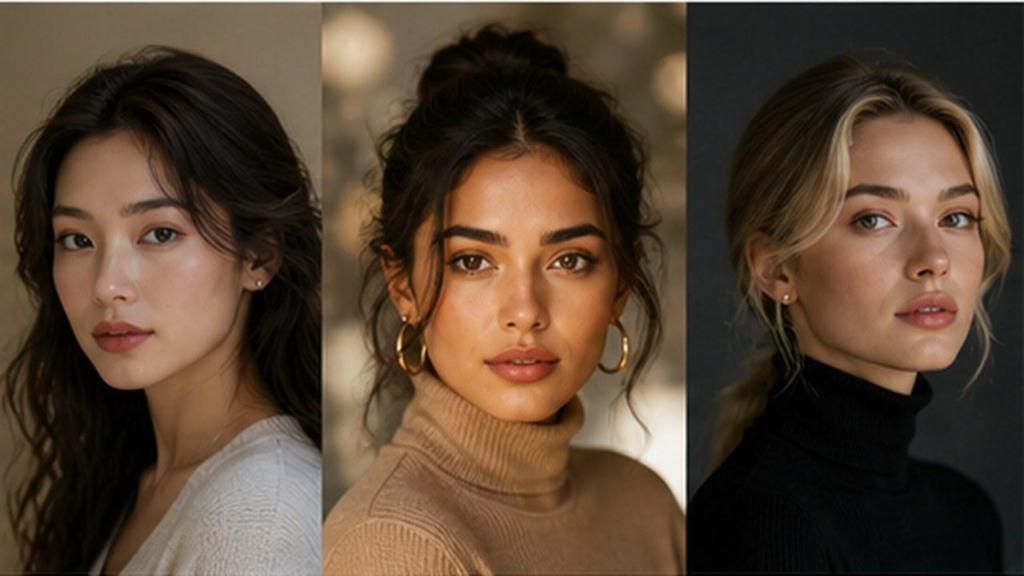
One reason generated images can look artificial is that different materials sometimes appear to share the same surface quality. Skin may look waxy, wood may resemble plastic, and metal may lack the reflections that make it recognizable. Material descriptions help establish the difference.
- Glass usually needs visible transparency, controlled reflections, and convincing edges.
- Wood benefits from grain, subtle color variation, and surface texture.
- Fabric should show folds that respond to gravity and the shape beneath it.
- Metal often relies on sharper highlights and reflections from its surroundings.
- Skin needs natural tonal variation rather than a uniformly smooth surface.
You do not need to describe every texture in every prompt. Focus on the materials that matter most to the image’s purpose. In a product photograph, the finish of the product may deserve more attention than the background wall. In a portrait, facial texture and the way light falls across the face may be more important.
Use Lighting to Connect the Scene
Lighting is not merely a decorative choice. It helps explain where objects are, what they are made of, and how they relate to the surrounding environment. A realistic ai image generator prompt should establish a coherent lighting setup rather than combine unrelated effects. For example, a late-afternoon scene might use warm sunlight entering through a window, long shadows extending across the floor, and softer illumination in areas away from the window.
If the subject has bright highlights on one side but its shadow suggests light coming from the opposite direction, the scene may lose credibility. Multiple light sources can work, of course, but their effects should make sense together. Camera perspective also matters. Objects closer to the camera generally appear larger, while distant details tend to become less prominent. A prompt that specifies a close-up, eye-level view, or wide-angle perspective can help establish the intended visual arrangement.
Avoid Overdescribing the Picture
Adding more adjectives does not necessarily improve a generated image. Long prompts filled with competing styles, camera terms, moods, and lighting instructions can make the intended result less clear. Instead, prioritize the details that define the scene. Start with the subject and its setting, then specify the lighting, material qualities, and composition. Add secondary details only when they support the main idea. For instance, a prompt requesting a rustic kitchen, futuristic lighting, glossy surfaces, soft candlelight, dramatic neon, and natural morning sunshine may introduce conflicting visual directions.
A more focused instruction might describe a modest kitchen with worn wooden cabinets, soft morning light, and a bowl of fresh fruit on the counter. The image still has character, but its visual logic is easier to maintain. Dreamina is one option creators can explore when developing realistic visual concepts. As with any image tool, test it with a specific scene and inspect how well the output handles lighting, object proportions, and surface details. Results can vary between prompts and generations, so judge the actual output rather than relying on a style label alone.
Inspect the Details That Viewers Notice First
Once an image has been generated, avoid judging it only as a thumbnail. Enlarge it and inspect the areas where small mistakes can undermine the whole composition. Start with the focal subject. Are its proportions believable? Do its edges connect naturally with the background? Are reflections and shadows consistent? If the image contains people, examine facial features, hands, clothing folds, and the way the body interacts with nearby objects. Next, inspect the surrounding environment. Repeating patterns may suddenly change, furniture may have inconsistent geometry, and background objects may blend into one another.
When using a realistic ai image generator, return to the image’s purpose before deciding on further edits. A tiny defect in a distant background may not matter for a small social post, but a distorted product label could be unacceptable in a commercial listing. This distinction helps you spend editing time where it makes the greatest difference. If one isolated defect can be corrected, a local edit may be sufficient. If the entire scene lacks coherent perspective, generating a new version may be the better choice.
Know When Realism Is the Wrong Goal
Not every image needs to resemble a photograph. A stylized illustration can communicate an idea more clearly than a realistic scene, especially in educational content, playful branding, or conceptual artwork.
The important question is whether the visual treatment suits the message. Realism can create familiarity and make products easier to evaluate, but it can also introduce expectations of accuracy. A fictional concept may benefit from a more expressive approach that does not pretend to depict a real event or object. Choose the style according to the audience and intended use, then review the result for consistency within that style.
Final Thoughts
Believable AI-generated imagery depends on the relationships between elements, not simply on surface detail. Coherent lighting, distinct material qualities, sensible perspective, and careful inspection all help a scene feel more convincing. By describing the important physical details and correcting meaningful errors, creators can produce visuals that hold up beyond the first glance.
Author

Ibukdkhan@gmail.com
Related Posts

How Real Estate Brands Can Build Buyer Trust Through Digital Marketing in Pune
- 0
- 583 words
Buying a property is a process which requires thorough research, planning and many decisions. Home buyers of today do not want just...
Read out all
What Equipment Propane Suppliers Use for Safe Fuel Delivery
- 0
- 721 words
Propane delivery requires specialized equipment to transfer liquefied petroleum gas between storage facilities and customer tanks. Each component serves a specific purpose,...
Read out all
Chief Technical Examiner: Roles, Responsibilities, Qualifications, and Career Opportunities
- 0
- 2,372 words
Introduction The role of a chief technical examiner is important in organizations that depend on technical accuracy, professional standards, quality control, and...
Read out all
Uecht: Exploring Its Meaning, History, Location, and Fascinating Connections
- 0
- 2,422 words
The word Uecht may look unfamiliar to many people, but it has several interesting connections to European geography, language, history, and astronomy....
Read out all
songoftruth.org: A Complete Guide to Its Purpose, Content, Features, and What Visitors Should Know
- 0
- 1,890 word
The internet provides countless websites designed to inform, educate, entertain, and inspire people. However, finding a platform that offers useful information in...
Read out all
Printely: Everything You Need to Know About Its Features, Uses, Benefits, and Growing Popularity
- 0
- 2,036 words
In today’s digital world, printing and design solutions continue to play an important role in personal, educational, and professional activities. From creating...
Read out all