
- 0
- 1,005 word
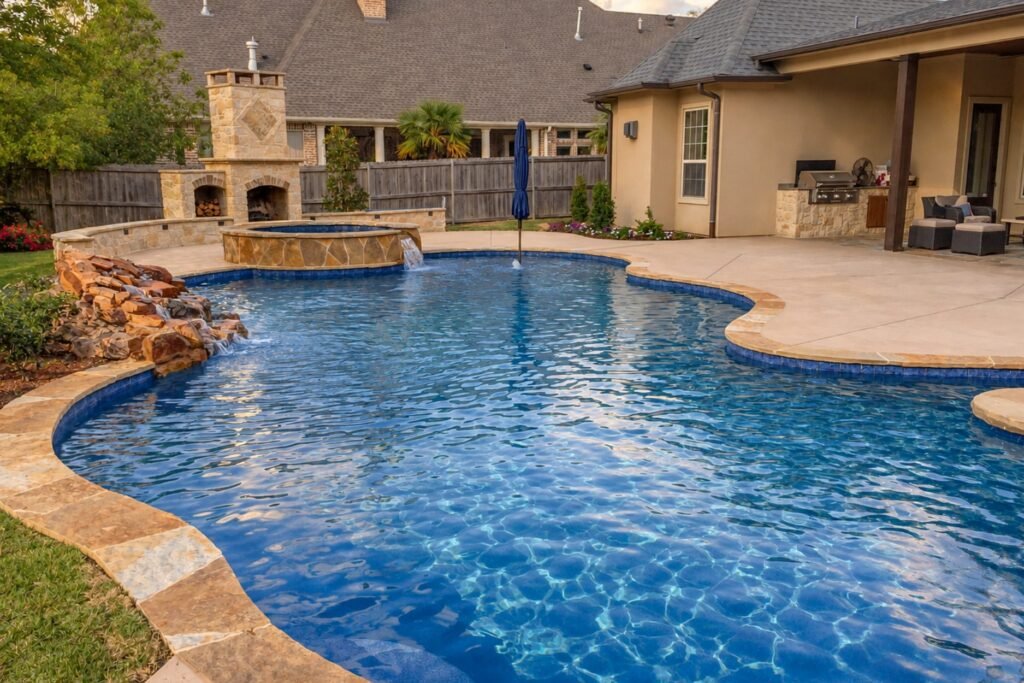
A swimming pool that feels perfect in August can become surprisingly cold by early fall, even when the afternoons are still sunny. Shorter days, cooler nights, and changing weather patterns gradually pull warmth from the water, making swimming less appealing. Fortunately, extending the swimming season doesn’t always require a powerful heater. Planning complete pool project services around temperature control, energy efficiency, and outdoor comfort can make a significant difference. Whether building a new pool or upgrading an existing one, thoughtful design choices can help maintain comfortable conditions well beyond summer.
Stop Heat From Escaping Before Adding More
One of the biggest challenges during cooler months is preventing heat loss. Swimming pools lose considerable warmth through evaporation, particularly when nighttime temperatures drop or winds increase. Without protection, water that absorbs heat throughout the afternoon can lose much of that warmth overnight. Addressing this problem early often produces better results than simply increasing heater output.
A properly fitted pool cover is among the most practical solutions. Thermal and solar covers reduce evaporation while helping retain heat already present in the water. Automatic covers offer additional convenience because they can be deployed without much effort, encouraging more consistent use. However, cover selection should account for pool shape, maintenance requirements, and safety. Not every thermal cover is designed to support weight or prevent accidental entry, so its intended purpose matters.
Choose Heating Equipment That Matches Your Lifestyle
Heating systems play an important role in extending the swimming season, but selecting the right equipment requires more than comparing prices. Pool size, local climate, desired water temperature, and swimming frequency all influence performance. Heat pumps can provide efficient heating in suitable weather conditions, while gas heaters are useful when faster temperature increases are needed. A household that swims daily may benefit from a different arrangement than one that primarily uses the pool on weekends.
Upgrading existing pools requires special focus, as older components often fall short of modern standards. Legacy plumbing, inefficient pumps, and outmoded heating systems introduce constraints that simple fixes rarely resolve. Instead of swapping out isolated parts, a comprehensive renovation is frequently the wiser path. Integrating updated equipment and modern climate controls, as highlighted by Relief Pools reviews, provides a holistic way to boost long-term efficiency, circulation, and user comfort simultaneously. Such upgrades enhance the practicality of an established pool without requiring a full redesign of its layout.
Make Sunlight and Wind Work in Your Favor
The surrounding landscape has a greater influence on pool temperature than many homeowners realize. Direct sunlight naturally warms exposed water, while steady winds accelerate evaporation and heat loss. A pool positioned in a shaded, open area may therefore cool faster than one that receives afternoon sunshine and benefits from protection against prevailing breezes.
Strategic landscaping can help create a more comfortable environment. Privacy fencing, carefully positioned shrubs, and sheltered seating areas can reduce wind exposure without making the backyard feel enclosed. The key is balancing protection with sunlight. Tall walls or dense planting might block unpleasant breezes, but they can also create excessive shade. Considering seasonal sun angles and typical wind direction during the design stage helps avoid these competing problems.
Create a Poolside Space That Feels Comfortable in Cooler Weather
Comfort doesn’t end at the water’s edge. Even when the pool remains pleasantly warm, stepping onto a cold deck or sitting in an exposed patio area can make an evening swim less enjoyable. Selecting appropriate decking materials, incorporating wind-protected seating, and planning convenient routes between the pool and the house can improve the entire experience.
Surface safety deserves attention as well. Wet areas may become slippery, particularly when fallen leaves or moisture accumulate during autumn. Slip-resistant materials, effective drainage, and clear walking paths help reduce common hazards. These details may seem secondary to pool heating, but they determine whether the outdoor space remains inviting as temperatures change.
Add Features That Extend the Swimming Season
A connected spa can make a backyard more useful when swimming conditions become less appealing. Because a spa contains significantly less water than a full-sized pool, it can often be heated separately for shorter periods of use. Depending on the plumbing and equipment configuration, integrating both features during construction or remodeling can also simplify operation.
Lighting is another worthwhile consideration. Earlier sunsets mean pool areas may be used after dark, especially by households with busy daytime schedules. Underwater lighting, illuminated steps, and softly lit pathways improve visibility while creating a welcoming atmosphere. Combining these features with automated controls allows homeowners to coordinate heating and lighting around their normal routines rather than constantly adjusting equipment manually.
Build Around How You Actually Use the Pool
A successful fall-friendly pool design should reflect real swimming habits. Families who enjoy afternoon swimming may benefit from layouts that capture sunlight during the warmest hours. Those who prefer evening relaxation may place greater importance on efficient heating, sheltered gathering areas, and convenient access to a spa.
It’s also worth considering how much ongoing maintenance and energy use each improvement requires. An oversized heater, complicated control system, or poorly positioned water feature can create unnecessary expenses without improving the experience. Features such as fountains and waterfalls may even increase evaporation when operated during cooler weather. Choosing equipment carefully and using it only when needed can help balance comfort with operating costs.
Before finalizing any construction or renovation plans, consider the entire outdoor environment rather than treating the pool as an isolated feature. Sun exposure, landscaping, heating, circulation, lighting, and everyday convenience should work together.
Enjoy Your Pool Beyond the Summer Months
Extending the swimming season isn’t about fighting the weather with more equipment. It’s about designing a space that holds onto warmth, responds efficiently to changing temperatures, and remains pleasant to use.
A combination of effective heat retention, appropriately sized heating equipment, thoughtful landscaping, and practical comfort features can make fall swimming far more enjoyable. With these elements working together, a backyard pool can remain a relaxing part of everyday life even after the hottest days have passed.
Author

Abdulbasit5809@gmail.com
Related Posts
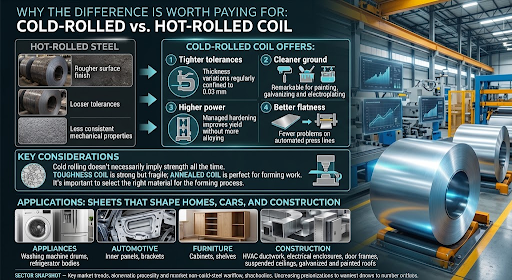
Cold Rolled Steel Coils: Grades, Thickness, Applications and Supplier Selection
- 0
- 1,370 word
Go into any kitchen, any automotive display room, any area of work, and you’ll find yourself amidst bloodless rolled metal and now...
Read out all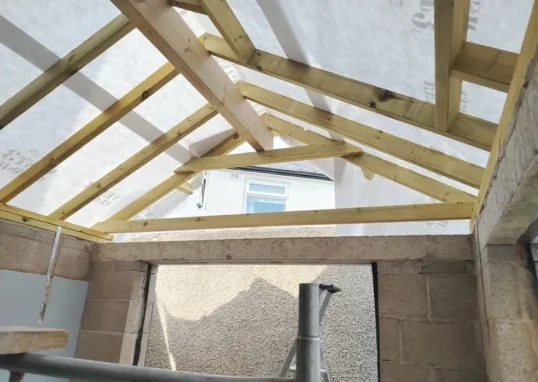
Why Your Roof Still Leaks After a Repair
- 0
- 743 words
The first heavy rain after a roof repair should not bring another wet patch on the ceiling. When it does, the immediate...
Read out all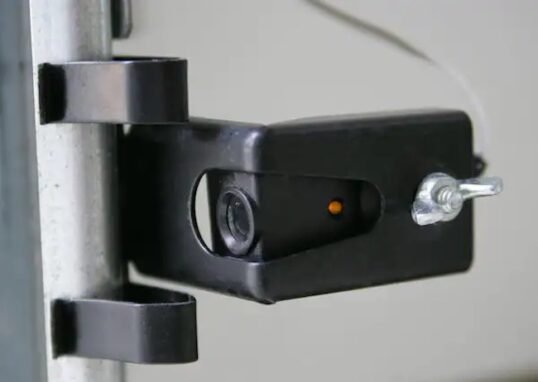
Garage Door Safety Sensors: Small Checks That Prevent Big Problems
- 0
- 879 words
A garage door that refuses to close can turn an ordinary morning into a frustrating delay. Sometimes the cause is a leaf...
Read out all
Still Working, Still Unpaid: When Your Paycheck Is a Month Late
- 0
- 719 words
Rent is due, the grocery bill keeps growing, and another payday passes without a deposit. Meanwhile, you are still arriving on time...
Read out all
How to Prepare Your Home Before Professional Cleaners Arrive
- 0
- 705 words
Scrubbing the sink the evening before a cleaning appointment defeats the purpose of booking one. Leave the sink alone. The cleaning team...
Read out all
What Happens to Your Business After Everyone Goes Home
- 0
- 683 words
At 6:15 p.m., the last employee sets the alarm and heads home. Behind the building, a delivery gate remains open. A box...
Read out all