
- 0
- 1,123 word
Losing a tooth changes more than your smile. You start chewing on one side, hiding your teeth in photos, and wondering how long you can put off treatment before the gap causes more trouble. If you have been told you may need Westbury dental implants, the process can sound bigger than it is. Most people want the same thing. They want to know what happens, how long it takes, what could go wrong, and whether the result will actually feel normal.
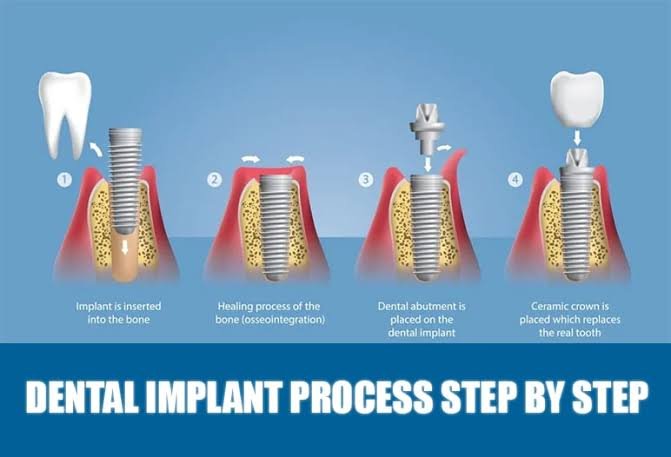
The good news is that the path is usually clear. The 4 Steps Involved In The Implant Dentistry Process follow a sequence that is planned around your bone, gums, and healing. A periodontist and implant dentist looks at the health of the tissue first, places the implant with precision, allows time for the bone to bond to it, and then completes the tooth restoration. That is the full arc, even though your timeline may vary.
The implant dentistry process starts with evaluation and planning
The first step is the exam, and it matters more than people expect. You are not just checking whether there is an empty space where a tooth used to be. Your provider is checking bone volume, gum health, bite pressure, nearby teeth, and your medical history. If you grind your teeth, smoke, have uncontrolled diabetes, or have had gum disease, those details affect planning and healing.
This is often where stress shows up. You may hear terms like bone graft, sinus lift, or tissue graft and assume the worst. Usually, those recommendations mean your provider is trying to build a stable foundation instead of rushing into a shortcut. Dental implants depend on bone support. Without enough healthy bone and gum tissue, the implant has a higher risk of failure or poor appearance.
Research into dental materials and implant related advances continues to improve how implants integrate with the body and how restorations hold up under daily use. Better planning tools and materials have made treatment more predictable than it used to be.
Implant placement creates the foundation for a replacement tooth
The second step is placing the implant post into the jawbone. This small titanium or titanium alloy fixture acts like an artificial tooth root. For many patients, this part sounds more intense than it feels. The area is numbed, sedation may be offered, and the procedure is usually controlled and efficient.
If the site has been without a tooth for a long time, bone may have shrunk. That can mean grafting before implant placement or at the same appointment. This is one reason the dental implant procedure steps do not look identical for every patient. Two people can both need one missing tooth replaced and still have very different treatment plans.
You also need to think beyond surgery day. Mild swelling, soreness, and a soft food period are common. The bigger issue is patience. The implant is in place, but it is not ready to carry chewing force yet.
Healing allows the implant to bond with bone
The third step is osseointegration, which is the bonding process between the implant and the jawbone. This is where biology does the heavy work. Over the next several weeks or months, the bone grows around the implant and stabilizes it. If healing is rushed, the implant may not integrate well enough to last.
This waiting period frustrates people because the problem tooth may feel emotionally urgent. You want the final result now, not after months of appointments. Still, this stage protects the outcome. A stable implant can support a crown for many years. A rushed one can loosen, inflame the surrounding tissue, or fail under pressure.
Follow up visits matter here. Your provider checks the gums, monitors healing, and looks for signs of infection or overload. Ongoing developments in oral health care, including updates shared through current NIDCR news and research, continue to shape how clinicians approach healing, materials, and long term implant success.
The final restoration completes the tooth replacement process
The fourth step is attaching the final restoration. Once the implant is stable, an abutment is connected and the crown, bridge, or denture component is placed. This is the visible part that restores your smile and chewing function.
Fit and bite are everything at this stage. A crown that looks good but hits too hard can create pain and overload the implant. A restoration that is hard to clean can trap plaque and irritate the gums. This is why the steps for getting dental implants involve both surgical skill and restorative planning. Implant treatment is not just about filling a gap. It is about making the replacement work with the rest of your mouth.
Common concerns during the tooth implant process
People usually compare implants with bridges or removable partials because cost and time are real concerns. Implants often take longer up front, but they also help preserve bone and do not rely on grinding down nearby teeth. A bridge may be faster, though it can place added demand on adjacent teeth. A removable option may cost less at first, but some people struggle with movement, comfort, or daily confidence.
| Option | Typical Timeline | Main Benefit | Main Tradeoff |
| Dental Implant | Several months, depending on healing | Supports bone and functions like a tooth root | Higher initial cost and longer treatment time |
| Dental Bridge | Often a few weeks | Faster replacement of a missing tooth | May require shaping nearby teeth |
| Removable Partial Denture | Often a few weeks | Lower initial cost | Less stable feel and may need more adjustments |
The right option depends on your bone, gums, budget, and goals. If you want the closest thing to a natural tooth replacement and you are a candidate, implant dentistry is often the strongest long term option.
Three practical steps to take before starting implant treatment
Get a full periodontal and implant evaluation. Ask for imaging, bone assessment, and a review of gum health. If you have bleeding gums, loose teeth, or a history of periodontal disease, deal with that first.
Ask for the treatment sequence in plain language. You should know whether you need extraction, grafting, implant placement, healing time, and final restoration. Clear timelines reduce a lot of anxiety.
Discuss total cost and maintenance early. Ask what is included, what might change the fee, and how often follow ups are needed. Also ask how to clean around the implant at home so you protect the investment.
If you have been putting this off, that hesitation makes sense. The process sounds like a lot until you see it broken into steps and understand why each one exists. Implant dentistry is not instant, but it is structured, deliberate, and built around long term function. When you are ready, schedule a consultation with a periodontist and implant dentist and get a treatment plan that matches your mouth, your health, and your goals.
Author

wildriseauthor@gmail.com
Related Posts

5 Factors That Influence How Often You Need A Professional Teeth Cleaning
- 0
- 1,137 word
You brush, you floss when you can, and you still wonder if you are booking dental cleanings too often or not often...
Read out all
Top Considerations When Choosing a Podiatrist for Seniors
- 0
- 993 words
Foot pain, thickened toenails, or difficulty walking can make everyday activities harder for older adults. Choosing a podiatrist means finding someone who...
Read out all
Best Diet Plans and High Protein Recipes: A Practical Guide to Healthy Eating and Sustainable Fitness
- 0
- 1,755 word
In recent years, healthy eating has been a dominant topic of discussion in the wellness sphere. However, many people have a difficult...
Read out all
How a Family’s Journey Inspired a Passion for Organic Baby Products
- 0
- 2,107 words
Becoming a parent often changes the way people think about food, nutrition, and everyday products. Suddenly, ingredient labels become more important, product...
Read out all
Were You Fired Unfairly? Here’s What to Do Next
- 0
- 1,159 word
Losing a job is stressful enough without wondering whether your employer broke the law to get rid of you. Every year, thousands...
Read out all
The Enduring Legacy of Automotive Masterpieces on Your Walls
- 0
- 813 words
There is something genuinely captivating about the presence of a legendary supercar. For decades, automotive enthusiasts have found themselves drawn to the...
Read out all