
- 0
- 2,107 words
Becoming a parent often changes the way people think about food, nutrition, and everyday products. Suddenly, ingredient labels become more important, product choices require extra research, and even small purchasing decisions are made with a child’s well-being in mind. For many families, this journey creates a deeper interest in organic products and thoughtful nutrition for babies. From researching infant feeding options to discovering organic cereals and fruit pouches, parents often seek products that fit their preferences and their children’s developmental needs.
A family-centered approach to baby nutrition reflects this desire to make informed decisions during the early years of life. By exploring organic baby products, parents can learn about ingredient sourcing, nutritional requirements, and age-appropriate feeding options while discovering practical ways to support their little ones.
How Parenthood Changes the Way Families Choose Baby Products
The arrival of a baby brings new responsibilities and priorities. Parents begin paying closer attention to the ingredients in foods, the reliability of brands, and the suitability of products for different developmental stages.
Instead of choosing products based only on convenience or price, many families start researching how products are made and whether they meet their expectations.
Common considerations include:
- Ingredient quality: Understanding which ingredients are included in baby food and formula.
- Nutritional value: Comparing products according to their intended feeding stage and nutritional composition.
- Organic sourcing: Exploring products made with ingredients that meet recognized organic production standards.
- Product safety: Checking packaging, preparation instructions, storage requirements, and expiration dates.
- Convenience: Finding suitable products that fit into busy family routines.
- Affordability: Choosing products that can be purchased consistently within the household budget.
These considerations can encourage parents to explore different baby product categories and develop a clearer understanding of their options.
Discovering the World of Organic Baby Products
Organic baby milk formula products appeal to families who prefer ingredients produced according to organic farming standards. Depending on the product, the category can include infant formula, cereals, fruit pouches, snacks, and selected foods for older babies and toddlers.
However, organic certification does not automatically mean that a product is nutritionally superior to a conventional alternative. Parents should evaluate each product according to its intended use, nutritional composition, age suitability, and safety requirements.
Exploring organic baby products can help families become more familiar with ingredient labels and the differences between products designed for various stages of development.
Organic Infant Formula
Infant formula is an important feeding option for families who need or choose to use it. Breastfeeding is recommended when possible, but appropriate infant formula can provide essential nutrition when breast milk is unavailable or insufficient.
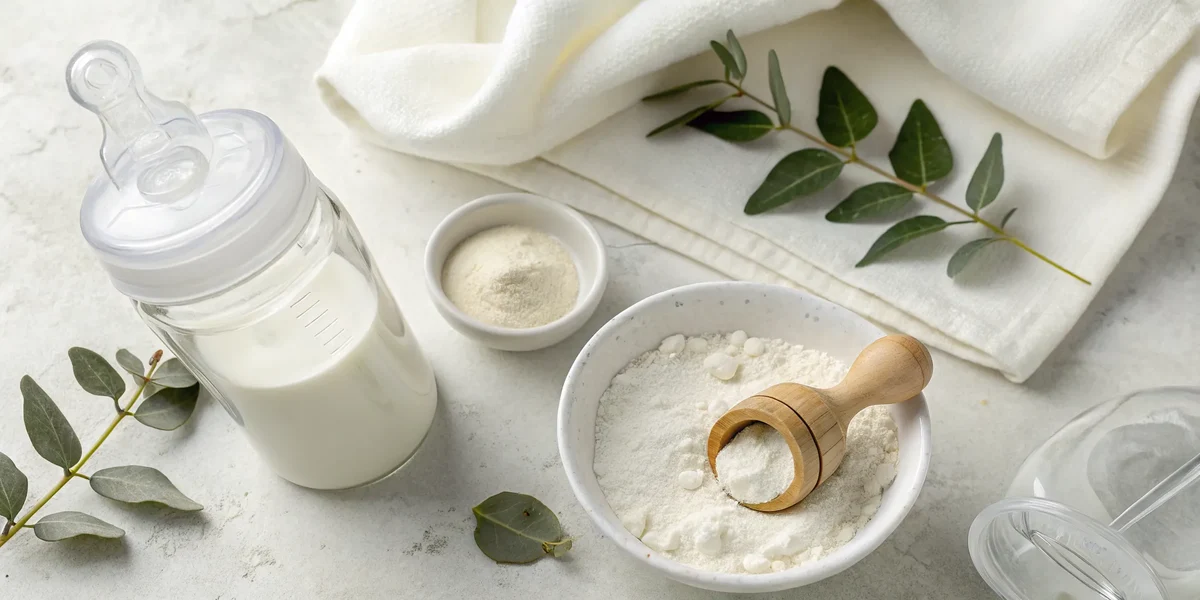
An organic baby formula contains ingredients that meet applicable organic production standards. Depending on the product, these may include organic milk ingredients, lactose, vegetable oils, vitamins, and minerals.
Parents considering organic formula should review the product’s age range, nutritional information, and preparation instructions. The formula must be suitable for the baby’s developmental stage and individual needs.
Organic Baby Cereals
Baby cereals can become part of a baby’s diet when the child is developmentally ready for complementary foods, generally around six months.
Depending on the product, cereals may provide carbohydrates and other nutrients. Iron-fortified varieties can be useful options during the complementary feeding period, when iron becomes particularly important.
Parents should select cereals appropriate for the baby’s age and prepare them according to the package directions. Cereals should complement breast milk or infant formula rather than replace it during early infancy.
Organic Fruit Pouches
Fruit pouches offer a convenient way to provide fruit as part of a varied diet. They can be useful during outings or when families need a portable feeding option.
However, fruit pouches should not become the sole source of complementary foods. Babies benefit from a variety of suitable foods and opportunities to experience different textures as their feeding skills develop.
Parents should supervise feeding and ensure that the product is appropriate for the child’s age and abilities.
Organic Baby Snacks
Some families also explore organic snacks designed for older babies and toddlers.
Before purchasing these products, parents should check the ingredients, age recommendations, texture, and potential choking hazards. An organic label does not make a food automatically suitable for a young child.
Softness, shape, and serving size are important considerations when introducing foods that babies can hold and eat independently.
Understanding Organic Baby Milk Formula
For parents researching infant nutrition, choosing the right formula involves more than selecting a product with an organic label.
An appropriate formula must provide the nutrients needed during the intended feeding stage. Different products can vary in their milk sources, carbohydrate ingredients, fat blends, and nutritional composition.
When comparing an organic baby milk formula, parents should consider the following factors.
Age suitability: Confirm that the product is designed for the baby’s current age. Formulas intended for older infants or toddlers should not replace an appropriate infant formula during the early months.
Ingredient information: Review the complete ingredient list, including milk proteins, carbohydrates, fats, vitamins, and minerals.
Organic certification: Check the certification and regulatory information on the packaging. Standards can vary between countries.
Individual nutritional needs: Babies with diagnosed allergies, medical conditions, or feeding difficulties may require a specialized formula recommended by a healthcare professional.
Product availability: Consider whether the formula can be purchased consistently and stored according to the manufacturer’s instructions.
Authenticity and condition: Purchase from a reliable retailer and check the packaging, expiration date, and storage information.
These checks can help families compare products based on meaningful information instead of relying entirely on advertising claims.
Exploring Organic Baby Formula Brands
Parents interested in organic infant nutrition may encounter brands such as Holle and Lebenswert Bio. Exploring different products can help families understand the options available in their market.
Holle Organic Baby Products
Holle is known for organic baby food products, including infant formula and complementary foods. Its product range includes different formulations and feeding stages, depending on the market.
Parents considering Holle should check the exact product label and confirm that the formula is appropriate for their baby’s age. Products within the same brand may have different ingredients and nutritional profiles.
Lebenswert Bio Formula
Lebenswert Bio is another brand associated with organic infant formula. Parents can compare its available products by reviewing their ingredients, nutritional information, organic certification, and preparation requirements.
The most suitable formula depends on the specific product and the baby’s needs rather than the brand name alone.
Comparing Different Products
A simple comparison can help families organize their research.
| Comparison factor | What parents should check |
| Formula stage | Is the product suitable for the baby’s age? |
| Ingredients | What milk source, carbohydrates, fats, and other ingredients does it contain? |
| Nutrition | Does it meet the requirements for its intended feeding stage? |
| Certification | Does the product meet applicable organic standards? |
| Preparation | Are the mixing and storage instructions clear? |
| Price | Is the product affordable for regular use? |
| Availability | Can it be purchased reliably from a reputable seller? |
Comparing these details makes it easier to identify relevant options and discuss questions with a pediatrician.
Why Family-Owned Baby Product Businesses Matter
Family-owned businesses often grow from personal experiences, shared values, and a desire to serve customers who face similar challenges.
In the baby product market, parents may appreciate retailers that understand how confusing it can be to compare formulas, interpret ingredient labels, and find suitable products for different ages.
A family-focused retailer may aim to make product information easier to navigate by organizing products into useful categories and offering a selection of brands.
For example, a family-run organic baby product store based in Los Angeles may offer Holle and Lebenswert Bio formula alongside organic cereals, fruit pouches, snacks, and teas.
Having several product categories available in one place can make shopping more convenient. Nevertheless, each item should still be evaluated according to its intended use and the child’s nutritional needs.
A helpful retailer should provide clear product information and allow parents to make informed decisions without relying on unsupported health claims.
Choosing Baby Products for Different Developmental Stages
Babies’ nutritional needs change as they grow, so parents should select products according to developmental readiness rather than choosing items based solely on their organic status.
Early Infancy
During the first months of life, breast milk or appropriate infant formula provides the primary source of nutrition.
Parents using formula should choose a product intended for the baby’s age and follow the manufacturer’s preparation instructions carefully.
Beginning Complementary Feeding
Around six months, many babies become ready to explore complementary foods alongside breast milk or infant formula.
Age-appropriate options may include soft vegetables, fruits, iron-rich foods, and suitable baby cereals. Parents should introduce textures gradually and supervise meals.
Older Babies
As feeding skills develop, babies can gradually explore a broader range of textures and flavors.
Parents should continue offering varied, nutritious foods and pay attention to choking hazards, allergens, and the child’s developmental abilities.
Toddlers
Toddlers generally benefit from a varied diet that includes foods from different food groups. Specialized toddler milk is not necessary for every child and should not be confused with infant formula.
If a child has specific nutritional needs, a healthcare professional can provide individualized advice.
The Importance of Ingredient Transparency
Reading product labels is one of the most practical habits parents can develop when shopping for baby products.
Clear ingredient information helps families understand what a product contains and whether it fits their preferences.
Before purchasing an organic baby product, check:
- The complete ingredient list.
- The intended age range.
- Nutritional information, where applicable.
- Organic certification details.
- Allergen declarations.
- Preparation and storage instructions.
- Expiration dates and packaging condition.
Parents should also be cautious about claims suggesting that a product can guarantee better growth, prevent illness, or resolve feeding problems. Such claims should not replace professional medical guidance.
Organic certification primarily relates to production standards; it does not guarantee that a product will suit every baby or provide benefits beyond its established nutritional role.
Safe Preparation and Storage of Baby Formula
A carefully chosen formula still needs to be prepared and stored correctly. Safe handling is especially important because powdered infant formula is not sterile.
Parents should follow these practices:
Wash your hands: Clean your hands before preparing a feed.
Clean feeding equipment: Wash and sterilize bottles, nipples, and other equipment according to current recommendations.
Follow exact measurements: Use the specified amount of water and formula powder. Do not add extra powder or water.
Follow water guidance: Use the preparation method recommended by the manufacturer and local public health authorities.
Store formula correctly: Follow instructions for unopened products and prepared feeds.
Discard leftovers safely: Formula remaining in a bottle after feeding should be discarded according to current safety guidance.
Newborns, premature babies, and infants with weakened immune systems may require additional precautions. Parents should ask a healthcare professional about the safest feeding option when their baby is at increased risk of infection.
How Parents Can Shop for Organic Baby Products With Confidence
Finding suitable baby products can become easier when families use a consistent shopping process.
1. Identify the Product’s Purpose
Determine whether you need infant formula, complementary food, or a snack for an older child. Products in these categories serve different purposes and cannot automatically replace one another.
2. Check the Age Recommendation
Always confirm that the product is intended for your child’s current developmental stage.
3. Review the Ingredients
Read the label carefully, especially when your baby has a known allergy or a specific dietary requirement.
4. Verify Product Authenticity
Choose a reputable seller and check the packaging, expiration date, and storage information.
5. Compare Prices and Availability
Consider the cost of regular purchases, shipping charges, and whether the product is likely to remain available.
6. Ask Questions When Necessary
If you are uncertain about a formula’s suitability, consult a pediatrician rather than making a decision based solely on online reviews or promotional descriptions.
This process helps families balance their preferences with practical considerations and the child’s nutritional needs.
Conclusion
A family’s journey into parenthood can inspire a deeper interest in organic baby products and thoughtful nutrition. As parents learn about infant formula, baby cereals, fruit pouches, and other age-appropriate foods, they gain a better understanding of ingredient sourcing, nutritional requirements, and safe feeding practices.
Brands such as Holle and Lebenswert Bio offer options for families exploring organic infant nutrition. However, the right choice depends on the individual product, the baby’s age, and any specific nutritional needs.
By comparing labels carefully, purchasing from reliable retailers, and following appropriate feeding guidance, families can make informed decisions about organic baby formula and other baby products. Ultimately, the goal is to choose suitable, safe, and nutritious options that support a child’s development while respecting the family’s preferences.
Author

munjalblogfirm@gmail.com
Related Posts

Best Diet Plans and High Protein Recipes: A Practical Guide to Healthy Eating and Sustainable Fitness
- 0
- 1,755 word
In recent years, healthy eating has been a dominant topic of discussion in the wellness sphere. However, many people have a difficult...
Read out all
Were You Fired Unfairly? Here’s What to Do Next
- 0
- 1,159 word
Losing a job is stressful enough without wondering whether your employer broke the law to get rid of you. Every year, thousands...
Read out all
The Enduring Legacy of Automotive Masterpieces on Your Walls
- 0
- 813 words
There is something genuinely captivating about the presence of a legendary supercar. For decades, automotive enthusiasts have found themselves drawn to the...
Read out all
Experience Relaxation and Radiance With Expert Facial Spa Care
- 0
- 782 words
Taking care of your skin is about much more than following a quick routine before bed. It is an intentional act of...
Read out all
Creating Memorable Events Through Professional Audio Visual Solutions
- 0
- 889 words
Planning any gathering involves a tremendous amount of detail, and one of the most vital components is how your audience experiences sound...
Read out all
Fall Activities for Seniors: 12 Ways to Stay Active and Connected
- 0
- 1,902 word
Fall brings cooler temperatures, colorful leaves, seasonal traditions, and plenty of opportunities to spend meaningful time with family and friends. For older...
Read out all