
- 0
- 1,307 word
The online gaming industry has changed dramatically as games have become more interactive, connected, and customizable. Players no longer focus exclusively on completing missions or winning competitive matches. Many also enjoy collecting cosmetic items, customizing characters, and organizing digital assets within their gaming accounts. As these features continue to develop, online gaming platforms are changing how players access, organize, and manage their virtual collections.
From character skins and weapon designs to accessories and limited-edition collectibles, digital assets have become an important part of modern gaming culture. Better inventory tools, integrated marketplaces, and improved account management features are making it easier for players to understand and manage their collections. These developments are creating new opportunities for personalization while also highlighting the importance of security and responsible spending.
The Growing Importance of Virtual Goods in Gaming
Virtual goods are digital items that players can use, collect, or display within supported gaming environments. They may include character outfits, weapon skins, decorative accessories, emotes, badges, and other cosmetic features.
Some items are earned through gameplay, while others are unlocked through challenges, seasonal events, or purchases. Their availability depends on the game’s design and the policies established by its developer.
For many players, these items provide a way to express their personalities and create a distinctive gaming identity. A customized character or unique weapon appearance can make a familiar game feel more personal.
The growing interest in virtual goods has encouraged developers to introduce features that help players discover, organize, and display their digital collections. Consequently, managing digital assets has become an increasingly relevant part of the overall gaming experience.
1. Better Gaming Inventory Management
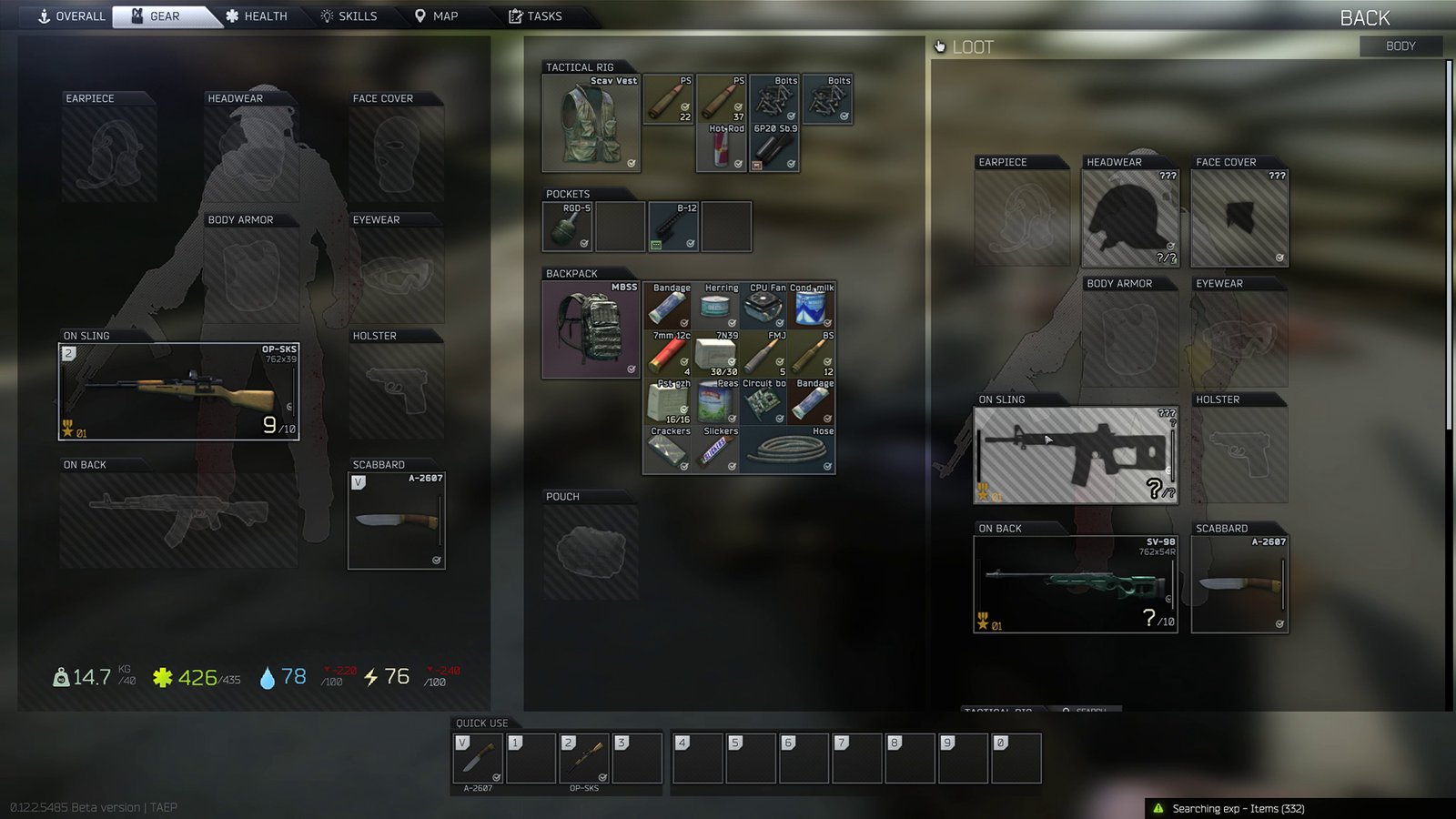
One of the most noticeable improvements in modern gaming is the development of more organized inventory systems. As players accumulate items across multiple seasons and game modes, finding a specific asset can become difficult without suitable management tools.
A well-designed gaming inventory allows players to browse available items, review their collections, and identify particular designs more efficiently. Depending on the game, inventory features may include category filters, search options, item descriptions, and sorting tools.
These features offer several practical benefits:
- Faster item discovery: Players can locate specific skins, accessories, and collectibles without manually reviewing every item.
- Improved organization: Categories and filters help separate different types of digital assets.
- Greater visibility: Clear descriptions help players understand an item’s appearance and availability.
- Simplified collection management: Players can review what they own and identify items they still want to unlock.
Better inventory management saves time and allows players to spend more time enjoying gameplay rather than navigating complicated menus.
2. Easier Access to Skin Trading
Some games and authorized marketplaces allow players to exchange eligible cosmetic items. This process, commonly known as skin trading, gives participants opportunities to obtain preferred designs and exchange items they no longer need.
For example, a player might have several similar weapon skins but want a particular design to complete a collection. In a game that permits trading, an eligible item could potentially be exchanged through an approved system.
Online platforms can simplify this experience by presenting available listings, item details, and transaction information in a more accessible format.
However, trading rules vary considerably. Some games restrict transfers, impose waiting periods, or prohibit third-party transactions. Players should always review official policies before using an external marketplace.
It is also important to verify the other party, check transaction details, and avoid offers that require sharing passwords or authentication codes.
3. More Convenient Digital Marketplaces
Digital marketplaces have introduced new ways for players to discover and acquire virtual goods. Depending on the service, users may be able to browse cosmetic collections, compare listed prices, or purchase eligible items.
These marketplaces can make item discovery more convenient by bringing relevant information together in one place. Players can explore different designs, review availability, and make decisions based on their preferences.
Transparent listings are particularly useful because they help users understand what they are purchasing. Clear information about fees, payment methods, restrictions, and refund policies can also reduce confusion.
Nevertheless, not every marketplace is equally reliable. Players should research a service before connecting their gaming accounts or spending money. Official marketplaces and developer-supported trading systems are generally the safest starting points.
4. Greater Personalization and Collection Building
Customization remains one of the most appealing aspects of online gaming. Players often want their characters, equipment, and profiles to reflect their interests.
Online gaming platforms support this preference by making cosmetic content easier to browse and manage. Depending on the game, users may be able to combine different outfits, select weapon designs, display achievements, or organize themed collections.
Collection building also creates personal goals beyond ordinary gameplay. Players might search for seasonal items, complete a set of accessories, or collect designs associated with a favorite game mode.
These activities can encourage exploration and community participation. Players frequently exchange ideas, share screenshots, and discuss their favorite designs with other gaming enthusiasts.
The result is a more personalized experience in which digital assets contribute to a player’s identity within the gaming community.
5. Improved Security and Account Protection
As virtual collections become more important to players, protecting gaming accounts and digital assets becomes essential. Losing account access or falling victim to a fraudulent transaction can be frustrating, particularly when a collection represents significant time or money.
Responsible platforms can help by providing clear security guidance and supporting appropriate authentication measures. However, players also have an important role in protecting their accounts.
Consider these essential precautions:
- Use a strong, unique password for every important account.
- Enable multifactor authentication whenever available.
- Verify website addresses before entering login information.
- Avoid unfamiliar downloads and suspicious trading links.
- Review trade details carefully before approving transactions.
- Keep legitimate purchase receipts and transaction confirmations.
Players should also be cautious of anyone promising guaranteed profits from digital items. Virtual assets can fluctuate in demand, and resale opportunities are not guaranteed.
6. Transparency Helps Players Make Better Decisions
Modern gaming platforms can improve the user experience by explaining item availability, restrictions, and transaction conditions clearly.
For example, a listing should ideally indicate whether an item is transferable, whether additional fees apply, and whether any waiting period affects a transaction. This information helps users understand their options before committing to a purchase or trade.
Clear pricing is equally important. Players should consider the total cost of an item rather than focusing exclusively on its advertised price.
Setting a spending limit can help maintain a healthy balance between gaming enjoyment and other financial priorities. Digital items should be treated as optional entertainment purchases, not guaranteed investments.
7. The Future of Virtual Goods Management
Online gaming platforms will likely continue improving inventory tools, customization features, and digital marketplaces as player expectations evolve. More intuitive interfaces and better search capabilities may make large collections easier to navigate.
Developers may also introduce new cosmetic designs, event-based rewards, and collection management options that encourage players to explore different aspects of their favorite games.
At the same time, security, fair trading practices, and clear ownership policies will remain important. A better gaming ecosystem should make it easier for players to understand what they own, how items can be used, and which transactions are permitted.
Conclusion
Online gaming platforms are changing the way players manage virtual goods through improved inventory systems, accessible marketplaces, customization options, and clearer transaction information. These developments help players organize their collections, discover new items, and participate in supported trading activities.
Effective gaming inventory tools make digital collections easier to manage, while responsible skin trading can offer additional flexibility where permitted. However, players should always prioritize account security, verify marketplace reliability, and understand the restrictions attached to their items.
As gaming technology advances, virtual goods will continue to shape how players personalize their experiences and interact with gaming communities. By combining convenience with transparency and responsible practices, online platforms can make digital asset management a more enjoyable part of modern gaming.
Author

munjalblogfirm@gmail.com
Related Posts
Understanding Dota 2 Inventory, Skin Trading, and Digital Goods in Online Gaming
- 0
- 1,258 word
Online gaming has grown into a global entertainment industry where players enjoy competitive matches, social interaction, and personalized gaming experiences. Beyond gameplay,...
Read out all
Using Your TV as a PC Display: A Practical HDMI Setup Guide
- 0
- 1,476 word
There are plenty of reasons to connect a computer to a television. Maybe you want a larger screen for a presentation, need...
Read out all
Hypackle: Exploring the Meaning, Uses, and Growing Curiosity Around the Term
- 0
- 1,289 word
Introduction to Hypackle What exactly is hypackle? If you have recently encountered this unusual word online, you may have wondered whether it...
Read out all