
- 0
- 2,612 words
Material movement is an essential part of many business operations, including warehousing, construction, manufacturing, distribution, logistics, and industrial work. Companies need reliable ways to lift, transport, stack, store, and organize materials without relying entirely on manual labor. The right material handling equipment can help businesses move heavy or bulky loads more efficiently while improving workflow and reducing unnecessary physical effort. Modern workplaces can choose from a wide range of solutions, including forklifts, pallet jacks, conveyors, cranes, hoists, carts, stackers, lifts, and automated systems. Each option has specific capabilities and limitations, so businesses should evaluate their operational requirements before selecting equipment. Factors such as load capacity, lifting height, workspace dimensions, travel distance, floor conditions, operating frequency, and safety requirements can all influence the final choice. A well-planned equipment strategy can improve productivity while helping organizations maintain a more organized and efficient workplace.
Understanding Material Handling Equipment
Material handling equipment refers to machines, tools, vehicles, and systems used to move, lift, transport, position, store, or manage materials within a workplace. Some equipment is manually operated, while other systems use electric motors, hydraulic power, engines, or automated technology. The equipment selected by a business should correspond with the type of materials being handled and the environment in which the work takes place. When evaluating material handling equipment, companies should identify their most frequent material movement tasks and determine where delays or inefficiencies currently occur. A warehouse may require equipment that can navigate narrow aisles and reach high storage racks, while a construction project may require machines capable of handling heavier loads over uneven surfaces. Understanding the purpose of each equipment category allows businesses to select solutions that support their actual workflow rather than simply choosing machines based on general popularity.
Types of Material Handling Equipment
There are numerous types of equipment available for different material movement applications. Forklifts are widely used to lift and transport palletized loads, while pallet jacks provide a simpler option for moving pallets across relatively short distances. Conveyors can continuously move products between fixed points, making them useful in manufacturing and distribution environments. Cranes and hoists can lift heavy loads vertically and position them within defined work areas. Carts, hand trucks, and trolleys can help employees move smaller materials without using larger powered machines. Businesses may also use stackers, aerial lifts, automated guided vehicles, and specialized attachments depending on their requirements. Selecting material handling equipment should involve comparing the capabilities of these different options and determining which combination provides the most efficient solution. In many workplaces, several equipment types work together as part of a larger material handling system.
Forklifts for Heavy Material Movement
Forklifts are among the most common machines used for material handling because they can lift and transport heavy loads efficiently. They are available in different sizes, capacities, mast configurations, and power systems. Some are designed for indoor warehouse use, while others are built for outdoor applications and challenging terrain. When choosing material handling equipment, businesses should determine the weight and dimensions of the loads that forklifts will handle, along with the required lifting height and available operating space. A forklift should have enough capacity for the intended loads without being unnecessarily large for the workplace. Operators must also receive appropriate training and follow manufacturer instructions and workplace safety procedures. Regular inspections and maintenance are important for keeping forklifts reliable. When correctly selected and operated, forklifts can significantly improve the movement of pallets, supplies, equipment, and finished products.
Conveyors for Continuous Material Movement
Conveyor systems are designed to move products or materials along established routes and can be highly effective for repetitive operations. They are commonly found in warehouses, manufacturing facilities, packaging operations, distribution centers, and processing environments. Depending on the application, conveyors may use belts, rollers, chains, or other mechanisms. Their ability to provide continuous movement can reduce the amount of manual transportation required between workstations. Businesses considering material handling equipment should evaluate conveyors when materials regularly travel between fixed locations. Important considerations include conveyor length, width, speed, load capacity, available floor space, and integration with other equipment. Proper guarding and safety controls should also be incorporated into the system. A well-designed conveyor can improve consistency and workflow efficiency, particularly when large quantities of products need to move through a predictable process.
Cranes and Hoists for Heavy Loads
Cranes and hoists are valuable solutions when materials need to be lifted vertically or positioned in areas that conventional vehicles cannot easily reach. Different configurations are available for different applications, including overhead cranes, gantry cranes, jib cranes, chain hoists, and wire rope hoists. When selecting material handling equipment for lifting operations, businesses should determine the maximum load weight, required lifting height, horizontal movement requirements, and available workspace. Equipment should always be used within its rated capacity and according to manufacturer specifications. Lifting components such as hooks, chains, cables, and supporting structures should be inspected regularly. Properly selected cranes and hoists can make heavy lifting more manageable and help businesses move large or awkward materials with greater control. However, operator training and appropriate safety procedures remain essential for every lifting application.
Pallet Jacks and Manual Equipment
Powered equipment is not always necessary for every material movement task. Pallet jacks, hand trucks, carts, dollies, and other manual handling tools can be effective for lightweight loads and short-distance transportation. These tools are particularly useful in smaller storage areas, retail facilities, loading zones, workshops, and locations where larger machines may be difficult to maneuver. When selecting material handling equipment, businesses should determine whether a simple manual solution can safely meet the requirements of a specific task. Manual equipment can be economical and relatively easy to maintain, but users must still follow capacity limits and appropriate handling practices. Employees should avoid attempting to move loads that are too heavy or unstable for the selected tool. Using simple equipment where appropriate can help businesses control costs while maintaining an efficient material movement process.
Automated Material Handling Systems
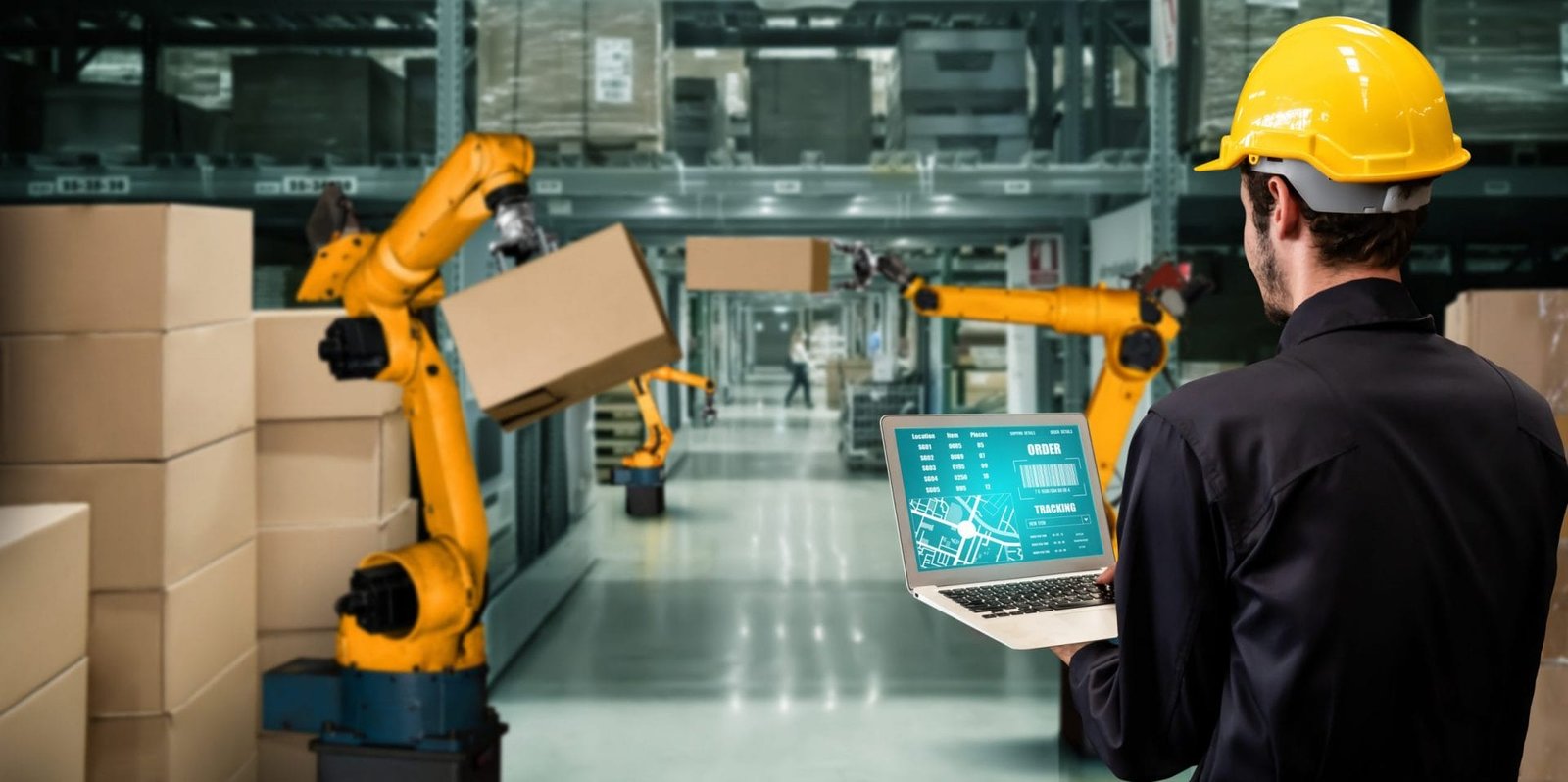
Automation has become increasingly important in facilities that handle large volumes of materials. Automated guided vehicles, autonomous mobile robots, automated storage and retrieval systems, and robotic handling solutions can transport materials with limited direct human intervention. These technologies can be integrated with inventory management systems and production workflows to create more consistent material movement. Businesses considering automated material handling equipment should evaluate their operating volume, facility layout, workflow patterns, technology infrastructure, and long-term objectives. Automation may require a larger initial investment, but it can provide advantages for repetitive, predictable operations. Businesses should also consider software maintenance, technical support, employee training, system integration, and emergency procedures. Automation is most effective when it is introduced as part of a carefully planned process rather than simply replacing existing equipment without analyzing the overall workflow.
Choosing the Correct Load Capacity
Load capacity is one of the most important factors when selecting handling equipment. Every machine has a specified capacity that should not be exceeded. Businesses should identify the maximum expected load rather than selecting equipment based only on average material weights. The dimensions and center of gravity of the load may also affect equipment performance. When evaluating material handling equipment, users should provide accurate information about the materials being moved and determine whether the selected equipment can handle those materials safely. Attachments can sometimes affect rated capacity, so manufacturers’ specifications should always be reviewed. Selecting equipment with appropriate capacity can help prevent excessive mechanical strain and improve operational reliability. It is also important to consider whether load requirements may increase in the future as the business expands or handles different materials.
Evaluating Workplace Layout and Space
The physical layout of a workplace plays a major role in equipment selection. Narrow aisles, low ceilings, storage racks, machinery, doorways, ramps, and pedestrian routes can all affect how equipment moves through a facility. Before purchasing or renting material handling equipment, businesses should measure the areas where machines will operate and identify potential restrictions. Turning radius is particularly important for forklifts and other powered vehicles, while overall height can affect whether equipment can pass through doors or operate beneath structures. Travel paths should be designed to reduce unnecessary movement and minimize congestion. A machine with excellent lifting capacity may still be unsuitable if it cannot maneuver effectively within the available space. Careful layout assessment helps businesses choose equipment that can perform its intended function without creating additional workflow problems.
Selecting Equipment for Indoor Operations
Indoor environments often have specific requirements that differ from outdoor applications. Warehouses and manufacturing facilities may have smooth floors, narrow aisles, controlled temperatures, ventilation limitations, and restrictions related to noise or emissions. Electric-powered machines may be suitable for some indoor operations because they can offer characteristics that fit controlled environments. However, the appropriate equipment depends on the workload, operating hours, floor conditions, and required capacity. Businesses choosing material handling equipment for indoor use should consider doorway dimensions, aisle widths, ceiling heights, charging requirements, and pedestrian traffic. Equipment should be easy to maneuver without interfering with other operations. Proper planning can help businesses maintain efficient material movement while reducing congestion and unnecessary interruptions within the facility.
Selecting Equipment for Outdoor Operations
Outdoor material handling can present additional challenges, including uneven ground, weather exposure, slopes, loose surfaces, debris, and longer travel distances. Equipment designed for indoor environments may not perform effectively under these conditions. When selecting material handling equipment for outdoor use, businesses should evaluate traction, ground clearance, tire configuration, stability, load capacity, and operating conditions. Construction sites and industrial yards may require equipment specifically designed for rough terrain or demanding applications. The expected travel route should be inspected before equipment is selected to identify potential obstacles or difficult surfaces. Businesses should also consider weather conditions that may affect visibility or machine performance. Matching equipment to the outdoor environment can improve reliability and help reduce unnecessary downtime.
Safety and Operator Training
Safety should be an essential part of every material handling strategy. Operators need appropriate training before using powered equipment, and they should understand the controls, capacity limits, operating procedures, and potential hazards associated with the machine. Businesses using material handling equipment should establish clear workplace procedures covering inspections, load handling, pedestrian interaction, travel routes, parking, and emergency situations. Operators should never exceed equipment capacity or use machinery for tasks outside its intended purpose. Work areas should be kept organized, and hazards should be identified before operations begin. Regular training and refresher instruction can help employees maintain safe operating practices. A strong safety program protects workers while also reducing the likelihood of equipment damage, material loss, and workflow interruptions.
Inspection and Preventive Maintenance
Regular inspections and preventive maintenance are essential for maintaining reliable equipment. Depending on the equipment type, inspections may include checking tires, brakes, hydraulic systems, forks, chains, cables, belts, batteries, controls, safety devices, and structural components. Businesses should follow manufacturer recommendations and establish maintenance schedules appropriate for their operating conditions. Properly maintained material handling equipment is generally more reliable and less likely to experience unexpected failures. Operators should report warning lights, unusual noises, leaks, vibrations, or changes in performance as soon as they are noticed. Preventive maintenance allows potential problems to be identified before they develop into expensive repairs or extended downtime. Maintaining accurate service records can also help businesses track equipment history and schedule future maintenance more effectively.
Improving Efficiency Through Proper Planning
Efficient material movement depends on more than simply owning or renting the right machines. Businesses should analyze how materials enter the facility, where they are stored, how they move through production or processing areas, and where finished products are transferred. This information can help identify bottlenecks and unnecessary transportation. Using material handling equipment strategically can reduce repetitive manual movement and improve coordination between different work areas. For example, conveyors may connect production stages, forklifts may transport palletized goods, and automated systems may manage repetitive storage tasks. Businesses should also ensure that equipment is positioned where it provides the greatest operational benefit. Regularly reviewing material flow can reveal opportunities to improve productivity and reduce unnecessary travel.
Buying Versus Renting Equipment
Businesses do not always need to purchase equipment permanently. Renting can be useful for temporary projects, seasonal increases in demand, facility expansions, or occasional specialized tasks. Purchasing may make more sense when a machine is required frequently over a long period and the company can justify ownership costs. When deciding how to obtain material handling equipment, businesses should compare purchase prices, rental rates, maintenance expenses, storage requirements, depreciation, and expected utilization. Flexibility should also be considered because equipment requirements may change as the business grows. Renting can provide access to different machines without requiring long-term ownership, while purchasing may provide greater control for organizations with consistent equipment needs. The best choice depends on actual usage patterns and long-term operational plans.
Managing Operating Costs
The cost of handling equipment includes more than its initial purchase or rental price. Businesses should consider fuel or electricity consumption, maintenance, replacement parts, inspections, operator training, insurance, storage, and potential downtime. When comparing material handling equipment, organizations should evaluate total operating costs rather than focusing solely on the initial price. A more expensive machine may provide better productivity or lower maintenance costs over time, making it a better overall investment. Similarly, equipment that consumes less energy may provide long-term savings in high-use applications. Businesses should review expected utilization and calculate how equipment costs will affect their overall operations. A total-cost approach can help organizations make decisions based on long-term value rather than short-term pricing alone.
Common Equipment Selection Mistakes
One of the most common mistakes businesses make is choosing equipment based only on price. Low-cost equipment may not provide the required capacity, durability, or efficiency for demanding applications. Another mistake is failing to measure the operating environment before selecting machinery. Equipment that cannot fit through doorways or maneuver through aisles can create serious workflow problems. Businesses may also overlook operator training, maintenance requirements, energy consumption, and transportation needs. Before investing in material handling equipment, companies should clearly define their operational requirements and compare suitable options based on performance, safety, reliability, and total cost. It is also important to consider future requirements rather than selecting equipment that only meets current needs. Careful planning can reduce the risk of expensive equipment changes later.
Creating a Long-Term Handling Strategy
A strong material handling strategy should be flexible enough to support future business growth. Companies should consider whether production volumes, storage requirements, product sizes, or workplace layouts may change over time. Equipment selected today should ideally provide useful capabilities for expected future operations without creating unnecessary expenses. Businesses can combine different handling solutions to create a more efficient overall system rather than relying on one machine for every task. Regular performance reviews can help identify equipment that is underused, overworked, outdated, or no longer suitable. By continuously evaluating their handling processes, businesses can improve productivity and make better investment decisions. A long-term strategy also allows organizations to plan maintenance, replacement, upgrades, and training more effectively.
Final Thoughts
Material handling is an important component of efficient operations across construction, warehousing, manufacturing, distribution, and industrial environments. The right equipment can make it easier to move heavy loads, organize inventory, improve workflow, and reduce unnecessary manual effort. Choosing suitable material handling equipment requires careful consideration of load capacity, lifting requirements, workplace layout, operating environment, equipment type, safety, maintenance, training, and total cost. Businesses should analyze their material movement processes before selecting equipment and determine which solutions provide the greatest practical value. Whether an organization uses forklifts, conveyors, cranes, hoists, pallet jacks, automated systems, or a combination of several options, proper planning remains essential. By matching equipment capabilities with actual workplace requirements and maintaining a strong focus on safety and efficiency, businesses can create a more productive, organized, and reliable material handling operation.
Author

Spero.outreach.team@gmail.com
Related Posts
FindTechGroup.com Review: What the Platform’s Core Philosophy Reveals About Its Long-Term Credibility
- 0
- 1,258 word
A platform’s stated philosophy only carries weight when its operational decisions reflect the same priorities. The gap between what a platform says...
Read out all
Data Science Course in Hyderabad: Why Boston Institute of Analytics Is India’s #1 Ranked Institute for Placement Support
- 0
- 3,103 words
Hyderabad has now become one of the most prominent places for hiring data scientists with a number of vacancies in the field...
Read out all
iBoomto AI Table Extractor: A Smarter Way to Handle PDF Data
- 0
- 1,116 word
PDFs are very good at keeping documents neat and consistent, but the problem of extracting information from them is quite different. I...
Read out all
Tozymagazine.com USA: A Complete Guide to This Growing Digital Magazine
- 0
- 1,242 word
The digital publishing world continues to evolve, and new online magazines are gaining attention from readers across the United States. One name...
Read out all
Top 10 SEO Companies in Lahore, Pakistan
- 0
- 1,441 word
Introduction Lahore has long been one of Pakistan’s biggest hubs for IT and digital business, and that growth has fueled a competitive...
Read out all
From Still Photo to Moving Story: A Simple Guide to Image to Video, Free
- 0
- 1,096 word
Scroll through any social feed today and you’ll notice something strange. Photos aren’t staying still anymore. A portrait blinks. A landscape shifts...
Read out all