
- 0
- 1,255 word
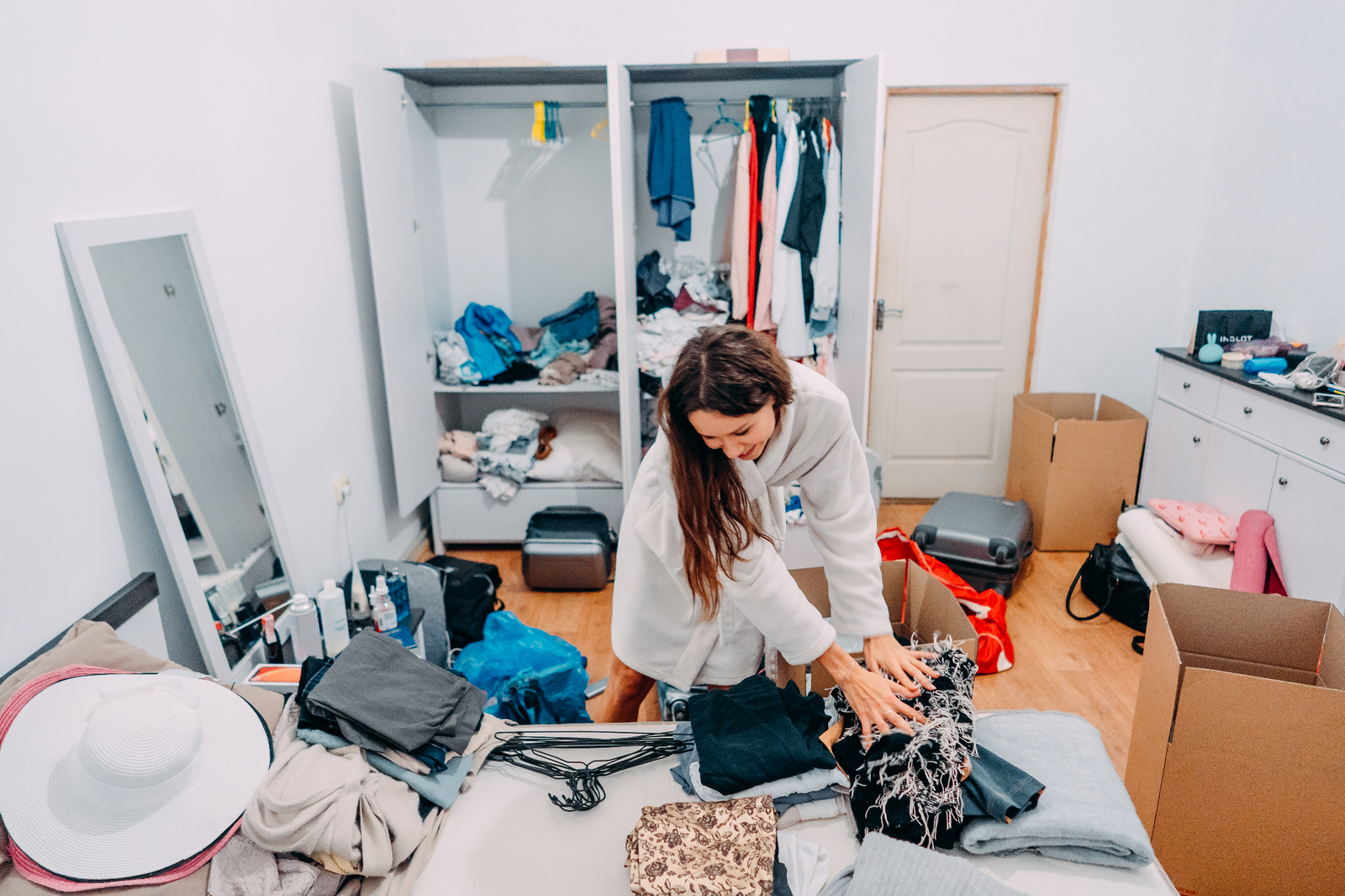
Three rounds of bins, a shoe tower, and an over-the-door rack later, the closet still jams every morning. Sweaters slide off sagging shelves, the back corner swallows whatever lands there, and the belt you wore last week has gone missing again. Sound familiar? Then your habits may not be the problem, and another store trip probably won’t fix it.
By the close of 2026, Harvard housing researchers say, yearly outlays on home improvement are expected to reach $518 billion. Still, closets often get quick fixes that never touch the real flaw. The five signs below show how to tell a clutter problem from a structural one, so you can decide whether to keep patching or rebuild.
The Quick Test: Decluttering Problem or Closet Problem?
If you have already purged your clothes and added organizers, and the closet still fails you, the closet itself is the problem. No bin can raise a rod, firm up a sagging shelf, or reach a dead corner.
A ten-minute test makes the call clear. Empty one section, sort what you plan to keep, and put it back. If everything fits but still feels awkward to reach, the layout is at fault. If the pile is too big for any closet, a purge should come first.
Watch for these five signs:
- Wasted vertical and corner space
- Wire shelves and rods that sag or snag
- A wardrobe mix that no longer fits the layout
- Organizers that clash with each other
- Repeat spending that never fixes the problem
Decluttering advice helps when you own too much, but it can’t fix shelves set at the wrong height or a single rod that wastes half a wall. That is usually the point where homeowners start looking at custom storage solutions. Firms that handle custom closet installation typically begin by measuring the existing space and designing around what the owner actually stores. A plan built that way tends to outlast another round of add-ons.
1. Wasted Vertical and Corner Space
Many builder-grade closets come with one rod at one height and a single shelf above it. That leaves empty wall under short shirts, a top shelf you can barely reach, and corners where things disappear. Floor bins just pile clutter on top of that waste, while built-in closet organizers with a double-hang rod can nearly double hanging space in the same width.
2. Wire Shelves and Rods That Sag and Snag
Wire shelving is cheap to put in, which is why so many homes have it. Over time it leaves ridges on folded knits, lets small items tip through the gaps, and bows under stacks of jeans. Rods can also pull loose from drywall anchors once they carry heavy coats. Any add-on hangs from that same weak base, so adjustable closet shelving systems with solid panels and proper wall support fix the root cause instead of hiding it.
3. Your Wardrobe Mix Has Changed
Most closets were built for the life you had when the house was finished, not the one you live now. You may own more shoes and bags, fold more than you hang, or share the space with a partner who needs long-hang room while you need drawers. That is where custom wardrobe systems help, since they can split one wall into zones for each person. Before deciding, ask yourself:
- What do I fold, and what do I hang?
- Who shares this space, and what does each person need?
- What do I dig for most often?
4. Your Organizers Clash With Each Other
Each organizer solves one small problem and then creates a new one. The shoe tower blocks the lower rod, the hanging shelf crowds the door, and the drawer unit covers the outlet. After a few years, the patchwork leaves the closet harder to use than it was empty. Add-ons that collide need one plan, not more parts.
5. The Cost of Patching Keeps Growing
Small purchases feel harmless, yet they add up fast. A hanging shelf, a shoe rack, bins, and a door organizer can pass a few hundred dollars, and many people buy two or three rounds of them. Most professional closet projects land between about $1,500 and $7,000, depending on size and materials. Then there is the daily cost: lost minutes, wrinkled clothes, and morning stress.
Choosing Between Organizers and a Full Rebuild
A Side-by-Side Comparison
Count how many signs fit your closet. Zero or one usually means a few well-chosen organizers will do, two or three point to a partial rework, and four or five suggest a rebuild is the better long-term value.
| Option | Best for | Typical cost | Time and effort | What it can’t fix |
| Add organizers | Renters, small reach-ins | Low, often a few hundred dollars | An afternoon | Fixed rods, weak shelves |
| Partial rework | One or two failing parts | Varies by scope | A weekend or one visit | The overall layout |
| Full rebuild | Four or five signs | About $1,500 to $7,000 | Weeks of planning, often a one-day install | Owning too many clothes |
Renters and owners of very small closets are the main exceptions. If you can’t change the walls, or a new layout would gain little space, organizers are still the right call.
What the Rebuild Process Looks Like
Most rebuilds follow the same path: consultation, measuring, a design (often with a 3D rendering), production, and installation. Expect six to eight weeks between the first measurement and the finished job, with the installation itself often wrapping up in a single day, although walk-in closet designs may need more time.
It pays to separate needs from wants before any remodel, and a closet is no exception. Gather these items first:
- Photos of the current closet
- Basic measurements of each wall
- A list of what you store, by type
- A short wish list and a budget range
Ask any provider about materials, warranties, and who does the installing, so you can compare quotes on equal terms.
What This Means for Frustrated Homeowners
If you recognized only one sign, a purge and a single smart organizer may be enough. If three or more sounded familiar, more add-ons will likely repeat the same cycle of spending and frustration.
Start with the ten-minute test, then measure each wall, take a few photos, and list what you actually store. With that in hand, you can weigh a partial fix against a full rebuild using real numbers instead of guesswork. Either way, you decide once. No more bins bought on hope alone, and the plan stays clear from the first measurement to the last shelf.
Questions People Also Ask About Closet Rebuilds
What Is the Average Cost to Redo a Closet?
Costs vary widely by size, materials, and finish. Basic reach-in systems often run from several hundred to a few thousand dollars, while custom walk-in builds commonly range from $3,000 to $10,000 or more. Solid wood, specialty hardware, lighting, and professional installation raise the total, so asking for itemized estimates makes comparing quotes much easier.
What Is the 3-3-3 Rule for a Wardrobe?
The 3-3-3 rule is a capsule approach that limits a wardrobe to three tops, three bottoms, and three pairs of shoes, mixed into several outfits. It cuts visual clutter and daily decision fatigue. It also shows how much hanging, shelf, and shoe storage you need before you plan a new closet layout.
What Should You Not Throw Out When Decluttering a Closet?
Keep items with lasting function or value, such as well-fitting basics, quality outerwear, formalwear for upcoming events, and tailored pieces. Also hold on to important documents stored in the closet, sentimental garments in good shape, and seasonal items you will wear again. Put uncertain pieces in a labeled box for a trial period before deciding.
Author

wildriseauthor@gmail.com
Related Posts

Startup Booted: Understanding the Meaning, Features, Benefits, and Challenges of Startup Booted
- 0
- 2,270 words
Introduction The world of entrepreneurship is constantly changing. Every year, thousands of people develop new business ideas, launch innovative products, and explore...
Read out all
Caquis Fruit: A Complete Guide to Its Taste, Health Benefits, Nutrition, and How to Eat It
- 0
- 2,693 words
Introduction to Caquis Fruit Caquis fruit is a delicious and nutritious fruit that has attracted attention among people who enjoy natural foods,...
Read out all
Fabio Lauria Electe: Biography, Career, Entrepreneurial Journey, and Vision for Artificial Intelligence
- 0
- 2,025 words
Introduction The world of artificial intelligence is changing how businesses operate, make decisions, and compete in an increasingly digital economy. Among the...
Read out all
Renovating in Garden Oaks or River Oaks? How to Protect Furniture, Art and Wine While You Build
- 0
- 1,038 word
A home renovation in Houston rarely goes to plan on the furniture side. Floors get refinished, walls come down, dust gets everywhere,...
Read out all
How Gimy Is Shaping Modern Online Streaming Culture
- 0
- 2,012 words
Online streaming has transformed the way people discover, watch, and enjoy entertainment. Not long ago, television schedules and cinema releases largely determined...
Read out all
How Real Estate Brands Can Build Buyer Trust Through Digital Marketing in Pune
- 0
- 583 words
Buying a property is a process which requires thorough research, planning and many decisions. Home buyers of today do not want just...
Read out all