
- 0
- 1,159 word
A cooking channel may begin with a simple idea: share recipes, explain useful kitchen techniques, and help people feel more confident preparing meals. But keeping a regular presenter on screen can be difficult. Filming requires time, suitable lighting, a camera setup, and often several takes to get a comfortable delivery. For creators working alone, these demands can become a barrier to publishing consistently.
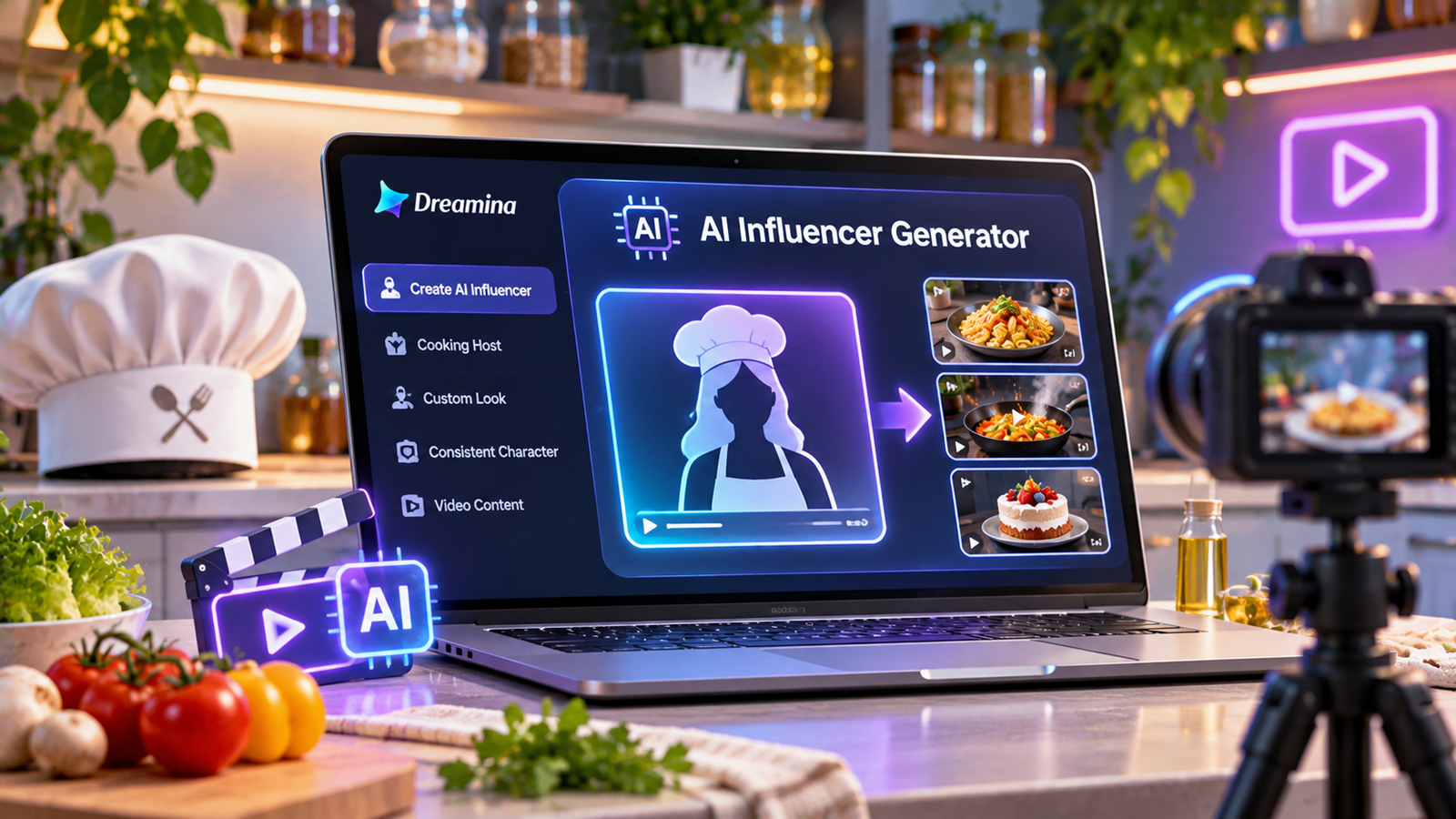
An ai influencer generator offers another way to develop a digital cooking host. It can help creators build a recognisable virtual presenter for recipe introductions, kitchen tips, and food-related educational content. However, a convincing digital personality needs more than an attractive appearance. It requires a clear identity, useful subject knowledge, and a presentation style that viewers can follow.
Start With the Host’s Purpose, Not Their Appearance
It is tempting to begin by choosing hair, clothing, facial features, and a background. Those choices matter, but they should support the kind of content the presenter will deliver. A virtual host for quick weekday meals might need a relaxed, practical personality. A presenter discussing traditional cooking techniques could benefit from a more thoughtful and explanatory style. Meanwhile, a channel teaching basic kitchen skills may need someone who communicates patiently and avoids unnecessary jargon.
Before generating a character, creators should answer a more important question: what should viewers gain from watching this person? The answer can guide several decisions:
- Audience: Are the videos intended for beginners, busy households, students, or experienced home cooks?
- Subject: Will the host cover recipes, food preparation, kitchen organisation, or cooking science?
- Personality: Should the delivery feel energetic, calm, humorous, or instructional?
- Setting: Would a home kitchen, studio-style counter, or simple neutral background suit the content?
This initial thinking prevents the character from becoming a decorative feature without a clear purpose.
Four Tests of a Useful Virtual Host
Once the concept is established, the character needs to work across different types of content. A useful way to assess the result is to consider four practical tests.
1. The recognition test
Could someone recognise the presenter when they appear in a different video? Consistency in facial features, hairstyle, clothing choices, and general visual presentation helps establish familiarity. Small changes may be appropriate for seasonal episodes, but completely different appearances can make the channel feel disconnected.
2. The communication test
Does the presenter suit the information being shared? A cheerful appearance cannot compensate for confusing explanations. Scripts should use clear language, explain unfamiliar cooking terms, and avoid presenting personal preferences as universal rules.
3. The flexibility test
Can the character appear in different situations without losing their identity? A cooking host might introduce a breakfast recipe one day and explain safe food storage the next. The background, outfit, or framing may change, but the overall personality should remain recognisable.
4. The trust test
Would viewers understand that the presenter is virtual? Transparency matters, particularly when content involves health, nutrition, food safety, or product recommendations. A digital character should not imply that it has personally cooked, tasted, or tested something when that experience has not occurred.
Turning One Character Into a Content Format
A virtual presenter becomes more valuable when creators build a repeatable editorial format around it. Instead of treating every upload as an unrelated video, they can develop a few recognisable series. For example, a cooking channel might organise its content into three recurring features:
- Kitchen Basics: Short explanations of chopping methods, measuring ingredients, and understanding common cooking terms.
- Recipe Decisions: Discussions about ingredient substitutions, preparation time, and adapting dishes to available equipment.
- Food Facts: Clear explanations of topics such as why dough rests, what browning does, or how different cooking methods affect texture.
These categories give viewers a reason to return while helping creators plan their scripts. They also reduce the pressure to invent an entirely new format for every upload. An AI influencer generator can support the creation of the presenter, while tools such as Dreamina may help develop complementary visual concepts for backgrounds or supporting scenes. The creator still needs to check that the finished material accurately represents the subject being discussed.
A Small Production Problem Worth Solving Early
Imagine a creator preparing a video about making bread. The virtual host introduces the recipe, but the character’s appearance changes between scenes. The lighting is inconsistent, and the script refers to an ingredient that never appears in the demonstration. These issues may seem minor individually, yet together they make the video feel unfinished. A simple production checklist can prevent many of these problems. Before publishing, the creator can review character consistency, pronunciation, ingredient names, visual continuity, and the accuracy of each instruction. If the video includes demonstrations, those scenes should be checked against reliable cooking guidance rather than accepted simply because they look realistic.
Creators should also consider accessibility. Clear captions, readable ingredient labels, manageable speaking speed, and uncluttered backgrounds make content easier to follow on small screens. Not everyone watches with sound enabled, and some viewers may need additional time to understand unfamiliar techniques.
Knowing When a Human Should Take the Lead
Virtual presenters are useful, but they do not replace every part of food content creation. A real cook’s experience can be essential when demonstrating texture, judging whether dough has been kneaded sufficiently, or showing how ingredients behave during preparation.
A balanced channel can combine a digital host with genuine footage, expert explanations, tested recipes, and carefully sourced information. This gives creators the flexibility of a virtual presenter without pretending that generated scenes provide real-world cooking experience.
Conclusion
A successful digital cooking host is built through purpose, consistency, and useful communication rather than appearance alone. An AI influencer generator can help creators establish a recognisable virtual presenter, but the lasting value comes from the content surrounding that character. Clear scripts, accurate cooking information, transparent presentation, and thoughtful production checks help turn a generated personality into a practical educational host that audiences can understand and trust.
Frequently Asked Questions
1. Can an AI influencer generator create a recurring cooking presenter?
Yes. It can help create a digital character intended for repeated use. Consistent visual references and carefully maintained character details can help preserve the presenter’s appearance across content.
2. Does a virtual cooking host need a detailed backstory?
Not necessarily. A simple, clear identity is often enough. The character’s role, communication style, and subject focus matter more than an elaborate fictional history.
3. Can a virtual presenter demonstrate actual cooking techniques?
A generated presenter can support visual explanations, but realistic-looking scenes should not automatically be treated as accurate demonstrations. Practical techniques and instructions need independent review.
4. Should creators disclose that their cooking host is AI-generated?
Yes. Clear disclosure helps viewers understand who or what is presenting the content, particularly when the channel discusses food safety, nutrition, or recommendations.
5. What makes a virtual cooking host worth following?
Useful information, clear explanations, consistent presentation, and reliable content give viewers a reason to return. A distinctive appearance can attract attention, but the quality of the information builds lasting interest.
Author

eliteguestpostsagency@gmail.com
Related Posts
Labarty: Understanding Its Meaning, Features, Uses, and Growing Digital Significance
- 0
- 2,425 words
In today’s rapidly changing digital world, new terms, concepts, and online platforms appear regularly. Some become popular because of their practical applications,...
Read out all
Mietmakler: Understanding the Role, Responsibilities, Benefits, and Importance of Rental Property Agents
- 0
- 2,700 words
Introduction to Mietmakler Finding the right rental property can be a challenging experience, especially in competitive housing markets where attractive apartments and...
Read out all
JustClickSky.com: Exploring Its Features, Online Experience, Benefits, and Digital Potential
- 0
- 2,372 words
The internet is full of websites designed to make everyday online activities easier, faster, and more convenient. From entertainment and information to...
Read out all
The Borgen Project: Mission, History, Global Impact, and Its Fight Against Extreme Poverty
- 0
- 2,739 words
Global poverty remains one of the most significant challenges facing humanity. Millions of people around the world struggle to access nutritious food,...
Read out all
Crackstube: Understanding the Platform, Its Features, Online Presence, and Digital Publishing Opportunities
- 0
- 2,508 words
The internet is full of websites that introduce new ways to discover information, explore digital trends, and connect with online communities. Among...
Read out all
Messonde: Exploring the Meaning, Features, Uses, and Growing Interest in Messonde
- 0
- 2,143 words
In today’s rapidly changing digital world, new words, names, platforms, and concepts frequently attract attention. One term that may leave people curious...
Read out all