
- 0
- 2,858 words
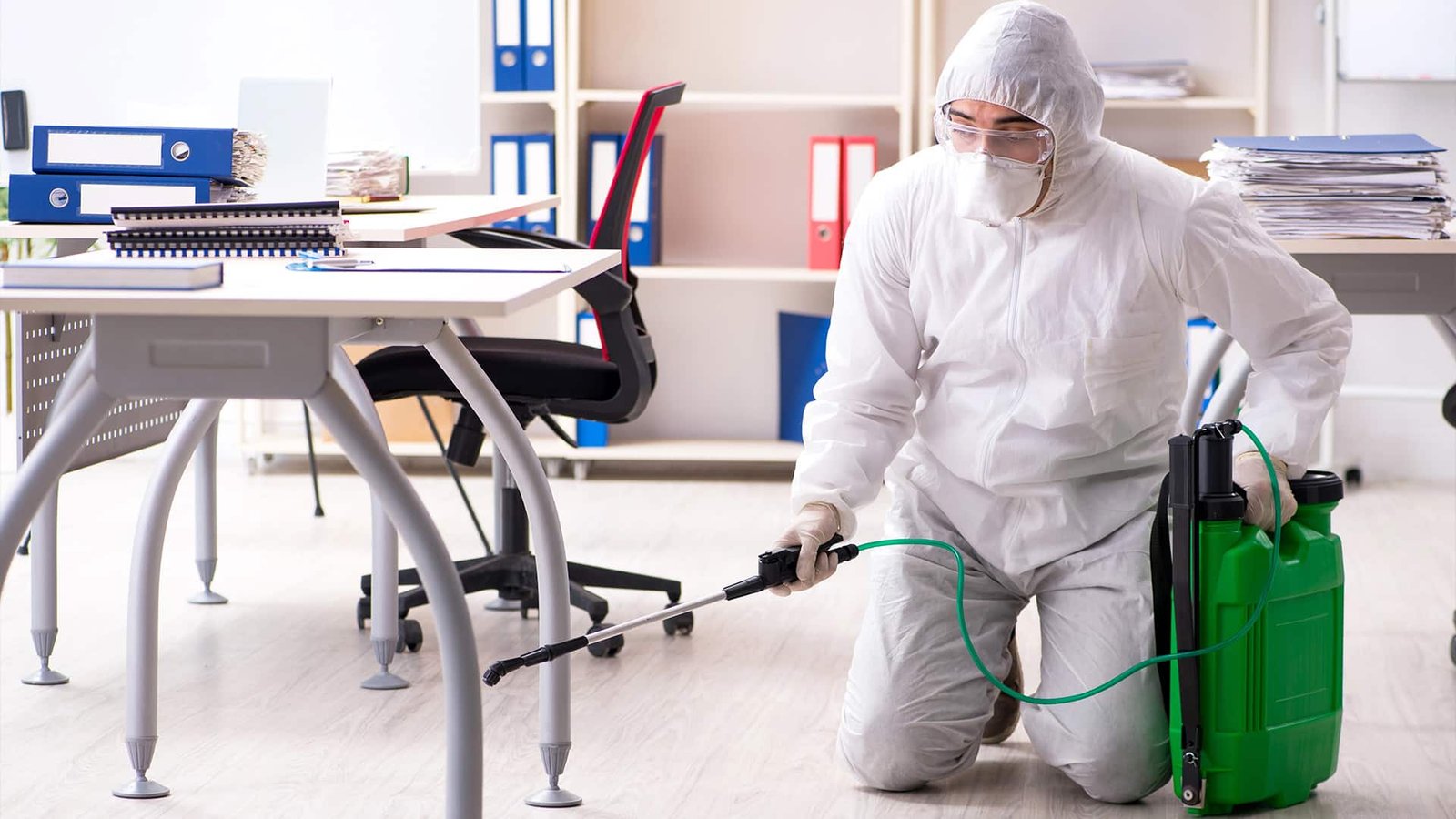
Pest infestations can create serious problems for homeowners, business owners, and property managers, especially when they appear unexpectedly or spread rapidly. From rodents and cockroaches to ants, termites, bed bugs, and other unwanted insects, pests can damage property, contaminate food, and create uncomfortable living or working conditions. While some pest problems develop gradually, others require immediate attention because they can quickly become difficult to manage. In these situations, professional emergency pest control services provide an effective way to identify the source of an infestation, address the immediate problem, and prevent further damage. Taking prompt action is important because even a relatively small pest issue can become a major concern when it is ignored.
Maintaining a clean and healthy environment requires more than occasional cleaning or the use of ordinary household sprays. Different pests have different breeding habits, hiding places, and treatment requirements, which means that successful removal often requires a professional approach. Experienced pest control specialists understand how to assess infestation levels, select suitable treatment methods, and apply products according to safety guidelines. Their knowledge helps property owners deal with urgent situations while reducing the possibility of recurring infestations. Understanding the importance of professional pest management, common warning signs, and preventive measures can help individuals protect their properties and maintain healthier surroundings.
Understanding the Importance of Immediate Pest Management
Pest problems should never be underestimated because they can affect several aspects of a property at the same time. Some insects contaminate food preparation areas, while others damage furniture, electrical wiring, wooden structures, and stored belongings. Rodents can spread harmful microorganisms through their droppings and urine, while certain insects may cause painful bites, allergic reactions, or skin irritation. When these problems become noticeable, delaying treatment can allow pests to reproduce and spread into additional rooms or neighboring areas. Prompt attention helps limit the extent of an infestation and reduces the effort required to eliminate it.
One of the biggest challenges associated with pest infestations is that many species remain hidden during the early stages. Cockroaches often shelter inside cabinets, wall gaps, and appliances, while bed bugs hide in mattress seams, furniture joints, and other narrow spaces. Termites may remain inside wooden structures for extended periods before visible damage appears. Because pests are not always easy to locate, property owners may underestimate the seriousness of a problem. Professional inspections help identify hidden activity and determine whether an infestation is limited to one area or has spread throughout the building.
Immediate treatment is particularly important in environments where hygiene and safety are essential. Restaurants, hotels, healthcare facilities, warehouses, schools, and food storage businesses must maintain appropriate pest management standards to protect employees, customers, and visitors. An unexpected infestation in these settings can interrupt daily operations, damage a business’s reputation, and create additional cleaning or repair expenses. Having access to reliable pest management support allows property managers to respond quickly and maintain suitable environmental conditions.
Common Signs That Indicate a Serious Pest Infestation
Recognizing the early warning signs of pest activity can help prevent a minor issue from developing into a larger infestation. One of the most common indicators is the appearance of live insects or rodents in areas where they are not normally expected. Seeing a single insect does not always indicate a serious problem, but repeated sightings, especially during daytime or in multiple rooms, may suggest that pests are breeding nearby. Property owners should pay attention to unusual activity around kitchens, bathrooms, storage areas, basements, and places where food or moisture is present.
Droppings, unpleasant odors, damaged packaging, and unusual stains can also indicate pest activity. Rodents may leave small droppings near food storage areas, cabinets, and wall edges, while cockroaches can produce dark marks in hidden corners. Bed bug infestations may be associated with small blood spots on bedding, shed skins, and dark spotting around mattress seams. Termites may leave damaged wood, discarded wings, mud tubes, or hollow-sounding surfaces. These signs should be investigated carefully rather than dismissed as ordinary household dirt or wear.
Another warning sign is unexplained property damage. Chewed wires, damaged cardboard boxes, holes in food packaging, and deteriorating wooden structures may indicate that pests are actively using the property. Some insects can remain concealed for months, making structural damage difficult to detect until it becomes extensive. Regular inspections and prompt professional assessments can help determine the cause of these problems. Identifying the pest correctly is essential because different species require different treatment approaches.
Dealing With Cockroach Infestations
Cockroaches are among the most difficult household pests to manage because they reproduce quickly and can survive in a variety of environments. They are commonly attracted to food crumbs, grease, standing water, and poorly maintained waste areas. Kitchens, bathrooms, drains, storage cupboards, and spaces behind household appliances provide suitable hiding places. Cockroaches are particularly troublesome because they can move between contaminated areas and food preparation surfaces, potentially spreading bacteria and other unwanted microorganisms.
When a cockroach infestation becomes noticeable, simply spraying the insects that appear in open areas may not solve the underlying problem. Many cockroaches remain hidden in cracks, cabinets, and wall openings, where ordinary cleaning products cannot reach them. Professional technicians can inspect these locations, identify common entry points, and select appropriate treatments based on the infestation level. Depending on the situation, treatment may involve targeted applications, suitable baits, monitoring stations, and recommendations for improving sanitation.
Preventing cockroach infestations requires consistent cleaning and moisture management. Food should be stored in sealed containers, rubbish should be removed regularly, and spills should be cleaned as soon as possible. Leaking pipes and dripping taps should also be repaired because cockroaches need access to water. Sealing cracks around cabinets, plumbing openings, and wall joints can reduce potential hiding places. Combining professional treatment with good household practices provides a more reliable approach to long-term prevention.
Managing Rodent Problems Before They Spread
Rodents such as rats and mice can create significant problems in residential and commercial properties. They are capable of entering buildings through surprisingly small openings and often remain active in ceilings, wall cavities, storage rooms, and areas behind appliances. Their presence can lead to damaged food supplies, contaminated surfaces, unpleasant odors, and structural concerns. One particularly serious risk involves their habit of chewing electrical cables and other materials, which can create additional safety hazards.
A rodent infestation often becomes noticeable through scratching sounds, droppings, gnaw marks, or damaged food packaging. Some property owners may also notice unusual odors or grease marks along walls where rodents frequently travel. These warning signs should be investigated quickly because rodents can reproduce rapidly when they have access to food, water, and suitable shelter. Professional pest specialists can inspect the property, identify entry points, and recommend an appropriate management strategy.
Effective rodent management generally involves more than removing the animals already present. Technicians may use approved traps, suitable monitoring methods, and carefully selected control products where appropriate. They can also advise property owners about sealing gaps, improving waste storage, and removing materials that provide nesting opportunities. Food should be stored securely, rubbish containers should have tight-fitting lids, and outdoor areas should remain free from unnecessary clutter. Addressing the conditions that attract rodents is essential for reducing the likelihood of another infestation.
Professional Treatment for Bed Bug Infestations
Bed bugs are particularly frustrating because they can hide in small spaces and remain unnoticed until people begin experiencing bites or discovering other signs of activity. These insects commonly shelter around mattress seams, bed frames, upholstered furniture, headboards, and cracks in nearby walls. They are often transported between locations through luggage, clothing, second-hand furniture, and other personal belongings. Although bed bugs are not generally associated with spreading disease, their bites can cause itching, irritation, and sleep disturbances.
Treating bed bugs requires careful inspection because visible insects represent only part of the possible infestation. Eggs and young insects may remain concealed in furniture joints, fabric folds, and narrow gaps. Ordinary insect sprays may fail to reach these hiding places, and inappropriate chemical applications can create unnecessary exposure risks. Professional technicians understand how to inspect affected rooms and select treatment methods based on the severity and distribution of the infestation.
Preparation is an important part of successful bed bug management. Depending on professional instructions, residents may need to wash and dry certain fabrics, reduce clutter, prepare furniture, and provide access to affected areas. Items should not be moved carelessly between rooms because this can spread the infestation. Follow-up inspections may also be necessary to determine whether additional treatment is required. Careful preparation, professional application, and ongoing monitoring can help achieve better results.
Why Professional Pest Control Is Better Than Temporary Solutions
Many property owners initially attempt to manage infestations using supermarket sprays, insect powders, traps, or home remedies. While some products may help reduce visible pest activity, they do not always address the source of the problem. Different species respond to different control methods, and using an unsuitable product can waste time while allowing the infestation to continue. In some situations, incorrect applications may also expose people and pets to unnecessary chemical contact.
Professional technicians approach pest problems through inspection, identification, treatment planning, and follow-up recommendations. Instead of relying on a single general-purpose product, they evaluate the pest species, infestation level, property conditions, and potential risks. This allows them to select more appropriate treatment methods and focus on areas where pests are likely to hide or reproduce. Their experience can be especially valuable when infestations involve multiple rooms or difficult-to-access locations.
Another advantage of professional services is the attention given to prevention. Removing visible pests is only one part of effective management. Technicians can identify sanitation problems, structural gaps, excess moisture, and other conditions that may contribute to recurring activity. They can also explain practical steps that property owners should follow after treatment. This combination of immediate action and preventive advice helps create a more sustainable pest management strategy.
Safety Considerations During Pest Treatment
Safety should always be a priority whenever pest control products or equipment are used. Certain treatments involve chemical substances that must be handled and applied according to manufacturer instructions and applicable regulations. Incorrect application, excessive quantities, or inappropriate storage can create unnecessary risks for residents, employees, pets, and visitors. Professional pest management providers should therefore use suitable products and follow established safety procedures.
Before treatment begins, property owners should explain whether children, older adults, pets, or individuals with known chemical sensitivities occupy the premises. This information can help technicians determine which treatment methods and precautions are appropriate. Depending on the products used, occupants may need to leave particular rooms or remain outside the property for a specified period. Technicians should explain these requirements clearly and provide instructions about ventilation, cleaning, and re-entry.
After treatment, residents should follow the professional’s recommendations rather than immediately washing or disturbing treated surfaces. Some products require a particular amount of time to remain effective, while other treatments may involve specific cleaning instructions. Food, utensils, toys, and personal belongings should be protected according to the treatment plan. Asking questions before and after service helps ensure that everyone understands the necessary precautions and knows how to maintain a safe environment.
Emergency Pest Control for Commercial Properties
Commercial properties often face additional challenges because pest activity can affect customers, employees, inventory, and daily business operations. Restaurants, hotels, supermarkets, offices, food processing facilities, and warehouses must maintain clean environments to protect their reputation and meet applicable hygiene requirements. Even a limited infestation can create serious concerns when it appears in a public-facing area or near stored products. A rapid and organized response helps businesses address the problem while minimizing disruption.
Restaurants and food businesses are particularly vulnerable to pests because food, water, heat, and storage spaces can attract insects and rodents. Kitchens should be inspected regularly, food waste should be managed carefully, and storage areas should remain clean and organized. Businesses should also maintain appropriate records of inspections and pest management activities. When signs of an infestation appear, management should arrange a professional assessment and take suitable steps to protect food and restrict access to affected areas.
Hotels and accommodation providers must also pay close attention to pest prevention because guests expect clean and comfortable rooms. Bed bugs, cockroaches, ants, and rodents can negatively affect guest confidence and generate complaints. Staff members should be trained to recognize common warning signs and report suspected activity promptly. Regular inspections of guest rooms, laundry facilities, kitchens, and storage areas can help identify problems before they become widespread. A documented pest management plan supports consistent monitoring and helps management respond more effectively to unexpected situations.
Preventive Measures That Reduce Future Infestations
Preventing pest problems is generally easier and less expensive than dealing with a severe infestation. One of the most important preventive measures is maintaining good sanitation throughout the property. Food scraps, uncovered rubbish, dirty dishes, and spilled liquids provide attractive feeding opportunities for many pests. Cleaning kitchens regularly, emptying waste containers, and storing food in secure packaging can reduce the conditions that support pest activity.
Moisture control is equally important because several common pests depend on water to survive. Leaking pipes, blocked drains, condensation, and standing water can create suitable environments for insects and rodents. Property owners should repair plumbing problems promptly, improve ventilation where necessary, and keep drainage systems functioning correctly. Bathrooms, kitchens, laundry rooms, and basements deserve particular attention because moisture often accumulates in these spaces.
Structural maintenance can also make a significant difference. Small openings around doors, windows, pipes, and foundations may provide entry points for unwanted pests. Sealing appropriate gaps, repairing damaged screens, and installing suitable door sweeps can help limit access. Outdoor maintenance is important as well, particularly around rubbish storage, gardens, drains, and building foundations. Removing unnecessary clutter and keeping vegetation under control reduces potential shelter and nesting locations.
Choosing a Reliable Pest Management Company
Selecting the right pest management provider is important because the quality of the service can influence both treatment effectiveness and safety. Property owners should look for companies with appropriately trained technicians, relevant licensing or certifications where required, and experience handling the type of infestation involved. A professional provider should be willing to explain its inspection process, treatment options, expected results, and any necessary safety precautions.
Transparent communication is another important consideration. Customers should receive clear information about the services included, potential additional costs, preparation requirements, and follow-up arrangements. Be cautious of providers who promise guaranteed results without inspecting the property or explaining how the treatment will work. Pest management depends on several factors, including infestation severity, building conditions, sanitation, and cooperation from occupants. Honest expectations are more useful than unrealistic promises.
Customers should also ask whether the company provides written service reports or treatment recommendations. These documents can help property owners understand what was identified, which areas were treated, and what preventive actions should follow. For commercial properties, maintaining service records may also support internal hygiene procedures and relevant compliance requirements. A reliable provider focuses on solving the problem responsibly rather than simply completing a one-time application.
The Importance of Regular Inspections and Follow-Up Services
Pest management should not always end immediately after the first treatment. Certain infestations require monitoring or additional visits because eggs, concealed insects, or untreated areas may remain after the initial service. Follow-up inspections help technicians evaluate whether the treatment has worked as expected and whether further action is necessary. This is particularly relevant for persistent pests such as bed bugs, termites, and rodents, which may require more comprehensive management strategies.
Regular inspections can also identify new pest activity before it develops into a major problem. Property owners should pay attention to storage spaces, kitchens, utility areas, roof spaces, and other locations where pests may remain hidden. Commercial properties may benefit from scheduled inspections and documented monitoring programs based on their operating requirements. These arrangements help management identify recurring conditions and make improvements before an infestation affects daily operations.
Communication between property occupants and pest specialists is essential during follow-up. Residents should report continued sightings, unusual odors, new damage, or other signs that appear after treatment. They should also follow any recommendations concerning cleaning, food storage, waste management, and structural repairs. Consistent monitoring and cooperation help improve treatment outcomes and reduce the likelihood of recurring problems.
Conclusion
Pest infestations can develop unexpectedly and create serious challenges for residential and commercial properties. From cockroaches and rodents to bed bugs, termites, and other unwanted insects, different pests require appropriate identification and carefully selected treatment methods. Responding quickly can help reduce property damage, protect hygiene, and prevent an infestation from spreading into additional areas. Professional inspections, suitable treatment procedures, and responsible safety practices provide a structured way to manage urgent pest problems.
Effective pest management also requires long-term attention to cleanliness, moisture control, structural maintenance, and regular monitoring. Property owners should avoid relying entirely on temporary household solutions when an infestation is persistent or widespread. Working with qualified specialists can help identify hidden pest activity, address the underlying causes, and establish practical prevention measures. A dependable emergency pest control service can support a faster response when unexpected infestations threaten the comfort and safety of a property. Ultimately, combining professional expertise with consistent preventive habits creates a cleaner, healthier, and more comfortable environment for everyone.
Author

thedailygurdian@gmail.com
Related Posts

Pool Resurfacing: Transform Your Swimming Pool with Durable Finishes and Professional Restoration
- 0
- 3,191 words
Introduction A swimming pool is more than just an attractive feature of a residential or commercial property. It provides a relaxing environment,...
Read out all
Hardscaping: Transforming Outdoor Spaces With Durable Design and Functional Features
- 0
- 3,328 words
Creating an attractive outdoor environment requires more than selecting beautiful plants, maintaining a healthy lawn, and adding colorful flowers. The structural elements...
Read out all
Startup Booted Fundraising Strategy: A Complete Guide to Building and Growing a Business Without External Investment
- 0
- 2,701 words
Starting a business is an exciting journey, but finding enough money to turn an idea into a successful company can be challenging....
Read out all
Manga District: Exploring the World of Manga, Online Reading, and Japanese Comics
- 0
- 2,182 words
Introduction Manga has become one of the most popular forms of entertainment worldwide. What started as a distinctive Japanese storytelling tradition has...
Read out all
Malaysian Assurance Alliance: History, Growth, Insurance Services, and Its Connection to Zurich
- 0
- 2,699 words
The Malaysian insurance industry has experienced significant growth and transformation over the years. Several companies have contributed to this development by introducing...
Read out all
Colegia: Understanding Its Meaning, Features, Benefits, and Growing Importance in the Digital World
- 0
- 2,232 words
Introduction The internet has introduced countless new words, platforms, services, and concepts that influence how people communicate, learn, and access information. One...
Read out all