
- 0
- 3,328 words
Creating an attractive outdoor environment requires more than selecting beautiful plants, maintaining a healthy lawn, and adding colorful flowers. The structural elements of a landscape play an equally important role in determining how an outdoor space looks, feels, and functions. Hardscaping refers to the non-living features incorporated into landscape designs, including patios, walkways, retaining walls, stone pathways, driveways, outdoor kitchens, fire pits, and decorative paving. These features provide structure, improve accessibility, establish functional outdoor areas, and create a visually appealing connection between different parts of a property. When thoughtfully designed and professionally installed, hardscape features can transform an ordinary yard into a comfortable and organized outdoor living environment.
Homeowners and commercial property owners increasingly recognize the importance of outdoor spaces that combine appearance with practical functionality. A well-designed patio can provide an inviting area for relaxation, while stone walkways make it easier to navigate gardens and connect different sections of a property. Retaining walls can help manage changes in elevation, and decorative paving can create attractive surfaces for entertaining guests or accommodating outdoor furniture. However, successful landscape improvements require careful planning, suitable material selection, proper drainage, and professional installation. Understanding the different elements of hardscaping, their advantages, and their maintenance requirements can help property owners make informed decisions and create outdoor environments that remain attractive and functional for years.
Understanding the Concept of Hardscaping
Hardscaping is an essential part of landscape design that focuses on permanent or semi-permanent non-living structures. Unlike softscaping, which includes plants, trees, grass, flowers, and other natural elements, hardscaping involves materials such as concrete, brick, natural stone, pavers, gravel, and decorative masonry.
These structural elements provide organization and purpose to outdoor environments. For example, a paved walkway can connect the entrance of a property to a garden, while a patio can establish a designated space for dining and relaxation. Retaining walls can support soil on sloped properties, and decorative stone borders can separate planting beds from surrounding lawns.
Hardscape features also influence the overall appearance of a landscape. Their colors, textures, shapes, and materials can complement architectural styles and create visual balance throughout the property. Modern designs may use clean geometric lines and large concrete pavers, while traditional landscapes may incorporate natural stone, brick pathways, and curved retaining walls.
The most successful outdoor designs combine hardscape and softscape elements rather than treating them as separate features. Integrating plants, trees, decorative lighting, and structural materials creates a balanced environment that is both attractive and practical.
Why Hardscaping Is Important for Outdoor Spaces
A thoughtfully designed landscape should provide more than visual appeal. It should also make outdoor areas easier to access, maintain, and enjoy. Hardscaping helps achieve these goals by introducing functional surfaces and structures that support everyday activities.
One important benefit is improved organization. Defined walkways, patios, seating areas, and garden borders help divide a large outdoor space into practical sections. This makes the property feel more organized and allows different activities to take place without interfering with one another.
Hardscape features can also improve accessibility. Properly designed pathways provide stable walking surfaces, while paved entrances and driveways can support regular pedestrian and vehicle movement.Another advantage is durability. Materials such as concrete, natural stone, and quality pavers can withstand regular outdoor use when selected and installed correctly. Unlike living landscape elements, they do not require watering, mowing, or seasonal planting.
Hardscaping can also contribute to property value by improving curb appeal and expanding usable outdoor living areas. Attractive patios, well-maintained walkways, and functional retaining walls can make a property more appealing to prospective buyers.
Popular Hardscaping Features for Residential Properties
Residential landscapes can benefit from many different hardscape elements, depending on the available space, architectural style, and homeowner preferences.
Patios are among the most popular options because they create comfortable outdoor areas for dining, relaxing, and entertaining. They can be constructed using concrete, brick, natural stone, or interlocking pavers.Walkways provide connections between different parts of a property. They may lead from the driveway to the entrance, connect patios with gardens, or create attractive routes through landscaped areas.
Retaining walls are particularly useful on properties with uneven terrain. They help hold soil in place, create level planting areas, and provide additional structure to sloped landscapes.
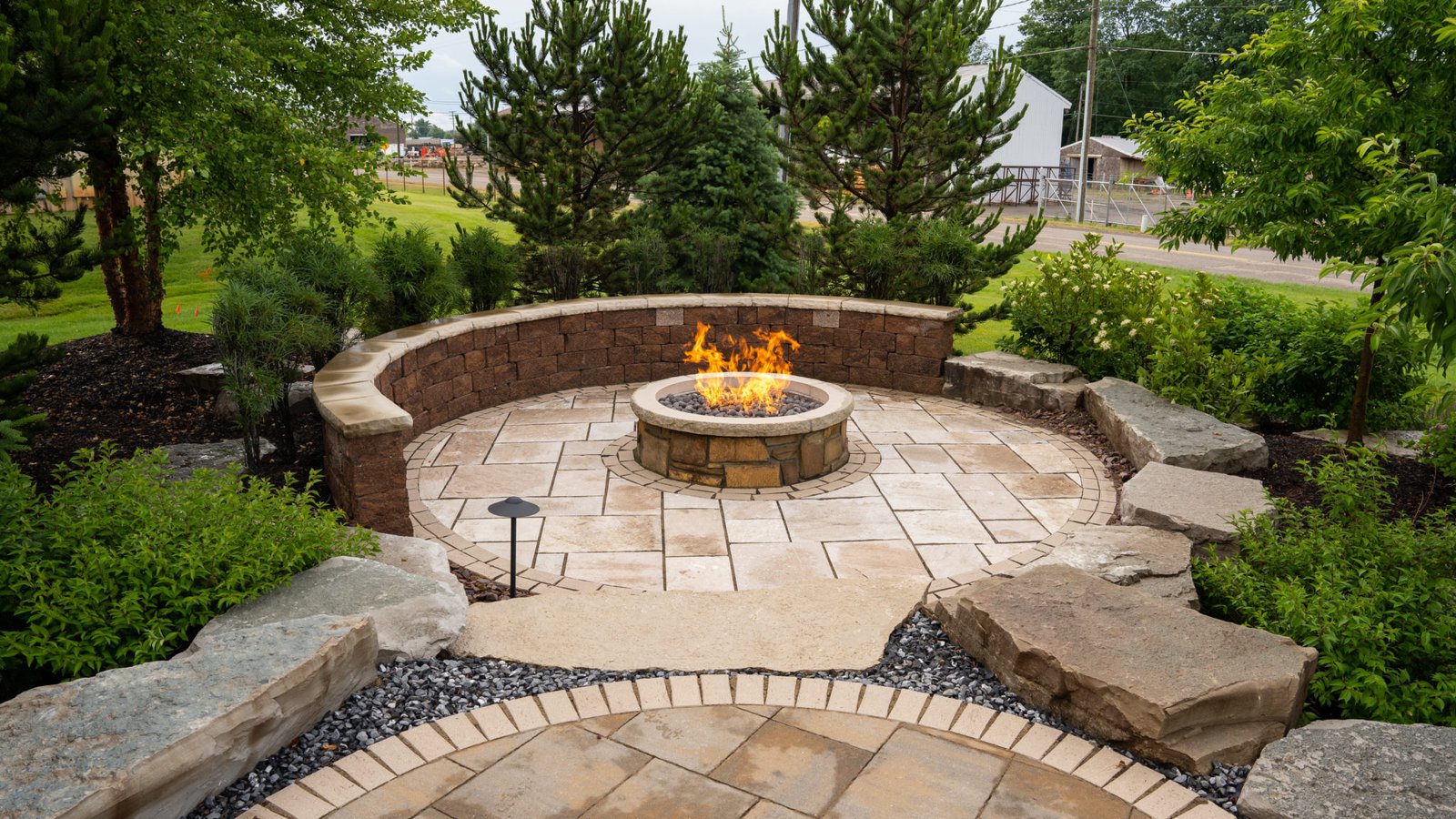
Outdoor kitchens and built-in seating areas can make residential yards more functional. These features allow homeowners to enjoy cooking and social activities outside while making better use of available space.Fire pits are another attractive addition. They can establish a central gathering area and provide a welcoming atmosphere during cooler weather. Their placement and construction should account for applicable fire safety requirements and nearby structures.
Designing Attractive Patios and Outdoor Living Areas
A patio can become one of the most valuable features of an outdoor environment because it provides a dedicated space for relaxation and entertainment. The right design should consider the property’s available dimensions, intended use, architectural style, and surrounding landscape.
Large patios may accommodate dining tables, lounge furniture, outdoor kitchens, and decorative accessories. Smaller spaces can benefit from simple paving arrangements and compact seating areas that maximize functionality without making the yard feel crowded.
Material selection has a significant impact on the patio’s appearance. Concrete pavers offer flexibility in size, color, and pattern, while natural stone provides unique textures and variations. Brick can create a traditional appearance, whereas large-format porcelain paving may complement contemporary designs when an appropriate outdoor-rated product is selected.
The layout should also account for drainage and surface levels. Patios need suitable grading to prevent rainwater from collecting near the house or creating slippery areas.
Adding lighting, planters, pergolas, and comfortable outdoor furniture can further improve the space. When these elements are coordinated with the surrounding landscape, a patio becomes a natural extension of the indoor living environment.
Walkways and Pathways That Improve Accessibility
Walkways are important hardscape features because they connect different areas of a property and create organized routes through outdoor spaces. A properly designed pathway can improve accessibility while adding visual interest to the overall landscape.
Straight walkways are commonly used in modern designs because they create a clean and structured appearance. Curved pathways may be more suitable for gardens and traditional landscapes because they introduce softer lines and create a natural sense of movement.
Material choices include concrete, brick, flagstone, gravel, and interlocking pavers. Each option offers different visual characteristics and maintenance requirements.Pathway width should reflect its intended purpose. A narrow garden path may be sufficient for occasional pedestrian use, while a main entrance walkway should provide enough space for comfortable movement.
Surface texture is another important consideration. Materials should provide suitable traction under expected weather conditions, particularly in areas exposed to rain or moisture.Landscape lighting can improve visibility along walkways during the evening. Combining functional lighting with attractive paving helps create an outdoor environment that is both practical and welcoming.
Retaining Walls for Sloped and Uneven Landscapes
Retaining walls are designed to support soil and manage changes in ground elevation. They are especially useful for properties with sloping yards, uneven terrain, or areas where landscaping requires additional structural support.
A properly constructed retaining wall can create level sections for planting beds, patios, walkways, and other outdoor features. It can also help reduce soil movement when designed according to the site’s specific conditions.Retaining walls are available in different materials, including concrete blocks, natural stone, brick, and reinforced concrete. The most suitable option depends on wall height, soil characteristics, drainage conditions, appearance, and structural requirements.
Drainage is particularly important in retaining wall construction. Water pressure can accumulate behind a wall when drainage is inadequate, potentially causing movement, cracking, or structural failure. Proper drainage materials and systems should therefore be incorporated into the design.Larger retaining walls may require engineering assessments, permits, and specialized construction methods. Property owners should work with qualified professionals to ensure that the structure is appropriate for the site’s conditions.
Choosing the Right Materials for Hardscaping Projects
Material selection is one of the most important decisions in any outdoor improvement project. The materials should complement the property’s architecture while meeting practical requirements related to durability, maintenance, weather exposure, and budget.
Natural stone is valued for its distinctive appearance and organic textures. Each piece may have unique patterns and color variations, making it suitable for patios, pathways, steps, and retaining walls.Concrete is another versatile option. It can be poured into different shapes, stamped with decorative patterns, or finished with different textures and colors. Its flexibility makes it useful for driveways, patios, and other outdoor surfaces.
Brick provides a traditional appearance and can be arranged in several patterns. It is frequently used for pathways, garden borders, and patios.
Interlocking pavers are popular because they are available in different sizes, shapes, colors, and finishes. Individual units can often be replaced if damaged, making repairs more manageable than replacing an entire continuous surface.
Gravel is a practical option for certain pathways, decorative areas, and drainage applications. However, its suitability depends on the intended use and the quality of the base preparation.Selecting quality materials and ensuring proper installation can significantly influence the performance and lifespan of hardscape features.
The Importance of Proper Drainage in Hardscaping
Drainage is a critical part of landscape construction because water accumulation can damage paving, retaining walls, foundations, and surrounding outdoor features.
When hardscape surfaces are installed without suitable grading, rainwater may collect in low areas. Standing water can create slippery surfaces, encourage unwanted vegetation growth, and contribute to material deterioration.Proper drainage planning begins with understanding the property’s natural slope and identifying where rainwater currently flows. Patios, walkways, and driveways should be designed to direct water toward suitable drainage areas rather than allowing it to collect near buildings.
Permeable paving may also be useful in certain applications because it allows water to pass through the surface into an appropriately designed base. This can help manage runoff when site conditions and installation specifications support its use.
Retaining walls require particular attention because water pressure behind the structure can affect stability. Drainage aggregate, suitable outlets, and other engineered measures may be necessary.Professional planning helps ensure that hardscape improvements do not create drainage problems elsewhere on the property.
Hardscaping for Small Outdoor Spaces
Limited outdoor space does not prevent property owners from creating attractive and functional landscapes. In fact, thoughtful hardscape design can make smaller yards feel more organized and useful.
Compact patios can provide comfortable seating areas without occupying the entire yard. Simple paver patterns and coordinated materials can create visual consistency while maintaining enough space for plants and decorative features.Vertical design elements can also improve smaller landscapes. Raised planters, low retaining walls, and decorative screens can introduce structure without requiring large amounts of ground space.Multifunctional features are particularly useful. For example, built-in seating along a retaining wall can provide additional places to sit without requiring separate outdoor furniture.
Choosing lighter colors and consistent paving materials may help smaller spaces feel more open. Avoiding unnecessary design complexity can also create a cleaner appearance.A well-planned small landscape can provide an effective combination of seating, accessibility, greenery, and visual appeal.
Commercial Hardscaping for Professional Properties
Commercial properties often require outdoor spaces that combine attractive design with durability and practical functionality. Offices, hotels, retail centers, restaurants, apartment complexes, and other businesses can benefit from carefully planned hardscape improvements.
Paved walkways help organize pedestrian movement and create clear connections between entrances, parking areas, and outdoor amenities. Attractive plazas and seating areas can provide comfortable spaces for customers, employees, and visitors.Commercial patios and outdoor dining areas can expand the usable space of restaurants and hospitality facilities. Durable paving materials and suitable drainage systems are important because these surfaces may experience frequent foot traffic and regular cleaning.
Retaining walls, decorative borders, and landscaped seating areas can also improve the appearance of larger commercial properties.Accessibility should remain a priority throughout the design process. Walkways, ramps, transitions, and other features should comply with applicable accessibility requirements.
Professional installation and regular maintenance help commercial property owners preserve the appearance, safety, and functionality of outdoor spaces.
Creating Beautiful Outdoor Kitchens and Entertainment Areas
Outdoor kitchens have become an increasingly desirable feature because they allow homeowners to enjoy cooking and social activities in an open-air environment. These spaces can range from simple grilling stations to fully equipped cooking areas with counters, storage, sinks, and built-in appliances.
Hardscape design provides the foundation for these installations. Durable paving materials create stable surfaces, while stone or masonry structures can support counters, seating, and cooking equipment.The layout should provide enough room for movement and allow cooking activities to take place safely. Ventilation, utility connections, fire safety, and weather protection should be considered during the planning stage.
Outdoor entertainment areas may also include built-in seating, pergolas, fire features, and decorative lighting. Coordinating these elements creates a comfortable setting for family gatherings and social events.
Material selection should account for exposure to heat, moisture, sunlight, and regular use. Using suitable outdoor-rated materials helps maintain appearance and functionality over time.
Hardscaping and Property Value
Outdoor improvements can influence how a property is perceived by visitors and potential buyers. Attractive paving, organized walkways, well-designed patios, and functional retaining walls can improve curb appeal and create a more complete landscape.
A professionally constructed patio may increase the property’s usable outdoor living space. A clean and accessible pathway can make the entrance more inviting, while decorative retaining walls can improve the organization of uneven terrain.The value of these improvements depends on the property’s location, market conditions, construction quality, design, and buyer preferences. Not every project will produce the same financial return, so improvements should be selected according to practical needs as well as potential resale appeal.
Quality workmanship is particularly important. Poorly installed pavers, inadequate drainage, unstable retaining walls, and uneven surfaces can reduce the benefits of an otherwise attractive design.Property owners should prioritize durable materials and professional installation rather than focusing exclusively on appearance.
Understanding the Hardscaping Installation Process
A successful hardscaping project begins with careful planning and site evaluation. The first stage involves assessing the available space, identifying existing landscaping features, and determining the intended purpose of the improvement.
Design development follows, with decisions about layout, dimensions, materials, colors, and structural features. Drainage requirements and access considerations should also be addressed at this stage.Once the design is finalized, the installation area is prepared. Depending on the project, this may involve removing existing vegetation, excavating soil, establishing elevations, and preparing a stable base.
For paved surfaces, base preparation is particularly important. Suitable aggregates are installed and compacted to provide a stable foundation for the finished materials. Edge restraints may also be required to maintain the position of pavers.
Retaining walls and other structural elements require additional attention to foundations, reinforcement, drainage, and site conditions.The final stages involve installing the selected materials, completing joints, checking surface levels, and cleaning the area. A final inspection helps identify any issues that should be corrected before the project is considered complete.
Maintaining Hardscape Features for Long-Term Durability
Although hardscape features generally require less maintenance than living landscape elements, they still need regular attention to preserve their condition.
Paved surfaces should be cleaned periodically to remove dirt, leaves, algae, and other materials. Appropriate cleaning methods depend on the surface material and manufacturer recommendations.Weeds may occasionally grow between pavers, particularly when joints contain organic debris. Removing unwanted vegetation and maintaining suitable joint materials can help keep paved areas neat.
Natural stone surfaces may require specialized cleaning or sealing depending on the type of stone and its exposure conditions. Concrete and pavers may also benefit from appropriate protective treatments when recommended by the manufacturer.Retaining walls should be inspected for visible cracks, movement, drainage problems, and other signs of deterioration. Any significant structural changes should be assessed by a qualified professional.
Outdoor lighting, steps, seating areas, and drainage components should also be checked periodically to ensure that they remain safe and functional.Regular maintenance helps protect the investment and allows property owners to identify small problems before they become more expensive to address.
Common Hardscaping Mistakes to Avoid
One common mistake is starting construction without a clear design plan. Without proper measurements and layout planning, patios, walkways, and other features may appear disconnected or interfere with the property’s existing functionality.
Ignoring drainage is another serious issue. Poor water management can lead to standing water, soil erosion, unstable paving, and damage to nearby structures.Choosing materials based only on appearance can also create problems. Some surfaces may become slippery when wet, while others may require more maintenance than expected. Materials should be selected according to their intended use and environmental exposure.
Inadequate base preparation is another frequent concern. Pavers installed over an unstable foundation may shift, settle, or develop uneven surfaces over time.
Property owners should also avoid overcrowding smaller outdoor spaces with too many features. A balanced design often provides greater functionality and visual appeal than a complicated arrangement.Finally, attempting complex retaining wall construction without suitable professional expertise can create structural and safety risks. Proper assessment and installation are essential for features that support soil or manage significant elevation changes.
Choosing the Right Hardscaping Contractor
Selecting an experienced contractor is an important step in achieving a successful outdoor improvement project. A qualified professional should understand landscape construction, material performance, drainage requirements, surface preparation, and installation techniques.
Property owners should review previous projects to evaluate workmanship and design quality. Customer feedback, references, licensing where applicable, and insurance coverage can also help assess a contractor’s reliability.A detailed written estimate should explain the materials, project dimensions, preparation work, installation methods, labor, and expected timeline. It should also identify any additional services or potential costs.
Communication is equally important. Contractors should be willing to discuss design preferences, explain material options, and address practical concerns before construction begins.For larger projects involving retaining walls, significant grading, or structural features, property owners should confirm whether engineering assessments or permits are required.
Choosing the right professional can help prevent construction problems and ensure that the finished landscape meets both functional and aesthetic expectations.
How to Plan a Successful Hardscaping Project
Planning an outdoor improvement project requires balancing design preferences, available space, practical requirements, and financial considerations. Starting with clear priorities makes it easier to develop a suitable design.
Property owners should first determine how they want to use the outdoor area. Some may prioritize a comfortable patio, while others may need better pathways, additional parking surfaces, retaining walls, or an outdoor entertainment space.The available budget should then be evaluated alongside material and installation costs. It may be useful to divide a larger project into stages so that essential improvements can be completed first.
Material samples and design references can help property owners visualize the finished result. Coordinating colors, textures, and architectural details creates a more consistent appearance.Drainage, accessibility, maintenance, and future landscaping should be considered before construction begins.
A professional design consultation can help identify potential challenges and recommend improvements that make the best use of the available space.
Conclusion
Hardscaping plays an important role in creating attractive, functional, and organized outdoor environments. From patios and walkways to retaining walls, outdoor kitchens, decorative paving, and entertainment areas, these features provide structure while improving the usability of residential and commercial properties.
Choosing suitable materials, planning effective drainage, preparing stable foundations, and ensuring professional installation are essential for achieving durable results. Property owners should also consider maintenance requirements, accessibility, landscape balance, and the intended purpose of each feature before beginning construction.
A well-designed hardscape can improve curb appeal, create additional outdoor living space, and make everyday activities more convenient. Combining durable structural elements with carefully selected plants, lighting, and landscaping features produces an environment that feels both practical and inviting.
Ultimately, successful hardscaping is about creating an outdoor space that meets present needs while remaining attractive and functional over time. With thoughtful planning, quality materials, and experienced installation, property owners can transform ordinary yards into beautiful outdoor environments that provide lasting enjoyment and value.
Author

thedailygurdian@gmail.com
Related Posts

Emergency Pest Control: Effective Solutions for Fast Relief and Long-Term Protection
- 0
- 2,858 words
Pest infestations can create serious problems for homeowners, business owners, and property managers, especially when they appear unexpectedly or spread rapidly. From...
Read out all
Pool Resurfacing: Transform Your Swimming Pool with Durable Finishes and Professional Restoration
- 0
- 3,191 words
Introduction A swimming pool is more than just an attractive feature of a residential or commercial property. It provides a relaxing environment,...
Read out all
Startup Booted Fundraising Strategy: A Complete Guide to Building and Growing a Business Without External Investment
- 0
- 2,701 words
Starting a business is an exciting journey, but finding enough money to turn an idea into a successful company can be challenging....
Read out all
Manga District: Exploring the World of Manga, Online Reading, and Japanese Comics
- 0
- 2,182 words
Introduction Manga has become one of the most popular forms of entertainment worldwide. What started as a distinctive Japanese storytelling tradition has...
Read out all
Malaysian Assurance Alliance: History, Growth, Insurance Services, and Its Connection to Zurich
- 0
- 2,699 words
The Malaysian insurance industry has experienced significant growth and transformation over the years. Several companies have contributed to this development by introducing...
Read out all
Colegia: Understanding Its Meaning, Features, Benefits, and Growing Importance in the Digital World
- 0
- 2,232 words
Introduction The internet has introduced countless new words, platforms, services, and concepts that influence how people communicate, learn, and access information. One...
Read out all