
- 0
- 3,280 words
Maintaining a properly functioning sewer system is essential for residential, commercial, and industrial properties. Sewer lines transport wastewater away from buildings and help protect the surrounding environment from contamination, unpleasant odors, and potential health hazards. However, underground pipes can deteriorate over time because of corrosion, shifting soil, tree root intrusion, blockages, cracks, and general wear. Traditional sewer repair methods often involve extensive digging, which can damage landscaping, driveways, sidewalks, and other structures located above underground pipes. Fortunately, modern plumbing technology offers a more convenient alternative that allows many damaged sewer lines to be repaired without extensive excavation. Trenchless sewer line repair has become an increasingly popular solution because it can restore underground pipes while minimizing surface disruption, reducing restoration requirements, and helping property owners avoid many of the inconveniences associated with conventional excavation. Understanding how this technology works, its benefits, and the situations in which it is most effective can help property owners make informed decisions when dealing with sewer line problems.
Understanding Modern Trenchless Sewer Repair Technology
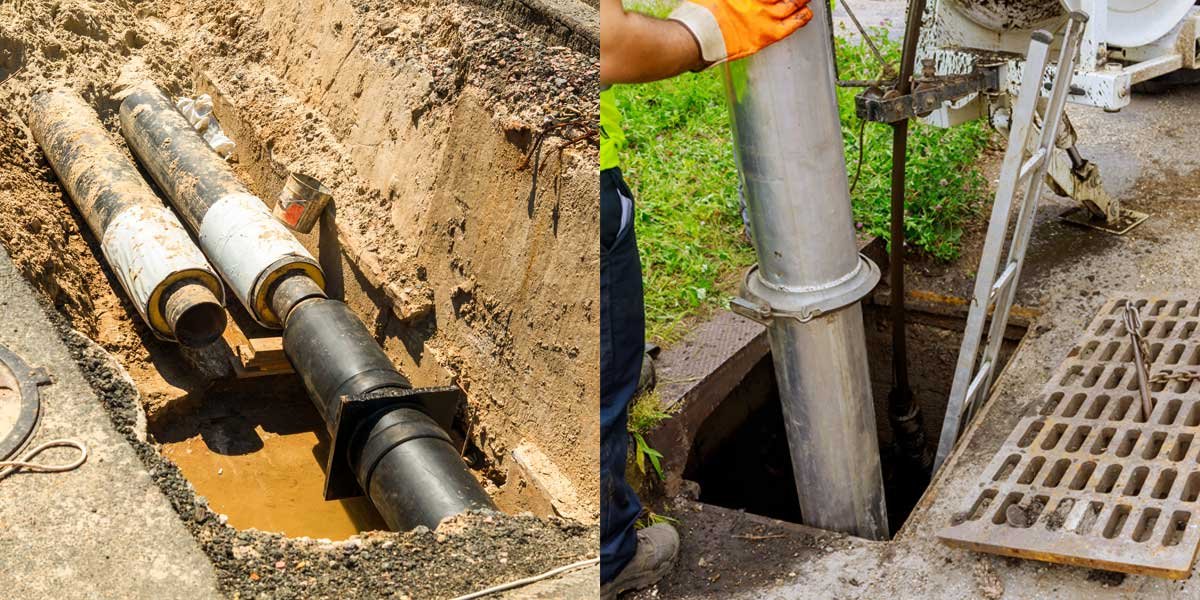
Trenchless sewer repair refers to a group of specialized techniques designed to repair or replace underground sewer pipes without digging a continuous trench along the entire length of the damaged line. Instead of exposing the whole pipe through excavation, plumbing professionals use existing access points or create a limited number of small openings to reach the affected section. Specialized equipment allows technicians to inspect the pipe, identify the source of the damage, and determine the most suitable repair method. Depending on the condition of the existing sewer system, the process may involve installing a new lining inside the damaged pipe or replacing the original pipe through a trenchless method.
One of the most significant advantages of this approach is that it reduces the amount of disruption required to access underground plumbing infrastructure. Traditional sewer replacement can involve removing concrete, disturbing gardens, damaging paved surfaces, and temporarily restricting access to certain parts of a property. Trenchless techniques help avoid many of these complications because they do not require continuous excavation. This makes them particularly valuable for properties with established landscaping, extensive hardscaping, paved parking areas, or structures located close to existing sewer lines. Although trenchless methods are not appropriate for every plumbing problem, they provide an effective alternative when the existing pipe conditions and surrounding environment allow their use.
Common Causes of Sewer Line Damage
Underground sewer pipes are exposed to several conditions that can gradually affect their structural integrity and performance. One common cause of damage is aging pipe material. Older sewer systems may contain clay, cast iron, or other materials that become weaker after years of exposure to moisture, soil movement, and wastewater. As these materials deteriorate, they may develop cracks, loose connections, corrosion, or collapsed sections that interfere with wastewater flow. Even relatively small defects can become more serious when wastewater repeatedly passes through damaged areas, allowing surrounding soil to enter the pipe or sewage to escape into the surrounding ground.
Tree root intrusion is another frequent cause of sewer line problems. Roots naturally seek moisture and nutrients, making underground sewer pipes attractive targets when small cracks or loose joints allow water to escape. Once roots enter a pipe, they can gradually expand and create obstructions that restrict wastewater movement. These obstructions may collect grease, paper products, and other debris, eventually resulting in recurring blockages or complete drainage failure. Tree roots can also place pressure on already weakened pipe sections, making existing structural damage worse over time.
Soil movement and changing ground conditions can also affect underground sewer infrastructure. Heavy rainfall, soil erosion, nearby construction, and natural ground settlement may cause pipes to shift out of alignment or place additional stress on their joints. Improper installation and poor pipe connections can contribute to similar problems. In some cases, repeated blockages may indicate that the sewer line has developed structural issues rather than simply accumulating ordinary household debris. Identifying the underlying cause is essential because treating only the symptoms may provide temporary relief without addressing the actual problem.
How Professional Sewer Line Inspections Identify Problems
Accurate inspection is an essential first step in determining whether trenchless repair is suitable for a damaged sewer line. Professional plumbers often use specialized sewer camera equipment to examine the inside of underground pipes without requiring extensive excavation. A small waterproof camera is introduced through an accessible cleanout or another suitable entry point and moved through the sewer system. The camera transmits live images that allow technicians to observe cracks, root intrusion, corrosion, blockages, pipe separation, and other structural defects.
A camera inspection provides valuable information about the location and severity of sewer line damage. Instead of relying entirely on surface symptoms or assumptions, plumbing professionals can evaluate the actual condition of the pipe. This helps determine whether the problem involves a localized defect, multiple damaged sections, or a more extensive structural failure. The inspection may also reveal areas where debris has accumulated or where the pipe has become misaligned, allowing the contractor to recommend an appropriate repair strategy.
In addition to identifying visible damage, technicians may assess the overall layout of the sewer system and determine whether the existing pipe has enough structural stability to support a trenchless repair. This distinction is important because certain methods require the original pipe to remain sufficiently intact during installation. If the sewer line has completely collapsed, experienced significant displacement, or developed conditions that prevent proper access, conventional excavation or another replacement approach may be necessary. A detailed inspection helps property owners understand their options before committing to a particular repair method.
Different Types of Trenchless Sewer Repair Methods
There are several trenchless technologies available, and each method is designed to address specific types of sewer line damage. The most appropriate option depends on the existing pipe material, diameter, condition, length, accessibility, and surrounding ground conditions. Understanding the differences between these methods can help property owners evaluate contractor recommendations and select a solution that meets their plumbing requirements.
Cured-In-Place Pipe Lining
Cured-in-place pipe lining, commonly known as CIPP, is one of the most widely used trenchless sewer rehabilitation methods. This process involves inserting a flexible liner saturated with a specialized resin into the existing damaged pipe. The liner is positioned within the original sewer line and expanded so that it fits closely against the interior pipe walls. Once correctly positioned, the resin is cured using an appropriate method, such as hot water, steam, or ultraviolet light, depending on the system being used.
After curing, the liner hardens and creates a new pipe-like interior surface within the existing sewer line. This new lining can seal many cracks, close certain openings, and improve the structural performance of the rehabilitated pipe. Because the liner is installed inside the original sewer line, extensive digging is generally unnecessary when the existing pipe conditions are suitable. CIPP is particularly useful for addressing corrosion, minor cracks, leaking joints, and other defects in pipes that have not experienced complete structural collapse.
Another advantage of pipe lining is that it can create a smooth interior surface that supports efficient wastewater movement. The cured liner also separates wastewater from the deteriorating material of the original pipe, helping prevent further internal corrosion in suitable applications. However, proper cleaning and preparation are essential because roots, debris, and obstructions must be addressed before the liner can be installed successfully. Professional assessment is also necessary to determine whether the original pipe has sufficient structural integrity to support this rehabilitation technique.
Pipe Bursting Technology
Pipe bursting is another trenchless method used when an existing sewer line requires replacement rather than simple internal rehabilitation. Unlike pipe lining, which creates a new surface inside the existing pipe, pipe bursting breaks apart the old pipe while simultaneously pulling a replacement pipe through the surrounding space. This process typically uses specialized equipment and requires access points at suitable locations along the sewer line.
During installation, a bursting head is guided through the old pipe and fractures the existing material outward into the surrounding soil. A new pipe is attached behind the bursting head and pulled into position as the damaged pipe is displaced. This allows contractors to replace certain underground sewer lines without excavating their entire length. Pipe bursting can be useful when the existing sewer line has significant damage, provided that the surrounding soil conditions, available space, and nearby underground utilities allow the process.
The replacement pipe is often made from durable materials designed to resist corrosion and withstand normal underground operating conditions. However, pipe bursting is not suitable for every site because the process requires adequate clearance and careful evaluation of nearby infrastructure. Contractors must consider the possibility of ground displacement and determine whether surrounding utilities, foundations, or other structures could be affected. A professional assessment helps establish whether pipe bursting is a practical and safe solution for the specific property.
Major Benefits of Trenchless Sewer Line Repair
One of the biggest reasons property owners consider trenchless sewer line repair is the reduced disruption compared with conventional excavation. Traditional sewer replacement may require contractors to dig long trenches through lawns, gardens, driveways, and other paved areas. These activities can create considerable inconvenience, particularly when underground pipes pass beneath established landscaping or expensive exterior surfaces. Trenchless methods can often complete repairs through limited access points, helping preserve much of the surrounding property.
Another important benefit is the potential reduction in restoration work. When conventional excavation is necessary, property owners may need to pay for additional landscaping, concrete replacement, pavement repairs, and other reconstruction services after the plumbing work is completed. Because trenchless methods generally disturb less of the surface, these additional restoration requirements may be reduced. The exact savings depend on the condition of the sewer line, the selected technology, and the complexity of the property, but avoiding extensive surface damage can make a meaningful difference to the overall project.
Trenchless solutions can also offer efficient project timelines in suitable conditions. Since contractors do not need to excavate the entire length of a sewer line, certain repairs can be completed more quickly than traditional replacement projects. This can be especially valuable for commercial facilities, rental properties, and businesses that depend on uninterrupted access to their buildings and surrounding areas. Reduced construction disruption can make it easier to maintain normal activities while necessary plumbing work is performed.
Durability is another important consideration. Modern pipe liners and replacement materials are designed to provide dependable performance when correctly selected and professionally installed. A properly completed rehabilitation project can restore the function of a damaged sewer line and help reduce the likelihood of recurring problems. However, actual service life depends on material quality, installation conditions, pipe usage, and ongoing maintenance. Property owners should request information about the materials being used and any applicable manufacturer or contractor warranties before approving the work.
Signs That Your Sewer Line May Need Professional Repair
Recognizing the early warning signs of sewer line damage can help prevent minor plumbing problems from becoming expensive emergencies. One of the most common indicators is repeated drain blockage. While an occasional clogged sink or toilet may result from an isolated obstruction, multiple drains experiencing problems at the same time can suggest a larger issue within the main sewer line. If blockages continue returning despite professional cleaning, a camera inspection may be necessary to identify structural damage or persistent root intrusion.
Unpleasant odors around drains, bathrooms, basements, or outdoor areas may also indicate a sewer system problem. Damaged pipes can allow sewer gases to escape, creating persistent smells that should not be ignored. Similarly, unusually slow drainage throughout a property may indicate that wastewater is encountering resistance somewhere within the main line. Gurgling sounds from toilets and drains can also occur when air becomes trapped or displaced because of restricted wastewater movement.
Outdoor warning signs can be equally important. Unexplained wet patches, unusually green grass, sinking ground, or persistent puddles near the sewer line may indicate leakage beneath the surface. In severe cases, damaged sewer pipes can allow wastewater to contaminate surrounding soil. These conditions require prompt professional evaluation because continuing leakage can create environmental concerns and damage property foundations or landscaping. Rather than relying on temporary drain treatments, property owners should arrange a proper inspection to identify the source of the problem.
Factors That Influence the Cost of Trenchless Sewer Repairs
The cost of a trenchless sewer project depends on several factors, and no single price applies to every property. One of the most important considerations is the length and diameter of the sewer line. Longer pipes generally require more materials and labor, while larger pipe diameters may require specialized equipment or different lining systems. The severity of existing damage also influences project costs because heavily deteriorated pipes may require additional cleaning, preparation, or replacement work before the repair can proceed.
The selected repair method is another important factor. Cured-in-place lining and pipe bursting involve different materials, equipment, and installation procedures. A relatively straightforward pipe lining project may have different cost requirements from a replacement project involving extensive preparation and difficult site conditions. Accessibility also matters because contractors may need to create or improve access points before beginning the work. Underground obstacles, nearby utilities, difficult soil conditions, and complex sewer layouts can increase project time and expenses.
Property owners should also consider inspection, cleaning, permits, and restoration requirements when evaluating estimates. A professional quotation should clearly explain the recommended method, the length of pipe being repaired, material specifications, preparation work, and any additional charges. Comparing detailed estimates from qualified contractors is more useful than selecting a provider based entirely on the lowest advertised price. A well-planned repair that addresses the underlying problem can offer better long-term value than an inexpensive temporary solution.
Why Professional Installation and Expertise Matter
Trenchless sewer technology requires specialized knowledge, appropriate equipment, and careful attention to installation procedures. Although the process can reduce excavation, it is not necessarily a simple repair. Contractors must understand sewer system layouts, pipe materials, structural conditions, resin characteristics, equipment requirements, and applicable safety standards. Mistakes during inspection, preparation, liner installation, or curing can affect the final result and potentially create additional plumbing problems.
Experienced professionals begin by evaluating the sewer line and determining whether trenchless rehabilitation or replacement is appropriate. They also consider factors such as pipe alignment, existing obstructions, access conditions, and the presence of nearby underground infrastructure. This preparation helps ensure that the selected repair technique is compatible with the property’s conditions. Reputable contractors should explain their recommendations, describe the expected process, and provide realistic information about project limitations and potential complications.
Choosing qualified professionals for trenchless sewer line repair can help ensure that the work is completed according to the requirements of the selected technology. Property owners should ask about contractor experience, relevant qualifications, insurance, equipment, warranties, and previous projects. It is also important to confirm that the contractor will conduct appropriate inspections after installation. Post-repair camera inspections can help verify that the liner or replacement pipe has been installed correctly and that the sewer line is functioning as intended.
Maintenance Tips for Protecting Your Sewer System
Even after a successful sewer repair, regular maintenance remains important for protecting the plumbing system. Property owners should avoid flushing materials that do not break down easily, including wipes, paper towels, sanitary products, and other household waste. These materials can accumulate inside sewer pipes and contribute to blockages, even when the pipe itself is in good structural condition. Grease, cooking oils, and fats should also be disposed of properly rather than poured into kitchen drains, where they can cool and collect along pipe walls.
Tree placement deserves attention because large root systems can affect underground plumbing infrastructure. Property owners should understand where sewer lines are located before planting trees or installing extensive landscaping. Existing trees do not always need to be removed, but monitoring root growth and arranging inspections when warning signs appear can help reduce the risk of recurring damage. Professional plumbing advice can help determine whether additional root management or other preventive measures are appropriate.
Routine inspections can also help identify developing problems before they become emergencies. Properties with older plumbing systems, a history of recurring blockages, or previous sewer line damage may benefit from periodic professional evaluations. Maintaining accessible cleanouts, addressing drainage problems promptly, and avoiding improper disposal practices can support reliable sewer performance. These simple preventive measures help protect the repaired system and reduce the likelihood of unnecessary future expenses.
Choosing the Right Sewer Repair Contractor
Selecting the right contractor is an important part of achieving a successful sewer rehabilitation project. Property owners should look for companies with practical experience in modern trenchless technologies rather than assuming that every plumbing contractor offers the same level of specialized service. A reliable provider should be able to explain the differences between pipe lining and pipe bursting, identify the limitations of each method, and recommend a solution based on actual inspection findings.
Customer reviews, previous project examples, insurance coverage, relevant certifications, and written warranties can all help evaluate a contractor’s reliability. Property owners should also request a detailed estimate that identifies the scope of work, selected materials, estimated timeline, and any additional services required. Contractors should be willing to discuss potential complications rather than promising that every sewer problem can be resolved without excavation.
Communication is equally important throughout the repair process. A professional contractor should explain what the inspection reveals, why a particular repair method is recommended, and what property owners can expect during installation. They should also provide information about post-repair testing and maintenance requirements. Choosing a knowledgeable and transparent service provider helps property owners feel more confident about the work and makes it easier to evaluate the quality of the completed project.
Is Trenchless Sewer Repair the Right Choice for Every Property?
Although trenchless methods provide significant advantages, they are not appropriate for every sewer line problem. The existing pipe must generally meet certain structural and accessibility requirements for a particular rehabilitation method to work effectively. For example, CIPP lining may not be suitable when a pipe has completely collapsed or contains severe obstructions that cannot be adequately cleared. Similarly, pipe bursting may be impractical when underground utilities, nearby foundations, or restrictive soil conditions prevent safe installation.
Some properties may also have unusual sewer layouts, difficult access points, or significant alignment problems that require conventional excavation. In these situations, a hybrid approach involving both trenchless techniques and limited digging may provide the most practical solution. Rather than insisting on a completely excavation-free repair, property owners should focus on selecting the method that delivers the safest and most reliable long-term result.
A professional camera inspection is the best way to determine which options are available. Contractors can use the inspection findings to evaluate the pipe’s condition, identify the location of damage, and explain whether lining, bursting, localized excavation, or complete replacement is appropriate. Understanding these limitations helps property owners make realistic decisions and avoid investing in a method that is unsuitable for their sewer system.
Conclusion
Underground sewer problems can create significant inconvenience, property damage, and unexpected expenses when they are not addressed properly. Modern trenchless technology offers an effective alternative to many traditional excavation-based repairs by allowing damaged sewer pipes to be rehabilitated or replaced with less disruption to surrounding surfaces. Methods such as cured-in-place pipe lining and pipe bursting provide different solutions depending on the condition of the existing sewer system and the requirements of the property. With professional inspections, suitable materials, experienced installation, and consistent maintenance, property owners can restore sewer functionality while protecting their landscaping, paved surfaces, and other valuable features. Investing in professional trenchless sewer line repair is a practical way to address underground plumbing concerns, improve system reliability, and support the long-term performance of an essential property infrastructure system.
Author

thedailygurdian@gmail.com
Related Posts
Commercial Roof Replacement: A Protecting Your Property and Improving Building Performance
- 0
- 3,701 words
Introduction Maintaining a commercial property requires regular attention to structural conditions, building materials, and essential maintenance systems. Among these responsibilities, the roof...
Read out all
Franchise Resale: A Complete Guide to Buying, Selling, and Maximizing the Value of an Established Franchise Business
- 0
- 3,381 words
Introduction Starting a business from the ground up can be an exciting opportunity, but it also involves considerable planning, financial investment, uncertainty,...
Read out all
Stone Veneer: Enhance Your Property with Elegant, Durable, and Versatile Wall Finishes
- 0
- 3,540 words
Introduction Creating an attractive and welcoming property involves choosing materials that combine visual appeal, durability, and long-term functionality. Exterior and interior walls...
Read out all
Driveway Gate Installation: Enhancing Property Security, Privacy, and Curb Appeal
- 0
- 2,934 words
A driveway gate is an important addition to any residential or commercial property because it provides controlled access, improves security, and creates...
Read out all
Drain Cleaning: Essential Solutions for Maintaining a Clean and Efficient Plumbing System
- 0
- 3,313 words
Introduction A properly functioning drainage system is essential for maintaining a clean, comfortable, and hygienic property. Whether in a residential home, commercial...
Read out all
Professional Gutter Installation: Protecting Your Property From Water Damage With Reliable Drainage Solutions
- 0
- 3,128 words
Introduction: Why Proper Gutter Installation Matters for Every Property A well-maintained drainage system is essential for protecting residential and commercial properties from...
Read out all