
- 0
- 3,540 words
Introduction
Creating an attractive and welcoming property involves choosing materials that combine visual appeal, durability, and long-term functionality. Exterior and interior walls play an important role in defining the overall appearance of a building, and selecting the right finishing material can make a significant difference in its design. Stone has traditionally been admired for its natural beauty, distinctive textures, and timeless appearance. However, using full-thickness natural stone can involve considerable material costs, additional structural requirements, and more complicated installation. Stone veneer offers an attractive alternative by providing the appearance of natural stone through thinner, lighter materials that can be applied to a variety of surfaces.
Whether used for exterior walls, fireplace surrounds, entrance features, kitchen backsplashes, or decorative accent walls, stone veneer can transform ordinary spaces into visually appealing environments. It is available in numerous colors, shapes, textures, and patterns, allowing property owners to create designs that complement traditional, contemporary, rustic, and modern architectural styles. Understanding the available materials, installation requirements, maintenance practices, and design possibilities can help homeowners and commercial property managers select the right solution for their projects. With proper planning and professional installation, stone veneer can provide an appealing combination of style, practicality, and lasting value.
Understanding What Stone Veneer Is
Stone veneer is a decorative wall finishing material designed to reproduce the appearance of traditional stone masonry without requiring the thickness and weight of a full stone wall. It consists of either thin sections of genuine natural stone or manufactured products created to resemble real stone. These materials are designed to cover existing wall surfaces and provide a decorative stone appearance while using less material than conventional full-depth masonry.
Natural stone veneer is produced by cutting genuine stone into thinner pieces that can be installed over suitable surfaces. Popular varieties include limestone, slate, granite, sandstone, and other natural materials. Each piece may feature unique colors, patterns, and textures, creating a distinctive appearance that cannot be perfectly replicated through manufacturing.
Manufactured stone veneer is generally made from cement-based mixtures, lightweight aggregates, and pigments. These materials are shaped using molds that reproduce the textures and patterns of natural stone. The manufacturing process allows companies to offer consistent designs, multiple color combinations, and different stone profiles at a range of price points.
Both options provide opportunities to enhance architectural features without constructing an entire wall from solid stone. However, their weight, composition, installation requirements, and maintenance needs can differ. Property owners should consider the intended application and the manufacturer’s specifications before selecting a particular product.
Different Types of Stone Veneer Materials
Choosing the right material is one of the most important steps in planning a stone installation project. Each type offers different advantages in terms of appearance, durability, cost, and maintenance. Understanding these differences helps homeowners identify a product that suits their design preferences and practical requirements.
Natural stone veneer is an excellent choice for people who appreciate authentic materials and distinctive textures. Because it is cut from genuine stone, every piece can have slight variations in color, shape, and surface appearance. This natural variation creates depth and character, making it particularly suitable for feature walls, fireplaces, exterior facades, and entrance designs. Popular options include slate, limestone, sandstone, and granite, each offering a different visual effect.
Manufactured stone veneer is another widely used option because it offers a broad range of decorative styles at generally lower material costs. It is produced using specially formulated mixtures that imitate natural stone surfaces. Manufacturers can create products that resemble rugged fieldstone, stacked stone, river rock, ledgestone, and other traditional masonry styles. The consistency of manufactured products also makes it easier to coordinate colors and patterns across larger areas.
Thin-cut stone panels provide another convenient option for certain applications. These products are often designed to simplify installation while maintaining an attractive stone appearance. Depending on the manufacturer, they may feature interlocking edges or carefully arranged stone pieces that create a continuous decorative surface.
The best choice depends on the project’s budget, intended location, desired appearance, and installation requirements. Homeowners should examine actual product samples rather than relying entirely on photographs because natural lighting and surrounding materials can influence how a finish appears.
Benefits of Installing Stone Veneer
One of the biggest advantages of stone veneer is its ability to create a sophisticated appearance without requiring the same amount of material as traditional full-depth stone construction. It allows homeowners to introduce the visual appeal of masonry into different areas of a property while keeping the design relatively flexible. This makes it suitable for both small decorative improvements and larger renovation projects.
Another significant benefit is design versatility. Stone veneer comes in numerous colors, textures, shapes, and patterns, allowing it to complement different architectural styles. Light-colored limestone can create a clean and elegant appearance, while darker slate or rugged manufactured stone can introduce a more dramatic effect. This variety makes it easier to coordinate walls with flooring, roofing, landscaping, and other exterior features.
Weight can also be an important advantage. Many thin stone veneer products are lighter than conventional full-thickness stone, although the actual weight varies according to the material and product design. This can reduce certain structural demands and make the material suitable for applications where traditional masonry may not be practical. However, every installation must still comply with the substrate and support requirements specified by the manufacturer and applicable building standards.
Stone veneer can also provide long-term visual value when properly installed and maintained. Quality materials are designed to withstand their intended conditions, and regular maintenance can help preserve their appearance. For homeowners interested in improving the overall presentation of their property, it offers a practical way to introduce texture, depth, and architectural character.
Popular Applications for Stone Veneer
Stone veneer can be used in many areas of residential and commercial properties. Its versatility allows designers and homeowners to incorporate decorative stone finishes into both interior and exterior spaces without making every wall look the same. Selecting the right application can help create a balanced design that improves the appearance of the building.
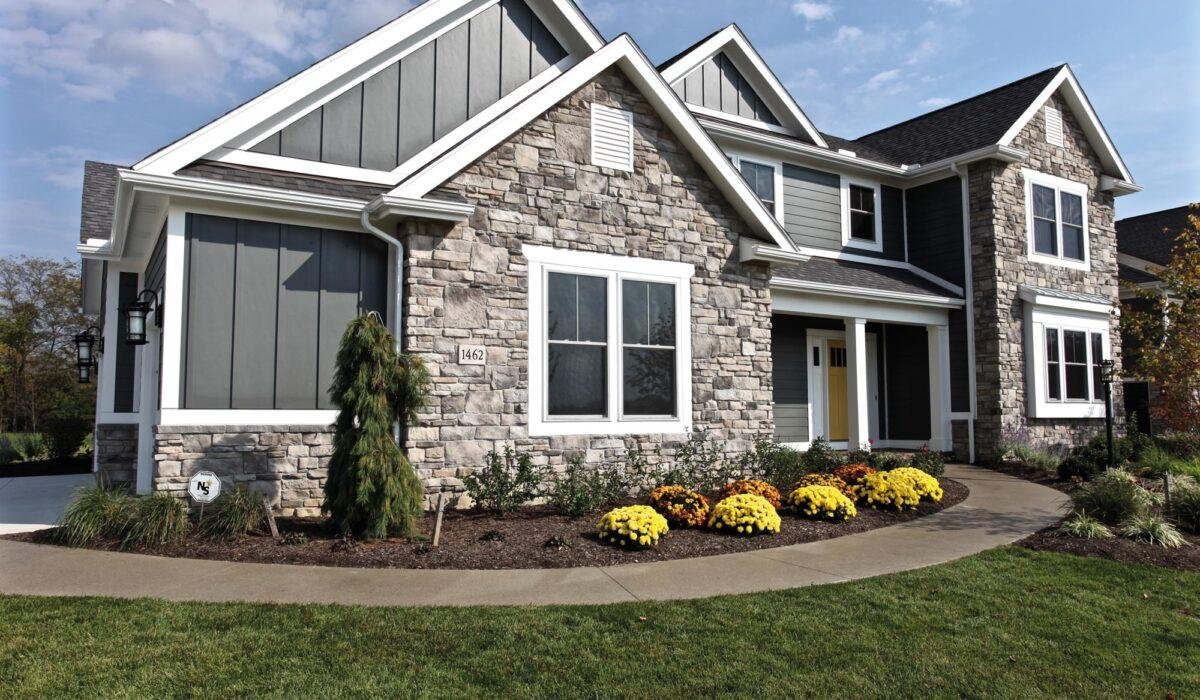
Exterior facades are among the most popular applications. Adding a stone finish to the front of a house can create a distinctive appearance and make the entrance more visually appealing. Some homeowners choose to cover the entire exterior, while others use stone selectively around columns, lower wall sections, garages, or entrance features. Combining stone with materials such as wood, siding, stucco, or metal can create an attractive contrast.
Interior accent walls are another excellent application. A stone feature wall in a living room, dining area, or hallway can introduce natural texture and become a focal point within the space. Depending on the selected color and pattern, it can create anything from a rustic atmosphere to a modern architectural statement.
Fireplace surrounds are particularly popular because stone provides a visually appealing finish that complements the central position of a fireplace. However, homeowners should select products specifically approved for the intended fireplace application and follow all applicable fire-safety and clearance requirements.
Stone veneer is also used around outdoor kitchens, garden walls, decorative columns, entryways, and selected landscape features. These applications allow property owners to create a coordinated appearance between indoor and outdoor environments.
How Stone Veneer Improves Exterior Curb Appeal
The exterior appearance of a property can influence its overall presentation and perceived value. Walls, entrances, columns, and decorative features all contribute to the architectural character of a building. Introducing stone veneer into these areas can create a more refined appearance and help distinguish a property from surrounding buildings.
One effective approach is to use stone as an accent rather than covering every exterior surface. For example, a stone finish around the main entrance can create a welcoming focal point, while stone columns can add visual depth to a porch or covered outdoor area. Lower exterior wall sections can also benefit from decorative stone because they create a strong visual connection between the building and the surrounding landscape.
Color selection is particularly important when designing an exterior finish. Neutral shades such as beige, gray, cream, and brown are popular because they can complement a wide variety of architectural styles. Darker colors may create a more dramatic appearance, while lighter shades can make a building look brighter and more open.
Combining stone with other exterior materials can also produce attractive results. Wood elements introduce warmth, metal accents create a contemporary feel, and smooth stucco surfaces provide contrast against the irregular texture of stone. A well-planned combination creates visual balance without making the exterior appear overly complicated.
The Stone Veneer Installation Process
Proper installation is essential for achieving an attractive and durable stone finish. Although the exact process depends on the product and application, most projects begin with a detailed inspection of the surface where the material will be installed. The contractor evaluates the wall condition, checks for moisture-related problems, and determines whether the existing substrate is suitable.
Surface preparation is one of the most important stages. The wall should be structurally sound, clean, and properly prepared according to the manufacturer’s installation instructions. Painted, contaminated, loose, or deteriorated surfaces may require additional preparation before the veneer can be applied.
For certain exterior wall assemblies, installation may require a weather-resistant barrier, appropriate flashing, corrosion-resistant metal lath, and a mortar scratch coat. These components help create a suitable installation surface and manage moisture within the wall assembly. The exact requirements depend on the substrate, product, and applicable building standards.
Once preparation is complete, the installer plans the stone arrangement to achieve a balanced appearance. Different shapes and sizes should be distributed carefully to avoid repetitive patterns or large gaps. The material is then attached using the appropriate bonding or mechanical installation system.
Depending on the product, joints may be filled with mortar or left without visible grout to create a dry-stacked appearance. Corners, edges, openings, and transitions require particular attention because incorrect detailing can affect both appearance and performance.
After installation, the surface is inspected for loose pieces, inconsistent joints, mortar stains, and other visible imperfections. The completed project should be allowed to cure according to the manufacturer’s recommendations before cleaning or applying any additional protective treatments.
Choosing the Right Stone Veneer Design
Selecting a suitable design involves considering the property’s architectural style, surrounding materials, lighting, and overall color scheme. A well-chosen stone pattern should complement the building rather than compete with other decorative features.
For traditional homes, irregular fieldstone and rugged ledgestone patterns can create a classic appearance. These styles often work well around entrances, fireplaces, columns, and exterior accent walls. Natural variations in shape and texture give the surface a distinctive character that suits traditional architectural designs.
Modern properties may benefit from cleaner stone profiles and more consistent arrangements. Linear stacked stone, rectangular panels, and neutral color combinations can create a sophisticated appearance that complements contemporary materials such as glass, metal, and smooth concrete.
Rustic designs often feature warmer colors and more pronounced surface textures. Brown, tan, charcoal, and earthy shades can create a welcoming atmosphere, especially when combined with natural wood and outdoor landscaping.
Homeowners should also consider how the stone will appear under different lighting conditions. Natural daylight, outdoor shadows, and interior lighting can change the way colors and textures are perceived. Reviewing physical samples in the actual installation environment can help prevent design mismatches and improve the final result.
Interior Design Opportunities with Decorative Stone
Stone veneer offers several possibilities for improving interior spaces. Its textured surface can introduce visual interest into rooms that otherwise rely heavily on smooth painted walls and conventional finishes. When used thoughtfully, it can create a focal point without overwhelming the surrounding design.
Living rooms are among the most common spaces for decorative stone installations. A feature wall behind a television or seating arrangement can provide an attractive backdrop and create a stronger sense of architectural depth. Lighter stone finishes may help maintain an open atmosphere, while darker designs can introduce contrast and sophistication.
Kitchens can also benefit from carefully selected stone accents. Decorative stone around selected wall sections, breakfast areas, or suitable backsplash locations can complement wood cabinetry, countertops, and other finishes. However, areas exposed to grease, water, and frequent cleaning require products and protective treatments suitable for those conditions.
Fireplace surrounds remain one of the most recognizable interior applications. A well-designed stone surround can make a fireplace a central feature of the room while complementing furniture and decorative accessories. The chosen material must meet the requirements for its intended use and comply with applicable fire-safety standards.
Hallways, entryways, and reception areas can also benefit from decorative stone. Even a relatively small feature can create a memorable first impression and introduce texture into otherwise simple spaces.
Factors That Influence Stone Veneer Installation Costs
The cost of a stone veneer project depends on several factors, including the selected material, total installation area, surface condition, design complexity, labor requirements, and additional preparation work. Homeowners should evaluate the complete project rather than focusing only on the purchase price of the stone.
Material selection is one of the main cost considerations. Manufactured stone products are generally more affordable than many natural stone options, although premium manufactured finishes can also involve significant costs. Natural stone may require additional cutting, sorting, and handling because of its weight and natural variations.
The size of the installation area also affects the overall budget. Larger projects require more material and labor, while small accent walls may involve additional setup and cutting work relative to their total area. Complex architectural features such as columns, curved walls, corners, windows, and door openings can increase installation time.
Surface preparation is another important consideration. If the existing wall has moisture damage, cracks, loose coatings, or unsuitable construction, repairs may be necessary before installation begins. Exterior applications may also require additional weather-resistant layers, flashing, lath, and other components.
Homeowners should request detailed written estimates that identify material specifications, preparation requirements, labor costs, corner pieces, joint finishing, and any additional charges. Comparing complete quotations can help determine which contractor offers the best overall value.
Why Professional Installation Is Important
Although some homeowners may consider installing stone veneer themselves, professional installation is often the better choice for large projects, exterior walls, fireplaces, and complex architectural features. The quality of the finished surface depends heavily on preparation, material compatibility, moisture management, and correct installation techniques.
Experienced installers understand how different veneer products interact with various wall substrates. They can determine whether the surface is suitable for direct application or requires additional preparation. This is especially important for exterior projects, where incorrect moisture management can contribute to deterioration behind the decorative finish.
Professional contractors also understand how to arrange individual stones to create a natural-looking pattern. Poor placement can produce repetitive designs, uneven joints, and inconsistent surface alignment. Skilled installers pay attention to color distribution, stone orientation, corner details, and overall visual balance.
Another advantage is efficient project management. Contractors can estimate material quantities, organize installation stages, and identify potential problems before they create delays. They also have access to appropriate tools and installation products required for different veneer systems.
Before hiring a contractor, homeowners should review previous projects, verify relevant qualifications, and request a written proposal. The proposal should explain the materials, preparation procedures, installation method, expected completion time, and warranty conditions.
Maintaining Stone Veneer for Long-Term Performance
Stone veneer is generally considered a relatively low-maintenance finishing material, but regular care is still necessary to preserve its appearance and condition. Dirt, dust, organic debris, and environmental deposits can accumulate on exterior surfaces, especially in areas exposed to rainfall, landscaping, and outdoor activity.
Routine cleaning usually involves gentle methods suitable for the specific stone product. A soft brush, clean water, and an approved mild cleaning solution may be sufficient for ordinary dirt. Harsh chemicals, abrasive cleaning tools, and excessive pressure washing should be avoided unless the manufacturer specifically approves them because they can damage the stone, protective coatings, or mortar joints.
Periodic inspections are also important. Homeowners should look for loose stones, cracked mortar, damaged sealant, and signs of moisture around openings and wall transitions. Early identification of these issues can make repairs easier and help prevent more extensive deterioration.
Some natural stone products may benefit from an appropriate penetrating sealer, particularly when used in areas exposed to moisture or staining. However, sealing is not necessary for every product, and the wrong sealer may change the appearance or interfere with the material’s intended performance. Always follow the manufacturer’s recommendations.
Interior installations generally require less maintenance, although kitchen and fireplace applications may need occasional cleaning depending on their exposure to grease, dust, and other household materials.
Stone Veneer Compared with Traditional Stone Construction
Although stone veneer and traditional stone masonry can create similar visual effects, they differ considerably in construction methods, material requirements, and structural characteristics. Full-thickness stone construction uses substantially thicker and heavier materials, often requiring more extensive structural support and specialized masonry work.
Stone veneer uses a thinner decorative layer that is applied to an appropriate supporting surface. This can reduce material requirements and provide more flexibility for renovation projects. It is particularly useful when homeowners want the appearance of stone without rebuilding an entire wall using full-depth masonry.
Cost is another important distinction. Stone veneer is generally more economical than traditional full-stone construction, although actual project expenses depend on material selection, labor, preparation, and installation complexity.
However, stone veneer should not be considered a structural replacement for a load-bearing stone wall. Its primary purpose is decorative cladding, and it must be installed over a properly designed and supported wall assembly. Property owners should understand this difference when planning a renovation.
Both options can provide attractive results, but the right choice depends on the building’s structural design, intended appearance, available budget, and long-term maintenance expectations.
Common Mistakes to Avoid During Installation
Several installation mistakes can affect the appearance and durability of a stone veneer project. One common problem is failing to prepare the underlying surface correctly. Loose paint, dust, moisture damage, and unsuitable substrates can interfere with bonding and create problems after installation.
Another mistake is ignoring moisture management. Exterior veneer installations must be designed to handle water appropriately. Incorrect flashing, missing weather-resistant barriers, and poorly detailed transitions can allow moisture to accumulate behind the decorative surface. These issues may remain hidden until staining, deterioration, or other damage becomes visible.
Choosing materials based only on appearance can also create difficulties. A product suitable for an interior accent wall may not be appropriate for every exterior application. Homeowners should confirm that the selected material is rated for the intended conditions and installed according to manufacturer specifications.
Inconsistent stone placement is another common issue. Repeating identical shapes too frequently or concentrating similar colors in one area can make the finished wall look artificial. Careful planning and thoughtful distribution create a more natural and balanced appearance.
Finally, neglecting maintenance can shorten the useful life of the installation. Regular inspections and appropriate cleaning help preserve the finish and identify problems before they become more serious.
Increasing Property Appeal with Quality Stone Finishes
A well-designed stone feature can improve the overall appearance of a property and create a more distinctive architectural identity. Exterior stone accents can make entrances more inviting, while interior feature walls can add texture and sophistication to living spaces. These improvements can also help create a more coordinated design when combined with suitable roofing, flooring, landscaping, and exterior materials.
For property owners preparing to sell or rent their buildings, attractive finishes may contribute to a positive first impression. Buyers and visitors often notice decorative details that distinguish a property from more conventional designs. Although decorative improvements do not guarantee a specific increase in market value, quality materials and professional workmanship can strengthen the overall presentation of a building.
Stone veneer also offers opportunities for customized design. Homeowners can select colors, textures, and installation patterns that reflect their preferences and complement the surrounding architecture. Whether the objective is a contemporary exterior, a traditional fireplace, or a natural-looking outdoor feature, carefully selected stone finishes can help achieve the desired appearance.
The most successful projects balance design preferences with practical considerations. Selecting a product that suits the installation environment, preparing the surface correctly, and hiring qualified installers are all important for achieving lasting results.
Conclusion
Stone veneer is a versatile decorative material that allows homeowners and commercial property owners to enjoy the appearance of natural stone without the structural requirements and material demands of traditional full-depth masonry. Its availability in different materials, colors, shapes, and textures makes it suitable for numerous interior and exterior applications, including accent walls, fireplaces, entrances, exterior facades, columns, and outdoor living spaces.
Choosing the right product requires careful consideration of appearance, weight, durability, installation requirements, and maintenance expectations. Natural stone provides authentic textures and individual variations, while manufactured options offer a wider selection of consistent patterns and often more affordable material choices. Both can deliver attractive results when selected appropriately and installed according to manufacturer specifications.
Proper surface preparation, moisture management, professional workmanship, and regular maintenance are essential for achieving a successful installation. By focusing on these factors, property owners can create attractive architectural features that enhance the appearance and functionality of their buildings. With thoughtful planning and quality materials, stone veneer can be a valuable addition to almost any renovation or construction project.
Author

thedailygurdian@gmail.com
Related Posts
Commercial Roof Replacement: A Protecting Your Property and Improving Building Performance
- 0
- 3,701 words
Introduction Maintaining a commercial property requires regular attention to structural conditions, building materials, and essential maintenance systems. Among these responsibilities, the roof...
Read out all
Trenchless Sewer Line Repair: A Modern Solution for Efficient and Long-Lasting Pipe Restoration
- 0
- 3,280 words
Maintaining a properly functioning sewer system is essential for residential, commercial, and industrial properties. Sewer lines transport wastewater away from buildings and...
Read out all
Franchise Resale: A Complete Guide to Buying, Selling, and Maximizing the Value of an Established Franchise Business
- 0
- 3,381 words
Introduction Starting a business from the ground up can be an exciting opportunity, but it also involves considerable planning, financial investment, uncertainty,...
Read out all
Driveway Gate Installation: Enhancing Property Security, Privacy, and Curb Appeal
- 0
- 2,934 words
A driveway gate is an important addition to any residential or commercial property because it provides controlled access, improves security, and creates...
Read out all
Drain Cleaning: Essential Solutions for Maintaining a Clean and Efficient Plumbing System
- 0
- 3,313 words
Introduction A properly functioning drainage system is essential for maintaining a clean, comfortable, and hygienic property. Whether in a residential home, commercial...
Read out all
Professional Gutter Installation: Protecting Your Property From Water Damage With Reliable Drainage Solutions
- 0
- 3,128 words
Introduction: Why Proper Gutter Installation Matters for Every Property A well-maintained drainage system is essential for protecting residential and commercial properties from...
Read out all