
- 0
- 3,313 words
Introduction
A properly functioning drainage system is essential for maintaining a clean, comfortable, and hygienic property. Whether in a residential home, commercial building, restaurant, or industrial facility, drains play an important role in carrying wastewater away from sinks, showers, toilets, kitchens, and other plumbing fixtures. Over time, however, drains can become blocked by grease, soap residue, hair, food particles, mineral deposits, dirt, and other materials. These substances gradually accumulate inside pipes, restricting water flow and eventually causing unpleasant odors, slow drainage, or complete blockages. Regular maintenance and professional cleaning are important for preventing these problems and keeping plumbing systems operating efficiently.
Many property owners overlook drainage maintenance until they notice water collecting around a sink, a shower taking longer to empty, or unpleasant smells coming from a drain opening. Although these issues may initially appear minor, they can indicate a developing blockage deeper inside the plumbing system. Ignoring drainage problems can lead to recurring clogs, wastewater backups, pipe damage, and unnecessary repair expenses. Professional cleaning services help remove accumulated debris, restore proper water flow, and identify potential plumbing concerns before they become more serious. Understanding the causes of clogged drains, available cleaning methods, preventive maintenance practices, and the benefits of professional assistance can help property owners maintain a reliable drainage system throughout the year.
Understanding the Importance of Regular Drain Cleaning
Drainage systems are designed to transport wastewater safely away from a property through a network of pipes and connections. Every time someone washes dishes, takes a shower, cleans a sink, or uses a bathroom fixture, water and various waste materials enter the drainage system. Although pipes are designed to handle regular wastewater flow, certain substances can gradually accumulate along their interior surfaces.
Grease and oils are particularly common causes of kitchen drain problems. When hot cooking grease enters a pipe, it may initially move with the water but gradually cool and stick to the pipe walls. Over time, additional food particles and debris become trapped in this sticky buildup, restricting the available space for wastewater to pass through.
Bathroom drains experience different types of blockages. Hair, soap residue, shampoo, and personal care products can combine to form stubborn deposits inside pipes. These materials may collect around drain covers, traps, and connecting sections, eventually slowing the movement of water.
Regular drain cleaning helps remove these accumulations before they develop into major obstructions. It also supports better hygiene by reducing stagnant wastewater, unpleasant smells, and conditions that may attract insects. Maintaining clean drainage pipes is therefore an important part of responsible property maintenance.
Common Signs That Your Drains Need Cleaning
Recognizing early warning signs can help property owners address drainage issues before they become more difficult to resolve. One of the most common indicators is slow drainage. If water takes longer than usual to disappear from a sink, bathtub, or shower, debris may be restricting the flow somewhere inside the pipe.
Unpleasant odors are another common warning sign. Food waste, grease, hair, and other organic materials can accumulate inside drainage systems and produce foul smells as they break down. These odors may become more noticeable when water moves through the affected pipes or when a drain has not been used for some time.
Gurgling sounds can also indicate a drainage problem. When air becomes trapped or wastewater struggles to move through a partially blocked pipe, bubbling or unusual noises may occur. Although these sounds can have different causes, repeated gurgling should not be ignored.
Frequent clogs are another indication that a drain requires professional attention. If a sink or shower continues becoming blocked shortly after being cleared, the obstruction may be located deeper inside the plumbing system.
Water backing up into a sink, bathtub, or floor drain is a more serious warning sign. This may indicate a significant blockage or a problem affecting a shared drainage line. In these situations, property owners should stop using affected fixtures and arrange a professional inspection promptly.
Common Causes of Clogged Drains
Understanding what causes drainage blockages can help homeowners avoid unnecessary plumbing problems. Different areas of a property experience different types of waste accumulation, and each requires appropriate maintenance practices.
Kitchen drains are particularly vulnerable to grease, cooking oil, food scraps, coffee grounds, and soap residue. These materials can combine inside pipes and form thick deposits that gradually restrict water movement. Even small quantities of cooking grease can contribute to long-term buildup when disposed of through a sink regularly.
Bathroom drains commonly become clogged because of hair, soap scum, toothpaste, shaving products, and other personal care materials. Hair can become tangled around internal pipe components, allowing additional debris to collect and create a dense obstruction.
Toilet blockages are often caused by excessive toilet paper or materials that should not be flushed. Wet wipes, sanitary products, paper towels, cotton products, and other unsuitable items can create obstructions because they do not break down as easily as ordinary toilet paper.Outdoor drainage systems may become blocked by leaves, soil, tree roots, mud, and other environmental debris. Tree roots are particularly problematic because they can enter small cracks or joints in underground pipes and gradually restrict wastewater flow.
Mineral deposits can also accumulate inside plumbing systems, particularly where water contains higher concentrations of dissolved minerals. Over time, these deposits may narrow the internal diameter of pipes and contribute to recurring drainage problems.
Different Types of Drain Cleaning Services
Professional drain cleaning services use different methods depending on the location, severity, and nature of the blockage. Selecting the appropriate approach is important because different obstructions require different equipment and cleaning techniques.Basic drain cleaning involves removing accessible debris from drain openings, traps, and other reachable components. This may be suitable for minor blockages caused by accumulated hair, soap residue, or food particles. However, deeper obstructions may require specialized equipment.
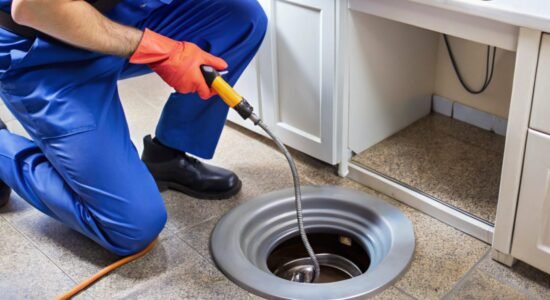
Mechanical drain cleaning is commonly used for stubborn clogs located inside plumbing pipes. Professional equipment may include drain augers and specialized rotating tools designed to break apart or retrieve accumulated debris. The equipment is selected according to the pipe dimensions and the nature of the blockage.
Hydro jetting is another professional cleaning method that uses controlled high-pressure water to remove grease, sludge, mineral buildup, and other deposits from suitable pipes. It can be particularly effective for certain recurring drainage problems, although a professional assessment is necessary to determine whether the pipe material and condition can safely withstand the cleaning process.
Drain inspections may also involve specialized cameras that allow technicians to examine the inside of pipes. These inspections can help locate blockages, identify damaged sections, and determine whether recurring drainage problems are associated with structural defects.
Benefits of Hiring Professional Drain Cleaning Services
Professional assistance can make a significant difference when dealing with persistent or complicated drainage problems. While minor surface blockages may sometimes be resolved through simple cleaning, deeper obstructions often require specialized equipment and technical knowledge.
One of the main benefits of professional service is accurate problem identification. A technician can examine the affected plumbing system and determine whether the issue is caused by grease accumulation, foreign objects, mineral deposits, tree roots, or damaged pipes. Identifying the underlying cause helps prevent repeated problems and unnecessary repairs.
Professional cleaning equipment can also remove stubborn debris more effectively than many household methods. Mechanical tools and suitable water-based cleaning systems allow technicians to address blockages that cannot be reached through ordinary drain cleaning products.
Another advantage is improved plumbing performance. Removing accumulated deposits helps restore the internal space available for wastewater movement. This can reduce slow drainage, limit recurring blockages, and improve the overall reliability of the system.
Professional services can also help identify early signs of pipe deterioration. Cracks, displaced joints, corrosion, and root intrusion may become visible during an inspection. Addressing these concerns early can help prevent more extensive plumbing damage.
Kitchen Drain Cleaning and Preventive Maintenance
Kitchen drains experience frequent use and are particularly susceptible to grease-related blockages. Everyday activities such as washing dishes, rinsing cookware, and cleaning food preparation areas introduce different substances into the drainage system.
Cooking oil and grease are among the biggest contributors to kitchen pipe buildup. Even when these substances are poured into the sink in liquid form, they can cool and solidify inside the plumbing system. Food particles then become trapped in the residue, gradually forming a blockage.
Property owners can reduce these problems by disposing of cooking grease in a suitable container rather than pouring it down the sink. Food scraps should also be placed in appropriate waste containers instead of being washed into the drain.
Using a sink strainer can help prevent larger food particles from entering the plumbing system. Regularly cleaning the strainer and removing visible debris also reduces the amount of material entering the pipes.
If a kitchen sink begins draining slowly or develops persistent odors, professional cleaning may be necessary. A technician can determine whether the obstruction is located near the sink trap or deeper inside the drainage line.
Bathroom Drain Cleaning for Better Hygiene
Bathroom drainage systems handle water mixed with hair, soap, shampoo, toothpaste, and other personal care products. These substances can accumulate inside pipes and create blockages that affect sinks, showers, bathtubs, and floor drains.
Hair is one of the most common causes of bathroom clogs. It can collect around drain covers and internal pipe connections, creating a network that traps additional debris. Soap residue may then combine with the hair and form a dense obstruction.Installing suitable drain covers is a simple way to reduce the amount of hair entering bathroom pipes. Regularly removing visible debris from these covers can also help maintain proper drainage.
Homeowners should avoid flushing unsuitable products down bathroom fixtures. Items such as wet wipes, cotton swabs, sanitary products, and paper towels should be disposed of appropriately rather than placed inside toilets.If bathroom drains repeatedly become blocked, the problem may extend beyond the visible opening. Professional cleaning can help remove deeper deposits and identify any underlying pipe issues that contribute to recurring problems.
Understanding Hydro Jetting for Deep Drain Cleaning
Hydro jetting is a specialized plumbing technique used to clean suitable drainage pipes with controlled high-pressure water. Unlike methods that simply create a small opening through a blockage, hydro jetting can remove accumulated deposits from a larger portion of the pipe’s interior surface.
The process generally involves a professional technician assessing the drainage system and determining whether hydro jetting is appropriate. A specialized hose and nozzle are then used to deliver water through the pipe under controlled pressure. The water helps dislodge grease, sludge, mineral buildup, and certain other types of debris.One of the main advantages of this method is its ability to clean substantial sections of suitable pipes. This can be particularly useful for properties experiencing recurring blockages caused by heavy grease accumulation or persistent residue.
However, hydro jetting is not suitable for every drainage system. Older, damaged, fragile, or severely deteriorated pipes may require a different cleaning approach. High-pressure water should only be used after an appropriate assessment by a qualified professional.A camera inspection may be recommended before the procedure when the pipe’s condition is uncertain. This helps technicians select a suitable method and reduce the risk of causing further damage.
The Role of Drain Camera Inspections
Drain camera inspections allow plumbing professionals to examine the inside of drainage pipes without extensive excavation or unnecessary dismantling. A specialized waterproof camera is inserted into the pipe to provide visual information about its condition and identify potential obstructions.
This technology can be especially useful when a property experiences recurring clogs despite repeated cleaning. Instead of guessing where the problem is located, technicians can inspect the pipe and look for grease deposits, foreign objects, root intrusion, cracks, and other abnormalities.Camera inspections can also help identify structural issues. A pipe may have shifted, collapsed, corroded, or developed damaged joints that interfere with wastewater flow. These problems cannot always be resolved through ordinary cleaning.
Another advantage is improved repair planning. When the location and nature of a drainage problem are understood, contractors can recommend a more appropriate solution. This may involve targeted cleaning, localized repairs, or replacement of a damaged pipe section.For property owners, camera inspections provide greater clarity about the condition of their drainage system and help reduce unnecessary work.
Residential and Commercial Drain Cleaning Requirements
Residential and commercial properties have different drainage requirements because their plumbing systems experience different levels and types of use. Homes generally have smaller drainage networks serving kitchens, bathrooms, laundry areas, and outdoor fixtures. Common residential problems include hair accumulation, grease buildup, toilet blockages, and occasional outdoor drain obstructions.
Commercial buildings may have more extensive drainage systems that serve multiple kitchens, bathrooms, washrooms, and specialized facilities. Restaurants, hotels, offices, healthcare facilities, and industrial properties may experience higher wastewater volumes and more frequent drainage problems.
Restaurants are particularly vulnerable to grease-related blockages because cooking operations introduce oils, fats, and food particles into the plumbing system. Proper grease management and regular maintenance are important for keeping these drainage systems functioning effectively.
Commercial property managers should consider establishing scheduled inspections and cleaning programs based on the building’s usage. Preventive maintenance can help reduce operational interruptions, unpleasant odors, and unexpected plumbing emergencies.Residential property owners can also benefit from periodic professional inspections, particularly when their properties have older pipes or a history of recurring drainage issues.
How Much Does Professional Drain Cleaning Cost?
The cost of drain cleaning depends on several factors, including the location of the blockage, its severity, the cleaning method required, and the accessibility of the affected pipe. A simple sink blockage may require less time and equipment than a major obstruction inside an underground sewer line.
The type of cleaning equipment used can also influence the total cost. Basic mechanical cleaning may be suitable for certain clogs, while hydro jetting or camera inspections may involve additional equipment and labor.
The condition of the drainage system is another important consideration. If a technician discovers cracked pipes, root intrusion, collapsed sections, or damaged connections, additional repair work may be necessary.Emergency service appointments may also involve different charges depending on availability and the time of the visit. Property owners should request a clear estimate before approving work and ask whether inspection, equipment, labor, and additional services are included.
Comparing detailed quotations from qualified plumbing professionals can help homeowners understand their options. However, the lowest price should not be the only consideration. Proper diagnosis, suitable cleaning methods, and reliable workmanship are important for achieving lasting results.
Why Professional Drain Cleaning Is Better Than Repeated Chemical Treatments
Many household drain cleaning products are marketed as quick solutions for clogged pipes. Although certain products may help with specific minor obstructions, repeated use of strong chemical cleaners can create additional concerns.Some chemical treatments may be unsuitable for particular pipe materials, especially when used incorrectly or more frequently than recommended. They can also create safety risks through skin contact, inhalation, or accidental mixing with other household cleaning products.
Another limitation is that chemical treatments do not necessarily remove the underlying cause of a blockage. Grease, hair, foreign objects, and structural pipe problems may require mechanical cleaning or professional inspection.Professional technicians can select an appropriate method based on the nature of the obstruction and the condition of the plumbing system. This approach is generally more effective for persistent or recurring drainage problems.
Homeowners should always follow product instructions and avoid mixing drain cleaning chemicals. If a chemical product has already been used, they should inform the plumber before requesting additional service.
Preventive Tips to Keep Your Drains Clean
Preventive maintenance is one of the most effective ways to reduce the likelihood of clogged drains. Small changes in daily habits can help limit the amount of debris entering plumbing pipes and support better long-term drainage performance.
In kitchens, avoid pouring cooking grease, oil, and fat into sinks. Allow these substances to cool and dispose of them in suitable waste containers. Use sink strainers to catch food particles and clean them regularly.
In bathrooms, install drain covers that collect hair and other visible debris. Remove accumulated material frequently rather than allowing it to enter the pipes. Avoid flushing wet wipes, cotton products, and other unsuitable items down toilets.Regularly inspect accessible drain openings and remove visible debris. Pay attention to unusual odors, slow water movement, and gurgling sounds because these may indicate an early blockage.
Outdoor drainage areas should also be maintained. Remove leaves, dirt, and other debris from drain covers and nearby surfaces, especially after heavy rainfall or seasonal changes.Property owners should arrange professional attention when recurring drainage problems develop. Regular maintenance and early intervention can help prevent expensive plumbing issues and reduce the likelihood of unexpected backups.
Common Drain Cleaning Mistakes to Avoid
Although many homeowners attempt to manage minor drainage problems themselves, certain approaches can make the situation worse. One common mistake is repeatedly using chemical cleaners without understanding the cause of the blockage. This may provide temporary improvement without resolving the underlying issue.
Another mistake is using unsuitable objects or tools to force debris through a drain. Improper handling can damage pipe connections, dislodge internal components, or push the obstruction deeper into the plumbing system.Ignoring repeated slow drainage is also a problem. A drain that becomes blocked several times may indicate a deeper obstruction, pipe damage, or an issue affecting a shared drainage line.
Pouring grease and cooking oil into kitchen sinks is another habit that contributes to long-term buildup. Even small amounts can accumulate over time and create difficult blockages.
Finally, property owners should avoid treating all drainage problems as simple clogs. If multiple fixtures become blocked simultaneously, sewage odors develop, or wastewater backs up through floor drains, the issue may involve the main drainage line and require prompt professional assessment.
When to Call an Emergency Drain Cleaning Professional
Some drainage problems require immediate attention because they can affect property hygiene, cause water damage, or disrupt essential plumbing facilities. A complete blockage affecting several fixtures may indicate a problem within the main drainage line.
Sewage backing up into a home or commercial building is particularly serious. Wastewater can contain harmful microorganisms and create an unsanitary environment. Affected areas should be avoided as much as possible, and professional plumbing assistance should be arranged promptly.
Overflowing toilets, water backing up through floor drains, and sudden drainage failures are additional reasons to seek urgent help. If a blockage causes water to overflow, stop using affected fixtures and take appropriate precautions to limit further damage.
Emergency technicians can inspect the system, identify the source of the obstruction, and recommend suitable cleaning or repair work. Prompt attention helps reduce disruption and prevents a drainage problem from becoming a larger property maintenance issue.
Conclusion
Maintaining a clean and efficient drainage system is essential for protecting residential and commercial properties from plumbing problems, unpleasant odors, and wastewater backups. Over time, grease, hair, soap residue, food particles, mineral deposits, and other materials can accumulate inside pipes and restrict normal water flow. Recognizing early warning signs and arranging appropriate maintenance can help prevent these problems from becoming more serious.
Professional drain cleaning services provide effective solutions for different types of blockages through mechanical cleaning, suitable water-based methods, and specialized inspections. By identifying the underlying cause of a drainage issue, experienced technicians can recommend the right approach and help restore proper plumbing performance.
Property owners can also reduce the likelihood of recurring clogs by adopting good disposal habits, maintaining drain covers, keeping outdoor drainage areas clear, and arranging inspections when problems appear. Investing in regular maintenance is a practical way to protect plumbing systems, improve household hygiene, and avoid unnecessary repair expenses.
Whether dealing with a slow kitchen sink, a blocked bathroom drain, or a more complicated sewer line obstruction, timely attention makes a significant difference. With appropriate cleaning methods and consistent preventive care, property owners can maintain reliable drainage and enjoy a cleaner, more comfortable environment for years to come.
Author

thedailygurdian@gmail.com
Related Posts

Commercial Roof Replacement: A Protecting Your Property and Improving Building Performance
- 0
- 3,701 words
Introduction Maintaining a commercial property requires regular attention to structural conditions, building materials, and essential maintenance systems. Among these responsibilities, the roof...
Read out all
Trenchless Sewer Line Repair: A Modern Solution for Efficient and Long-Lasting Pipe Restoration
- 0
- 3,280 words
Maintaining a properly functioning sewer system is essential for residential, commercial, and industrial properties. Sewer lines transport wastewater away from buildings and...
Read out all
Franchise Resale: A Complete Guide to Buying, Selling, and Maximizing the Value of an Established Franchise Business
- 0
- 3,381 words
Introduction Starting a business from the ground up can be an exciting opportunity, but it also involves considerable planning, financial investment, uncertainty,...
Read out all
Stone Veneer: Enhance Your Property with Elegant, Durable, and Versatile Wall Finishes
- 0
- 3,540 words
Introduction Creating an attractive and welcoming property involves choosing materials that combine visual appeal, durability, and long-term functionality. Exterior and interior walls...
Read out all
Driveway Gate Installation: Enhancing Property Security, Privacy, and Curb Appeal
- 0
- 2,934 words
A driveway gate is an important addition to any residential or commercial property because it provides controlled access, improves security, and creates...
Read out all
Professional Gutter Installation: Protecting Your Property From Water Damage With Reliable Drainage Solutions
- 0
- 3,128 words
Introduction: Why Proper Gutter Installation Matters for Every Property A well-maintained drainage system is essential for protecting residential and commercial properties from...
Read out all