
- 0
- 3,076 words
Introduction: Why Regular Roof Inspections Are Essential
A roof is one of the most important structural components of any residential or commercial property. It provides protection against rain, wind, sunlight, storms, and other environmental conditions while helping maintain indoor comfort and structural stability. Despite its importance, roofing systems are often overlooked until visible damage or water leaks become noticeable. Unfortunately, waiting until a roofing problem becomes obvious can lead to expensive repairs, damaged insulation, interior water stains, and deterioration of other building components. Regular inspections provide an effective way to identify potential concerns early and maintain the overall condition of a roofing system.
Over time, roofing materials experience natural wear caused by temperature changes, moisture, sunlight, airborne debris, and severe weather. Shingles may become loose, flashing can deteriorate, drainage systems may become blocked, and small cracks can develop around vulnerable areas. Some problems remain hidden beneath roofing materials or inside attic spaces, making them difficult for property owners to identify without a proper assessment. A professional inspection helps evaluate these areas and determine whether maintenance, minor repairs, or more extensive work may be necessary.
Professional roof inspections are an important part of responsible property maintenance because they provide valuable information about the condition, performance, and expected lifespan of a roofing system. Whether maintaining a family home, managing a rental property, or overseeing a commercial building, arranging routine assessments can help reduce unexpected expenses and protect the property’s value. Understanding what an inspection involves, recognizing common warning signs, and knowing when professional assistance is necessary can help property owners make informed decisions about their roofing systems.
Understanding What a Professional Roof Inspection Involves
A professional roof inspection is a detailed evaluation of the roofing system designed to identify existing damage, potential weaknesses, and maintenance requirements. Rather than focusing only on visible shingles or exterior materials, a comprehensive assessment examines multiple components that work together to protect the building. These include roofing surfaces, flashing, gutters, ventilation openings, drainage systems, roof penetrations, and accessible attic areas.
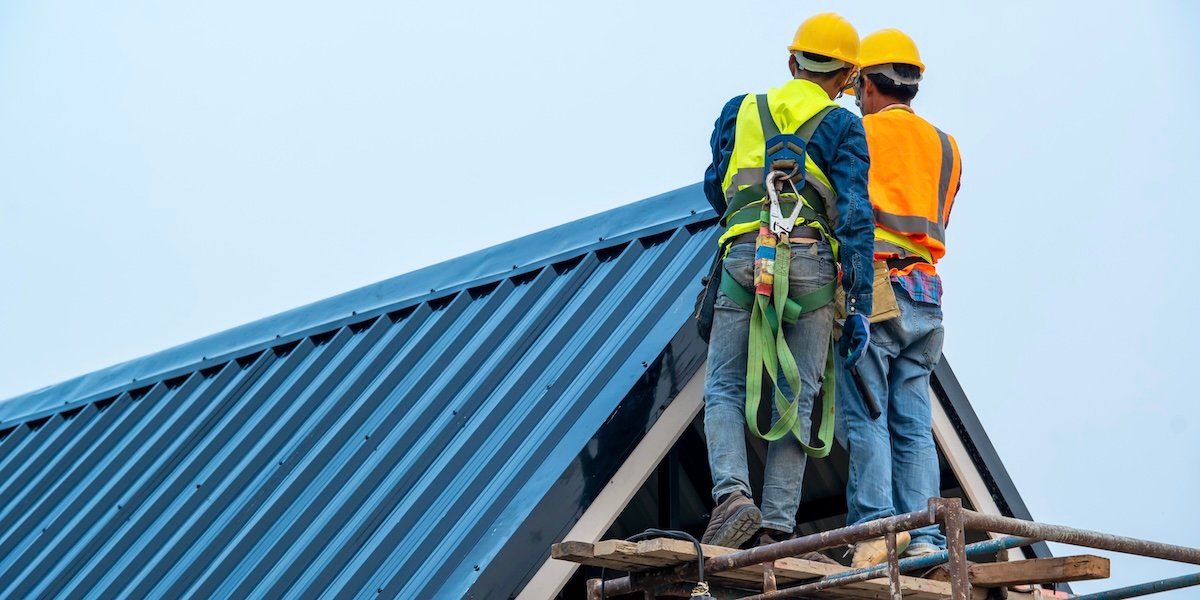
The inspection generally begins with an examination of the roof’s exterior condition. Depending on the roof design, accessibility, and safety requirements, professionals may use suitable access equipment, ground-level observations, drones, or other inspection methods. They look for missing, cracked, curled, or deteriorating shingles, damaged tiles, loose metal panels, and other signs of material failure. These conditions can indicate that certain sections are becoming vulnerable to water penetration.
Flashing is another important area because it protects the joints and transitions around chimneys, skylights, vents, and roof edges. Damaged or improperly installed flashing can allow moisture to enter the structure, even when the surrounding roofing materials appear to be in good condition. Inspectors also evaluate gutters and downspouts to determine whether water can drain away from the roof properly.
An attic inspection may provide additional information about hidden roofing problems. Professionals can look for moisture stains, deteriorating wood, mold-like growth, damaged insulation, and signs of inadequate ventilation. Combining exterior and interior observations helps create a more complete understanding of the roofing system and supports appropriate maintenance recommendations.
Common Warning Signs That Indicate Your Roof Needs Attention
Recognizing early warning signs can help property owners arrange an inspection before a minor issue becomes a major concern. One of the most noticeable indicators is water staining on ceilings or interior walls. Brown marks, peeling paint, bubbling plaster, and damp patches may suggest that water is entering through the roof or another part of the building envelope. Although the visible stain may appear far from the actual entry point, moisture can travel along structural components before becoming noticeable indoors.
Missing or damaged shingles are another common warning sign. Strong winds, aging materials, falling branches, and repeated exposure to harsh weather can cause roofing components to loosen, crack, or detach. When protective layers are compromised, the underlying roof structure may become more vulnerable to moisture.
Granules collecting inside gutters can also indicate deterioration in asphalt shingles. These granules protect the shingles from sunlight and weather exposure. A noticeable increase in granule loss may suggest that the roofing materials are aging or experiencing damage.
Property owners should also pay attention to sagging roof sections, damaged flashing, visible rust, and blocked gutters. Unusual odors inside attic spaces may indicate moisture accumulation, while excessive indoor heat can sometimes be associated with inadequate attic ventilation. These signs do not always confirm a roofing defect, but they provide good reasons to arrange a professional assessment.
How Weather Conditions Affect Roofing Systems
Roofing materials are continuously exposed to environmental conditions that can influence their durability and performance. Sunlight, rainfall, temperature fluctuations, humidity, strong winds, and storms can gradually weaken protective surfaces and connections. Understanding how these conditions affect a roof helps property owners recognize the importance of routine inspections.
High temperatures and prolonged sunlight can accelerate the aging of certain roofing materials. Repeated heating and cooling may cause expansion and contraction, placing stress on joints, sealants, and fastening systems. Over time, this movement can contribute to cracks, loose components, and deterioration around vulnerable areas.
Heavy rainfall can reveal problems involving damaged shingles, defective flashing, or inadequate drainage. If gutters and downspouts cannot remove water efficiently, moisture may collect near roof edges and increase the risk of damage to fascia boards and other surrounding components.
Strong winds can lift shingles, loosen metal roofing panels, and displace protective materials. Even when a roof appears relatively undamaged after a storm, small openings may have developed that allow water to enter during subsequent rainfall.
Hail and falling branches can create impact damage that may not always be immediately visible. Cracked tiles, dented metal panels, and damaged shingle surfaces can gradually develop into more serious concerns. Professional assessments after significant weather events help identify these problems and determine whether repairs are required.
The Importance of Inspecting Roofing Materials
Different roofing materials have different characteristics, maintenance requirements, and potential failure points. A professional inspection should consider the specific material installed on the property rather than applying the same evaluation approach to every roofing system.
Asphalt shingles are among the most common residential roofing materials. They are available in different styles and provide protection against various weather conditions. However, they can deteriorate over time due to sunlight, wind, moisture, and general aging. Inspectors look for missing shingles, curling edges, cracks, granule loss, and damaged seals.
Metal roofing systems are known for their durability and resistance to many environmental conditions. Nevertheless, they still require periodic assessment. Loose fasteners, damaged protective coatings, corrosion, and deteriorated panel connections can create opportunities for moisture penetration. Special attention should also be given to seams, flashing, and areas surrounding roof penetrations.
Tile roofs provide an attractive appearance and can offer a long service life when properly maintained. However, individual tiles may crack, shift, or become displaced due to impact, movement, or aging. Even when the tiles themselves remain durable, the underlayment and flashing beneath them can deteriorate.
Flat and low-slope roofs require particular attention because water drainage is a major consideration. Standing water, damaged membranes, deteriorated seams, and blocked drainage outlets may indicate developing problems. Inspectors should evaluate whether water is moving toward the intended drainage points and whether the roofing membrane remains intact.
Understanding the material-specific requirements allows professionals to recommend suitable maintenance and repair solutions.
Roof Inspections and Early Leak Detection
Water leaks are among the most damaging problems a roofing system can experience. Even a small opening can allow moisture to enter the building, potentially affecting insulation, ceilings, wall materials, electrical components, and structural wood. If water penetration continues for an extended period, it may contribute to mold development and expensive restoration work.
Early leak detection is therefore one of the most valuable benefits of a professional roof inspection. Inspectors examine vulnerable areas such as valleys, flashing, skylights, chimneys, ventilation pipes, roof edges, and transitions between different roofing materials. These locations often require specialized protective details because they involve joints or openings in the roof surface.
Attic inspections can also help identify leaks that have not yet become visible inside occupied rooms. Moisture stains, damp insulation, discoloration, and signs of wood deterioration may indicate that water has entered through the roof. Identifying these conditions early helps property owners address the source before additional damage occurs.
It is important to understand that water stains do not always appear directly below the point where moisture enters. Water may travel along rafters, decking, or other structural components before reaching a ceiling. Professional experience helps technicians investigate these patterns and narrow down possible entry points.
The Role of Gutters and Drainage in Roof Performance
Gutters and downspouts are essential parts of a roofing system because they direct rainwater away from the roof and building foundation. When these components become blocked or damaged, water may overflow and affect fascia boards, soffits, siding, exterior walls, and surrounding landscaping.
During a roof assessment, professionals often examine gutters for accumulated leaves, dirt, twigs, and other debris. They may also check for loose brackets, damaged joints, corrosion, and signs of improper alignment. These conditions can interfere with drainage and increase the risk of moisture-related deterioration.Downspouts should also be inspected to ensure that water can move away from the property effectively. Blocked or disconnected downspouts may cause water to accumulate around the foundation, potentially creating additional moisture concerns.
Flat roofing systems have different drainage requirements. Inspectors may evaluate internal drains, scuppers, drainage outlets, and areas where water tends to collect. Persistent standing water can increase stress on roofing materials and may indicate a problem with the roof’s slope or drainage design.Maintaining clean and functional drainage components supports the performance of the entire roofing system. Regular gutter cleaning and timely repairs should therefore be included in a comprehensive property maintenance routine.
Why Attic Inspections Are Equally Important
The attic provides valuable information about the condition of a roof because some roofing problems develop internally before becoming visible from outside. A thorough inspection should therefore consider accessible attic areas whenever appropriate.
One important factor is ventilation. Proper attic ventilation helps manage heat and moisture accumulation by supporting airflow through designated intake and exhaust openings. When ventilation is insufficient or obstructed, excessive moisture may contribute to condensation, mold development, and deterioration of wooden components.
Insulation conditions should also be examined. Wet, compressed, or deteriorating insulation may indicate moisture intrusion or another building-related problem. Since insulation plays an important role in maintaining indoor comfort, identifying these conditions can help property owners address issues that affect both the roof and the building’s energy performance.
Inspectors may also look for dark stains, damaged roof decking, visible daylight through unexpected openings, and signs of pest activity. These observations can provide useful clues about possible leaks, structural weaknesses, or openings in the roofline.
However, attic ventilation and moisture problems may have multiple causes, including air leakage from indoor spaces and plumbing issues. A proper assessment considers the overall building conditions rather than automatically attributing every moisture concern to a roofing defect.
Benefits of Scheduling Routine Roof Inspections
Routine inspections provide several important benefits for property owners. One of the most significant is the opportunity to identify developing problems before they require extensive repairs. Small issues such as loose flashing, cracked shingles, and blocked drainage outlets may be relatively straightforward to address when discovered early.
Preventive maintenance can also help extend the useful life of roofing materials. Regularly evaluating the condition of shingles, tiles, membranes, fasteners, and protective coatings allows property owners to address deterioration before it spreads to surrounding areas.
Another advantage is improved financial planning. Unexpected roof repairs can create considerable expenses, particularly when water damage affects multiple parts of a building. Inspection reports provide information about the roof’s condition and may help property owners prioritize repairs according to urgency and available budgets.
Inspections can also support property transactions. Buyers may want to understand the condition of a roof before purchasing a property, while sellers may benefit from identifying existing problems before listing their building. A professional assessment can provide useful documentation and help reduce uncertainty during negotiations.
For commercial property owners, regular roof evaluations are particularly valuable because roofing problems can affect business operations, tenants, employees, equipment, and inventory. Preventive maintenance helps reduce the risk of unexpected disruptions and supports responsible building management.
Choosing a Reliable Roofing Inspection Professional
Selecting the right inspection professional is an important part of maintaining a roofing system. Property owners should look for contractors or inspectors with relevant experience, appropriate qualifications, suitable equipment, and a clear understanding of different roofing materials.
A dependable professional should provide a thorough assessment rather than simply looking at the most visible sections of the roof. The inspection should consider roofing materials, flashing, gutters, drainage components, ventilation, and accessible interior areas where appropriate.
Communication is another important factor. After completing the assessment, the professional should explain any identified concerns, distinguish between urgent repairs and routine maintenance, and provide recommendations based on the roof’s actual condition. Photographs and written reports can make these findings easier to understand.
Property owners should also ask whether the inspection fee includes a written report, photographs, and recommendations for further evaluation. If repairs are recommended, requesting a separate estimate can help clarify the costs associated with the proposed work.
It is advisable to verify insurance coverage and any required licensing or professional credentials. Roof inspections may involve working at height, and safety should always be a priority. Contractors should follow suitable procedures and avoid unnecessary risks when accessing difficult or fragile roofing areas.
Comparing multiple providers can help property owners evaluate service quality, pricing, and the level of detail included in the inspection.
How Technology Is Improving Modern Roof Inspections
Advancements in technology have made roofing assessments more efficient and detailed. Traditional inspections relied heavily on direct visual observations, but modern tools provide additional ways to evaluate difficult-to-access areas and identify potential problems.
Drone technology is increasingly used for inspecting large, steep, or complex roofs. Equipped with high-resolution cameras, drones can capture detailed images of roofing surfaces, flashing, valleys, chimneys, and other components without requiring inspectors to walk across every section. This can improve access and reduce certain safety risks, although drone observations may not replace close physical examination when detailed material testing is necessary.
Infrared imaging can also assist with identifying temperature variations that may be associated with trapped moisture or insulation irregularities. However, thermal patterns are not definitive proof of a roof leak and generally require interpretation alongside other inspection findings.
Digital photography and reporting systems make it easier to document damage and compare roof conditions over time. Property owners can review images, understand maintenance recommendations, and maintain records of completed work.
Some inspection professionals also use specialized moisture detection equipment to investigate suspected water intrusion. These tools can help identify areas requiring additional attention, particularly on certain flat roofing systems.Combining modern technology with professional experience can provide a more comprehensive understanding of roofing conditions and support better maintenance decisions.
When Should Property Owners Schedule a Roof Inspection?
The ideal inspection schedule depends on the roof’s age, material, environmental exposure, maintenance history, and overall condition. Many property owners benefit from arranging a professional assessment at least once a year, although certain buildings may require more frequent evaluations.
Inspections are particularly important after severe weather events. Strong winds, heavy rainfall, hail, and falling debris can cause damage that may not be immediately noticeable from the ground. A post-storm assessment helps identify displaced materials, damaged flashing, and potential water entry points.
Roof inspections are also advisable before purchasing a property or undertaking major renovation work. Understanding the condition of the existing roofing system can help buyers and property owners make more informed financial decisions.
Older roofs may require closer monitoring because their materials and protective components are more likely to show signs of deterioration. However, a roof’s actual condition is more important than age alone. Some well-maintained systems may remain functional for many years, while others may develop problems earlier because of installation defects or environmental exposure.
After repairs or roof replacement, a follow-up assessment can also help verify that the completed work appears consistent with the agreed scope. Keeping inspection records makes it easier to monitor changes and plan future maintenance.
Common Mistakes to Avoid When Maintaining a Roof
One common mistake is waiting until a visible leak appears before arranging an inspection. By the time water reaches an interior ceiling, moisture may already have affected insulation, roof decking, or other concealed components. Regular assessments help identify potential entry points before they cause extensive damage.
Another mistake is assuming that a roof is in good condition simply because it looks attractive from the ground. Some roofing problems develop around flashing, fasteners, drainage outlets, and concealed joints that cannot be evaluated through a basic visual check.
Ignoring gutters and downspouts is also a frequent maintenance issue. Even a structurally sound roof can experience problems when rainwater is not directed away efficiently. Blocked gutters may cause overflow, fascia deterioration, and moisture damage around roof edges.
Property owners should also avoid attempting unsafe roof inspections without suitable training and equipment. Walking on steep, wet, fragile, or damaged roofing surfaces can result in serious injuries. Professional inspections are a safer choice when roof access is difficult or hazardous.
Finally, it is important not to postpone recommended repairs indefinitely. Minor issues may become more expensive when exposed to repeated weather conditions. Addressing identified problems according to their urgency helps protect the building and maintain the performance of the roofing system.
Conclusion: Protect Your Property With Regular Roof Inspections
A well-maintained roof is essential for protecting a property against moisture, severe weather, and structural deterioration. However, even durable roofing materials require regular attention to remain effective. Small defects involving shingles, flashing, gutters, ventilation, and drainage can gradually develop into significant problems when they are ignored.
Professional inspections help property owners understand the current condition of their roofing systems, identify hidden concerns, and make informed decisions about preventive maintenance. From evaluating exterior materials and detecting leaks to examining attic ventilation and drainage components, a comprehensive assessment provides valuable information about the roof’s overall performance.
Scheduling routine roof inspections is a practical investment in property protection, financial planning, and long-term maintenance. By choosing experienced professionals, addressing warning signs promptly, and keeping accurate inspection records, homeowners and commercial property managers can reduce unexpected repair expenses and preserve the condition of their buildings. Consistent attention today can help prevent more serious roofing problems tomorrow while providing greater confidence in the protection of the property.
Author

thedailygurdian@gmail.com
Related Posts
Commercial Roof Replacement: A Protecting Your Property and Improving Building Performance
- 0
- 3,701 words
Introduction Maintaining a commercial property requires regular attention to structural conditions, building materials, and essential maintenance systems. Among these responsibilities, the roof...
Read out all
Trenchless Sewer Line Repair: A Modern Solution for Efficient and Long-Lasting Pipe Restoration
- 0
- 3,280 words
Maintaining a properly functioning sewer system is essential for residential, commercial, and industrial properties. Sewer lines transport wastewater away from buildings and...
Read out all
Franchise Resale: A Complete Guide to Buying, Selling, and Maximizing the Value of an Established Franchise Business
- 0
- 3,381 words
Introduction Starting a business from the ground up can be an exciting opportunity, but it also involves considerable planning, financial investment, uncertainty,...
Read out all
Stone Veneer: Enhance Your Property with Elegant, Durable, and Versatile Wall Finishes
- 0
- 3,540 words
Introduction Creating an attractive and welcoming property involves choosing materials that combine visual appeal, durability, and long-term functionality. Exterior and interior walls...
Read out all
Driveway Gate Installation: Enhancing Property Security, Privacy, and Curb Appeal
- 0
- 2,934 words
A driveway gate is an important addition to any residential or commercial property because it provides controlled access, improves security, and creates...
Read out all
Drain Cleaning: Essential Solutions for Maintaining a Clean and Efficient Plumbing System
- 0
- 3,313 words
Introduction A properly functioning drainage system is essential for maintaining a clean, comfortable, and hygienic property. Whether in a residential home, commercial...
Read out all