
- 0
- 3,105 words
Flooring plays an important role in the appearance, comfort, functionality, and overall value of any property. Whether it is a residential home, office, retail store, or commercial building, the condition and quality of the flooring can significantly influence the atmosphere of the entire space. A well-designed floor creates a clean and welcoming environment, complements interior decorations, and provides a durable surface for everyday activities. However, selecting suitable flooring materials and ensuring they are installed correctly requires careful planning, technical knowledge, and professional workmanship. Poor installation can lead to uneven surfaces, loose boards, visible gaps, premature wear, and expensive repairs.
Hiring an experienced flooring contractor is an effective way to ensure that flooring projects are completed with attention to detail and appropriate installation techniques. Professional contractors understand different flooring materials, subfloor requirements, preparation methods, and finishing procedures. They can help property owners select suitable products according to their design preferences, budget, lifestyle, and maintenance expectations. From installing hardwood and laminate flooring to laying luxury vinyl, tile, and carpet, professional flooring services can improve both the appearance and functionality of an interior space. Understanding the different aspects of flooring projects helps property owners make informed decisions and achieve attractive, long-lasting results.
Understanding the Importance of Professional Flooring Services
Flooring is one of the most frequently used surfaces in any building, which means it must withstand continuous foot traffic, furniture movement, spills, and everyday wear. Although choosing an attractive flooring material is important, the quality of installation determines how well the finished surface performs over time. Even premium flooring products may develop problems when they are installed on an uneven subfloor or without following the manufacturer’s guidelines.
Professional flooring services help prevent these issues by ensuring that each stage of the project is handled correctly. Contractors begin by assessing the existing floor, measuring the available space, and identifying any conditions that could affect installation. They also determine whether the subfloor requires leveling, cleaning, moisture treatment, or additional preparation before new materials can be installed.
Another advantage of professional workmanship is consistency. Flooring materials must be positioned accurately to create uniform spacing, smooth transitions, and an attractive finish. Poorly aligned boards, uneven tile joints, and inconsistent carpet edges can affect the appearance of an entire room. Experienced installers use suitable tools and established techniques to achieve a polished result.
Professional installation can also help protect the investment made in flooring materials. By following appropriate installation procedures, contractors reduce the likelihood of premature damage and unnecessary maintenance expenses. This makes professional assistance valuable for both small renovation projects and large-scale construction developments.
Choosing the Right Flooring Material for Your Property
Selecting the right flooring material is an important decision because different options offer different benefits in terms of durability, appearance, comfort, and maintenance. The best choice depends on the purpose of the room, the amount of daily activity, exposure to moisture, and the overall interior design. Property owners should compare the available materials carefully before making a final decision.
Hardwood flooring is a popular choice for homeowners who appreciate natural textures and timeless designs. It creates a warm and elegant appearance while offering the possibility of refinishing in the future, depending on the wood type and thickness. However, hardwood requires appropriate care because excessive moisture and unsuitable cleaning methods can damage its surface.
Laminate flooring provides an affordable alternative that can reproduce the appearance of natural wood or stone. It is available in various colors, patterns, and textures, making it suitable for many interior styles. Its installation systems are often designed for relatively straightforward fitting, although the subfloor must still be properly prepared.
Luxury vinyl flooring has become popular because of its versatility, attractive designs, and resistance to everyday moisture exposure. It is available in different formats, including planks and tiles, and can imitate natural materials while offering practical maintenance benefits. Porcelain and ceramic tiles are also suitable options, particularly in areas where water resistance and easy cleaning are important.
Carpet provides softness, warmth, and sound absorption, making it a comfortable option for bedrooms and selected living areas. Each material has different installation requirements, so property owners should consider long-term maintenance and performance rather than choosing a product based on appearance alone.
The Importance of Accurate Measurements and Project Planning
Accurate measurements are essential for ensuring that a flooring project proceeds smoothly. Incorrect measurements can result in material shortages, unnecessary waste, additional expenses, and installation delays. Before ordering materials, contractors should assess the dimensions of each room and account for irregular shapes, doorways, corners, alcoves, and transitions between different flooring surfaces.
The layout of the room should also be considered because the direction and arrangement of flooring materials influence the final appearance. For example, hardwood and laminate planks may be installed in different directions depending on the room’s shape, lighting, and design preferences. Tile layouts require additional planning to achieve balanced spacing and consistent grout lines.
Project planning should include a review of furniture arrangements, access points, existing floor conditions, and any necessary removal work. Property owners should also discuss the expected timeline, material delivery, installation method, and finishing requirements before the project begins.
An accurate estimate should account for more than the cost of flooring materials. It may also include underlayment, adhesives, leveling compounds, trims, transitions, labor, and the removal of existing flooring. Planning these details in advance helps avoid unexpected costs and ensures that the project is completed with fewer interruptions.
Preparing the Subfloor for a Smooth and Durable Finish
Subfloor preparation is one of the most important stages of any flooring project. The subfloor provides the foundation for the new surface, and its condition directly affects the stability and performance of the finished installation. If the underlying surface is uneven, dirty, damp, or damaged, the new flooring may develop problems even when high-quality materials are used.
The preparation process generally begins with removing old flooring when necessary. This may involve taking up carpet, tiles, laminate, adhesive residues, or damaged underlayment. Once the existing materials have been removed, the contractor should inspect the subfloor for cracks, soft areas, loose sections, and signs of moisture damage.
Uneven surfaces may require leveling compounds or other suitable preparation methods. Wooden subfloors may need loose boards secured, while concrete surfaces may require repairs or moisture evaluation. The correct preparation method depends on the existing construction and the requirements of the selected flooring material.
Moisture testing is particularly important because excessive moisture can damage wood products, affect adhesives, and contribute to flooring failure. Contractors should follow the flooring manufacturer’s moisture requirements before proceeding with installation. A properly prepared subfloor creates a stable foundation and helps improve the durability, appearance, and performance of the finished floor.
Hardwood Flooring Installation and Its Long-Term Benefits
Hardwood flooring remains a desirable option because of its natural beauty, strength, and timeless appeal. Its distinctive grain patterns and warm appearance can complement traditional and contemporary interior designs. Hardwood is available in several species, colors, finishes, and plank sizes, allowing property owners to create a personalized look.
The installation process depends on whether solid hardwood or engineered hardwood is selected. Solid hardwood consists of a single piece of wood, while engineered hardwood contains multiple layers designed to improve dimensional stability. Different products may require nailing, stapling, gluing, or floating installation methods, depending on their construction and manufacturer specifications.
Before installation, the contractor should evaluate the subfloor and surrounding conditions. Wood flooring is sensitive to moisture and environmental changes, so proper acclimation and moisture management may be required. The boards must also be arranged carefully to maintain consistent spacing and an attractive overall pattern.
One of the major advantages of suitable hardwood flooring is its potential for refinishing. Depending on the product thickness and condition, sanding and applying a new finish can restore the surface’s appearance. Regular sweeping, suitable cleaning products, and protection against excessive moisture help maintain its condition. With proper installation and care, hardwood flooring can remain an attractive feature of a property for many years.
Installing Laminate Flooring for an Attractive and Practical Interior
Laminate flooring is a practical option for property owners who want the appearance of natural wood or stone without the higher cost associated with some traditional materials. Modern laminate products are available in a wide range of patterns and finishes, allowing them to complement different decorating styles.
Most laminate flooring systems use a click-lock mechanism that connects individual planks without requiring traditional fastening methods. However, successful installation still depends on careful measurements, suitable underlayment, and a properly prepared subfloor. The contractor must also follow the manufacturer’s requirements for expansion gaps around walls, door frames, and fixed objects.
Expansion gaps are particularly important because laminate materials can respond to changes in temperature and humidity. Without sufficient space, the floor may buckle, lift, or develop pressure between the connected planks. Correct positioning and appropriate transitions help prevent these problems.
Laminate flooring is generally easy to maintain because its surface can be cleaned with suitable products and methods. However, excessive water should be avoided unless the specific product is designed to tolerate greater moisture exposure. Choosing a quality product and ensuring correct installation can create an attractive and practical flooring solution for many interior spaces.
Luxury Vinyl Flooring for Modern Residential and Commercial Spaces
Luxury vinyl flooring is a versatile option that combines attractive designs with practical performance. It is available in plank, tile, and other formats, with finishes that imitate wood, stone, and decorative patterns. Its versatility makes it suitable for many residential and commercial applications.
One of its main advantages is its ability to handle everyday moisture exposure better than many traditional wood-based flooring products. This makes certain vinyl products suitable for kitchens, laundry rooms, and other areas where occasional spills may occur. However, waterproof performance varies by product, and installation details remain important for protecting the overall flooring system.
Luxury vinyl flooring may be installed using adhesive, click-lock systems, or other manufacturer-approved methods. The subfloor must be clean, dry, and sufficiently smooth because imperfections can sometimes become visible through thinner flooring products. Contractors should also check the product specifications to determine whether underlayment is required or permitted.
Regular maintenance generally involves sweeping, removing spills promptly, and cleaning with suitable products. Harsh chemicals and abrasive tools should be avoided because they may damage the protective surface. With appropriate material selection and professional installation, luxury vinyl can provide an attractive and manageable flooring solution.
Tile Flooring Installation for Durability and Easy Maintenance
Tile flooring is widely used in areas where durability, moisture resistance, and easy cleaning are important. Ceramic and porcelain tiles are available in numerous colors, textures, sizes, and patterns, making them suitable for a variety of interior designs. They are commonly selected for bathrooms, kitchens, entryways, and other high-use areas.
Successful tile installation requires careful planning because even small alignment mistakes can affect the appearance of the entire surface. Contractors must assess the subfloor, select suitable adhesives, establish the layout, and maintain consistent spacing between tiles. The arrangement should be planned to minimize awkward cuts and create balanced patterns around walls and fixtures.
Once the tiles have been positioned and the adhesive has cured according to the manufacturer’s instructions, grout is applied to fill the joints. The correct grout type should be selected according to the tile material, joint width, and environmental conditions. Some installations may also require movement joints to accommodate building movement and temperature changes.
Tile surfaces are generally easy to clean, although grout lines may require periodic attention to prevent staining and discoloration. Suitable cleaning products and proper maintenance help preserve their appearance. Professional installation is particularly valuable for large-format tiles, intricate patterns, and surfaces that require precise alignment.
Carpet Installation for Comfort, Warmth, and Noise Reduction
Carpet provides a different experience from hard flooring materials because it adds softness, warmth, and a comfortable underfoot surface. It is frequently used in bedrooms, family rooms, offices, and other areas where comfort and sound absorption are priorities.
Carpets are available in several fibers, including nylon, polyester, wool, and polypropylene. Each material offers different characteristics in terms of durability, stain resistance, texture, and cost. The right selection depends on how frequently the area is used and how much maintenance the property owner is willing to perform.
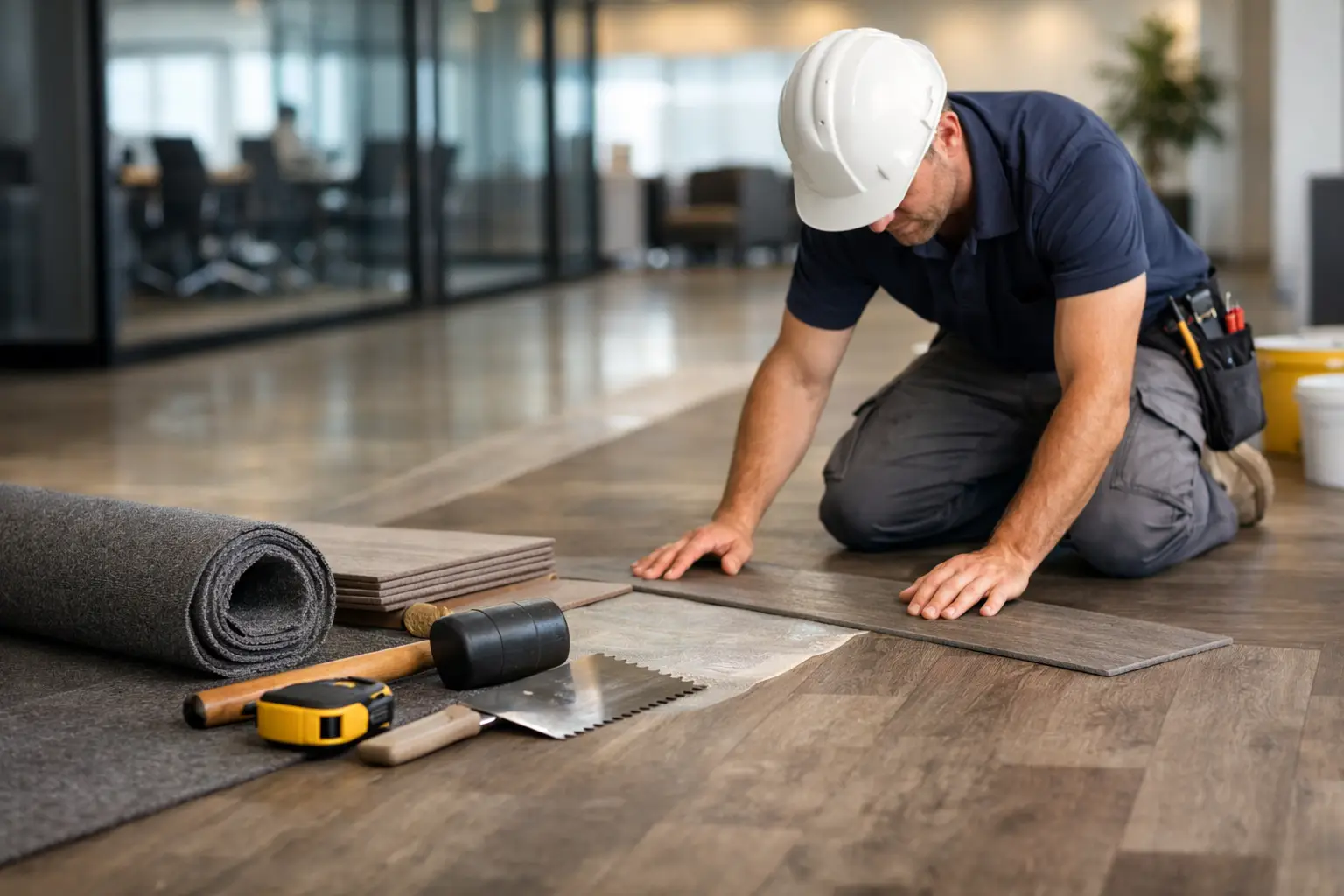
Installation usually involves preparing the subfloor, fitting suitable underlay, measuring and cutting the carpet, and securing the material using an appropriate method. Correct stretching is important because loose carpet can develop wrinkles and uneven areas over time. Seams should also be positioned carefully to create a consistent appearance.
Regular vacuuming helps remove dust and debris, while prompt stain treatment can prevent permanent discoloration. Professional cleaning may also be beneficial depending on the carpet type and usage. When properly selected and installed, carpet can make indoor spaces feel more welcoming and comfortable.
Understanding the Cost of a Flooring Project
The cost of a flooring project depends on several factors, including the selected material, room dimensions, installation complexity, subfloor condition, and additional finishing requirements. Property owners should understand these factors before setting a budget because the cheapest initial option may not always provide the best long-term value.
Material prices vary significantly. Basic laminate and vinyl products may be more affordable than premium hardwood, natural stone, or specialized tile. However, installation expenses also need to be considered. Some materials require more preparation, specialized tools, adhesives, or skilled labor than others.
The condition of the existing floor can influence the total cost as well. Removing old flooring, repairing damaged subfloors, addressing moisture problems, and leveling uneven surfaces may increase the project’s overall expenses. Additional features such as stair installations, decorative borders, custom patterns, and transitions between rooms can also require more time and materials.
Property owners should request a detailed written estimate that separates material costs, labor, preparation, and finishing expenses. Comparing estimates from multiple qualified professionals can help identify reasonable pricing and clarify what is included in the service. A realistic budget should also allow for unexpected preparation requirements rather than focusing exclusively on the cost of the visible flooring product.
Common Flooring Installation Mistakes and How to Avoid Them
Flooring problems often occur when important preparation and installation requirements are overlooked. One common mistake is installing new materials over an unsuitable subfloor. Unevenness, moisture, loose boards, and surface contamination can affect the finished floor and lead to premature failure.
Another mistake is ignoring manufacturer instructions. Different flooring materials have specific requirements for underlayment, adhesive, expansion gaps, acclimation, and installation conditions. Using the wrong method may affect product performance and warranty coverage.
Poor measurements can also create problems, including material shortages, excessive waste, and awkward finishing details. Careful planning and accurate measurements help reduce these risks. Contractors should also consider how flooring will meet doorways, stairs, cabinets, and adjoining rooms.
Using unsuitable cleaning products after installation is another issue that can damage the floor’s finish. Abrasive cleaners, excessive water, and harsh chemicals may affect certain materials. Property owners should follow product-specific maintenance instructions to preserve the surface.
Finally, choosing an installer based entirely on the lowest price can lead to poor workmanship. Flooring requires attention to detail, and shortcuts during preparation or installation may result in additional expenses later. Selecting an experienced professional with a clear project plan is generally a better approach.
How to Choose the Right Flooring Professional
Choosing the right professional is an important part of achieving a successful flooring project. Property owners should look for contractors who have experience working with the specific material they want to install. A professional who regularly installs hardwood may not necessarily have the same level of experience with specialized tile layouts or commercial flooring systems.
Reviewing previous projects can provide useful information about workmanship and attention to detail. Customer reviews and references may also help property owners understand the contractor’s reliability, communication, and ability to complete projects within agreed timelines.
Before making a decision, homeowners should discuss the scope of work in detail. Important topics include material selection, subfloor preparation, installation methods, estimated completion time, cleanup arrangements, and warranty information. A written estimate should clearly explain the services included and identify any potential additional expenses.
Communication is equally important. A reliable professional should be willing to explain the installation process, answer questions, and provide practical recommendations without pressuring the customer into unnecessary upgrades. Selecting a contractor based on experience, transparency, and quality workmanship can make the entire renovation process more manageable.
Maintaining Your New Flooring for Long-Lasting Performance
Proper maintenance helps preserve the appearance and functionality of newly installed flooring. Different materials require different care routines, but regular cleaning and preventive measures are beneficial for almost every type of floor.
Sweeping or vacuuming regularly removes dust, sand, and small particles that may scratch or wear down the surface. Furniture pads can help prevent scratches caused by chairs, tables, and heavy objects. Entry mats are also useful because they reduce the amount of dirt and moisture brought indoors.
Spills should be cleaned promptly using methods appropriate for the flooring material. Excessive water should be avoided on products that are sensitive to moisture, particularly certain hardwood and laminate floors. For tiled surfaces, grout should be inspected periodically and cleaned with suitable products.
Maintaining stable indoor humidity can also help protect certain wood-based flooring materials from excessive expansion and contraction. Property owners should follow manufacturer recommendations for temperature, humidity, and cleaning products.
Routine inspections can reveal loose boards, damaged grout, lifting edges, or other early signs of deterioration. Addressing small issues promptly can prevent them from spreading and help extend the useful life of the flooring. Consistent care ensures that the finished surface continues to complement the interior while remaining practical for everyday use.
Conclusion
Flooring is an essential part of any property’s design and functionality, influencing everything from interior appearance and comfort to durability and maintenance requirements. Selecting the right materials, preparing the subfloor properly, and following suitable installation techniques are all necessary for achieving a successful result. Whether the project involves hardwood, laminate, luxury vinyl, tile, or carpet, every material requires careful handling and appropriate finishing methods.
Hiring a professional flooring contractor can make a significant difference because experienced installers understand material requirements, accurate measurements, surface preparation, and proper installation procedures. Their knowledge helps reduce common problems such as uneven surfaces, loose boards, visible gaps, and premature wear. Professional workmanship can also protect the investment made in flooring products and improve the overall appearance of the property.
Ultimately, a successful flooring project combines quality materials, careful planning, skilled installation, and regular maintenance. Property owners who consider these factors before starting a renovation can create attractive, comfortable, and durable interiors that meet their practical needs while enhancing the long-term value of their properties.
Author

thedailygurdian@gmail.com
Related Posts
Commercial Roof Replacement: A Protecting Your Property and Improving Building Performance
- 0
- 3,701 words
Introduction Maintaining a commercial property requires regular attention to structural conditions, building materials, and essential maintenance systems. Among these responsibilities, the roof...
Read out all
Trenchless Sewer Line Repair: A Modern Solution for Efficient and Long-Lasting Pipe Restoration
- 0
- 3,280 words
Maintaining a properly functioning sewer system is essential for residential, commercial, and industrial properties. Sewer lines transport wastewater away from buildings and...
Read out all
Franchise Resale: A Complete Guide to Buying, Selling, and Maximizing the Value of an Established Franchise Business
- 0
- 3,381 words
Introduction Starting a business from the ground up can be an exciting opportunity, but it also involves considerable planning, financial investment, uncertainty,...
Read out all
Stone Veneer: Enhance Your Property with Elegant, Durable, and Versatile Wall Finishes
- 0
- 3,540 words
Introduction Creating an attractive and welcoming property involves choosing materials that combine visual appeal, durability, and long-term functionality. Exterior and interior walls...
Read out all
Driveway Gate Installation: Enhancing Property Security, Privacy, and Curb Appeal
- 0
- 2,934 words
A driveway gate is an important addition to any residential or commercial property because it provides controlled access, improves security, and creates...
Read out all
Drain Cleaning: Essential Solutions for Maintaining a Clean and Efficient Plumbing System
- 0
- 3,313 words
Introduction A properly functioning drainage system is essential for maintaining a clean, comfortable, and hygienic property. Whether in a residential home, commercial...
Read out all