
- 0
- 2,927 words
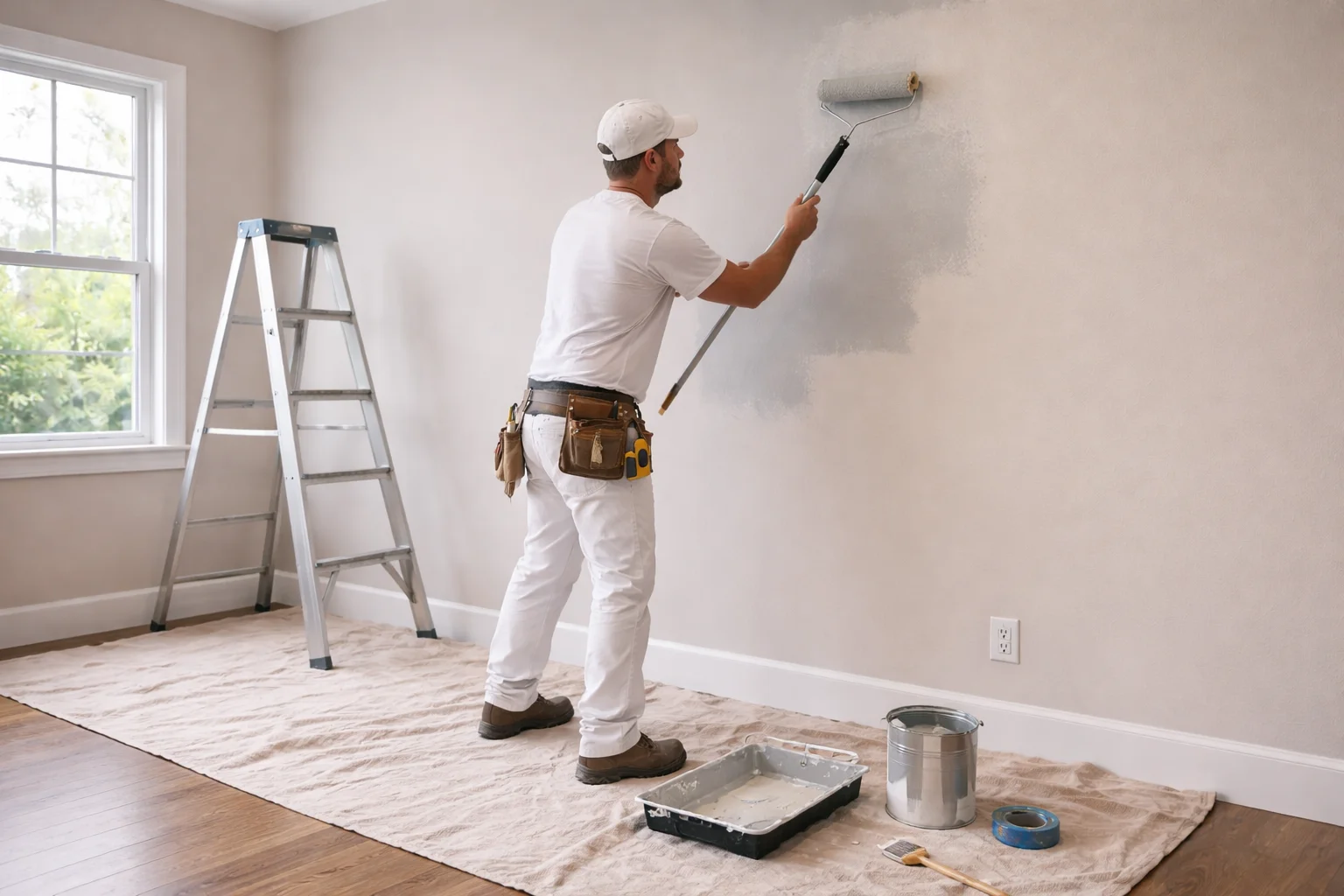
A fresh coat of paint can completely change the appearance of a home, making rooms feel brighter, cleaner, and more welcoming. Whether homeowners want to update outdated interior colors, refresh exterior walls, repair faded surfaces, or prepare a property for sale, professional painting can make a significant difference. Paint does more than improve visual appeal; it also provides a protective layer that helps preserve walls, ceilings, doors, and other surfaces against everyday wear and environmental exposure. However, achieving a smooth, attractive, and durable finish requires more than selecting a suitable color and applying paint with a brush or roller. Proper surface preparation, quality materials, suitable application techniques, and attention to detail are all essential for successful results.
Many homeowners consider painting a simple do-it-yourself project, but larger jobs and detailed finishes can require considerable time, experience, and specialized equipment. Uneven coverage, visible brush marks, paint drips, peeling surfaces, and inconsistent color are common problems when painting is not completed correctly. Hiring an experienced house painter can help property owners avoid these issues while ensuring that their painting projects are completed efficiently and professionally. From preparing damaged walls to applying the final coat, skilled painters understand how to work with different surfaces and paint products to achieve a consistent finish. Understanding the benefits of professional painting, the services available, and the importance of proper preparation can help homeowners make better decisions about improving and maintaining their properties.
Understanding the Importance of Professional House Painting
House painting is an important part of property maintenance because walls and other painted surfaces are constantly exposed to everyday activities, dust, moisture, sunlight, and physical contact. Over time, these conditions can cause paint to fade, crack, peel, stain, or lose its original appearance. Regular painting helps restore the property’s appearance while providing an additional layer of protection to suitable surfaces.
Interior painting can make living spaces more comfortable and visually appealing. Light colors may help smaller rooms feel more open, while deeper shades can create a warm and relaxing atmosphere. Carefully selected colors can also complement furniture, flooring, lighting, and decorative elements.
Exterior painting serves a different but equally important purpose. Outdoor surfaces are exposed to rain, sunlight, temperature changes, wind, and airborne pollutants. Appropriate exterior coatings help protect compatible materials from environmental exposure and maintain the building’s appearance.
Professional painting involves understanding the requirements of each surface before choosing materials and application methods. Wood, drywall, plaster, concrete, and previously painted surfaces may require different preparation techniques and paint products. Applying the wrong type of paint or skipping important preparation steps can result in poor adhesion and premature deterioration.
Interior House Painting for a Fresh and Attractive Living Space
Interior painting is one of the most effective ways to improve the appearance of a home without undertaking major renovations. Walls, ceilings, hallways, bedrooms, kitchens, and living rooms can all benefit from carefully planned painting projects. A fresh finish can make an older room feel updated and create a more coordinated appearance throughout the property.
Before painting begins, the existing surfaces should be inspected for stains, cracks, nail holes, peeling paint, and other imperfections. Small defects may require filling, sanding, or patching before a new coating is applied. Cleaning the walls is also important because dust, grease, and other contaminants can interfere with paint adhesion.
Choosing the right finish is another important consideration. Matte finishes are often selected for areas where homeowners want to reduce the visibility of minor surface imperfections. Satin and eggshell finishes offer a different appearance and may be easier to clean, depending on the product. Semi-gloss finishes are commonly used for selected trim, doors, and other surfaces that benefit from a more durable and washable coating.
A professional painter can help homeowners select appropriate colors and finishes based on room size, lighting conditions, surface materials, and personal preferences. Careful application ensures that the final result looks consistent and complements the overall interior design.
Exterior House Painting and Weather Protection
Exterior painting is essential for maintaining the appearance and condition of a property’s outdoor surfaces. Unlike interior walls, exterior surfaces face continuous exposure to weather conditions that can gradually damage paint and underlying materials.
Sunlight can cause certain paint colors to fade, while rain and moisture may contribute to peeling, blistering, and deterioration when surfaces are not properly protected. Temperature fluctuations can also cause building materials to expand and contract, placing additional stress on exterior coatings.
Before exterior painting begins, the surface should be examined for loose paint, cracks, damaged wood, mildew, and other problems. Areas with peeling coatings may require scraping and sanding, while damaged sections may need repairs or replacement before painting can proceed.
Selecting an appropriate exterior paint is equally important. Exterior coatings are formulated to withstand environmental exposure and should be chosen according to the material being painted and the manufacturer’s recommendations. Wood siding, masonry, concrete, and other surfaces may require different primers and coatings.
Professional preparation and application help create a more uniform finish and improve the durability of the paint system. Regular inspections can also help homeowners identify early signs of deterioration and determine when repainting is necessary.
The Importance of Proper Surface Preparation Before Painting
Surface preparation is one of the most important stages of any painting project. Even premium-quality paint may fail to deliver satisfactory results when applied over dirty, damaged, or poorly prepared surfaces. Proper preparation creates a suitable foundation that allows paint to adhere correctly and produce a smooth finish.
The process generally begins with inspecting the walls, ceilings, trim, and other surfaces. Painters look for cracks, holes, peeling paint, water stains, grease, dust, and uneven areas. Any existing damage should be evaluated before the new coating is applied.
Loose paint is usually removed, and rough sections may be sanded to create a smoother surface. Small holes and minor imperfections can be filled with suitable repair compounds. After these materials have dried, the repaired sections are sanded and cleaned.
Priming may also be necessary, especially when painting over bare drywall, repaired areas, stains, or surfaces with significant color differences. A suitable primer helps improve adhesion, supports more consistent coverage, and may prevent certain stains from showing through the final paint.
Protecting the surrounding area is another important part of preparation. Furniture, flooring, windows, hardware, and fixtures should be covered or masked as appropriate. This reduces accidental paint splashes and helps keep the work area organized.
Choosing the Right Paint Colors for Your Home
Selecting paint colors can be an enjoyable part of a renovation project, but it can also become challenging because different shades may look very different depending on lighting and surrounding materials. A color that appears attractive on a small sample card may look darker, lighter, warmer, or cooler when applied to an entire wall.
Natural light, artificial lighting, room size, ceiling height, flooring, furniture, and decorative elements can all influence how a color appears. For example, a room with limited natural light may benefit from carefully selected lighter shades, while a large living area may accommodate richer colors without feeling overwhelming.
Neutral shades such as white, beige, gray, and soft earth tones remain popular because they can complement a wide range of interior styles. However, accent walls and carefully selected deeper colors can add personality and visual interest to particular spaces.
It is helpful to test paint samples on the actual wall before making a final decision. Observing the samples at different times of the day provides a better understanding of how lighting affects their appearance.
An experienced painter can also provide practical guidance about color coordination, finishes, and product selection. This can help homeowners avoid mismatched combinations and create a more balanced appearance throughout the property.
Kitchen and Bathroom Painting Considerations
Kitchens and bathrooms require particular attention because their surfaces are exposed to moisture, heat, cooking residue, and frequent cleaning. Choosing suitable paint products is important for maintaining a durable and attractive finish in these spaces.
Kitchen walls may collect grease, food splashes, and other contaminants over time. Before painting, surfaces should be cleaned thoroughly and allowed to dry. Depending on the existing condition, a suitable primer may also be required to support proper adhesion.
Bathrooms experience regular humidity and condensation, which can affect painted surfaces if ventilation is inadequate. Paint products specifically designed for moisture-prone interior environments may provide better resistance to these conditions when used according to the manufacturer’s instructions.
Ceilings, walls, cabinets, and trim may each require different preparation and finishing products. For example, painting kitchen cabinets often involves more detailed cleaning, sanding, priming, and application techniques than painting ordinary walls.
A professional assessment can help determine which products are appropriate for each surface. Proper ventilation and controlling moisture are equally important for maintaining the finished paintwork over time.
Cabinet, Door, and Trim Painting Services
Walls are not the only parts of a home that benefit from professional painting. Cabinets, doors, window frames, baseboards, and decorative trim can also become scratched, faded, or outdated through regular use.
Painting existing cabinets can be an alternative to replacing them when their structure remains in good condition. However, cabinet painting requires careful preparation because kitchen and bathroom cabinets are frequently exposed to fingerprints, grease, moisture, and repeated handling.
The process may include removing hardware, cleaning surfaces, sanding, applying an appropriate primer, and adding suitable finishing coats. Using products designed for cabinetry can help improve durability and create a more consistent appearance.
Doors and trim also require attention to detail because their surfaces often contain edges, corners, grooves, and decorative features. A skilled painter uses suitable brushes, rollers, or spray equipment depending on the material and desired finish.
Refreshing these features can help create a more coordinated appearance throughout the property without requiring extensive remodeling.
Benefits of Hiring a Professional House Painter
Painting an entire home can be a demanding project, especially when it involves multiple rooms, high ceilings, detailed trim, or exterior surfaces. Hiring a professional can make the process more manageable and help ensure that the finished work meets the homeowner’s expectations.
One major advantage is experience. Skilled painters understand how to prepare different surfaces, select suitable materials, and apply paint evenly. They are also familiar with common problems such as poor adhesion, uneven coverage, visible roller marks, and premature peeling.
Professional equipment is another benefit. Depending on the project, painters may use ladders, extension poles, sprayers, sanding equipment, masking materials, and specialized brushes. Having the appropriate tools can improve efficiency and help achieve a consistent finish.
Time management is equally important. A professional team can organize the work into preparation, priming, application, and cleanup stages. This can be especially helpful for homeowners who cannot dedicate several days or weeks to completing the project independently.
Reliable house painter professionals can also help reduce material waste by estimating paint requirements and selecting products appropriate for the surface. Their knowledge may prevent costly mistakes involving unsuitable paint, incorrect application methods, or insufficient preparation.
How to Choose the Right Painting Contractor
Selecting a suitable painting contractor is an important decision because workmanship directly affects the final appearance and durability of the project. Homeowners should consider more than just the quoted price when comparing different providers.
Start by reviewing the contractor’s experience with the specific type of painting required. Interior walls, exterior siding, cabinet refinishing, and detailed trim work involve different skills and preparation methods.
It is also useful to request examples of previous projects. Photographs and customer references can provide an idea of the contractor’s attention to detail and overall workmanship. Reading reviews may help identify patterns in communication, punctuality, and customer satisfaction.
Before approving a project, request a written estimate that explains the work involved. The estimate should ideally clarify surface preparation, primer requirements, paint products, application coats, labor, and cleanup responsibilities.
Important questions to consider include:
- Does the contractor have experience with similar painting projects?
- Are suitable tools and materials included in the quotation?
- Will damaged surfaces be repaired before painting?
- Which paint brands, finishes, and primers are recommended?
- How long is the expected project timeline?
- Is the contractor insured where required?
- Are workmanship guarantees or product warranties available?
A dependable contractor should explain the process clearly, provide realistic expectations, and discuss any additional repairs that may be necessary before painting begins.
How Much Does Professional House Painting Cost?
The cost of a painting project depends on several factors, including the size of the property, number of rooms, surface condition, paint quality, labor requirements, and complexity of the work. Because every property is different, obtaining an individual estimate is the best way to understand the expected investment.
Interior painting costs may depend on wall and ceiling measurements, furniture arrangements, ceiling height, and the amount of preparation required. A room with damaged walls, multiple repairs, or complicated trim may require more labor than a room with clean and smooth surfaces.
Exterior painting projects may involve additional considerations such as surface accessibility, weather exposure, scraping, sanding, pressure washing where appropriate, and repairs to damaged materials. Properties with multiple levels or detailed architectural features may also require specialized equipment.
Paint selection can influence the overall budget as well. Different products vary in coverage, durability, finish, and price. Although choosing the least expensive paint may reduce initial spending, the product should still be suitable for the surface and expected conditions.
Homeowners should compare detailed estimates rather than focusing exclusively on the lowest quotation. A clear explanation of preparation, materials, labor, and finishing work makes it easier to evaluate the actual value of each proposal.
Preparing Your Home Before the Painting Project Begins
Homeowners can help make a painting project more efficient by preparing the property before the painters arrive. Although the contractor may handle much of the preparation, organizing the work area can save time and reduce the possibility of accidental damage.
Furniture should be moved away from walls where possible, and valuable or fragile belongings should be stored safely. Wall decorations, picture frames, and removable accessories should also be taken down before work begins.
Pets and children should be kept away from active work areas, particularly when ladders, tools, paint products, or wet surfaces are present. Proper ventilation should be maintained according to the product manufacturer’s instructions.
Homeowners should also discuss access arrangements, working hours, and any special requirements with the contractor in advance. If certain rooms need to remain available during the project, the painting schedule can be organized accordingly.
Clear communication before the project begins helps reduce misunderstandings and makes it easier for everyone involved to understand the expected results.
Maintaining Painted Surfaces for Long-Lasting Results
Once a painting project is complete, proper maintenance helps preserve the finish and extend the time before repainting becomes necessary. Although paint provides protection, everyday use and environmental exposure can gradually affect its appearance.
Interior walls should be cleaned gently when necessary, using methods suitable for the paint finish. Harsh cleaning chemicals and abrasive materials may damage certain coatings, so homeowners should follow the manufacturer’s care instructions.
It is also important to address moisture problems promptly. Water leaks, excessive humidity, and poor ventilation can cause paint to blister, peel, or develop stains. Repainting without correcting the underlying moisture issue is unlikely to provide a lasting solution.
Exterior surfaces should be inspected periodically for peeling, cracks, fading, and damaged areas. Gutters and drainage systems should also be maintained so that water does not repeatedly run across painted surfaces.
Small paint chips and minor damage can sometimes be repaired before they spread. Keeping leftover paint properly labeled and stored according to product instructions can make future touch-ups easier.
Eco-Friendly Painting Options and Indoor Air Quality
Many homeowners now consider environmental impact and indoor air quality when selecting paint products. Traditional paints may release volatile organic compounds, commonly known as VOCs, during application and drying. These substances can contribute to indoor air pollution, particularly when rooms have inadequate ventilation.
Low-VOC and zero-VOC paint options are available for many interior applications. These products can help reduce certain emissions, although their overall environmental and health characteristics depend on their complete formulation and other ingredients.
Homeowners should review product labels and technical information before selecting a paint. Choosing a suitable product for the intended surface is important because environmental claims alone do not establish durability or application performance.
Proper ventilation during and after painting is essential. Doors and windows may be opened when appropriate, and manufacturer instructions should be followed regarding drying times and room use.
Professional painters can help identify suitable products that balance appearance, durability, and indoor air quality considerations. Responsible material selection and careful application contribute to a more comfortable home environment.
Conclusion
Painting is one of the most effective ways to improve a property’s appearance, protect suitable surfaces, and create a more comfortable living environment. From refreshing interior walls and updating exterior finishes to refinishing cabinets, doors, and decorative trim, a well-planned painting project can make an older home feel cleaner and more modern. However, achieving durable and attractive results requires proper preparation, suitable materials, correct application techniques, and consistent attention to detail.
Hiring an experienced professional helps homeowners avoid common painting mistakes while saving time and ensuring that different surfaces receive appropriate treatment. Choosing the right colors, preparing walls correctly, selecting suitable finishes, and maintaining painted areas after completion all contribute to long-lasting results.
A reliable house painter can help transform ordinary spaces into attractive, well-maintained environments while providing practical advice throughout the project. By investing in quality workmanship, appropriate paint products, and regular surface maintenance, homeowners can protect their properties, improve visual appeal, and enjoy beautiful finishes for years to come.
Author

thedailygurdian@gmail.com
Related Posts

Commercial Roof Replacement: A Protecting Your Property and Improving Building Performance
- 0
- 3,701 words
Introduction Maintaining a commercial property requires regular attention to structural conditions, building materials, and essential maintenance systems. Among these responsibilities, the roof...
Read out all
Trenchless Sewer Line Repair: A Modern Solution for Efficient and Long-Lasting Pipe Restoration
- 0
- 3,280 words
Maintaining a properly functioning sewer system is essential for residential, commercial, and industrial properties. Sewer lines transport wastewater away from buildings and...
Read out all
Franchise Resale: A Complete Guide to Buying, Selling, and Maximizing the Value of an Established Franchise Business
- 0
- 3,381 words
Introduction Starting a business from the ground up can be an exciting opportunity, but it also involves considerable planning, financial investment, uncertainty,...
Read out all
Stone Veneer: Enhance Your Property with Elegant, Durable, and Versatile Wall Finishes
- 0
- 3,540 words
Introduction Creating an attractive and welcoming property involves choosing materials that combine visual appeal, durability, and long-term functionality. Exterior and interior walls...
Read out all
Driveway Gate Installation: Enhancing Property Security, Privacy, and Curb Appeal
- 0
- 2,934 words
A driveway gate is an important addition to any residential or commercial property because it provides controlled access, improves security, and creates...
Read out all
Drain Cleaning: Essential Solutions for Maintaining a Clean and Efficient Plumbing System
- 0
- 3,313 words
Introduction A properly functioning drainage system is essential for maintaining a clean, comfortable, and hygienic property. Whether in a residential home, commercial...
Read out all