
- 0
- 2,611 words
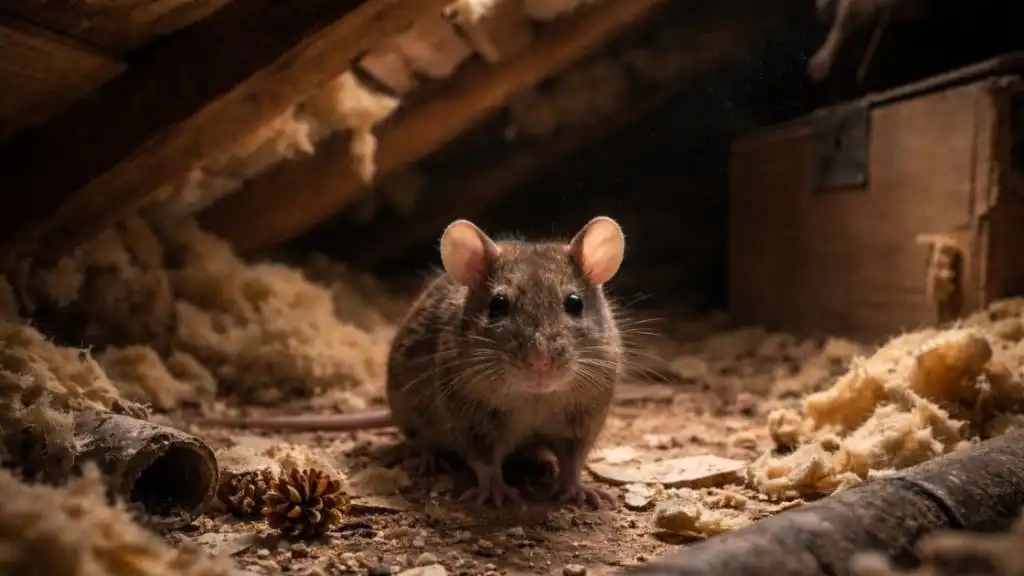
Rodents are among the most troublesome pests that can enter residential and commercial properties, creating serious concerns for cleanliness, safety, and property maintenance. Rats and mice can damage furniture, chew electrical wires, contaminate food supplies, and spread harmful microorganisms through their droppings and urine. These pests are highly adaptable and can survive in different environments as long as they have access to food, water, and shelter. Even a small rodent problem can develop into a larger infestation when the animals find suitable nesting areas and begin reproducing. Understanding their behavior and identifying early warning signs are essential steps toward protecting buildings and maintaining a healthy environment. Professional rodent control plays an important role in preventing property damage and reducing the health risks associated with rats and mice. Effective pest management involves identifying entry points, locating nesting areas, removing available food sources, and selecting appropriate treatment methods. Simply removing one or two visible rodents may not solve the problem because other animals can remain hidden inside walls, ceilings, storage areas, and other inaccessible spaces. A complete management strategy focuses on addressing the conditions that attract rodents and preventing them from returning. Combining professional assistance with regular cleaning and property maintenance can help homeowners and business operators maintain a safer and more comfortable environment.
Understanding Rodent Infestations
Rodents are mammals that belong to a group of animals characterized by continuously growing front teeth. Rats and mice are among the most common species that enter buildings in search of food, water, and shelter. Their ability to squeeze through relatively small openings allows them to access kitchens, storage rooms, basements, ceilings, and other areas. Once inside, they may build nests using paper, fabric, insulation, and other available materials. Their ability to reproduce quickly means that a minor problem can become a significant infestation if suitable conditions remain available. Different rodent species have different habits, nesting preferences, and feeding patterns. House mice are generally smaller and can hide in narrow gaps, cupboards, and storage spaces. Rats are usually larger and may occupy drains, roof spaces, basements, and outdoor areas before entering buildings. Both species can become active during periods when people are less likely to notice them, making early detection challenging. Understanding these differences helps property owners choose appropriate preventive measures and explains why professional rodent control requires a careful inspection of the entire affected property.
Common Signs of a Rodent Infestation
Recognizing the early signs of rodent activity can help property owners prevent a small problem from becoming a widespread infestation. One of the most noticeable signs is the presence of droppings around kitchens, cupboards, storage rooms, and areas where food is kept. Rodents may also leave greasy marks along walls and floors as they repeatedly travel through the same routes. Scratching, squeaking, and movement sounds inside ceilings or walls can indicate that rodents are nesting in hidden spaces. Damaged food packaging and scattered nesting materials are additional warning signs that should not be ignored. Another common indication is the presence of gnaw marks on wooden furniture, plastic containers, electrical cables, and other materials. Rodents need to chew regularly to maintain their continuously growing teeth, which is why they often damage household and commercial belongings. Unusual smells may also develop in enclosed spaces where rodents have nested or died. A professional rodent control inspection can help identify these warning signs and determine how extensively the infestation has spread. Early identification makes it easier to select suitable treatment methods and reduces the possibility of further damage.
Health Risks Associated with Rats and Mice
Rodents can create serious hygiene concerns because they may carry harmful microorganisms and contaminate surfaces, food supplies, and storage areas. Their droppings, urine, saliva, and nesting materials can introduce contaminants into environments where people prepare food or spend considerable time. Contact with contaminated surfaces or exposure to certain rodent-related materials may contribute to health risks. These concerns make proper sanitation and timely pest management especially important in kitchens, restaurants, food storage facilities, and other areas where hygiene is essential. Rodents can also introduce fleas, mites, and other parasites into properties. Their presence may affect people and household pets, particularly when infestations become established. In addition to health concerns, contaminated food and damaged packaging can create unnecessary waste and financial losses. Proper rodent control helps reduce these risks by addressing the infestation and identifying the conditions that allow rodents to survive. Property owners should avoid direct contact with rodent droppings or nesting materials and follow appropriate cleaning and safety guidance when dealing with contaminated areas.
Why Professional Rodent Management Is Important
Professional pest management provides a structured approach to identifying and addressing rodent infestations. Trained technicians understand rodent behavior, common nesting locations, feeding patterns, and the entry points that allow these animals to access buildings. They can inspect areas that property owners may overlook, including roof spaces, wall cavities, drainage systems, storage areas, and utility openings. This inspection helps determine whether rodents are entering from outside or nesting within the property. Understanding the source of the infestation is essential because removing visible animals without addressing entry points may lead to recurring problems. Experienced professionals can also recommend suitable treatment methods according to the severity of the infestation and the conditions of the property. These methods may include carefully selected traps, monitoring devices, exclusion techniques, and other appropriate solutions. A reliable rodent control plan should also include recommendations for improving sanitation, sealing openings, and reducing access to food and water. Professional guidance helps property owners understand the treatment process and follow necessary safety precautions. This approach can produce more reliable results than depending entirely on temporary products or unplanned attempts to remove rodents.
How the Rodent Control Process Works
The first stage of an effective pest management program is a detailed inspection of the affected property. Technicians examine areas where rodents may hide, travel, feed, or build nests. They look for droppings, gnaw marks, damaged packaging, grease marks, nesting materials, and possible entry points. They may also ask property owners about unusual sounds, recent sightings, and the areas where rodent activity has been noticed. This information helps them understand the extent of the infestation and identify the most important areas requiring attention. After completing the inspection, professionals develop a treatment plan based on the type of rodent and the level of activity. The recommended approach may involve monitoring stations, traps, exclusion methods, and improvements to sanitation or waste management. Technicians may also explain how to seal openings and remove materials that provide shelter for rodents. Effective rodent control does not depend on a single treatment because ongoing monitoring is often necessary to confirm that the infestation has been addressed. Follow-up inspections can help identify remaining activity and determine whether additional preventive measures are needed.
Common Methods Used to Manage Rodent Problems
Several methods can be used to manage rodent populations, depending on the species, infestation level, and surrounding environment. Traps are commonly used to monitor and capture rodents in suitable locations, while monitoring devices can help technicians identify areas of repeated activity. Exclusion techniques focus on preventing rodents from entering buildings by sealing gaps, repairing damaged screens, and protecting openings around pipes and utility lines. These physical measures are important because they address the routes rodents use to access indoor spaces. The most suitable approach depends on the property’s structure and the specific conditions discovered during inspection. Rodenticides may be considered in certain situations, but they require careful handling and must be used according to product labels and applicable regulations. Improper placement can expose children, pets, wildlife, and other non-target animals to unnecessary risks. Professional technicians understand the importance of selecting appropriate products and using suitable protective measures. A complete rodent control strategy should combine monitoring, exclusion, sanitation, and carefully selected treatment options rather than depending entirely on chemical products. This integrated approach helps manage existing infestations while reducing opportunities for rodents to return.
Protecting Your Home from Rats and Mice
Homes can provide rodents with everything they need to survive, including food, water, warmth, and suitable nesting materials. Kitchens, pantries, garages, basements, and storage rooms are common areas where rodents may search for food or shelter. Small openings around doors, windows, plumbing fixtures, and utility lines can provide access to indoor spaces. Homeowners should inspect these areas regularly and repair damaged materials before rodents establish entry routes. Keeping storage spaces organized also makes it easier to notice droppings, gnaw marks, and other signs of unwanted activity. Proper food storage is another important part of household prevention. Dry food, grains, cereals, and pet food should be stored in tightly sealed containers rather than left in open packaging. Kitchen surfaces should be cleaned regularly, spills should be removed promptly, and garbage containers should remain covered. Outdoor areas should also be maintained by removing unnecessary clutter, keeping vegetation under control, and avoiding the accumulation of waste near building walls. Combining these habits with professional rodent control can help homeowners address existing infestations and reduce the conditions that attract rats and mice.
Maintaining a Rodent-Free Commercial Environment
Commercial properties require careful pest management because rodents can affect employees, customers, products, and daily business operations. Restaurants, hotels, warehouses, retail stores, offices, and food processing facilities are particularly vulnerable when food waste, storage materials, and building openings provide suitable conditions for rodents. Their presence can contaminate products, damage packaging, and create serious hygiene concerns. Even a small infestation may affect customer confidence and damage a business’s reputation. Preventive management is therefore an important part of maintaining a clean and professional commercial environment. A professional rodent control program can help businesses identify potential risks and establish appropriate monitoring schedules. Technicians may inspect delivery entrances, kitchens, waste storage areas, stockrooms, drainage systems, and locations where food products are stored. Business owners should also train employees to report signs of rodent activity and follow suitable sanitation procedures. Food supplies should be stored properly, waste should be removed regularly, and damaged packaging should be handled according to hygiene requirements. Combining professional inspections with responsible workplace practices helps reduce infestation risks and supports better operational standards.
Importance of Proper Waste Management
Poor waste management can attract rodents by providing easy access to food and nesting materials. Open garbage containers, overflowing bins, discarded food, and accumulated packaging create favorable conditions for rats and mice. These animals can quickly recognize reliable food sources and may repeatedly return to areas where waste is not managed properly. Property owners should use covered garbage containers and remove waste regularly to prevent rodents from accessing food remains. Keeping disposal areas clean is also important because food residue and unpleasant odors may attract unwanted pests. Commercial properties should establish clear waste management procedures to ensure that garbage does not accumulate near buildings or food preparation areas. Waste storage locations should be inspected regularly, containers should remain properly closed, and spills should be cleaned promptly. Recycling materials and cardboard packaging should also be stored in organized spaces because they may provide nesting materials for rodents. Effective rodent control becomes much easier when waste management practices remove the resources that attract these animals. Maintaining clean disposal areas supports better hygiene and reduces the possibility of repeated infestations.
Factors to Consider When Choosing a Pest Control Company
Selecting the right pest management provider is an important decision because the quality of treatment can directly affect the results. Property owners should look for companies with trained technicians, appropriate licensing where required, relevant experience, and knowledge of different rodent species. A professional provider should be willing to inspect the property, explain the recommended treatment methods, and answer questions about safety precautions. Clear communication is important because customers need to understand what will happen during treatment and which preparations may be required. Companies that provide transparent information can help property owners make confident decisions. It is also important to ask about monitoring visits, treatment guarantees, service coverage, and preventive recommendations. A trustworthy company should provide realistic expectations rather than promising that every rodent problem will disappear permanently after one visit. Some infestations require repeated inspections because rodents may continue entering through untreated openings or remain hidden in inaccessible areas. Reading customer feedback and checking the provider’s reputation can also help identify reliable professionals. Choosing an experienced rodent control provider ensures that the treatment strategy is based on proper inspection, professional knowledge, and the actual conditions of the property.
Understanding the Cost of Rodent Management
The cost of professional rodent management can vary according to property size, infestation severity, rodent species, treatment methods, and the number of visits required. A small problem involving occasional mouse activity may require fewer treatments than a widespread infestation affecting several rooms or floors. Commercial buildings may involve additional costs because of their size, storage arrangements, and operational requirements. Structural repairs and exclusion work can also influence the total cost when entry points need to be sealed. Understanding these factors helps property owners evaluate quotations and select an appropriate management plan. When comparing service providers, customers should consider the overall value of the treatment instead of choosing an option based only on the lowest price. A cheaper service may not include detailed inspections, follow-up monitoring, or recommendations for preventing future infestations. Property owners should ask what the quotation covers and whether additional visits or repairs will involve extra charges. Investing in suitable rodent control can help prevent expensive property damage, protect stored products, and reduce the financial losses associated with contaminated food or damaged electrical wiring. A well-planned approach may offer better long-term value than repeatedly relying on temporary solutions.
Practical Tips for Preventing Future Rodent Infestations
Prevention is one of the most effective ways to reduce the possibility of future rodent problems. Property owners should inspect buildings regularly and seal gaps around doors, windows, pipes, vents, and utility openings. Food should be stored in secure containers, while household waste should be removed consistently. Leaking pipes and standing water should also be addressed because rodents need access to water to survive. Keeping storage areas organized and removing unnecessary clutter can reduce potential nesting locations and make it easier to identify early signs of activity. Outdoor maintenance is equally important because rodents may establish nests in gardens, sheds, garages, and areas containing accumulated debris. Keeping vegetation trimmed, removing discarded materials, and storing firewood away from building walls can reduce suitable shelter opportunities. Regularly checking garages, roof spaces, and storage rooms can also help identify potential problems before rodents spread throughout a property. These habits work best when combined with professional recommendations and ongoing monitoring. Consistent preventive maintenance helps create an environment that is less attractive to rats and mice.
Conclusion
Rodent infestations can create serious problems for homes and businesses by damaging property, contaminating food, and introducing health and hygiene concerns. Rats and mice can enter buildings through small openings, hide in difficult-to-reach spaces, and reproduce quickly when suitable conditions are available. Recognizing early warning signs, maintaining proper sanitation, and repairing structural openings are important steps toward preventing infestations. Professional inspections and appropriate treatment methods can provide additional support when rodent activity becomes difficult to manage. Taking action early can reduce damage and help property owners maintain a cleaner and safer environment. Investing in professional rodent control is a practical way to protect buildings, belongings, food supplies, and everyday living conditions. A complete management strategy focuses on identifying the source of the infestation, removing access to food and shelter, selecting appropriate treatment methods, and preventing rodents from entering again. By combining professional assistance with regular cleaning, proper waste disposal, structural maintenance, and routine inspections, homeowners and business operators can reduce the risk of recurring problems. Consistent prevention and timely action make it easier to maintain a healthier, more comfortable, and rodent-free environment.
Author

thedailygurdian@gmail.com
Related Posts

Startup Booted Fundraising Strategy: A Complete Guide to Building and Growing a Business Without External Investment
- 0
- 2,701 words
Starting a business is an exciting journey, but finding enough money to turn an idea into a successful company can be challenging....
Read out all
Manga District: Exploring the World of Manga, Online Reading, and Japanese Comics
- 0
- 2,182 words
Introduction Manga has become one of the most popular forms of entertainment worldwide. What started as a distinctive Japanese storytelling tradition has...
Read out all
Malaysian Assurance Alliance: History, Growth, Insurance Services, and Its Connection to Zurich
- 0
- 2,699 words
The Malaysian insurance industry has experienced significant growth and transformation over the years. Several companies have contributed to this development by introducing...
Read out all
Colegia: Understanding Its Meaning, Features, Benefits, and Growing Importance in the Digital World
- 0
- 2,232 words
Introduction The internet has introduced countless new words, platforms, services, and concepts that influence how people communicate, learn, and access information. One...
Read out all
Playground Equipment: Creating Safe, Engaging, and Fun Outdoor Play Spaces for Children
- 0
- 2,914 words
Outdoor play is an essential part of childhood development, providing children with opportunities to explore, learn, socialize, and develop important physical and...
Read out all
Professional Fire and Water Damage Restoration: Bringing Damaged Properties Back to Life
- 0
- 3,350 words
Unexpected property damage can create serious challenges for homeowners, business owners, and property managers. Fires, plumbing failures, flooding, storms, and appliance malfunctions...
Read out all