
- 0
- 2,613 words
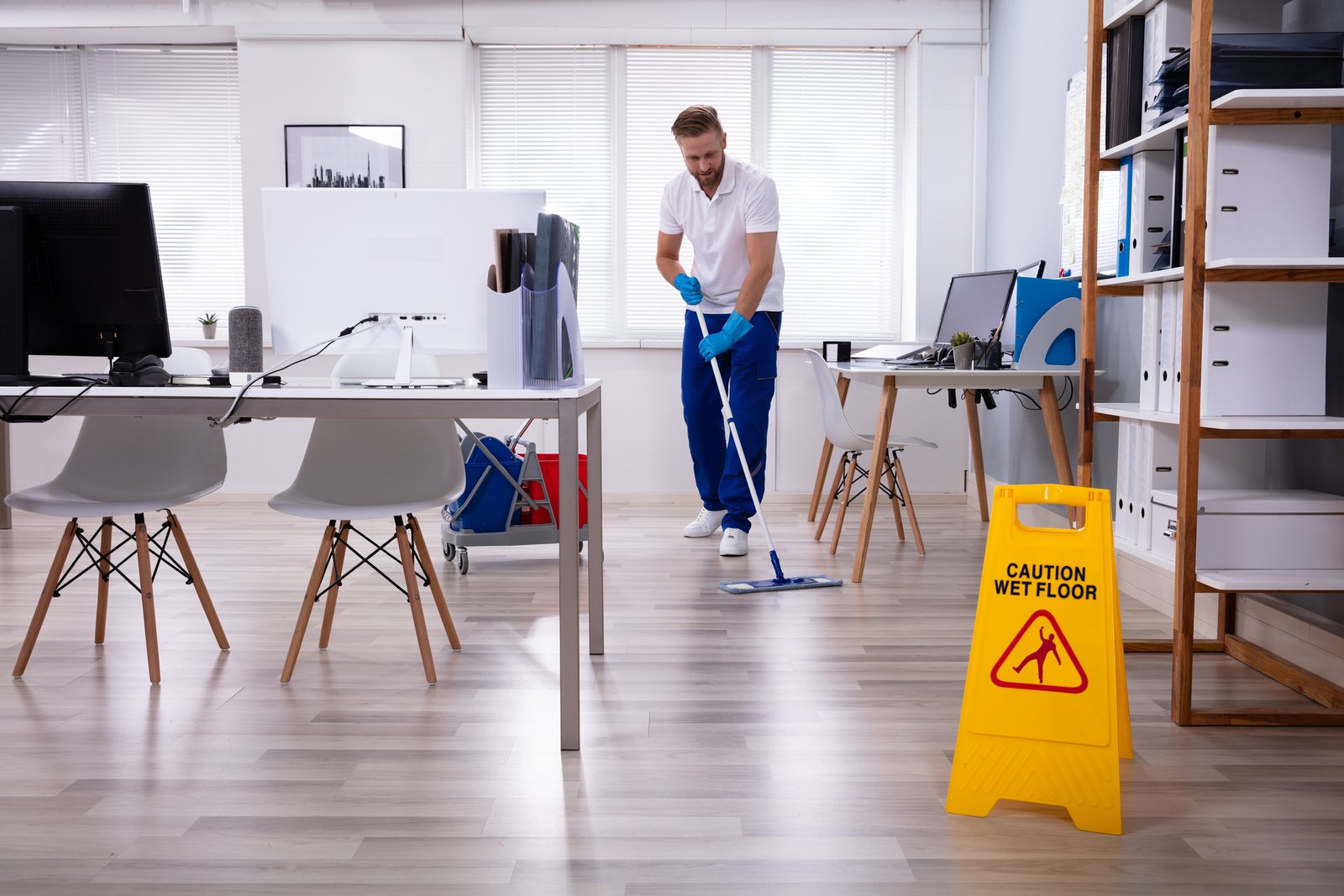
A clean and organized office plays an important role in creating a professional atmosphere where employees can concentrate, collaborate, and perform their daily responsibilities comfortably. Throughout the working day, desks, floors, meeting rooms, shared equipment, and common areas collect dust, fingerprints, food particles, and other forms of dirt. Without regular maintenance, these materials can make the workplace appear neglected and may contribute to unpleasant odors and hygiene concerns. A well-maintained environment helps businesses present a positive image to clients, support employee comfort, and protect office furniture and equipment from unnecessary wear. Office cleaning is an essential part of workplace maintenance because it helps keep shared spaces presentable, organized, and suitable for everyday activities. By establishing consistent routines and using appropriate cleaning methods, businesses can create a welcoming environment that supports productivity and long-term facility care.
Understanding the Importance of Office Cleanliness
Maintaining a clean office involves more than removing visible dirt from desks and floors. It also includes keeping frequently touched surfaces, shared facilities, and less noticeable areas in suitable condition. Dust can accumulate on shelves, computer equipment, window ledges, and furniture, while fingerprints and spills may affect the appearance of doors, glass partitions, and meeting tables. Regular attention to these areas helps prevent dirt from building up and makes the entire workplace feel more comfortable. A consistent maintenance plan also reduces the likelihood that small cleaning tasks will develop into larger, time-consuming projects. A clean environment can influence how employees and visitors perceive a business. Organized workstations and well-maintained common areas communicate attention to detail, while neglected facilities may create an impression of poor management. Employees may also find it easier to concentrate when their surroundings are tidy and essential supplies are readily available. Although cleanliness alone cannot guarantee improved performance, it contributes to a professional atmosphere in which people can work more comfortably. Businesses that prioritize workplace maintenance demonstrate consideration for their employees, customers, and the overall quality of their operations.
Creating an Effective Cleaning Schedule
An effective cleaning schedule begins with identifying the areas that require frequent attention and determining which tasks can be completed less often. Reception areas, restrooms, kitchens, and busy walkways generally need regular maintenance because they receive consistent use throughout the day. Tasks such as emptying waste bins, wiping shared surfaces, vacuuming floors, and cleaning restrooms may be necessary daily, depending on the office environment. Other responsibilities, including detailed dusting, cleaning interior glass, and maintaining storage areas, can be scheduled weekly or periodically. Dividing responsibilities into manageable tasks helps ensure that important areas receive attention without creating unnecessary disruption. Office cleaning becomes more efficient when businesses establish clear priorities and assign responsibility for each task. A written checklist can help employees or professional cleaners understand what needs to be completed and how frequently each area should be maintained. Cleaning schedules should also account for business hours, employee attendance, meetings, and access to sensitive workspaces. Some offices benefit from cleaning after employees leave, while others require daytime maintenance to address spills and keep shared facilities stocked. Reviewing the schedule regularly allows managers to adjust the plan as staffing levels, occupancy, and workplace needs change.
Maintaining Clean Desks and Workstations
Desks and workstations are among the most frequently used areas in an office, making regular maintenance important for comfort and organization. These surfaces can collect dust, fingerprints, crumbs, paper scraps, and other debris throughout the working day. Employees can help maintain their personal workspaces by removing unnecessary items, organizing paperwork, and disposing of food waste promptly. Cleaning personnel can address accessible desk surfaces according to the agreed schedule while respecting personal belongings and confidential documents. Keeping workstations organized also makes it easier to clean thoroughly and reduces the amount of time needed to prepare an area for use. Electronic equipment requires special care because computers, keyboards, monitors, printers, and other devices can be damaged by inappropriate cleaning methods. Devices should be cleaned according to manufacturer instructions, using suitable materials and avoiding excessive moisture. Equipment should be powered down or disconnected when the manufacturer’s guidance recommends it, and liquids should never be sprayed directly onto electronic components. Keyboard surfaces and frequently handled accessories may need regular attention, particularly in shared workspaces. Combining careful equipment maintenance with organized desk habits helps protect valuable office assets while supporting a cleaner working environment.
Improving Indoor Air Quality
Indoor air quality can affect comfort in workplaces where employees spend many hours each day. Dust, pollen, fibers, and other particles may enter through doors, windows, clothing, and ventilation systems before settling on furniture and floors. Regular vacuuming, appropriate dust removal, and maintenance of air filters can help reduce the accumulation of these materials. Offices with carpets, upholstered chairs, or heavy foot traffic may require particular attention because these surfaces can collect debris over time. While cleaning cannot eliminate every indoor pollutant, it can contribute to a more comfortable environment when combined with appropriate ventilation and building maintenance. Businesses should also pay attention to moisture, odors, and the products used during routine maintenance. Persistent dampness may encourage mold growth, while strong fragrances or unsuitable chemicals can cause discomfort for some occupants. Cleaning products should be selected according to their intended use and applied in accordance with label instructions. Ventilation should be maintained as recommended for the building, and any recurring musty odor or visible mold should be investigated rather than simply covered with fragrance. A thoughtful approach to indoor conditions supports workplace comfort and helps address potential problems before they become more difficult to manage.
Keeping Restrooms Clean and Hygienic
Office restrooms require consistent attention because they are shared by employees, customers, and visitors throughout the working day. Toilets, sinks, faucets, mirrors, floors, dispensers, and frequently touched surfaces should be cleaned using suitable products and procedures. Soap, paper towels, and other essential supplies must also be replenished before they run out. When restroom maintenance is neglected, visible residue, unpleasant odors, and empty dispensers can quickly affect the overall impression of the workplace. A structured cleaning plan helps ensure that these facilities remain comfortable, functional, and appropriate for everyday use. Moisture management is another important part of restroom maintenance. Wet floors should be addressed promptly to reduce slipping hazards, while leaks and persistent dampness should be reported and repaired as soon as practical. Exhaust fans and other ventilation systems should be maintained according to their requirements to help control humidity. Cleaning staff should use appropriate products for different fixtures and follow safe chemical-handling procedures. Regular inspections can identify problems early, allowing managers to address maintenance concerns before they affect employee comfort or the condition of the building.
Maintaining Kitchens and Shared Break Rooms
Office kitchens and break rooms often experience frequent use, making them important areas for regular cleaning. Food crumbs, spills, grease, and moisture can accumulate on counters, tables, cabinet handles, sinks, and appliance surfaces. Wiping down preparation areas, cleaning up spills promptly, and removing waste regularly can help maintain a more hygienic environment. Shared refrigerators and microwaves may also require scheduled maintenance to prevent food residue and unpleasant odors from building up. Establishing clear expectations for employees helps ensure that everyone contributes to keeping these common areas usable and organized. Cleaning procedures should account for the different needs of food-contact surfaces and general office areas. Counters used for preparing food should be cleaned with appropriate products, and any necessary sanitizing steps should follow the product instructions. Cloths and equipment used in restrooms should not be reused on kitchen surfaces because doing so can transfer contaminants. Employees should store food properly, dispose of expired items according to workplace policies, and avoid leaving dirty dishes for extended periods. When workers and cleaning personnel cooperate, break rooms become easier to maintain and more pleasant for everyone.
Supporting Employee Productivity and Morale
The condition of the workplace can influence how employees feel about their surroundings and approach their daily responsibilities. Cluttered desks, dirty floors, and neglected shared spaces may create distractions or make the office feel uncomfortable. A clean and organized environment allows employees to locate supplies more easily, use meeting rooms without unnecessary preparation, and focus on their work. It can also support a positive workplace culture by showing that management values the condition of the facilities and the comfort of the people who use them. These benefits are most effective when cleanliness is combined with reasonable workloads, good communication, and supportive management practices. Consistent maintenance can reduce the need for employees to handle cleaning tasks that fall outside their primary responsibilities. Without a clear arrangement, workers may feel frustrated when shared kitchens remain untidy, waste bins overflow, or meeting rooms are not ready for use. Professional cleaning support can establish more dependable standards and clarify who is responsible for maintaining different areas. Employees should still take reasonable care of their own workspaces and shared facilities, but they should not need to manage every maintenance issue themselves. This balance helps businesses keep their offices presentable while allowing staff to concentrate on their professional responsibilities.
Choosing Appropriate Cleaning Products and Equipment
The quality of a cleaning routine depends partly on selecting products and equipment suitable for the tasks involved. Different surfaces may require different methods, and a product intended for one material could damage another if used incorrectly. Microfiber cloths, suitable vacuum cleaners, mops, and specialized tools can help remove dirt efficiently when they are used and maintained properly. Cleaning personnel should understand product labels, dilution instructions, recommended contact times, and any protective measures required. Using the correct equipment helps improve consistency while reducing unnecessary wear on furniture, flooring, and office fixtures. Safety should always remain a priority when handling cleaning chemicals and equipment. Products should never be mixed unless the manufacturer explicitly confirms that the combination is safe, as certain mixtures can release dangerous gases. Chemicals should remain in clearly labeled containers, be stored securely, and be used with suitable ventilation and protective equipment when required. Electrical equipment must be handled carefully around moisture, and powered machines should be inspected before use. Businesses should also consider employees who may be sensitive to fragrances or certain cleaning products. Responsible product selection and safe procedures help protect building occupants, cleaning staff, and workplace assets.
The Benefits of Professional Office Maintenance
Businesses often face competing demands involving staffing, customer service, administration, meetings, and daily operations. Managing every cleaning responsibility internally can require additional equipment, supplies, training, scheduling, and supervision. Professional cleaners can help simplify these responsibilities by following established procedures and providing assistance according to the office’s needs. Depending on the agreement, a service may include dusting, vacuuming, restroom maintenance, waste removal, kitchen cleaning, and other routine tasks. This support can be particularly useful for offices that need consistent maintenance but do not want to manage a dedicated in-house cleaning team. Before selecting a provider, businesses should review the proposed tasks, cleaning frequency, product choices, staff training, and quality-control procedures. It is useful to clarify which areas are included, how missed tasks will be addressed, and whether specialized work requires an additional charge. The lowest price may not always represent the best value if the service does not meet the office’s requirements. A reliable provider should communicate clearly, respect workplace policies, and understand the importance of protecting confidential information and office equipment. Clear expectations help create a productive working relationship and support consistent results over time.
Maintaining Floors, Carpets, and Interior Surfaces
Office floors experience constant use from employees, visitors, rolling chairs, and equipment, allowing dirt and abrasive particles to accumulate quickly. Different flooring materials require specific care methods to prevent scratches, discoloration, and damage from excessive moisture. Sweeping, vacuuming, and mopping can remove debris, while prompt spill treatment helps reduce staining and slipping risks. Entrance mats can limit the amount of dirt tracked inside, especially during periods of heavy foot traffic. Regular maintenance helps preserve the appearance of flooring and may extend the useful life of the materials. Carpets and upholstered chairs can trap dust, crumbs, and other debris within their fibers. Routine vacuuming helps remove loose particles, while periodic deep cleaning may be appropriate depending on the material, level of use, and manufacturer’s recommendations. Interior glass, partitions, baseboards, and window ledges should also be included in a maintenance schedule where needed. Cleaning teams should use suitable tools and products to avoid streaks or damage to delicate finishes. Consistent care helps maintain a professional appearance while protecting furnishings and surfaces from avoidable wear.
Organizing Office Spaces and Reducing Clutter
Clutter can make an office feel crowded and create extra work because belongings must often be moved before surfaces and floors can be cleaned properly. Paperwork, unused supplies, packaging, personal items, and outdated materials may accumulate when there is no clear storage system. Organizing these items can improve access to frequently used resources and make routine maintenance easier. Shelving, labeled containers, filing systems, and drawer organizers can help employees keep essential materials accessible without allowing work areas to become disorganized. A well-planned layout also supports easier movement through the office and helps keep walkways clear. Businesses should establish practical habits for managing documents, supplies, and shared equipment. Employees can return items to designated storage areas, dispose of unnecessary packaging, and organize paperwork according to workplace policies. Confidential documents should be handled and discarded securely rather than left on desks or placed in ordinary waste containers when special procedures apply. Office cleaning teams should respect these requirements and avoid moving sensitive materials without permission. Combining organization with clear workplace policies helps maintain a professional environment while protecting information and supporting efficient daily operations.
Creating a Reliable Long-Term Cleaning Plan
A long-term maintenance plan combines frequent cleaning tasks with periodic activities that protect the condition of the office. Daily responsibilities may include waste removal, restroom maintenance, and attention to heavily used areas. Weekly tasks can cover detailed dusting, floor care, and cleaning shared equipment, while less frequent activities may include deep carpet cleaning or detailed attention to difficult-to-reach spaces. The exact schedule should reflect the office’s size, occupancy, operating hours, and particular hygiene requirements. A realistic plan helps prevent maintenance from becoming inconsistent or unnecessarily expensive. Managers should review the cleaning plan regularly and identify areas that need more attention or adjustments to the schedule. Employee feedback, inspection records, and reports from cleaning staff can reveal recurring concerns such as persistent spills, neglected storage areas, or empty restroom dispensers. Changes in staffing levels, office layout, or business operations may also require updates to the plan. By evaluating results and making practical adjustments, organizations can maintain a consistent standard of cleanliness without adding unnecessary tasks. Long-term planning supports better facility management and helps protect the office environment as business needs evolve.
Conclusion
A clean and organized office supports employee comfort, helps create a professional impression, and contributes to the effective maintenance of workplace facilities. Regular attention to workstations, restrooms, kitchens, floors, and shared spaces can reduce the buildup of dirt, improve organization, and help address common hygiene and safety concerns. Effective maintenance depends on suitable products, realistic schedules, clear responsibilities, and consistent attention to areas that receive frequent use. When businesses treat cleanliness as an ongoing priority, they can create an environment that supports daily activities and reflects their commitment to quality. Office cleaning is most effective when it forms part of a broader approach to workplace organization and facility management. Businesses can improve their results by setting clear standards, training responsible personnel, selecting suitable equipment, and reviewing cleaning quality regularly. Professional support may be helpful when internal teams lack the time or resources to maintain every area consistently. By combining dependable cleaning routines with employee cooperation and responsible maintenance practices, organizations can build a healthier, more welcoming, and more productive environment for everyone who uses the office.
Author

thedailygurdian@gmail.com
Related Posts

Commercial Roof Replacement: A Protecting Your Property and Improving Building Performance
- 0
- 3,701 words
Introduction Maintaining a commercial property requires regular attention to structural conditions, building materials, and essential maintenance systems. Among these responsibilities, the roof...
Read out all
Trenchless Sewer Line Repair: A Modern Solution for Efficient and Long-Lasting Pipe Restoration
- 0
- 3,280 words
Maintaining a properly functioning sewer system is essential for residential, commercial, and industrial properties. Sewer lines transport wastewater away from buildings and...
Read out all
Franchise Resale: A Complete Guide to Buying, Selling, and Maximizing the Value of an Established Franchise Business
- 0
- 3,381 words
Introduction Starting a business from the ground up can be an exciting opportunity, but it also involves considerable planning, financial investment, uncertainty,...
Read out all
Stone Veneer: Enhance Your Property with Elegant, Durable, and Versatile Wall Finishes
- 0
- 3,540 words
Introduction Creating an attractive and welcoming property involves choosing materials that combine visual appeal, durability, and long-term functionality. Exterior and interior walls...
Read out all
Driveway Gate Installation: Enhancing Property Security, Privacy, and Curb Appeal
- 0
- 2,934 words
A driveway gate is an important addition to any residential or commercial property because it provides controlled access, improves security, and creates...
Read out all
Drain Cleaning: Essential Solutions for Maintaining a Clean and Efficient Plumbing System
- 0
- 3,313 words
Introduction A properly functioning drainage system is essential for maintaining a clean, comfortable, and hygienic property. Whether in a residential home, commercial...
Read out all