
- 0
- 2,336 words
Introduction
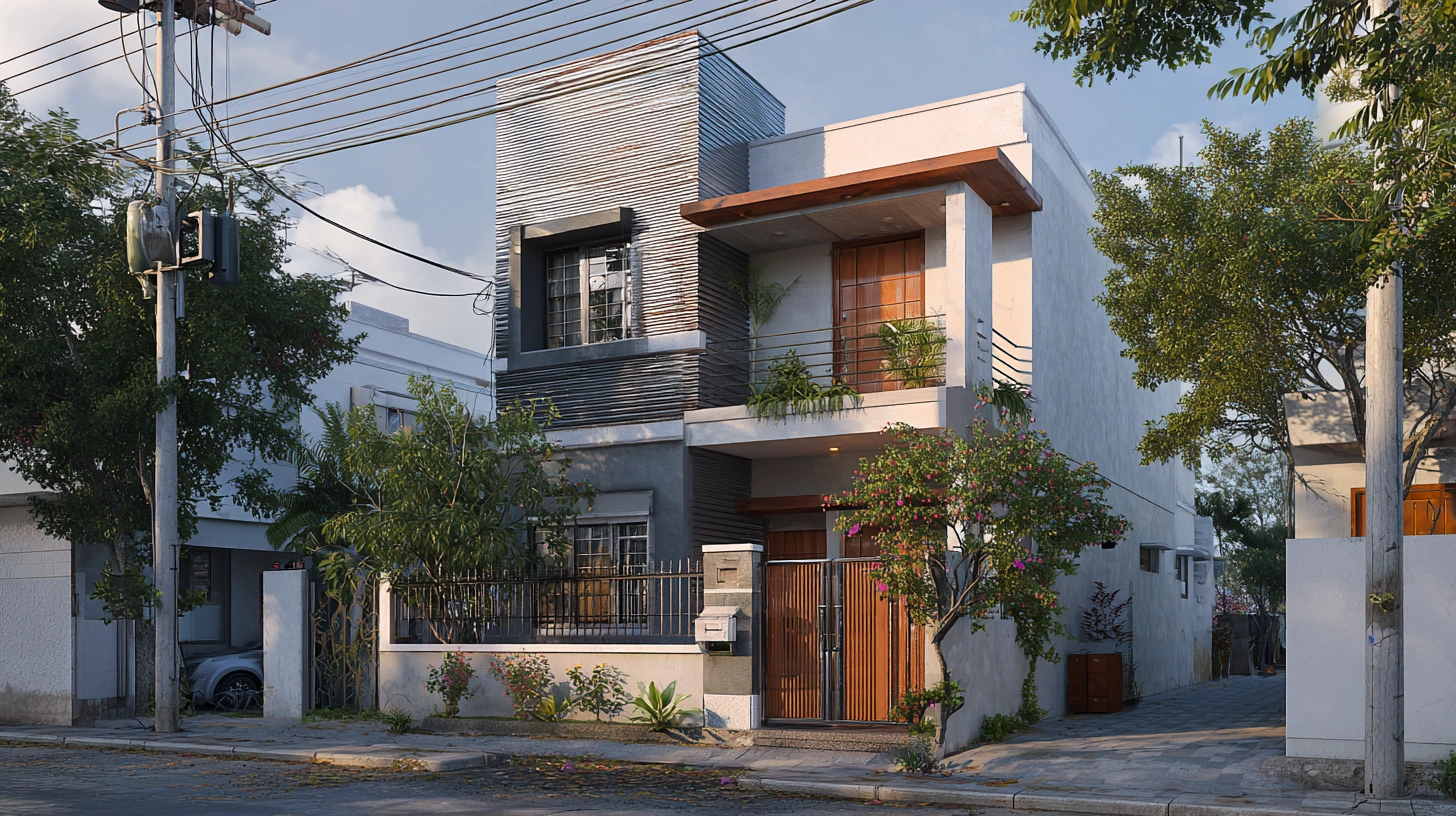
The exterior of a home creates the first impression for visitors and reflects the personality, preferences, and lifestyle of the people who live inside. Thoughtful exterior design can make a property appear more welcoming while improving its comfort, functionality, and overall visual appeal. From attractive entrance features and carefully selected materials to comfortable outdoor seating and decorative greenery, even small improvements can make a noticeable difference. A well-planned outdoor environment should balance beauty with practicality, ensuring that the space remains easy to use, maintain, and enjoy throughout the year. A porch can become an important part of this transformation by providing a comfortable transition between indoor and outdoor living. It offers a convenient place to welcome guests, relax after a busy day, enjoy a morning drink, or spend time with family. Homeowners can personalize this space through suitable furniture, coordinated colors, attractive lighting, and carefully arranged plants. By considering the home’s architectural style, available space, and everyday requirements, it becomes easier to create an inviting entrance that complements the rest of the property and provides lasting value.
Understanding the Importance of Exterior Design
Exterior design involves more than choosing attractive colors or adding decorative features to a building. It includes the arrangement of entrances, pathways, landscaping, lighting, materials, and outdoor living areas to create a cohesive appearance. When these elements work together, the property can feel more organized, accessible, and welcoming. A carefully planned exterior also allows homeowners to identify practical improvements that may increase comfort and reduce maintenance requirements over time. The most effective designs reflect the needs of the people who use the property every day. Families may prioritize safe pathways and comfortable gathering areas, while homeowners who enjoy gardening may focus on greenery and decorative planters. Others may prefer a simple, low-maintenance appearance with durable materials and minimal decoration. A porch can support these different preferences by serving as a flexible space for relaxation and social interaction. Understanding how the outdoor area will be used helps guide design decisions and prevents unnecessary spending on features that provide limited practical value.
Choosing a Style That Complements Your Home
A cohesive exterior design begins with selecting a style that complements the home’s existing architecture. Traditional properties may benefit from natural materials, classic lighting fixtures, and simple decorative details, while contemporary homes often look attractive with clean lines, neutral colors, and understated accessories. The goal is not to follow every design trend but to create a balanced appearance that feels appropriate for the building. Coordinating colors, textures, and materials helps connect separate exterior features and creates a more polished result. Homeowners should consider the appearance of exterior walls, doors, windows, railings, and surrounding landscaping before selecting new finishes or decorations. A consistent color palette can make the property look more organized, while carefully chosen accent colors introduce personality without overwhelming the design. The same principle applies to furniture and accessories placed near the entrance. A porch that complements the home’s architectural character can strengthen the visual connection between indoor and outdoor spaces. Taking time to compare different design options before making purchases helps avoid mismatched elements and supports a more timeless appearance.
Creating a Welcoming Entrance
The entrance is one of the most noticeable parts of a home’s exterior because visitors naturally focus on the area where they arrive. Keeping this space clean, accessible, and visually organized can improve the property’s overall appearance. Attractive door hardware, suitable lighting, coordinated planters, and a well-maintained pathway can make the entrance feel more inviting without requiring a major renovation. Homeowners should also ensure that doors open easily and that decorative items do not obstruct access. A welcoming entrance should combine visual appeal with practical features that support everyday use. A durable doormat can help reduce the amount of dirt entering the home, while a small bench may provide a convenient place to sit when removing footwear. Seasonal decorations can introduce variety, provided that they do not make the area feel crowded. Adding a porch seating arrangement can further improve the entrance by creating a comfortable place to pause and interact with visitors. Simple improvements often make a meaningful difference when they are selected carefully and maintained regularly.
Selecting Durable and Attractive Materials
Materials influence the appearance, durability, and maintenance requirements of every exterior feature. Wood, brick, stone, concrete, composite products, and exterior-rated metals can all contribute to attractive designs when selected according to the project’s needs. Each material has different characteristics, including resistance to moisture, exposure to sunlight, wear, and temperature changes. Understanding these differences helps homeowners choose options that remain functional and visually appealing over time. Wood can introduce warmth and natural texture, although some products require periodic painting, staining, or sealing. Brick and stone offer distinctive finishes that can complement traditional and contemporary designs, while concrete provides versatility in shape, color, and surface texture. Exterior-rated composite materials may be useful for homeowners seeking alternatives with reduced routine maintenance. When planning a porch, it is important to choose materials appropriate for the structure and expected conditions rather than relying entirely on appearance. A well-considered combination of durable materials can improve the home’s exterior while reducing the likelihood of premature deterioration.
Enhancing Comfort With Outdoor Furniture
Comfortable furniture can transform an ordinary entrance into a useful extension of the home’s living space. Depending on the available dimensions, homeowners may choose rocking chairs, benches, lounge chairs, or a compact outdoor sofa. A small table can provide space for drinks, books, and decorative accessories, while suitable cushions add softness and color. Furniture should be designed for outdoor conditions and selected in proportions that allow people to move around safely. The arrangement of furniture is just as important as the pieces themselves. Positioning chairs to face one another encourages conversation, while placing a bench against a wall can save space in a narrow area. Homeowners should leave sufficient room for doors to open fully and avoid blocking steps or pathways. A porch should feel open and comfortable rather than crowded with unnecessary furniture. Choosing a few versatile pieces often creates a more attractive and functional environment than filling the entire area with decorative seating.
Incorporating Plants and Natural Elements
Greenery adds color, texture, and a natural feeling to exterior spaces. Potted plants, hanging baskets, raised planters, and carefully positioned garden beds can soften hard surfaces and create a more welcoming atmosphere. Homeowners can combine plants of different heights and leaf shapes to create visual interest while maintaining a coordinated appearance. Choosing plants according to sunlight exposure, watering requirements, and expected growth helps ensure that the arrangement remains manageable. Plant placement should complement the structure and avoid interfering with movement around the entrance. Taller containers may work well beside columns or corners, while smaller pots can decorate the edges of seating areas. Hanging baskets can make use of vertical space when securely installed at an appropriate height. A porch can also benefit from seasonal flowers that introduce changing colors throughout the year. Regular watering, trimming, and removal of damaged leaves help maintain a neat appearance. By combining greenery with suitable furniture and materials, homeowners can create a relaxing outdoor environment that feels connected to the surrounding landscape.
Improving Exterior Lighting
Lighting plays an important role in making a property appear attractive and accessible after sunset. Wall-mounted fixtures, entrance lights, pathway lamps, and decorative lanterns can improve visibility while highlighting architectural features. Appropriate lighting near doors, steps, and walkways also helps reduce the risk of trips and falls. Homeowners should select fixtures designed for exterior conditions and ensure that their placement provides sufficient illumination without creating excessive glare. A layered lighting arrangement can support several purposes at once. General lighting provides visibility, while accent fixtures draw attention to decorative features, plants, or textured surfaces. Warm-toned lighting often creates a relaxed atmosphere that works well for evening gatherings. If the design includes a porch ceiling, suitable overhead lighting may provide practical illumination for reading, dining, or welcoming visitors. Electrical installations should follow applicable safety requirements, particularly where moisture exposure is possible. Well-planned lighting can improve both the appearance and usability of the exterior while making the entrance more welcoming after dark.
Making Small Outdoor Areas More Functional
Limited outdoor space does not prevent homeowners from creating an attractive and practical environment. Compact furniture, narrow benches, wall-mounted accessories, and appropriately sized planters can help maximize the available area. Multifunctional pieces, such as benches with built-in storage, may reduce clutter while providing additional convenience. Keeping walkways clear is particularly important because oversized furniture or excessive decorations can quickly make a small entrance difficult to navigate. Visual choices can also make a compact area feel more spacious. Light colors, simple patterns, and coordinated materials often create an open appearance, while vertical planters and wall decorations make better use of unused space. Homeowners should prioritize essential features rather than trying to include every decorative idea they encounter. A carefully planned porch can provide comfortable seating and visual interest without requiring a large footprint. By selecting appropriately sized items and maintaining a simple layout, even a modest outdoor area can become a welcoming extension of the home.
Adding Privacy and Protection From Weather
Weather protection and privacy can improve the comfort of an outdoor entrance, particularly when it receives direct sunlight or is exposed to wind. Depending on the existing structure, homeowners may consider awnings, pergolas, privacy screens, outdoor curtains, or additional roof coverage. These features can make the area more useful during different conditions while creating a more sheltered atmosphere. The most appropriate option depends on the available space, the structure’s design, and the amount of protection required. Permanent structures should be planned carefully to ensure adequate support, suitable drainage, and compliance with applicable building requirements. Retractable awnings may provide flexible shade, while decorative screens can reduce direct views without completely enclosing the area. Outdoor curtains can introduce softness and privacy when installed with suitable hardware. A porch with appropriate weather protection can become a more comfortable setting for reading, relaxing, or greeting visitors. Considering these features during the design stage helps ensure that they complement the structure rather than appearing as inconvenient additions later.
Maintaining Exterior Features Throughout the Year
Regular maintenance helps preserve the appearance and durability of a home’s exterior. Cleaning surfaces, removing debris, inspecting railings, and checking walking areas for damage can prevent minor issues from becoming larger problems. The appropriate maintenance schedule depends on the materials used and the conditions to which they are exposed. Wooden surfaces may require periodic protective treatments, while masonry and concrete should be checked for cracks, loose sections, and deteriorating joints. Furniture, lighting fixtures, and decorative elements also benefit from routine inspection. Outdoor cushions may need to be stored during harsh weather, and metal components should be checked for corrosion or loose fasteners. Plants should be trimmed when they begin obstructing walkways, and drainage areas should remain clear to prevent water from collecting near the structure. A porch that receives consistent care is more likely to remain safe, comfortable, and visually appealing. Establishing a simple maintenance routine helps homeowners protect their investment and avoid unnecessary repair expenses.
Setting a Practical Budget for Exterior Improvements
A realistic budget makes it easier to decide which exterior improvements should receive priority. Expenses may include materials, labor, lighting, landscaping, furniture, surface repairs, and decorative accessories. Larger projects involving structural modifications, roof extensions, or new flooring may require additional professional services. Homeowners should identify essential repairs first and then determine which optional upgrades can be completed within the available budget. Obtaining detailed estimates can help compare materials, labor charges, and expected project timelines. Written proposals should explain the work included, the products being supplied, and any circumstances that could affect the final cost. It is also helpful to reserve some money for unexpected repairs or additional preparation. Improving a porch does not always require a complete renovation because smaller changes, such as updating the lighting, repainting suitable surfaces, or rearranging existing furniture, can produce noticeable results. Prioritizing quality, safety, and practical value helps homeowners make better decisions while avoiding unnecessary expenses.
Avoiding Common Exterior Design Mistakes
One common mistake is focusing entirely on appearance while overlooking comfort and usability. Oversized furniture, poorly positioned planters, insufficient lighting, and blocked walkways can make an outdoor area difficult to use. Selecting materials without considering weather exposure or maintenance requirements may also lead to premature damage. Careful planning helps homeowners avoid these problems and create a space that remains attractive and functional. Another mistake is combining too many colors, patterns, and decorative styles without considering how they work together. A coordinated design usually feels more organized and timeless than one filled with unrelated elements. Homeowners should also consider how the exterior connects with the surrounding landscape and the home’s existing architecture. A well-planned porch should provide comfortable access, practical seating, suitable lighting, and enough open space for movement. Reviewing the layout before purchasing furniture or beginning construction can prevent costly changes and support a more successful outcome.
Conclusion
Improving a home’s exterior requires a balance of thoughtful design, durable materials, comfortable features, and regular maintenance. From creating a welcoming entrance and selecting suitable furniture to incorporating greenery, lighting, and weather protection, every detail contributes to the overall appearance and functionality of the property. Homeowners should consider their daily routines, available space, maintenance preferences, and budget before deciding which improvements to make. A coordinated approach can create an attractive outdoor environment that remains practical and enjoyable. A thoughtfully designed porch can become a valuable part of everyday living by providing a comfortable place to relax, welcome visitors, and enjoy the surrounding outdoor environment. It can also strengthen the visual connection between the home’s architecture and its landscaping. With careful planning, suitable materials, and consistent upkeep, homeowners can improve their property’s appearance without relying on unnecessary decoration or expensive upgrades. Focusing on comfort, safety, durability, and personal style helps create a welcoming exterior that offers lasting enjoyment and enhances the overall character of the home.
Author

thedailygurdian@gmail.com
Related Posts

Commercial Roof Replacement: A Protecting Your Property and Improving Building Performance
- 0
- 3,701 words
Introduction Maintaining a commercial property requires regular attention to structural conditions, building materials, and essential maintenance systems. Among these responsibilities, the roof...
Read out all
Trenchless Sewer Line Repair: A Modern Solution for Efficient and Long-Lasting Pipe Restoration
- 0
- 3,280 words
Maintaining a properly functioning sewer system is essential for residential, commercial, and industrial properties. Sewer lines transport wastewater away from buildings and...
Read out all
Franchise Resale: A Complete Guide to Buying, Selling, and Maximizing the Value of an Established Franchise Business
- 0
- 3,381 words
Introduction Starting a business from the ground up can be an exciting opportunity, but it also involves considerable planning, financial investment, uncertainty,...
Read out all
Stone Veneer: Enhance Your Property with Elegant, Durable, and Versatile Wall Finishes
- 0
- 3,540 words
Introduction Creating an attractive and welcoming property involves choosing materials that combine visual appeal, durability, and long-term functionality. Exterior and interior walls...
Read out all
Driveway Gate Installation: Enhancing Property Security, Privacy, and Curb Appeal
- 0
- 2,934 words
A driveway gate is an important addition to any residential or commercial property because it provides controlled access, improves security, and creates...
Read out all
Drain Cleaning: Essential Solutions for Maintaining a Clean and Efficient Plumbing System
- 0
- 3,313 words
Introduction A properly functioning drainage system is essential for maintaining a clean, comfortable, and hygienic property. Whether in a residential home, commercial...
Read out all