
- 0
- 2,254 words
Introduction
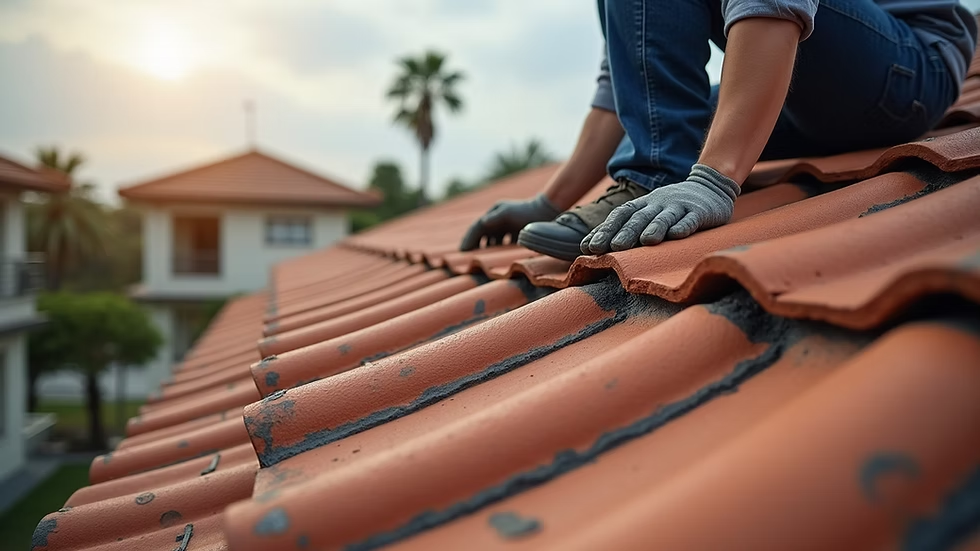
A roof is one of the most important components of a home because it protects the building from rain, wind, sunlight, and changing weather conditions. Over time, roofing materials can deteriorate due to natural aging, moisture exposure, temperature changes, and general wear. Regular inspections help homeowners identify developing problems before they cause extensive damage to the structure or interior. By monitoring the condition of the roof and arranging necessary repairs, property owners can maintain a safer living environment and reduce the likelihood of unexpected expenses. Proper maintenance involves more than checking the visible roofing surface because many problems begin in hidden areas, such as underlayment, flashing, insulation, and roof decking. A small defect may allow water to enter the building and gradually damage ceilings, walls, and supporting materials. Professional inspections help identify these concerns and provide practical recommendations for maintaining the roofing system. Understanding the value of regular assessments allows homeowners to plan repairs, manage budgets, and protect their investment for years to come.
Understanding the Importance of Roof Inspections
Roof inspections provide an opportunity to evaluate the condition of roofing materials and identify signs of deterioration before they become serious. During an assessment, a professional may examine shingles, metal panels, flashing, gutters, drainage pathways, and other components that contribute to roof performance. The inspection may also include checking for loose fasteners, damaged seals, missing materials, and areas where moisture could enter the structure. Identifying these problems early can help prevent more extensive repairs. Regular inspections are especially valuable for older roofs because materials naturally lose some of their protective qualities as they age. However, even relatively new roofs can develop problems because of installation defects, severe weather, or inadequate maintenance. Experienced roofers can assess the condition of the system and recommend suitable solutions based on the materials and building design. A consistent inspection routine supports reliable performance and helps homeowners make informed decisions about maintenance and future improvements.
Identifying Early Signs of Roofing Damage
Many roofing problems begin with small changes that may be easy to overlook during everyday activities. Missing shingles, cracked tiles, loose panels, damaged flashing, and visible gaps can indicate that the roof requires attention. Granules accumulating in gutters may suggest that certain asphalt shingles are deteriorating, while rust or corrosion can affect some metal roofing components. Homeowners should pay attention to these warning signs and arrange a professional assessment when concerns arise. Interior signs can also provide important information about the roof’s condition. Water stains on ceilings, peeling paint, damp insulation, and musty odors may indicate moisture entering the building. Because water can travel along structural components, the location of an interior stain may not correspond directly to the source of the leak. A professional inspection can help identify the underlying cause and determine the most effective repair method before additional damage develops.
How Regular Inspections Help Reduce Repair Costs
One of the main benefits of regular roof inspections is the opportunity to address minor defects before they become expensive problems. A small opening around flashing or a damaged shingle may allow water to enter gradually, eventually affecting insulation, wooden components, and interior finishes. Repairing the original defect is often more manageable than restoring multiple damaged areas after a prolonged leak. Early attention can also reduce the disruption associated with major repairs. Homeowners who schedule residential roofing inspections can develop a clearer understanding of their roof’s condition and maintenance requirements. Inspection reports may identify immediate repairs, components that need monitoring, and improvements that could prevent future problems. This information helps property owners plan maintenance expenses instead of responding only when damage becomes visible. Although inspections cannot eliminate every roofing problem, they can support better financial planning and reduce the risk of avoidable repair costs.
Protecting the Home from Water Damage
Water is one of the most common causes of roofing deterioration because it can enter through damaged materials, poorly sealed joints, and blocked drainage systems. Once moisture reaches the roof deck or insulation, it may gradually weaken materials and affect indoor conditions. Persistent leaks can damage ceilings, walls, flooring, and electrical components, depending on where the water travels. Prompt identification of vulnerable areas is essential for maintaining the building’s structural condition. During an inspection, contractors should examine roof valleys, flashing, penetrations, gutters, and other locations where water may collect or enter. These areas often require careful detailing because even small defects can interfere with effective drainage. A dependable residential roofing maintenance plan should include checking these components and addressing damage when it is discovered. Keeping water away from vulnerable parts of the structure helps protect the interior and reduces the likelihood of costly restoration work.
Examining Flashing and Roof Connections
Flashing protects the joints around chimneys, skylights, vents, walls, and other roof features that interrupt the main roofing surface. These connections are especially vulnerable because water can enter through small gaps when flashing becomes loose, corroded, or improperly sealed. Damage may develop gradually, making it difficult to notice without a closer examination. Regular assessment helps identify deteriorated components before moisture reaches the underlying structure. Qualified roofers can inspect flashing and determine whether repairs, resealing, or replacement are necessary. They should also check the surrounding materials to ensure that the problem has not caused hidden damage. Correct installation is important because flashing must direct water away from vulnerable joints rather than trap moisture against them. Maintaining these connections helps preserve the effectiveness of the entire roofing system and supports long-term protection against leaks.
Checking Gutters and Drainage Systems
Gutters and downspouts play an important role in moving rainwater away from the roof and building foundation. When leaves, dirt, and other debris accumulate inside the gutters, water may overflow and damage fascia boards, exterior walls, and nearby structural components. Blocked drainage can also cause water to collect near roof edges, increasing the risk of moisture-related deterioration. Regular inspections help determine whether the drainage system is functioning correctly. Homeowners should arrange cleaning when gutters become blocked and check for loose brackets, leaks, or disconnected downspouts. Contractors may also evaluate whether the system directs water away from the building effectively. Proper drainage is an essential part of residential roofing care because even high-quality roofing materials can experience problems when water is not managed properly. Keeping gutters and downspouts in good condition helps prevent avoidable damage and supports the long-term performance of the roof.
Evaluating Roof Ventilation and Insulation
Roof ventilation and insulation influence indoor comfort and the condition of roofing materials. Inadequate ventilation can allow excessive heat or moisture to accumulate in attic spaces, while insufficient insulation may increase heat transfer between the interior and exterior. These conditions can contribute to condensation, reduced energy efficiency, and premature deterioration of certain building components. Inspections provide an opportunity to identify ventilation and insulation concerns before they cause more serious problems. A professional may examine available vents, airflow pathways, insulation conditions, and signs of moisture buildup. If deficiencies are identified, recommendations may include improving ventilation, repairing damaged insulation, or correcting air leakage. A well-designed residential roofing system should coordinate insulation, ventilation, and moisture management to support consistent indoor conditions. Addressing these factors can help protect the roof structure while potentially reducing heating and cooling demands.
Understanding the Effects of Severe Weather
Severe weather can affect roofing materials even when damage is not immediately obvious from the ground. Strong winds may loosen shingles or panels, heavy rainfall can expose drainage problems, and falling branches may damage the roof surface. Hail and flying debris can also affect certain materials, depending on their composition and impact resistance. Inspections after significant weather events can help identify damage that might otherwise remain unnoticed. Homeowners should look for visible changes, displaced materials, damaged gutters, or debris on the roof while remaining at a safe distance. Climbing onto a wet, unstable, or damaged roof can create serious safety risks, so close inspections should be left to qualified professionals. A professional assessment can determine whether repairs are necessary and whether hidden damage requires further investigation. Prompt attention after severe weather helps prevent minor defects from worsening during subsequent rainfall or wind.
Choosing a Qualified Roofing Professional
The quality of an inspection depends partly on the experience and knowledge of the person performing it. Homeowners should consider a contractor’s relevant experience, references, insurance coverage, and familiarity with the materials used on their roofs. A qualified professional should explain the inspection findings clearly and distinguish between immediate concerns and issues that can be monitored over time. Written documentation can also help homeowners understand the condition of their roof and plan appropriate maintenance. When arranging residential roofing inspections, property owners should ask what areas will be examined and whether the assessment includes flashing, drainage, ventilation, and visible signs of structural deterioration. It is also useful to request photographs of identified problems and a written estimate for any recommended repairs. Clear communication helps homeowners compare options and avoid unnecessary work. Choosing a reliable professional supports better decision-making and helps ensure that important roofing concerns receive appropriate attention.
Planning a Roof Maintenance Schedule
A planned maintenance schedule helps homeowners monitor the roof’s condition instead of waiting until a leak or visible defect appears. The appropriate inspection frequency depends on the roofing material, age, design, and exposure to environmental conditions. Older roofs may require closer monitoring, while properties exposed to falling branches or frequent severe weather may benefit from additional assessments. Manufacturer recommendations and previous inspection findings can also help determine an appropriate schedule. Homeowners should keep records of inspection dates, repairs, material specifications, and warranty documents. These records make it easier to identify recurring problems and understand how the roof has changed over time. A consistent residential roofing maintenance plan can include seasonal visual checks, gutter cleaning, professional inspections, and prompt repairs when necessary. Organized maintenance helps property owners budget more effectively and provides useful information when planning future improvements or replacement.
Knowing When Roof Repairs or Replacement Are Necessary
Not every roofing problem requires a complete replacement, and a professional assessment can help determine the most practical solution. Localized damage, isolated leaks, or a small number of missing shingles may be repairable when the surrounding materials remain in good condition. However, widespread deterioration, recurring leaks, extensive structural damage, or materials approaching the end of their useful life may indicate that replacement should be considered. Evaluating the overall condition of the roof helps homeowners avoid unnecessary work while addressing serious problems appropriately. A contractor should explain the benefits, limitations, and expected costs of the available options. Repeated repairs may become less economical when the roofing system continues to develop new problems, while replacement may provide an opportunity to improve insulation, ventilation, and material performance. The decision should consider the roof’s condition, remaining service life, budget, and long-term property plans. A well-informed approach helps homeowners choose a solution that balances immediate needs with future protection.
Improving Energy Efficiency Through Roofing Maintenance
Roof inspections can reveal problems that affect a home’s energy performance. Damaged insulation, gaps around roof penetrations, inadequate ventilation, and deteriorated roofing materials may contribute to unwanted heat transfer. These issues can make indoor spaces less comfortable and increase the demand on heating and cooling equipment. Identifying them during an inspection provides an opportunity to improve the building’s overall performance. Depending on the findings, improvements may include repairing insulation, addressing air leaks, correcting ventilation problems, or replacing unsuitable materials. Homeowners should evaluate these changes according to the building’s design and the recommendations of qualified professionals. Maintaining a residential roofing system in good condition can support energy efficiency when combined with appropriate insulation and ventilation. Although results vary from one property to another, addressing these concerns can improve comfort and help reduce avoidable energy waste.
Common Mistakes to Avoid During Roof Maintenance
One common mistake is ignoring small signs of damage because the roof appears acceptable from the ground. Minor defects can allow moisture to enter gradually, leading to more extensive deterioration if they remain untreated. Another mistake is relying entirely on temporary sealants or surface repairs without identifying the underlying cause of a leak. Proper diagnosis is important because a recurring problem may indicate damaged flashing, failed underlayment, or another defect that requires a more complete solution. Homeowners should also avoid walking on roofing surfaces without appropriate training and safety equipment. Some materials can crack or become damaged under foot traffic, while steep or slippery surfaces increase the risk of falls. Instead, visible concerns should be assessed by a qualified professional who can inspect the roof safely. Following appropriate maintenance recommendations and arranging repairs promptly helps preserve roofing materials and reduces the likelihood of preventable damage.
Conclusion
Regular roof inspections are an important part of protecting a home because they help identify defects, prevent moisture damage, and support informed maintenance decisions. Examining roofing materials, flashing, drainage, insulation, and ventilation provides a clearer understanding of the system’s overall condition. When problems are identified early, homeowners may be able to arrange targeted repairs before damage spreads to other parts of the building. Consistent attention also helps property owners plan expenses and maintain a dependable protective barrier. Investing in residential roofing inspections and maintenance can support the long-term durability, energy performance, and value of a property. Working with a qualified professional ensures that potential problems are assessed carefully and that recommended repairs address their underlying causes. By maintaining a practical inspection schedule, keeping accurate records, and responding promptly to warning signs, homeowners can reduce avoidable repair costs and enjoy greater confidence in the condition of their roofs for years to come.
Author

thedailygurdian@gmail.com
Related Posts
Commercial Roof Replacement: A Protecting Your Property and Improving Building Performance
- 0
- 3,701 words
Introduction Maintaining a commercial property requires regular attention to structural conditions, building materials, and essential maintenance systems. Among these responsibilities, the roof...
Read out all
Trenchless Sewer Line Repair: A Modern Solution for Efficient and Long-Lasting Pipe Restoration
- 0
- 3,280 words
Maintaining a properly functioning sewer system is essential for residential, commercial, and industrial properties. Sewer lines transport wastewater away from buildings and...
Read out all
Franchise Resale: A Complete Guide to Buying, Selling, and Maximizing the Value of an Established Franchise Business
- 0
- 3,381 words
Introduction Starting a business from the ground up can be an exciting opportunity, but it also involves considerable planning, financial investment, uncertainty,...
Read out all
Stone Veneer: Enhance Your Property with Elegant, Durable, and Versatile Wall Finishes
- 0
- 3,540 words
Introduction Creating an attractive and welcoming property involves choosing materials that combine visual appeal, durability, and long-term functionality. Exterior and interior walls...
Read out all
Driveway Gate Installation: Enhancing Property Security, Privacy, and Curb Appeal
- 0
- 2,934 words
A driveway gate is an important addition to any residential or commercial property because it provides controlled access, improves security, and creates...
Read out all
Drain Cleaning: Essential Solutions for Maintaining a Clean and Efficient Plumbing System
- 0
- 3,313 words
Introduction A properly functioning drainage system is essential for maintaining a clean, comfortable, and hygienic property. Whether in a residential home, commercial...
Read out all