
- 0
- 2,529 words
Introduction
Managing waste efficiently is an important part of maintaining a clean, organized, and safe property, whether the project involves a home renovation, garage cleanout, office improvement, or small construction job. Even projects that appear simple can generate more debris than ordinary household bins can accommodate, making it necessary to find a practical disposal solution. Small dumpster rental offers a convenient way to collect unwanted materials in one designated container without making repeated trips to disposal facilities. By choosing the appropriate container and planning the cleanup process carefully, homeowners, tenants, and contractors can save time, reduce clutter, and complete their projects with greater efficiency. Different cleanup projects produce different amounts and types of waste, so understanding container capacity and disposal requirements is essential before arranging a service. Household decluttering may involve cardboard boxes, old furniture, broken household items, and packaging, while renovation work can generate flooring, drywall, wood scraps, and other building materials. Selecting a container that matches the volume and weight of the expected debris helps prevent overfilling and unnecessary expenses. With proper preparation, customers can organize their work areas, manage waste responsibly, and avoid many of the common challenges associated with small and medium-sized cleanup projects.
Understanding Small Dumpster Services
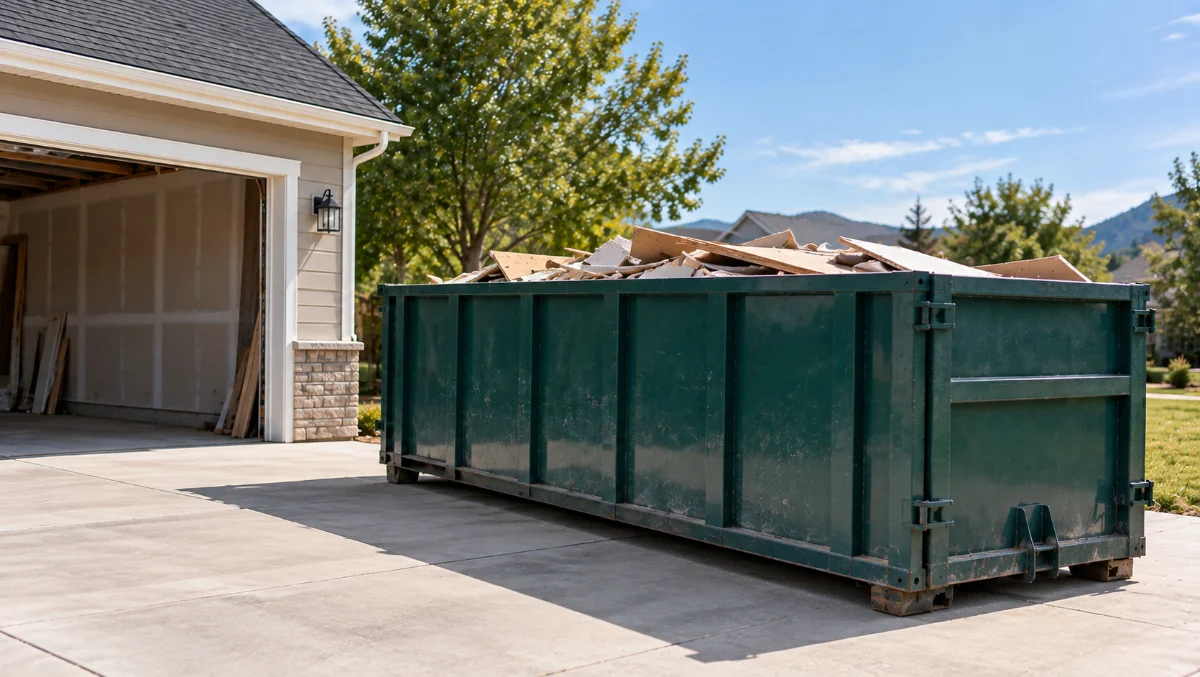
Small dumpsters are designed for projects that produce manageable amounts of waste but still require more capacity than standard garbage bins can provide. These containers are useful for residential cleanouts, minor remodeling, landscaping work, property maintenance, and other tasks that generate bulky materials. They offer a designated place to collect approved debris while work is underway, helping prevent unwanted items from accumulating around the property. Once the project is finished or the rental period ends, the provider collects the container and transports its contents for appropriate disposal or processing. A small dumpster rental service is particularly helpful when customers want to avoid the time and effort associated with multiple disposal trips. Instead of loading a personal vehicle repeatedly, users can place approved materials directly into the container as they work. This arrangement can simplify scheduling, reduce transportation demands, and create a more organized cleanup environment. Before booking, customers should review the available container sizes, accepted materials, rental terms, and weight restrictions to ensure that the service suits the specific requirements of the project.
Choosing the Right Dumpster Size
Choosing the correct container size is one of the most important steps in planning a successful cleanup. A container that is too small may fill before the project is complete, requiring an additional collection or replacement. On the other hand, selecting a container that is much larger than necessary may increase costs without providing meaningful benefits. Customers should estimate the volume of debris they expect to generate and discuss their plans with the provider before making a decision. Considering the amount of furniture, construction debris, packaging, or yard waste involved can make it easier to select an appropriate option. Container capacity is commonly measured in cubic yards, which indicate how much material a container can hold by volume. However, the physical size of the debris is only one consideration because different materials have different weights and densities. Soil, bricks, concrete, and roofing shingles can become heavy quickly, even when they occupy a relatively small portion of the container. Lighter materials such as cardboard, packaging, and household clutter may occupy more space without reaching the same weight limits. Understanding these differences helps customers avoid overloading the container and manage disposal costs more effectively.
Benefits of Using a Small Waste Container
One of the main advantages of a smaller waste container is convenience. Homeowners often accumulate unwanted items during seasonal cleaning, furniture replacement, renovation work, and general property maintenance. Having a designated container nearby allows approved waste to be collected as the project progresses instead of being stored in hallways, garages, or outdoor areas. This makes the cleanup process more manageable and allows people to focus on completing their tasks rather than arranging repeated trips to disposal facilities. Another important benefit is improved organization and safety. Loose debris, broken household items, sharp materials, and discarded packaging can create obstacles that increase the risk of trips and falls. Keeping waste in one designated location helps maintain clearer walkways and reduces clutter around the work area. This can be especially helpful when several people are participating in a cleanup or when contractors need to move tools and materials around the property. A cleaner workspace also makes it easier to identify items that should be retained, donated, recycled, or discarded.
Home Cleanouts and Decluttering Projects
Home cleanouts frequently involve more waste than ordinary collection services can handle. Clearing a garage, attic, basement, spare room, or storage area may produce unwanted furniture, damaged household goods, old carpeting, broken shelves, and numerous boxes of miscellaneous belongings. Sorting these items before disposal helps homeowners identify materials that can be reused or donated while separating the remaining waste for collection. A planned approach makes it easier to work through one area at a time without allowing unwanted items to accumulate elsewhere in the home. During major decluttering projects, it is useful to establish clear categories for belongings before placing anything in a container. Items that remain useful may be donated, sold, or given to someone who needs them, while recyclable materials can be separated when suitable facilities are available. Damaged or unusable items can then be handled according to the provider’s disposal requirements. This process helps reduce unnecessary waste and ensures that valuable belongings are not accidentally discarded during a busy cleanup.
Small Renovations and Home Improvement
Minor renovation projects can generate substantial amounts of debris, especially when several improvements are completed together. Replacing flooring, removing old cabinets, updating bathroom fixtures, or renovating a small kitchen may produce wood scraps, drywall, packaging, tiles, and other discarded materials. A small dumpster rental can help homeowners and contractors manage this waste by providing a convenient collection point near the work area. Removing debris regularly also helps maintain a safer workspace and reduces the time spent transporting materials elsewhere. Planning disposal before renovation begins can make the project more efficient. Homeowners should estimate the amount of waste, identify materials that require special handling, and confirm that the selected container can accept the expected debris. It is also important to consider whether the container can be positioned conveniently without blocking entrances or interfering with daily activities. When the disposal arrangement is established in advance, workers can concentrate on installation and repair tasks instead of pausing repeatedly to manage accumulated waste.
Property Maintenance and Landscaping
Regular property maintenance may involve removing damaged outdoor furniture, broken planters, discarded fencing, old garden equipment, and other unwanted items. Landscaping projects can also produce branches, leaves, grass clippings, soil, and plant material that require appropriate disposal. The type of container needed depends on the volume and nature of the debris, as well as the provider’s rules concerning yard waste and other organic materials. Customers should confirm which items are accepted before loading the container to prevent rejected waste or additional disposal charges. Keeping outdoor areas free from unnecessary debris can improve the appearance and usability of a property. Clearing damaged materials from yards, sheds, patios, and storage spaces creates more room for gardening, outdoor activities, and future improvements. A designated waste collection area also helps prevent debris from spreading across the property during maintenance work. By combining careful sorting with an appropriate disposal plan, homeowners can complete outdoor cleanup tasks more efficiently and maintain a more organized environment.
Understanding Rental Periods and Scheduling
The rental period should match the amount of time needed to complete the project. A simple garage cleanout may take only a day, while a renovation or extensive property cleanup could require several days. Customers should estimate the time needed to sort belongings, remove debris, and load the container safely before confirming the collection date. Allowing a reasonable amount of time helps prevent rushed work and reduces the likelihood of needing an unexpected rental extension. Delivery and pickup arrangements should also be coordinated with the project’s schedule. Having the container delivered before work begins provides a designated place for waste from the beginning of the cleanup. Customers should confirm the delivery window, pickup procedure, and process for changing the collection date if the project takes longer than expected. Asking about early pickup or rental extensions can also help customers understand their options when the cleanup schedule changes. When arranging small dumpster rental services, customers should ask whether the provider offers flexible rental periods or container exchanges. These options may be useful if more waste is generated than expected or if the project cannot be completed within the original timeframe. The availability and cost of these services vary by provider, so it is important to review the terms before confirming a booking. Clear scheduling arrangements help reduce uncertainty and make it easier to coordinate waste removal with other project activities.
Factors That Affect Dumpster Rental Costs
The cost of a waste container service depends on several factors, including container size, rental duration, delivery arrangements, disposal fees, and the weight of the materials being discarded. Smaller containers may offer a more economical solution for limited cleanup projects because customers do not need to pay for capacity they are unlikely to use. However, the final price also depends on the provider’s pricing structure and the specific requirements of the job. Understanding the complete cost before booking helps customers prepare an appropriate budget and avoid unexpected expenses. Weight restrictions are particularly important when disposing of heavy materials. Concrete, bricks, soil, tiles, and roofing debris can reach weight limits quickly, even when the container is not full. Some providers include a specified weight allowance in their standard price and charge extra when that allowance is exceeded. Other potential charges may apply to extended rental periods, prohibited materials, or special handling requirements. Customers should explain the type of waste they expect to generate and request a clear estimate that identifies included services and possible additional fees. Comparing multiple providers can help customers find a suitable service without sacrificing reliability. However, the lowest advertised price does not always represent the best overall value. It is important to compare the included rental period, weight allowance, delivery and collection charges, customer support, and rules for restricted materials. A written estimate makes it easier to understand what is included and provides a useful reference if questions arise later. Careful comparison helps customers select an option that meets their needs while keeping the project within budget.
Safe Loading and Proper Container Use
Loading a container correctly helps maximize available space and reduces the risk of accidents. Bulky items should be arranged carefully, while suitable cardboard boxes and other materials can be broken down to minimize unnecessary gaps. Heavy items should generally be distributed evenly rather than concentrated in one area, and the container should never be filled beyond the provider’s permitted loading level. Customers should also avoid climbing into the container or attempting unsafe methods to compact debris because these activities can lead to serious injuries. Before delivery, customers should prepare a suitable placement area that allows the truck to position and collect the container safely. The surface should be stable, accessible, and clear of parked vehicles, low branches, and other obstructions. If the container will be placed on a driveway or another finished surface, customers can ask whether protective boards or additional precautions are recommended. Following the provider’s instructions about access, placement, and loading helps prevent property damage and reduces the likelihood of collection delays.
Prohibited Materials and Responsible Waste Disposal
Some materials cannot be placed in a general-purpose dumpster because they require specialized handling or disposal. Hazardous chemicals, fuels, oils, certain batteries, and other regulated substances may need to be taken to designated collection facilities. Electronic equipment, tires, appliances containing refrigerants, and other restricted items may also be subject to separate disposal rules. Customers should request the provider’s current list of prohibited materials before loading the container to avoid additional charges or rejected waste. Suspected asbestos-containing materials, unidentified chemicals, and certain industrial wastes require particular caution. These materials should not be placed in a container unless the provider confirms that they can be accepted under the applicable requirements. Customers should avoid disturbing or handling suspected hazardous substances without appropriate guidance. Contacting a qualified waste management specialist or relevant authority can help determine the correct disposal method and reduce potential risks to people and the environment.
Recycling and Environmentally Responsible Cleanup
Responsible waste management can reduce the volume of material sent to landfills and encourage the recovery of useful resources. Many cleanup projects produce recyclable materials such as clean cardboard, certain metals, and other items accepted by appropriate recycling facilities. Separating these materials when practical can make disposal more efficient and reduce the amount of mixed waste. Customers should ask the provider whether sorting is required and whether separate collection arrangements are available for specific materials. Reusing and donating suitable belongings is another effective way to reduce waste. Furniture, working appliances, usable fixtures, and certain building materials may still be valuable when they remain in safe and serviceable condition. Identifying these items before loading the container helps prevent unnecessary disposal and allows resources to be used again. Combining reuse, recycling, and responsible disposal creates a more thoughtful approach to cleanup while helping homeowners maintain organized and functional spaces.
Choosing a Reliable Dumpster Rental Provider
Selecting a dependable provider requires more than comparing advertised prices. Customers should review container sizes, rental terms, accepted materials, delivery arrangements, pickup procedures, and customer feedback before making a decision. Clear communication is particularly important when a project has limited access, involves heavy debris, or requires a specific delivery schedule. A reliable provider should explain the service conditions, answer questions about acceptable materials, and identify possible additional charges before the booking is confirmed. Before finalizing an agreement, customers should request written details covering the rental period, weight allowance, prohibited materials, collection arrangements, and any additional fees. They should also confirm how schedule changes will be handled if the cleanup takes longer than expected. Reading the agreement carefully helps customers understand their responsibilities and avoid misunderstandings. Choosing a provider that offers transparent pricing and dependable communication can make the entire waste removal process easier to manage.
Conclusion
Efficient waste management is an important part of maintaining a clean property and completing household improvements successfully. From garage cleanouts and minor renovations to landscaping and routine maintenance, a suitable disposal solution helps reduce clutter, improve safety, and save time. Small dumpster rental services provide a practical way to collect unwanted materials without relying on repeated trips to disposal facilities. Selecting the right container, understanding weight limits, planning the rental period, and following loading instructions are essential steps toward a successful cleanup. Before arranging a service, customers should estimate the volume and type of waste, compare complete pricing details, prepare a safe placement area, and confirm delivery and pickup schedules. They should also identify restricted materials and consider opportunities to reuse or recycle items whenever possible. With careful preparation and responsible disposal practices, homeowners and contractors can manage cleanup projects more efficiently, maintain organized work areas, and protect the condition and usability of their properties over time.
Author

thedailygurdian@gmail.com
Related Posts

Commercial Roof Replacement: A Protecting Your Property and Improving Building Performance
- 0
- 3,701 words
Introduction Maintaining a commercial property requires regular attention to structural conditions, building materials, and essential maintenance systems. Among these responsibilities, the roof...
Read out all
Trenchless Sewer Line Repair: A Modern Solution for Efficient and Long-Lasting Pipe Restoration
- 0
- 3,280 words
Maintaining a properly functioning sewer system is essential for residential, commercial, and industrial properties. Sewer lines transport wastewater away from buildings and...
Read out all
Franchise Resale: A Complete Guide to Buying, Selling, and Maximizing the Value of an Established Franchise Business
- 0
- 3,381 words
Introduction Starting a business from the ground up can be an exciting opportunity, but it also involves considerable planning, financial investment, uncertainty,...
Read out all
Stone Veneer: Enhance Your Property with Elegant, Durable, and Versatile Wall Finishes
- 0
- 3,540 words
Introduction Creating an attractive and welcoming property involves choosing materials that combine visual appeal, durability, and long-term functionality. Exterior and interior walls...
Read out all
Driveway Gate Installation: Enhancing Property Security, Privacy, and Curb Appeal
- 0
- 2,934 words
A driveway gate is an important addition to any residential or commercial property because it provides controlled access, improves security, and creates...
Read out all
Drain Cleaning: Essential Solutions for Maintaining a Clean and Efficient Plumbing System
- 0
- 3,313 words
Introduction A properly functioning drainage system is essential for maintaining a clean, comfortable, and hygienic property. Whether in a residential home, commercial...
Read out all