
- 0
- 2,738 words
Introduction
Maintaining a healthy and attractive garden requires more than regular watering and occasional pruning because plants depend on suitable soil conditions, balanced nutrients, and protection from environmental stress. Soil can lose moisture quickly during hot weather, weeds may compete with plants for essential resources, and heavy rainfall can gradually affect soil structure. These challenges can make gardening more demanding, particularly when plants require consistent care throughout the growing season. Using practical gardening techniques can help address these problems while improving the overall appearance and productivity of outdoor spaces. One effective approach is to cover the soil with suitable organic or inorganic materials that provide protection and support healthier growing conditions. Mulching is a valuable gardening practice that helps conserve soil moisture, reduce weed growth, regulate soil temperature, and improve the appearance of garden beds. Depending on the materials selected, it can also contribute organic matter to the soil as natural materials gradually break down. Applying the right covering around trees, shrubs, flowers, and vegetable plants can reduce maintenance requirements while creating a cleaner and more organized outdoor environment. However, the benefits depend on choosing suitable materials, applying them correctly, and understanding the needs of individual plants. With proper planning and consistent care, gardeners can improve soil conditions and support stronger plant growth throughout the year.
Understanding the Purpose of Soil Coverings
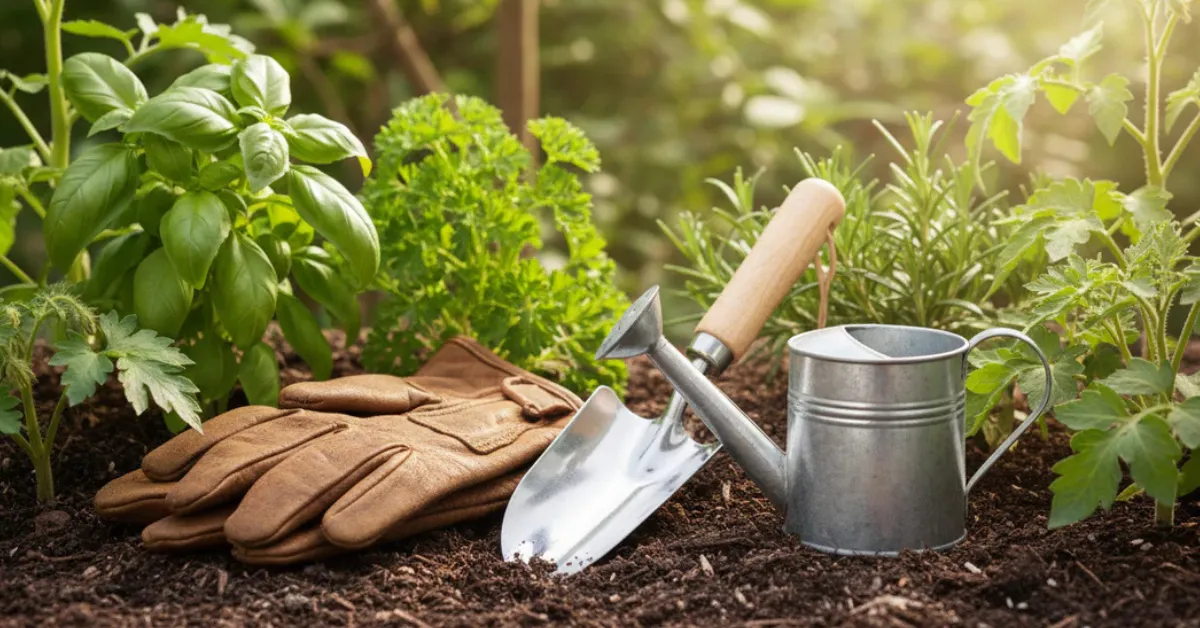
Covering exposed soil helps create a more stable environment for plant roots by reducing direct exposure to sunlight, wind, and changing weather conditions. Bare soil can lose moisture rapidly, develop a hard surface, and become more vulnerable to erosion during heavy rainfall. A suitable protective layer reduces these effects by shielding the ground and helping maintain more consistent conditions around the roots. This can be particularly useful in flower beds, vegetable gardens, landscaped areas, and around established trees. The type of material selected should depend on the plants being grown, the characteristics of the soil, and the intended purpose of the covering. Different materials provide different benefits, so gardeners should understand their properties before choosing an option. Organic materials such as shredded leaves, bark, straw, and wood chips gradually decompose and can contribute organic matter to the soil. Inorganic options, including decorative stones and certain manufactured landscape fabrics, may last longer but generally do not improve soil fertility through decomposition. Some materials are better suited to ornamental beds, while others work well around vegetables or newly planted flowers. Selecting an appropriate option helps gardeners protect the soil, reduce unnecessary work, and create an environment that supports healthy plant development.
Benefits of Protecting Garden Soil
One of the main advantages of mulching is its ability to reduce moisture loss from the soil surface. When the ground remains exposed, sunlight and wind can increase evaporation, forcing gardeners to water more frequently during dry periods. A suitable covering creates a protective barrier that slows moisture loss and helps water remain available to plant roots for longer. This can support healthier growth while making irrigation more efficient, particularly in gardens containing thirsty flowers, shrubs, or vegetables. Although soil coverings cannot eliminate the need for watering, they can help maintain more consistent moisture levels and reduce unnecessary water consumption. Another important benefit is weed suppression because a sufficiently thick layer of suitable material can limit the sunlight available to many weed seeds. Fewer weeds mean less competition for water, nutrients, and growing space, allowing desirable plants to establish themselves more effectively. Organic materials may also improve soil structure as they gradually break down and support the activity of beneficial soil organisms. A protected soil surface can reduce erosion and help prevent the formation of a hard crust after heavy rain. These combined benefits make soil protection a practical part of garden care, particularly when used alongside appropriate watering, pruning, and nutrient management practices.
Choosing the Right Organic Materials
Organic materials are popular because they can provide immediate soil protection while gradually contributing organic matter as they decompose. Shredded leaves are often readily available in autumn and can be used around many established garden plants when applied appropriately. Straw is commonly useful in vegetable beds because it can help keep produce away from bare soil and reduce moisture loss. Shredded bark and wood chips are frequently used around trees, shrubs, and ornamental plants because they provide a natural appearance and break down gradually. The best choice depends on the garden’s design, the availability of materials, and the specific needs of the plants being protected. Grass clippings can also be useful when handled carefully, but fresh clippings should generally be applied in thin layers to prevent them from becoming compacted and producing unpleasant odors. Dry leaves may be shredded before application to make them easier to spread and less likely to form dense mats. Compost can provide both soil protection and additional organic matter, although it is often most useful as a soil amendment or a thin surface layer rather than as a deep covering. Materials should be free from harmful contaminants, unwanted weed seeds, and residues that could damage plants. Choosing clean, suitable organic materials helps create a healthier growing environment and supports the long-term improvement of garden soil.
Understanding Inorganic Ground Covering Options
Inorganic materials can be useful when gardeners want a durable covering that does not need to be replaced as frequently as organic products. Decorative stones, gravel, and certain landscape fabrics are commonly used in ornamental beds, pathways, and areas where long-lasting surface coverage is desired. These materials can help reduce direct soil exposure and may limit weed growth when installed correctly. However, they do not usually add organic matter to the ground, and their effects on soil temperature and moisture can differ from those of leaves, bark, or straw. Careful selection is therefore important, particularly in areas containing plants that are sensitive to heat or changes in moisture availability. Stones and gravel may absorb and retain heat, potentially increasing temperatures around nearby plants during warm weather. Landscape fabrics can restrict some weed growth, but weeds may still establish themselves in accumulated debris above the fabric or emerge through openings. Over time, some fabrics can become difficult to remove or may interfere with natural organic matter reaching the soil surface. Gardeners should also consider drainage, accessibility, and future maintenance before installing permanent materials. Inorganic coverings can be effective for specific landscaping purposes, but they should be selected according to the environment rather than treated as a universal solution for every garden bed.
Preparing the Soil Before Application
Proper preparation helps ensure that a protective soil covering performs effectively and does not conceal existing garden problems. Before applying materials, gardeners should remove established weeds, inspect the soil for drainage issues, and check whether plants require watering. Adding a suitable soil amendment may be beneficial if the ground lacks organic matter or has other identifiable deficiencies. However, soil improvements should be based on the condition of the garden rather than the assumption that every area needs the same treatment. Starting with a reasonably clean and well-prepared surface makes it easier to distribute the covering evenly and maintain a healthy growing environment. Gardeners should also inspect plants for damaged stems, exposed roots, or signs of disease before beginning the work. Existing irrigation lines, drainage points, and garden edging should remain accessible so that the covering does not interfere with normal maintenance. Where weeds are widespread, removing them before application can reduce the chance of unwanted plants growing through the new layer. It is also important to understand the mature size and root structure of nearby trees and shrubs because these factors influence how materials should be distributed. Careful preparation helps prevent common problems and allows the covering to provide its intended benefits more effectively.
Applying the Correct Depth
The depth of a protective layer can significantly affect how well it performs in the garden. A layer that is too thin may allow sunlight to reach the soil and may provide limited protection against moisture loss or weed growth. On the other hand, an excessively thick layer can restrict air movement, retain too much moisture near plant stems, and interfere with the natural exchange of gases in the soil. For many common organic materials, a depth of approximately two to three inches is a useful starting point, although the ideal amount depends on the material, the plant, and the growing conditions. Gardeners should follow specific recommendations where available and adjust the depth according to the needs of the planting area. Distribution should be even enough to cover the soil without creating dense piles around individual plants. Leaving a small gap around stems, trunks, and plant crowns helps prevent prolonged moisture contact that may contribute to rot or disease. Around trees, materials should form a broad, relatively shallow layer over the root zone rather than a steep mound against the trunk. A properly applied covering should protect the soil while allowing water to reach the roots and air to move through the ground. Regular inspection makes it easier to identify areas where material has shifted, become compacted, or needs replenishment.
Protecting Trees and Shrubs
Trees and shrubs can benefit from a protective layer because their roots often extend through a broad area of soil that may be exposed to changing weather conditions. Applying suitable organic materials around these plants can help conserve moisture, reduce competition from grass, and protect the soil surface from erosion. It can also make landscaped areas look more organized by creating a clear transition between planting beds and surrounding lawns or pathways. When the material gradually decomposes, it may contribute organic matter that supports soil organisms and improves soil structure. These benefits can be particularly useful for young trees and recently planted shrubs that are still establishing their root systems. Care is essential when applying materials around trunks because piling them directly against the bark can trap moisture and create conditions favorable to decay or pests. The covering should extend outward across the root zone where practical, while remaining clear of the trunk itself. Gardeners should avoid disturbing shallow roots when removing weeds or preparing the ground around established plants. They should also monitor moisture levels because a covered surface may remain damp longer than exposed soil. With suitable application and regular inspection, a protective soil layer can help trees and shrubs maintain healthier growing conditions without requiring excessive watering or frequent disturbance of the soil.
Maintaining Vegetable and Flower Gardens
Vegetable gardens often benefit from protective soil coverings because many edible crops require consistent moisture and can be affected by weeds competing for nutrients. Materials such as clean straw, shredded leaves, and other suitable organic matter can help keep soil from splashing onto lower leaves and fruits during rainfall. This may improve garden cleanliness and reduce certain soil-related problems, depending on the crop and growing conditions. A suitable covering can also moderate temperature changes around plant roots, helping create a more stable environment during the growing season. Gardeners should select materials that are appropriate for the crops and avoid using anything that may contain harmful chemicals or persistent weed seeds. Flower beds can also become easier to maintain when the soil surface is protected with an appropriate material. Decorative bark or shredded wood can create a neat appearance around established ornamental plants while reducing weed growth and moisture loss. However, newly emerging seedlings may struggle if a thick layer blocks sunlight or prevents them from reaching the surface. In these areas, gardeners may need to keep the covering thinner or temporarily move it away from emerging plants. Regularly checking the condition of flowers and vegetables helps determine whether adjustments are needed. A thoughtful approach allows the garden to benefit from soil protection without interfering with normal plant development.
Seasonal Care and Replenishment
The condition of a garden covering changes throughout the year as materials settle, decompose, shift, or become scattered by wind and rain. Organic materials gradually break down, meaning that some areas may need replenishment to maintain a useful depth. However, adding fresh material automatically every season is not always necessary because the existing layer may still provide sufficient protection. Gardeners should inspect the surface and check the underlying soil before adding more. If the material has become excessively compacted, it may need gentle loosening or partial replacement rather than another layer on top. Seasonal changes can also influence the type and amount of protection needed. During hot, dry periods, conserving moisture may become a priority, while periods of heavy rainfall may require closer attention to drainage and excessive dampness. Fallen leaves can be collected and used when suitable, providing a practical way to reuse garden debris instead of discarding it. Before colder weather, gardeners can assess vulnerable plants and apply appropriate materials where they offer a genuine benefit. A flexible seasonal plan helps keep soil protection effective while avoiding unnecessary material use and reducing the amount of routine maintenance required.
Common Mistakes to Avoid
One of the most frequent mistakes is applying too much material at once. Excessive depth can restrict airflow, trap unwanted moisture, and create unfavorable conditions around stems and shallow roots. Piling bark or wood chips against tree trunks can be particularly harmful because it keeps the bark damp and may encourage decay. Another mistake is using material that contains weed seeds, contaminants, or unsuitable chemical residues. These problems can undermine the purpose of protecting the soil and may create additional work later. Applying a suitable quantity of clean material and leaving enough space around plants helps prevent many of these issues. Another common problem is assuming that a protective layer eliminates the need for all other gardening tasks. Plants still require suitable watering, appropriate nutrients, regular inspection, and timely treatment of emerging problems. Weeds may continue to grow through gaps or establish themselves in material that accumulates above the original soil surface. Some coverings can also affect soil temperature, making certain materials unsuitable for particular plants or conditions. Gardeners should observe how plants respond after application and make adjustments when necessary. Effective mulching works best as part of a balanced gardening routine rather than as a replacement for regular plant care.
Sustainable Gardening and Environmental Benefits
Sustainable gardening involves using resources efficiently while maintaining healthy soil and supporting the long-term growth of plants. Reusing suitable leaves, grass clippings, and other clean garden materials can reduce waste and limit the need to purchase additional landscaping products. Organic coverings may gradually return carbon and other components to the soil, supporting beneficial organisms and improving the structure of many soils. Reducing evaporation can also lower irrigation needs, especially during dry periods when water conservation is important. These benefits make soil protection a practical option for gardeners who want to improve their outdoor spaces while reducing unnecessary resource use. Choosing materials responsibly is an important part of sustainable garden management. Locally available organic matter can be convenient when it is clean, suitable, and free from invasive weed seeds or harmful contaminants. However, materials should not be collected from places where removal could damage natural habitats or disturb protected vegetation. Gardeners should also avoid allowing loose materials to enter storm drains or drainage channels during heavy rainfall. By using appropriate products, applying them carefully, and replenishing them only when needed, gardeners can support healthier soil while reducing waste and unnecessary maintenance.
Conclusion
Maintaining healthy soil is an essential part of creating a productive and attractive garden. Choosing suitable materials, preparing the ground properly, applying an appropriate depth, and keeping coverings away from plant stems can improve moisture retention, reduce weed growth, and protect the soil from erosion. Different gardens require different approaches, so the best results come from considering the needs of individual plants, the condition of the soil, and the characteristics of available materials. Regular inspection helps gardeners identify problems early and make adjustments before they affect plant health or the appearance of the outdoor space. Successful mulching depends on using the right material in the right place and maintaining it according to changing conditions. Organic options can contribute valuable matter to the soil over time, while inorganic materials may provide durable coverage for specific landscaping needs. Neither option removes the need for watering, nutrient management, or regular garden inspections, but both can play a useful role when selected carefully. By protecting exposed soil and making responsible use of available resources, gardeners can support stronger plant growth, create a more organized outdoor environment, and reduce the effort required to maintain a healthy garden throughout the year.
Author

thedailygurdian@gmail.com
Related Posts

Startup Booted Fundraising Strategy: A Complete Guide to Building and Growing a Business Without External Investment
- 0
- 2,701 words
Starting a business is an exciting journey, but finding enough money to turn an idea into a successful company can be challenging....
Read out all
Manga District: Exploring the World of Manga, Online Reading, and Japanese Comics
- 0
- 2,182 words
Introduction Manga has become one of the most popular forms of entertainment worldwide. What started as a distinctive Japanese storytelling tradition has...
Read out all
Malaysian Assurance Alliance: History, Growth, Insurance Services, and Its Connection to Zurich
- 0
- 2,699 words
The Malaysian insurance industry has experienced significant growth and transformation over the years. Several companies have contributed to this development by introducing...
Read out all
Colegia: Understanding Its Meaning, Features, Benefits, and Growing Importance in the Digital World
- 0
- 2,232 words
Introduction The internet has introduced countless new words, platforms, services, and concepts that influence how people communicate, learn, and access information. One...
Read out all
Playground Equipment: Creating Safe, Engaging, and Fun Outdoor Play Spaces for Children
- 0
- 2,914 words
Outdoor play is an essential part of childhood development, providing children with opportunities to explore, learn, socialize, and develop important physical and...
Read out all
Professional Fire and Water Damage Restoration: Bringing Damaged Properties Back to Life
- 0
- 3,350 words
Unexpected property damage can create serious challenges for homeowners, business owners, and property managers. Fires, plumbing failures, flooding, storms, and appliance malfunctions...
Read out all