
- 0
- 879 words
A garage door that refuses to close can turn an ordinary morning into a frustrating delay. Sometimes the cause is a leaf caught near the track or a sensor bumped by a bicycle. Other times, the trouble runs deeper than a quick adjustment can fix. Understanding the difference helps homeowners handle unexpected garage door problems without overlooking the safeguards designed to protect people, pets, and vehicles.
How a Tiny Beam Controls a Heavy Door
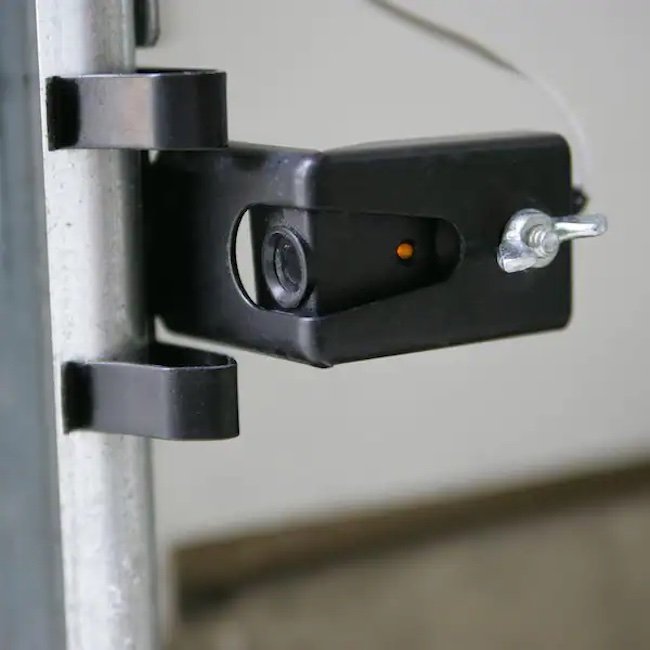
Near the bottom of most modern garage door openings are two small photoelectric sensors facing each other. One sends an invisible beam across the doorway, while the other receives it. If an object interrupts that beam, the opener should prevent the door from closing or reverse its movement. The sensors are easy to miss, but their job is important because a moving garage door is far too heavy to rely on someone reacting in time.
Sensor trouble often announces itself through inconsistent behavior. The door may open normally but refuse to close, stop partway down, or reverse for no obvious reason. Indicator lights on the sensor housings may blink or go dark, although their meanings vary by manufacturer. A problem that appears only at certain times of day can also be a clue. Direct sunlight, for instance, may interfere with some receiving sensors.
Start With the Simple, Safe Checks
Before assuming that a sensor has failed, look at the space around it. Storage bins, loose tools, leaves, and cobwebs can obstruct the beam. Wipe each lens gently with a soft, dry cloth, and make sure nothing is leaning against the brackets. Inspect the units from a safe position to see whether they face each other squarely. Even a small bump can shift one enough to interrupt communication.
Not every closing problem is a sensor problem, however. A door that shudders, strains, or moves unevenly may also have opener or hardware trouble, even if a sensor warning light appears at the same time. In those cases, replacing the photo-eyes without examining the rest of the system may solve nothing. Opener faults and wider door repairs, both part of the work handled by http://www.mammothdoor.com, need to be considered alongside the safety sensors before anyone assumes which component is failing.
If a bracket is visibly loose, consult the opener’s instructions before making any minor adjustment. Different models use different indicator-light patterns, so guessing what a blinking light means can send you in the wrong direction. You can also look for exposed, frayed, or pinched low-voltage wires without touching or disconnecting them. Leave damaged wiring and electrical diagnosis to a trained technician.
Test the Protection, Not Just the Motion
A door that closes successfully is not necessarily safe. Its sensors also need to respond correctly when something enters the opening. With the doorway clear of people and pets, place a suitable cardboard box between the sensors while the door is fully open. Try the normal closing control from a safe position. If the beam is blocked, the door should not descend. Remove the box afterward and check that normal operation returns.
This test is different from checking the opener’s contact-reversal function, which responds when the descending door meets resistance. Both protections matter, but one cannot substitute for the other. Follow the manufacturer’s instructions for testing the full safety system, and stop using the automatic closer if any required test fails.
Never tape over a sensor, bridge its wiring, or repeatedly force the door shut to get around a fault. A temporary workaround can defeat the feature that protects a child, pet, or object in the doorway. An inconvenience is easier to manage than the consequences of a preventable accident.
Know When a Small Fault Needs Professional Attention
Cleaning and clearing obstructions should produce a straightforward improvement when dirt or clutter is the cause. If the door still reverses unpredictably, the indicator lights remain unstable, or the problem returns within days, there may be a damaged sensor, faulty connection, or opener control issue. Moisture intrusion and deteriorating components can also create intermittent problems that are difficult to identify by sight alone.
Pay attention to mechanical symptoms as well. Grinding sounds, cables that appear loose, a crooked door, or sudden changes in movement suggest that the trouble extends beyond the safety beam. Springs and cables store substantial energy, so adjusting them is not a homeowner maintenance task. Stop operating a door that appears unstable and arrange an inspection rather than testing it again and again.
Make a Few Minutes of Maintenance Count
A brief monthly check is usually easier than troubleshooting a failure when you’re already late. Keep the floor around each sensor clear, remove dust from the lenses, check that the brackets have not shifted, and perform the recommended obstruction test. Households that use the garage heavily or store bulky equipment near the opening may benefit from more frequent visual checks.
It also helps to notice changes before they become failures. A new blinking light, occasional reversal, or door that closes only after several attempts deserves attention, even if it eventually works. Safety sensors do their job quietly when everything is right. Keeping them clean, properly positioned, and regularly tested helps the entire garage door system remain dependable without taking unnecessary repair risks.
Author

Abdulbasit5809@gmail.com
Related Posts

Cold Rolled Steel Coils: Grades, Thickness, Applications and Supplier Selection
- 0
- 1,370 word
Go into any kitchen, any automotive display room, any area of work, and you’ll find yourself amidst bloodless rolled metal and now...
Read out all
Why Your Roof Still Leaks After a Repair
- 0
- 743 words
The first heavy rain after a roof repair should not bring another wet patch on the ceiling. When it does, the immediate...
Read out all
Still Working, Still Unpaid: When Your Paycheck Is a Month Late
- 0
- 719 words
Rent is due, the grocery bill keeps growing, and another payday passes without a deposit. Meanwhile, you are still arriving on time...
Read out all
How to Prepare Your Home Before Professional Cleaners Arrive
- 0
- 705 words
Scrubbing the sink the evening before a cleaning appointment defeats the purpose of booking one. Leave the sink alone. The cleaning team...
Read out all
What Happens to Your Business After Everyone Goes Home
- 0
- 683 words
At 6:15 p.m., the last employee sets the alarm and heads home. Behind the building, a delivery gate remains open. A box...
Read out all
From Prototype to Production: What Changes When Orders Grow
- 0
- 724 words
A plastic enclosure snaps shut perfectly during testing. Then the first large batch arrives, and some lids refuse to close. The prototype...
Read out all