
- 0
- 2,204 words
Spring-based fitness machines have become a popular option for studios looking to offer strength, stability, and full-body conditioning classes. When researching this equipment, buyers may encounter terms such as megacore reformer, Megaformer, and Pilates Reformer. Although these machines can share certain mechanical features, they are not necessarily designed for the same training method.
A traditional Pilates Reformer supports a wide range of exercises that develop movement control, coordination, flexibility, and strength. The Megaformer, associated with the Lagree Method, is designed for slow, controlled, resistance-based workouts that emphasize sustained muscular effort.
For fitness studio owners, understanding these differences is important before investing in new equipment. The right choice depends on the classes you plan to offer, your instructors’ qualifications, your available floor space, and your budget.
This guide explains how these machines work, which exercises they support, what to evaluate before purchasing, and how to maintain them for commercial use.
How Does a Megacore Reformer Work?
Before purchasing a megacore reformer, clarify the machine’s intended training method and technical specifications. Product names can vary between suppliers, so buyers should evaluate the actual design rather than assume that every machine marketed with a similar name offers identical functions.
What Makes Its Resistance System Different?
Many Pilates Reformers and Megaformer-style machines use springs to create resistance. The springs oppose movement as the user pushes or pulls a moving carriage, allowing the instructor to adjust the challenge according to the exercise and the user’s ability.
The Megaformer is specifically associated with the Lagree training method. According to Lagree Fitness, its machines are designed to support the method’s controlled, resistance-based exercises through features such as adjustable resistance, platforms, and multiple hand and foot positions.
Traditional Pilates Reformers also use spring resistance, but their configurations, accessories, and exercise applications may differ. Pilates programming generally places considerable emphasis on alignment, controlled movement, coordination, and mobility, while Lagree workouts commonly emphasize sustained muscular tension and slow transitions between exercises.
Neither approach is automatically suitable for every client or studio. The important consideration is whether the machine and training method match your business goals.
How Do the Carriage, Springs, and Handles Work Together?
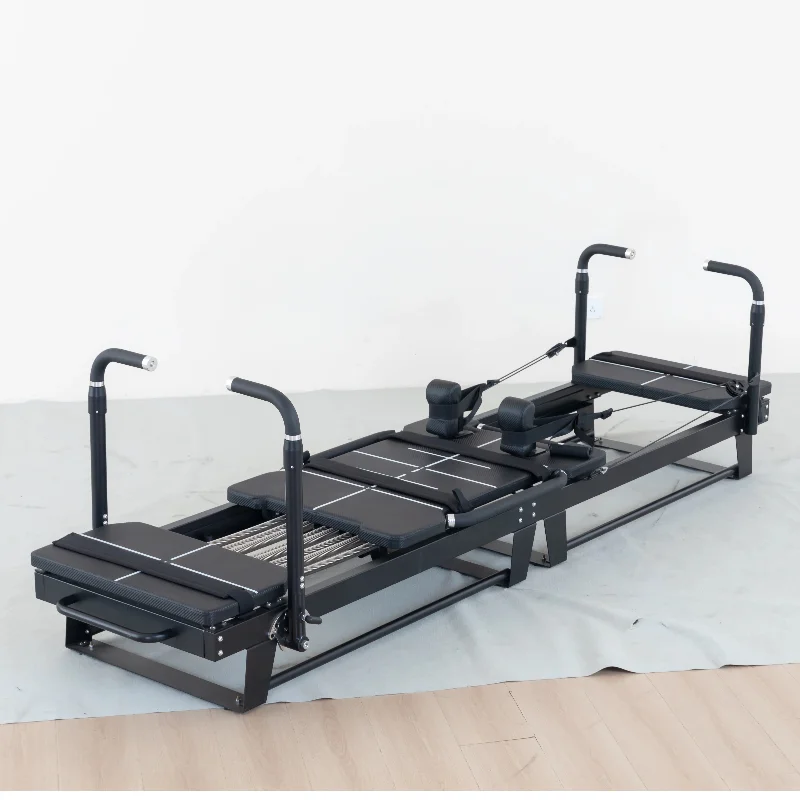
The carriage travels along a set of rails, while the springs provide resistance during movement. Depending on the equipment, handles, straps, foot platforms, and other support points allow users to perform exercises from different positions.
For example, during a controlled leg press, a user pushes the carriage away from the starting position and then returns it without allowing the movement to become uncontrolled. Adjusting the resistance or changing the body position can alter the exercise’s difficulty.
The quality of the moving components matters in a commercial environment. A carriage should move consistently, adjustment mechanisms should operate securely, and handles and platforms should remain stable during their intended use.
Studio owners should also check the manufacturer’s instructions for spring changes, carriage locking, and equipment setup. These practical details affect both the training experience and the time required to prepare machines between classes.
What Types of Workouts Can You Perform on a Megacore Reformer?
The available exercises depend on the machine’s configuration and the instructor’s training method. Both Reformer-based Pilates and Megaformer-style workouts can challenge the core, legs, glutes, arms, and shoulders, although their programming and movement sequences are not interchangeable.
How Can You Use It for Core Training?
Core training involves more than performing abdominal exercises. It also requires controlling the trunk and pelvis while the limbs move or the support surface changes.
Depending on the machine and approved exercise repertoire, sessions may include plank variations, controlled knee tucks, or other movements that challenge trunk stability. These exercises can require users to coordinate breathing, maintain alignment, and control the carriage at the same time.
Consider a beginner attending a small-group class for the first time. The instructor might start with a supported exercise and a manageable range of motion before introducing a more demanding variation. The progression should depend on the client’s control and comfort rather than simply increasing resistance.
What Exercises Target the Arms, Legs, and Glutes?
A suitable machine may support a variety of exercises, including:
Legs and glutes: Controlled leg presses, lunges, and selected squat variations.
Arms and shoulders: Strap-based pulling movements and appropriate pressing exercises.
Core and stability: Plank variations and controlled carriage movements.
Mobility and flexibility: Selected stretches and mobility exercises supported by the machine’s design.
Not every exercise is appropriate for every machine. Studio owners should confirm which movements the manufacturer supports and ensure that instructors understand the equipment before teaching clients.
How Can You Adjust Workouts for Different Fitness Levels?
Exercise selection, spring settings, movement range, body positioning, and pacing can all influence the challenge of a workout.
For example, a new participant may need a supported position and a smaller range of movement. A more experienced client may progress to a more demanding exercise after demonstrating adequate control.
Instructors should also consider individual mobility, previous injuries, balance, and training experience. A versatile machine can provide more programming options, but it does not replace professional instruction or individualized exercise modifications.
What Should You Look for When Buying a Megacore Reformer?
The initial purchase price is only one part of the decision. For commercial buyers, equipment should fit the intended training method, withstand the expected usage frequency, and remain practical to clean, inspect, and maintain.
Which Frame Materials and Structural Features Matter Most?
Commercial machines may use steel, aluminum alloy, or wood frames. Each material has different characteristics in terms of appearance, weight, construction, and maintenance.
Aluminum may appeal to studios looking for a relatively lightweight frame, while steel may suit buyers prioritizing a substantial structural design. Wooden equipment can complement studios seeking a warm, natural interior aesthetic.
However, material alone does not determine quality. Examine frame rigidity, rail alignment, connection points, finish quality, platform stability, and the manufacturer’s stated user-weight capacity.
Ask for a specification sheet and, where possible, inspect the machine in person or request a demonstration video.
How Should You Evaluate Springs, Pulleys, and Upholstery?
The following checklist can help you compare equipment from different manufacturers.
| Component | What to check | Why it matters |
| Springs | Resistance options, attachment points, inspection requirements, replacement availability | Supports appropriate exercise adjustments and maintenance |
| Carriage and rails | Smooth movement, alignment, noise, and locking mechanisms | Affects movement consistency and daily operation |
| Cables and pulleys | Cable condition, routing, pulley movement, and serviceability | Helps identify wear and maintenance needs |
| Upholstery | Comfort, surface texture, cleaning requirements, and replacement options | Supports hygiene and long-term appearance |
| Frame and platforms | Structural stability, finish, fasteners, and rated capacity | Helps establish suitability for the intended commercial use |
Avoid comparing machines by spring count alone. Spring resistance and color coding are not necessarily standardized across manufacturers. Ask for the actual resistance specifications and the recommended settings for common exercises.
It is also worth checking whether replacement springs, cables, straps, and upholstery components can be ordered separately. Parts availability may influence the equipment’s long-term operating cost.
Why Are Stability, Comfort, and Ease of Maintenance Important?
Commercial equipment may be used by multiple clients throughout the day. Complicated adjustments or difficult-to-clean surfaces can slow class transitions and add to staff workload.
Look for accessible adjustment points, clear setup instructions, replaceable wear components, and a documented maintenance schedule. Confirm the warranty period, coverage exclusions, spare-parts policy, and availability of technical support before placing an order.
A live demonstration can help you evaluate carriage movement, adjustment procedures, and general usability. If you are purchasing several machines, ask whether the same configuration and replacement components will be available for future orders.
How Can a Megacore Reformer Benefit a Commercial Fitness Studio?
A spring-based training machine may help a studio introduce new class formats, expand personal training services, or differentiate its offering from conventional gym workouts. Its commercial value depends on customer demand, instructor expertise, and the way the equipment fits into the studio’s business model.
How Can It Expand Group Training and Personal Training Services?
A Pilates studio may add Reformer classes to complement its existing mat sessions. Alternatively, a strength-focused boutique studio may explore a Megaformer-style program as a separate service.
These approaches involve different equipment and instructional requirements. Owners should identify their intended training method before selecting a machine.
For example, a studio planning instructor-led group sessions may prioritize consistent equipment setup, efficient transitions, and clear visibility across the room. A private training facility may place more emphasis on adjustability and the ability to tailor exercises to individual clients.
Before making a large investment, assess local demand, instructor availability, expected class capacity, and the cost of training staff.
What Should Studio Owners Consider When Planning Equipment Layouts?
Measure the full machine dimensions and allow enough space for users to get on and off, instructors to demonstrate exercises, and staff to clean and inspect the equipment.
The footprint alone is not sufficient. Carriage travel, extended handles, platforms, and the movements performed during classes can require additional clearance.
Also consider flooring, delivery access, installation, accessory storage, ventilation, and emergency routes. A floor plan showing each machine’s operating space can help prevent expensive layout changes after delivery.
How Can Versatile Equipment Support Different Client Needs?
Machines with appropriate resistance options and multiple exercise positions may support a broader range of training sessions. However, additional features are valuable only when they match the studio’s programs and instructors can use them correctly.
For business buyers comparing equipment options, explore our megacore reformer collection to review available models and identify equipment that may suit your studio’s training requirements.
Before choosing a model, compare its verified specifications, available accessories, maintenance requirements, and intended applications. This approach is more useful than choosing based on appearance or the number of advertised features alone.
How Do You Maintain a Megacore Reformer for Long-Term Use?
Regular inspection and cleaning help studios identify problems early and keep equipment in suitable working condition. The correct maintenance schedule depends on the model, manufacturer instructions, usage frequency, and operating environment.
How Often Should You Inspect Springs, Cables, and Moving Parts?
Staff should check the equipment before use for visible damage, loose components, unusual movement, or other signs of a problem. More detailed inspections should follow the manufacturer’s recommended schedule.
Pay particular attention to springs, attachment points, cables, pulleys, straps, fasteners, carriage rollers, and locking mechanisms. If a component appears damaged or no longer functions correctly, remove the machine from service until it has been assessed.
Maintain a written inspection log that records the date, identified issues, repairs, and replacement parts. This is particularly useful for studios operating several machines across multiple daily classes.
How Can You Clean and Care for the Upholstery and Frame?
Clean contact surfaces between users with a product approved by the manufacturer. Avoid chemicals or cleaning methods that could damage upholstery, finishes, or mechanical components.
Wipe the frame and platforms as directed, remove dust and debris from designated moving areas, and store accessories correctly. Keeping the equipment in a suitable indoor environment can also help protect materials and finishes.
Staff should receive clear instructions on cleaning procedures, spring adjustments, and equipment shutdown or storage where applicable.
When Should Worn or Damaged Components Be Replaced?
Replace components when they show damage, fail inspection, or no longer operate according to the manufacturer’s requirements.
Do not continue using equipment with a questionable spring, frayed cable, unstable platform, or malfunctioning locking mechanism. Use compatible replacement parts and consult the manufacturer or a qualified service provider for repairs involving structural or resistance-system components.
A preventive maintenance plan can help studios manage equipment downtime and avoid relying on last-minute repairs.
Conclusion
Choosing a megacore reformer or Megaformer-style machine starts with understanding what the equipment is designed to do. Although these machines may share spring resistance and moving-carriage features, their training methods, configurations, and intended applications can differ.
For studio owners, the most practical approach is to compare verified specifications, confirm compatibility with the planned classes, evaluate maintenance support, and consider the total cost of ownership.
The right machine is not necessarily the one with the most features or the lowest initial price. It is the one that fits your instructors, clients, space, and long-term business plans.
FAQs
Can a Megacore Reformer Be Used for Both Personal and Group Training?
Potentially, yes. Suitability depends on the machine’s design, available adjustments, and intended use. Personal training allows an instructor to tailor exercises to one client, while group training requires consistent equipment setup, sufficient space, and clear instruction. Confirm that the specific model supports your intended training format before purchasing.
What Is the Difference Between a Megacore Reformer and a Megaformer?
The terms should not automatically be treated as interchangeable. Megaformer is associated with Lagree Fitness and its training method, while a traditional Pilates Reformer is designed for Reformer-based Pilates exercises. The phrase megacore reformer may also appear in product searches and equipment descriptions. Buyers should verify the manufacturer’s identity, machine specifications, and intended training method rather than relying on the name alone.
What Should You Ask a Manufacturer Before Purchasing a Megacore Reformer?
Ask about frame materials, dimensions, resistance specifications, rated user capacity, included accessories, warranty coverage, maintenance requirements, replacement-part availability, shipping arrangements, and installation. For commercial use, also confirm whether the equipment is intended for your expected class frequency and whether technical support is available after delivery.
Author

munjalblogfirm@gmail.com
Related Posts

UploadBlog Post: A Complete Guide to Creating, Publishing, and Managing Quality Blog Content
- 0
- 2,854 words
Introduction to UploadBlog Post In the digital world, blogging has become an effective way to share knowledge, express ideas, build an online...
Read out all
fintechzoom.io: A Complete Guide to Financial News, Market Insights, and Digital Finance
- 0
- 2,322 words
Introduction to fintechzoom.io The financial world is changing rapidly as technology transforms the way people save, invest, trade, and manage their money....
Read out all
MyGreenBucks.net Jones: Understanding the Platform, Its Purpose, and the Ideas Behind It
- 0
- 2,635 words
Introduction The keyword mygreenbucks.net jones has attracted attention among people searching for information about online earning, personal finance, money management, and digital...
Read out all
backtofrontshow.com: A Complete Guide to Its Online Content, Features, and Digital Experience
- 0
- 2,190 words
The internet is filled with websites that aim to inform, entertain, and connect people with useful content. From digital publications to entertainment...
Read out all
Reducing Finishing Work on Laser Welded Sheet Metal
- 0
- 751 words
A stainless steel enclosure can leave the welding bench looking complete and still need substantial work before it is ready to ship....
Read out all
Nionenad.com: A Complete Guide to Its Website, Features, Content, and Online Presence
- 0
- 3,162 words
The internet offers countless websites where people can discover information, explore new ideas, and learn about technology and everyday topics. However, understanding...
Read out all