
- 0
- 2,776 words
Concrete is one of the most widely used materials in modern construction because of its strength, versatility, and ability to withstand everyday wear and tear. It is commonly used for driveways, patios, walkways, garage floors, foundations, and various commercial and residential projects. A successful concrete project involves more than pouring a mixture into a prepared area. It requires careful planning, suitable materials, proper ground preparation, skilled workmanship, and appropriate curing techniques to achieve a durable and attractive finish. Understanding these essential elements helps property owners make informed decisions, control construction costs, and reduce the likelihood of future repairs. By following established construction practices, it is possible to create surfaces that provide reliable performance and long-term value.
Understanding the Importance of Quality Concrete Work
Concrete offers several advantages that make it suitable for a wide range of construction applications. It can support substantial loads, resist regular foot traffic, and provide a stable surface for vehicles, equipment, and outdoor activities. Its appearance can also be customized through different textures, colors, patterns, and finishing techniques. These qualities make it a practical option for projects where strength, functionality, and appearance are equally important.However, the performance of a finished concrete surface depends on several interconnected factors. The condition of the soil, the quality of the base, the proportions of the concrete mixture, and the methods used during placement all influence the final result. Even high-quality materials may not perform as expected if the ground is poorly prepared or the concrete is allowed to dry too quickly. Paying attention to each stage of construction helps prevent common problems and supports a longer service life.Professional workmanship also contributes to consistency and reliability. Experienced contractors understand how to evaluate site conditions, select suitable materials, establish proper elevations, and manage the finishing process. They can identify potential challenges before work begins and recommend appropriate solutions. Investing in quality construction from the beginning can reduce maintenance requirements and help property owners avoid unnecessary expenses associated with premature damage.
Planning the Project Before Construction Begins
Effective planning is the first step toward achieving a successful construction outcome. Before starting work, property owners should determine the purpose of the concrete surface, its required dimensions, the preferred appearance, and the expected budget. These details help establish the project’s scope and make communication with contractors more straightforward. A clear plan also reduces the possibility of costly design changes after materials have been ordered or construction has started.The planning stage should include an assessment of the existing site conditions. Contractors may need to consider access for equipment, the location of underground utilities, nearby structures, drainage patterns, and the condition of surrounding surfaces. Trees, roots, uneven ground, and existing paving can affect excavation and preparation requirements. Addressing these factors early helps create a practical construction schedule and minimizes avoidable delays.Budgeting should account for the entire project rather than focusing only on the cost of concrete. Excavation, base materials, reinforcement, formwork, labor, equipment, delivery, finishing, curing, and cleanup can all influence the final price. It is also wise to reserve some funds for unexpected conditions that may become apparent during excavation. Obtaining detailed written estimates from qualified contractors makes it easier to compare services, understand the proposed construction method, and select an option that offers good value.
Preparing the Ground for a Stable Foundation
Proper ground preparation is essential because the strength and stability of the supporting base directly affect the performance of the concrete above it. Before placement begins, the work area should be cleared of vegetation, roots, loose soil, debris, and other unsuitable materials. If weak or unstable soil is discovered, additional excavation or soil improvement may be necessary. Leaving these materials beneath the slab can contribute to settlement, uneven surfaces, and cracking over time.After clearing the area, the ground must be shaped according to the project’s design and elevation requirements. A suitable granular base, often made from crushed stone or compactable aggregate, may then be installed to provide a stable foundation. The base material should be spread evenly and compacted appropriately to reduce movement after the concrete has hardened. The required depth and composition depend on soil conditions, expected loading, climate, and the intended use of the surface.Drainage is another important consideration during site preparation. Water should move away from buildings and other vulnerable structures rather than collecting around foundations or beneath paved areas. Poor drainage can contribute to erosion, moisture-related damage, and deterioration during repeated weather changes. Before moving forward, contractors should verify that the base is stable, the surface elevations are correct, and the planned slope allows water to drain effectively.
Selecting Suitable Materials for Better Performance
The quality of the materials used in construction has a direct influence on the durability and performance of a concrete surface. Concrete generally consists of cement, water, fine aggregate, and coarse aggregate, with optional admixtures used to improve particular properties. The proportions of these ingredients determine characteristics such as strength, workability, setting time, and resistance to environmental exposure. Selecting a suitable mix is therefore essential for achieving the intended results.Different applications require different concrete specifications. A garden walkway may have relatively modest loading requirements, while a driveway must accommodate vehicle traffic and a structural foundation may require specific engineering standards. The appropriate mixture, slab thickness, and reinforcement should reflect the intended use rather than follow a single standard for every project. Consulting a qualified contractor or engineer helps ensure that the selected materials meet the necessary performance requirements.Water content is particularly important because excessive water can reduce the strength and durability of hardened concrete. Although a wetter mixture may appear easier to spread, adding too much water can increase shrinkage and contribute to surface defects. A properly designed mixture should provide sufficient workability for placement and finishing without compromising the required strength. Contractors should follow the specified mix design and avoid making uncontrolled adjustments during construction.
Essential Steps for Successful Concrete Installation
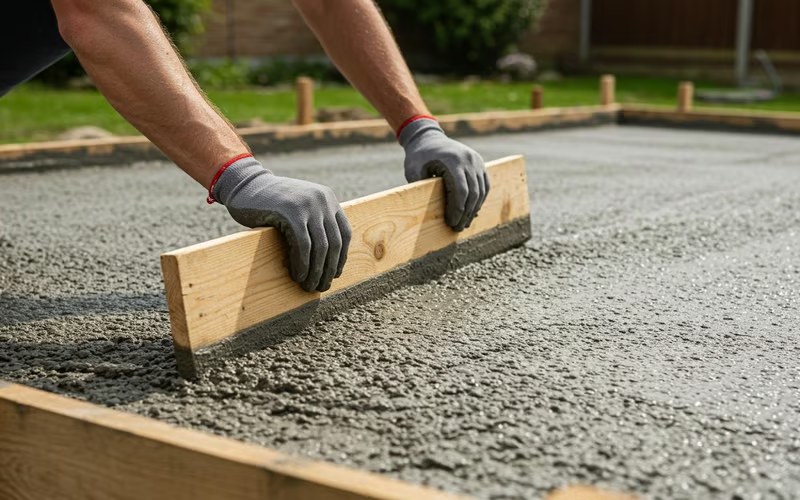
A well-organized construction process helps ensure that every stage is completed correctly and efficiently. The work generally begins with establishing forms that define the shape, dimensions, and elevation of the finished surface. These forms must be properly aligned and securely supported so they remain stable under the pressure of fresh concrete. Reinforcement, including steel mesh or reinforcing bars, may also be installed when required by the design.Once the preparation work is complete, the concrete is delivered and placed within the forms. The placement process should be coordinated to prevent unnecessary delays and ensure the material is distributed evenly. For reinforced or structural applications, appropriate consolidation techniques help reduce trapped air pockets and improve the concrete’s contact with reinforcement. The specific method depends on the consistency of the mixture, the design of the structure, and the construction specifications.After placement, the surface is leveled and finished using suitable tools and techniques. Depending on the intended appearance and function, contractors may create a smooth finish, a broom texture, an exposed aggregate surface, or a decorative pattern. Finishing must take place at the appropriate stage because working the surface too early or adding water to make it easier to finish can weaken the upper layer. Careful execution throughout the process helps produce a consistent, attractive, and functional result.
Benefits of Hiring Experienced Concrete Contractors
Professional contractors bring practical knowledge and technical experience to construction projects. They understand how to coordinate material deliveries, prepare the ground, manage placement, and complete finishing before the concrete becomes difficult to work with. Their experience can be particularly valuable for larger surfaces or projects with complex shapes, demanding loading requirements, or difficult access conditions. Hiring qualified professionals can also reduce the risk of mistakes that may be expensive to correct after the concrete hardens.Experienced specialists can provide useful guidance when choosing slab dimensions, reinforcement, joint placement, and drainage arrangements. These decisions influence both the immediate quality of the finished surface and its long-term performance. A contractor who understands the intended use of the structure can recommend an appropriate construction method instead of relying on a generic approach. This is particularly important for driveways, garage floors, commercial surfaces, and structural applications.Before hiring a contractor, property owners should review relevant experience, insurance coverage, written estimates, project schedules, and warranty terms. It is helpful to ask whether the quotation includes excavation, base preparation, reinforcement, finishing, curing, and cleanup. Reviewing previous work and checking references can provide additional confidence in the contractor’s abilities. Clear communication before construction begins helps establish realistic expectations and reduces the possibility of misunderstandings.
Preventing Cracks Through Proper Joint Placement
Cracking is a common concern with concrete, but not every crack indicates a serious structural problem. Concrete naturally shrinks as moisture leaves the material and the cement hydration process continues. Temperature changes, ground movement, and external loading can also create stresses within the slab. Good construction practices help manage these stresses and encourage cracks to develop in less noticeable or more controlled locations.Control joints are commonly used to encourage shrinkage cracks to form along predetermined lines. Their spacing, depth, and placement should reflect the dimensions of the slab, its thickness, reinforcement, geometry, and environmental conditions. Installing joints at the appropriate time helps improve their effectiveness. Irregular shapes, narrow projections, and abrupt changes in width may require special attention during the planning stage.Isolation joints serve a different purpose by separating a concrete slab from adjoining structures where independent movement is needed. Construction joints may also be necessary when placement must occur in separate stages. Each type of joint has a specific function and should be included according to the design requirements. Proper joint planning, combined with a stable base and suitable curing, can reduce the risk of uncontrolled cracking.
The Importance of Proper Curing and Surface Protection
Curing is an essential stage that allows concrete to develop strength while maintaining suitable moisture and temperature conditions. Even when the mixture is correctly prepared and the surface is expertly finished, poor curing can affect durability and increase the risk of surface damage. Protecting newly placed concrete from excessive moisture loss helps support the hydration process and contributes to the development of its intended properties.Several curing methods are available, including suitable curing compounds, moisture-retaining coverings, and controlled water-curing techniques. The appropriate approach depends on the type of concrete, weather conditions, surface finish, and any treatments planned after curing. Wind, direct sunlight, low humidity, and high temperatures can accelerate moisture loss, so early protection is particularly important during challenging weather.Concrete does not achieve its full specified strength immediately after placement. A period of several days is generally needed for substantial early strength development, while 28 days is a common reference age for specified compressive strength. Actual performance depends on the mixture and curing conditions. Property owners should follow the contractor’s recommendations regarding foot traffic, vehicle access, heavy loads, and the timing of subsequent construction activities.
Decorative Finishes for Attractive Concrete Surfaces
Concrete can provide much more than a basic gray appearance. Decorative finishing methods allow property owners to create surfaces that complement their buildings, gardens, and outdoor living areas. Popular options include stamped patterns, colored concrete, exposed aggregate, polished finishes, and textured surfaces. The best choice depends on the project’s design goals, expected use, maintenance requirements, and budget.Stamped concrete can imitate materials such as natural stone, brick, or slate through patterns pressed into the surface during the finishing process. Integral pigments and suitable surface color treatments offer additional design possibilities. Exposed aggregate finishes reveal selected stones within the concrete, creating a distinctive appearance that may be suitable for walkways, patios, and other outdoor areas.Appearance should always be considered alongside safety and functionality. A highly polished surface may not be appropriate for an outdoor area exposed to rain, while heavily textured finishes may require additional cleaning. Color variation can also occur because of differences in materials, curing, and finishing conditions. Discussing samples with the contractor before construction begins helps establish realistic expectations and reduces the likelihood of disappointment.
Common Mistakes That Can Reduce Durability
Several avoidable mistakes can shorten the service life of a concrete surface. Inadequate ground preparation is one of the most significant because unstable soil or poorly compacted base material can lead to settlement and cracking. Ignoring drainage requirements may also allow water to collect around the slab or affect the supporting ground. These problems can be difficult and costly to correct after construction has been completed.Incorrect mixing and finishing practices can create additional challenges. Excess water may reduce the strength of the hardened material, while finishing at the wrong stage can contribute to weak surface layers. Insufficient curing can also increase the risk of premature deterioration. Following the specified mix requirements and protecting the surface during early hardening are important measures for achieving dependable results.Other mistakes include poorly positioned joints, unstable forms, inadequate reinforcement where required, and allowing heavy loads onto the surface too soon. A structured construction plan and appropriate quality checks help prevent these problems. Property owners should discuss important specifications with their contractor before work begins rather than waiting until an issue becomes visible. Taking preventive measures from the beginning generally provides better value than relying on repairs later.
Maintaining Concrete for Long-Term Performance
Regular maintenance helps preserve the appearance and functionality of concrete surfaces. Basic care includes removing dirt and debris, cleaning spills before they become difficult to remove, and checking for signs of cracking, settlement, or water accumulation. These simple activities help property owners identify developing problems before they become more serious. The required maintenance routine depends on the surface’s exposure, finish, age, and intended use.Sealers may be appropriate for certain applications because they can help reduce moisture penetration and protect against staining. However, not every surface requires the same product or application schedule. The selected sealer should be compatible with the concrete and the conditions in which it will be used. Following the manufacturer’s preparation and application instructions is essential for achieving satisfactory results.Outdoor concrete may require additional attention when exposed to freezing temperatures, deicing chemicals, or repeated wetting and drying. Suitable material specifications, effective drainage, and responsible maintenance can help reduce weather-related deterioration. Cracks and damaged joints should be evaluated when they appear, particularly if they widen, create trip hazards, or allow water to reach vulnerable areas. Prompt assessment can help determine whether a minor repair or a more extensive solution is necessary.
Estimating Costs and Planning a Practical Budget
The total cost of a concrete project depends on several factors, including surface dimensions, slab thickness, site accessibility, material requirements, labor rates, and finishing choices. A straightforward slab on a well-prepared site may require less work than a project involving extensive excavation, complicated forms, reinforcement, or decorative detailing. Understanding these variables helps property owners develop a realistic budget and avoid unexpected expenses.A detailed quotation should identify the services included in the proposed price. These may include excavation, base preparation, formwork, reinforcement, concrete delivery, pumping, finishing, curing, joint cutting, and site cleanup. It is also useful to clarify how the contractor will handle unexpected soil conditions, weather delays, or changes in the project scope. Written specifications provide a clear basis for comparing estimates and understanding what each contractor will deliver.Choosing the lowest quotation does not always provide the best long-term value. Poor preparation or unsuitable materials can lead to early repairs and additional costs. At the same time, a higher price does not automatically guarantee better quality. Property owners should compare contractor experience, material specifications, construction methods, warranties, and communication practices before making a final decision.
Conclusion
A durable concrete surface depends on thoughtful planning, appropriate materials, proper site preparation, skilled placement, effective joint design, and consistent curing. Each stage contributes to the strength, appearance, and long-term performance of the finished structure. Overlooking important details can increase the likelihood of cracking, settlement, drainage problems, and premature deterioration, while following sound construction practices helps minimize these risks.Investing in professional guidance when necessary allows property owners to make informed decisions about design, materials, construction methods, and maintenance. Whether the project involves a driveway, patio, walkway, garage floor, or foundation, the construction approach should match the intended use and relevant technical requirements. Quality workmanship and careful attention to detail can help create surfaces that remain dependable and attractive for many years.Ultimately, successful concrete installation begins with a clear understanding of the project’s requirements and continues through every stage of construction and maintenance. By comparing detailed estimates, choosing suitable materials, hiring qualified professionals, and avoiding shortcuts, property owners can improve the likelihood of achieving durable and reliable results. A well-planned project offers lasting practical benefits while helping protect the investment made in the property.
Author

Spero.outreach.team@gmail.com
Related Posts

Remote Workers Type All Day: How to Win Back the Hours Lost to Messages and Docs
- 0
- 1,398 word
Remote work was supposed to free up time. No commute, fewer hallway interruptions, more room for deep work. Instead, a lot of...
Read out all
Tips for a Smooth Window Installation Process
- 0
- 709 words
Installing new windows in a home helps enhance the exterior appearance, and it’s a practical upgrade. Modernizing your windows can also improve...
Read out all
Turning a Spare Room Into a Useful Space Starts With the Window
- 0
- 694 words
A spare room can become the most neglected space in a home. Furniture arrives without a clear purpose, boxes accumulate, and the...
Read out all
How Digital Marketing Can Help Colleges Reach More Prospective Students
- 0
- 834 words
For colleges and universities, getting students isnt just about decent courses, and modern facilities, etc. Applicants really want to know what the...
Read out all
How Food Businesses Can Reduce Risk When Sourcing Garlic Internationally:
- 0
- 807 words
For food manufacturers, wholesale distributors, and commercial supermarket buyers, international produce procurement offers substantial economic advantages. Sourcing agricultural commodities across borders allows...
Read out all
When to Use FMV, OLV, or FLV in Machinery and Equipment Appraisals
- 0
- 1,139 word
Picking a valuation premise is the single choice that most changes the number in a machinery and equipment appraisal. Lenders, auditors, insurers,...
Read out all