
- 0
- 694 words
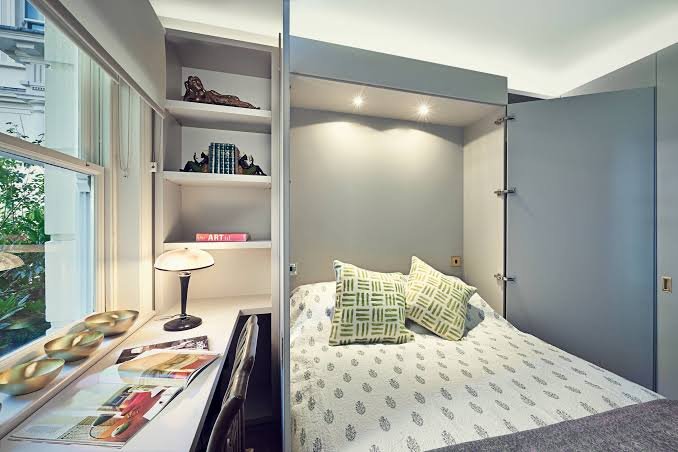
A spare room can become the most neglected space in a home. Furniture arrives without a clear purpose, boxes accumulate, and the room ends up serving several activities badly. Giving it a defined role can make the available space more valuable without requiring an extension or major structural change.
Before choosing a desk, guest bed, or storage system, examine the window and its surroundings. Its position affects furniture placement, privacy, and access. Understanding those relationships early helps prevent a new arrangement from repeating the inconveniences of the old one.
For Norwegian homeowners considering replacement windows during a room renovation, Best-billigst.no provides a range to explore. Compare possible products against the intended layout rather than selecting from appearance alone. A clear brief should explain what the room needs to accommodate and how the window will work alongside those activities, giving suppliers more useful information than a photograph of the opening.
Choose One Main Purpose
Begin by deciding which activity deserves priority. The room might primarily serve as an office, guest bedroom, hobby space, or quiet sitting area.
Secondary uses can remain possible, but they should not compromise the main arrangement. A workspace used daily should not become uncomfortable simply to accommodate occasional overnight visitors.
Write down the essential furniture and equipment. Remove items that have remained only because no other room could accommodate them. This creates a more realistic starting point than designing around everything currently stored inside.
Observe the Room Before Rearranging It
Spend time in the space during the hours when it will normally be used. Notice where direct sunlight falls, when privacy becomes important, and which neighbouring activities might affect the atmosphere.
Sit in several positions and assess the outlook. A view that appears attractive from the doorway may be different from a chair or bed.
Take photographs and record practical observations. These details can guide the layout more effectively than copying an inspiration image created in a room with different proportions and surroundings.
Keep the Opening Easy to Reach
Window access often disappears gradually as furniture is added. A shelf blocks the handle, a desk fills the recess, or a bed makes curtain adjustment awkward.
Check the opening movement before settling the layout. Allow room for ordinary operation and cleaning without requiring several objects to be moved.
If replacement is being considered, explain these requirements to the supplier. Ask how each shortlisted configuration would function in the room. Clarify unfamiliar operating details instead of assuming that similar-looking products will behave in the same way.
Select Furniture That Supports Flexibility
A spare room may need to change as household circumstances develop. Choose furniture dimensions that leave options rather than filling every available wall.
Test the proposed arrangement with floor markings or temporary pieces. Include the space needed to open drawers, pull out a chair, and move around the room.
Consider whether occasional-use furniture can be stored or rearranged conveniently. Flexibility should make the room easier to use, not create a routine that requires dismantling the workspace whenever someone visits.
Coordinate Privacy and Decoration
Curtains and blinds should suit the room’s actual purpose. A guest bedroom, office, and hobby area may call for different arrangements throughout the day.
Check fixing positions, control access, and the space needed around the frame. Coordinate these details with shelving or fitted furniture before orders are placed.
Choose colours and materials together. Window frames, flooring, and larger furniture establish a background that accessories can develop later. A restrained foundation leaves room for the space to evolve without requiring every element to be replaced.
Settle the Renovation Sequence
Where window work is involved, establish the installation arrangements before decorating. Ask who handles surrounding repairs and when other tasks can proceed.
Review the approved specification alongside the furniture plan. Check dimensions, opening directions, finishes, and quantities before committing.
A useful spare room comes from clear priorities and practical coordination. Considering the window early helps connect access, privacy, furniture, and daily routines within one arrangement. Instead of remaining a storage area with occasional ambitions, the room can become a dependable part of the home, ready for the activity it was designed to support and adaptable enough for future changes.
Author

Qseo.firms@gmail.com
Related Posts

A Comprehensive Guide to Concrete Installation for Durable, Reliable, and Long-Lasting Surfaces
- 0
- 2,776 words
Concrete is one of the most widely used materials in modern construction because of its strength, versatility, and ability to withstand everyday...
Read out all
Remote Workers Type All Day: How to Win Back the Hours Lost to Messages and Docs
- 0
- 1,398 word
Remote work was supposed to free up time. No commute, fewer hallway interruptions, more room for deep work. Instead, a lot of...
Read out all
Tips for a Smooth Window Installation Process
- 0
- 709 words
Installing new windows in a home helps enhance the exterior appearance, and it’s a practical upgrade. Modernizing your windows can also improve...
Read out all
How Digital Marketing Can Help Colleges Reach More Prospective Students
- 0
- 834 words
For colleges and universities, getting students isnt just about decent courses, and modern facilities, etc. Applicants really want to know what the...
Read out all
How Food Businesses Can Reduce Risk When Sourcing Garlic Internationally:
- 0
- 807 words
For food manufacturers, wholesale distributors, and commercial supermarket buyers, international produce procurement offers substantial economic advantages. Sourcing agricultural commodities across borders allows...
Read out all
When to Use FMV, OLV, or FLV in Machinery and Equipment Appraisals
- 0
- 1,139 word
Picking a valuation premise is the single choice that most changes the number in a machinery and equipment appraisal. Lenders, auditors, insurers,...
Read out all