
- 0
- 646 words
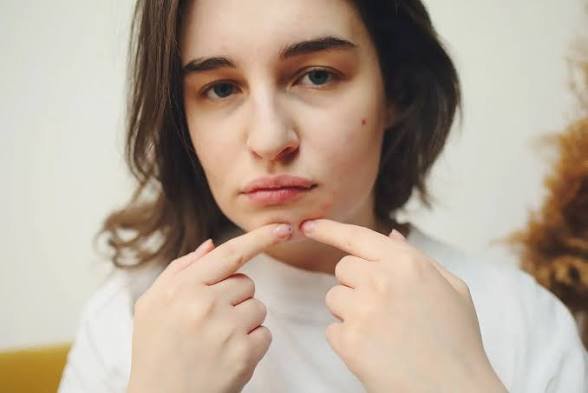
Skin picking sometimes begins so automatically that a person notices it only after several minutes have passed. A hand may move toward the face during a meeting, fingers may search the scalp while reading, or someone may become intensely focused on a tiny irregularity in the skin.
When these patterns occur alongside attention difficulties, questions about adhd and skin picking may arise.
Rather than focusing only on stopping the behaviour, it can be useful to examine the situations in which it appears most often.
Boredom Can Be an Important Trigger
Some people experience strong discomfort during low-stimulation activities.
Waiting, listening to a long presentation, reading repetitive material, or watching television may leave the hands searching for something to do.
Skin provides immediate sensory feedback.
A rough area, bump, or scab becomes an easy target.
Picking May Provide Instant Stimulation
Touching and picking create physical sensation.
That immediate stimulation can make the behaviour especially reinforcing during boredom.
The challenge is that the brain may begin to associate certain activities with automatic picking.
Breaking the habit then requires changing both awareness and environment.
Impulsivity Can Shorten the Gap Between Urge and Action
Everyone experiences impulses, but some people have greater difficulty creating a pause before responding.
Someone may notice an irregularity and begin picking almost instantly.
By the time awareness catches up, damage has already occurred.
A useful strategy is therefore creating external barriers that slow the sequence.
Design the Environment for Success
If picking commonly happens at a desk, place a safe hand-based object within reach before beginning work.
If mirrors trigger detailed skin inspection, change the routine around mirror use.
If late-night phone use is strongly associated with picking, consider changing where or how you use the device.
Reduce Friction for Helpful Alternatives
A coping strategy is more likely to be used when it is convenient.
If the alternative object is stored in another room, the automatic behaviour may occur first.
Keep useful alternatives directly in the locations where picking happens most frequently.
Watch for Hyperfocus on Skin Imperfections
Sometimes a small blemish becomes the focus of intense attention.
A person may spend long periods trying to remove, smooth, or correct it.
Unfortunately, repeated manipulation can create more irritation, making the area even more noticeable.
Setting practical limits around checking and grooming can interrupt this cycle.
Use Timers for High-Risk Activities
If picking frequently occurs during extended periods of concentration, timed breaks may help.
For example, pause after a set period of computer work and briefly check your posture, hand position, and level of tension.
The timer acts as an awareness cue rather than a punishment.
Awareness Should Stay Neutral
Self-criticism can increase stress, which may trigger even more picking.
Instead of thinking, “I did it again,” try identifying the pattern.
“What was I doing immediately before this started?”
That question produces useful information.
ADHD Is Not the Only Possible Explanation
Skin picking can occur for many reasons, including stress, sensory factors, habit learning, emotional regulation, or other psychological conditions.
The presence of skin picking alone does not establish an ADHD diagnosis.
When attention, impulsivity, organization, or restlessness create difficulties across several areas of life, a professional assessment may help clarify the broader picture.
Track Improvement Realistically
Success does not need to mean eliminating every episode immediately.
Progress may include noticing the behaviour sooner, shortening episodes, causing less skin damage, or successfully using an alternative response in a situation that previously triggered automatic picking.
These changes show that awareness and control are increasing.
Conclusion
ADHD and skin picking may intersect through boredom, sensory stimulation, attention patterns, impulsivity, and difficulties interrupting automatic behaviour.
Understanding the moments surrounding picking can be more useful than relying on willpower alone.
By changing high-risk environments, introducing convenient alternative hand activities, using awareness cues, and exploring broader attention-related concerns when appropriate, people can build a more practical strategy for changing the habit.
Author

hyderghumro3@gmail.com
Related Posts

BPC 157 UK: What Research Says About This Peptide
- 0
- 1,105 word
Interest in experimental peptides has grown considerably in recent years, particularly among people researching tissue repair, recovery, inflammation, and gastrointestinal health. BPC...
Read out all