
- 0
- 1,343 word
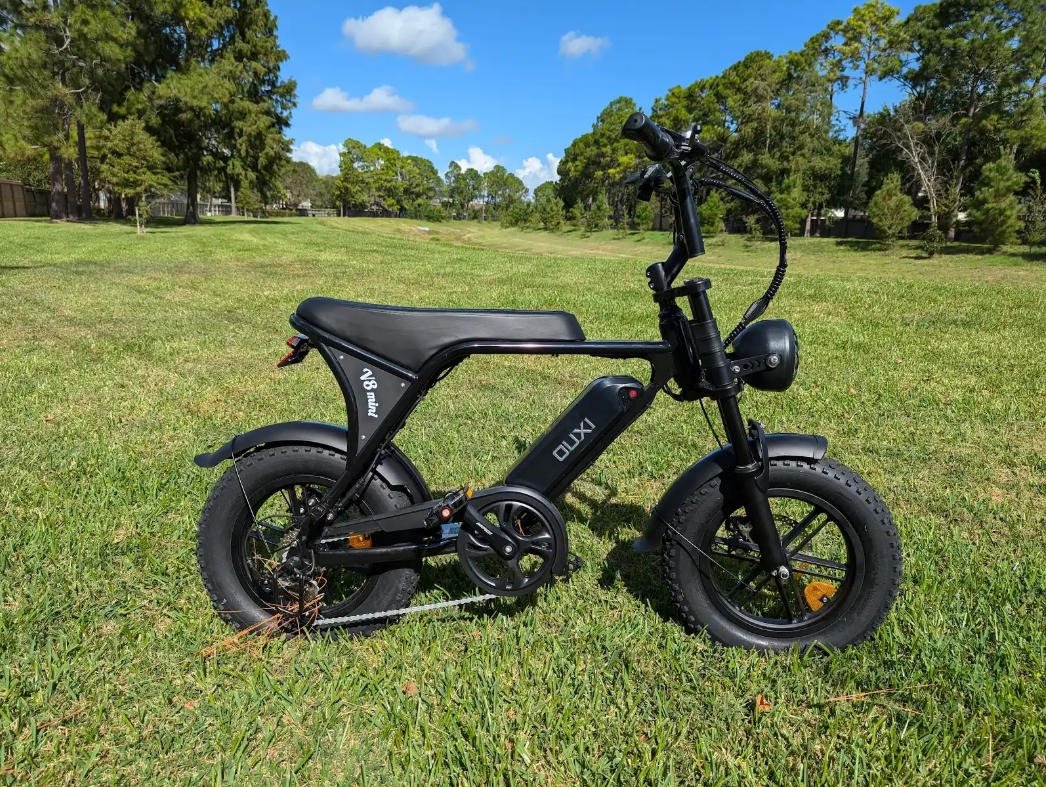
The first electric dirt bike can be an exciting purchase for a teenager. There is something appealing about getting outside, learning a new skill, and exploring suitable off-road spaces without the noise associated with many traditional motorized bikes. Still, a good experience does not begin when the wheels start moving. It begins with choosing a suitable bike, understanding the rider’s abilities, preparing the equipment, and knowing where riding is permitted.
For families considering an electric dirt bike for teenager use, these details can make a bigger difference than simply comparing motor specifications. The same applies when researching an electric dirt bike for teens, because young riders can have very different physical abilities and levels of experience.
Think of the First Ride as a Learning Session
The first outing should not be treated like a test of how fast the bike can go. A teenager needs time to understand the controls and learn how the motor responds. Even someone who already knows how to ride a bicycle may find an electric dirt bike different because of its weight, acceleration, and braking behavior.
A quiet, open, and appropriate practice area can provide room to learn without unnecessary distractions. The rider can begin with simple movements, such as starting slowly, stopping, making wide turns, and getting comfortable with the controls. There is no need to rush through these basics.
Bike Should Fit the Rider
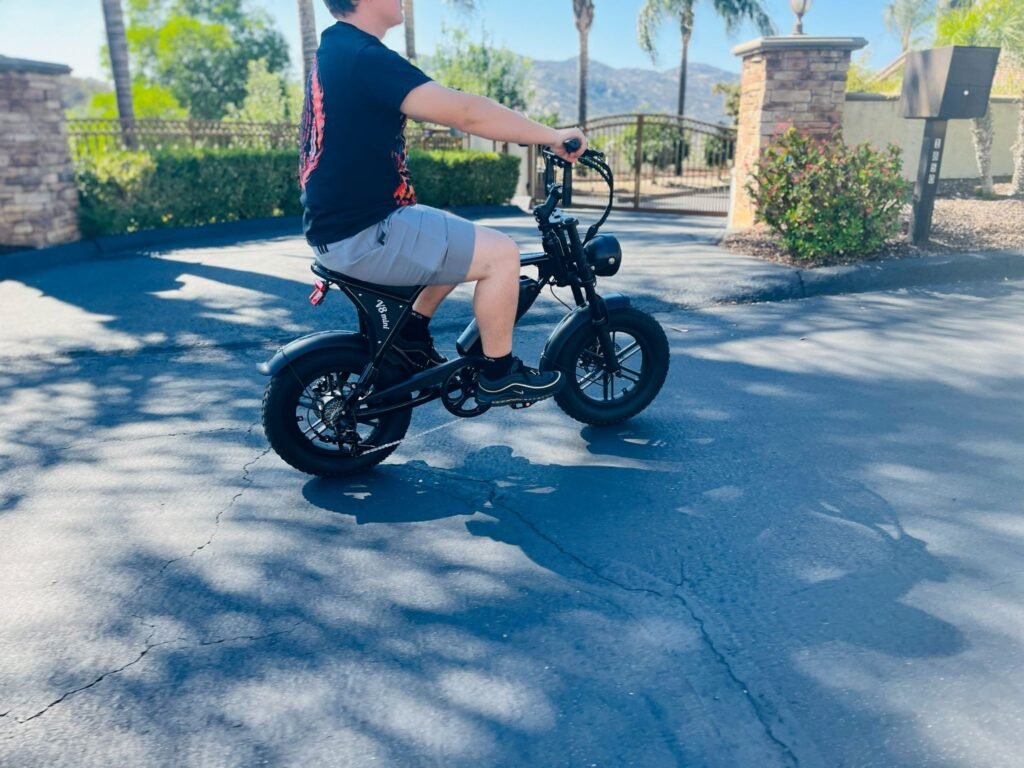
Physical size is one of the first things worth checking. A teenager should be able to maintain a comfortable riding position and operate the controls without stretching or struggling. The bike should also be manageable when stationary.
Weight matters because a young rider may need to move the bike without motor assistance. A model that feels difficult to balance or reposition can become tiring and harder to control. Age recommendations are useful, but they should not be the only consideration. Height, weight, experience, and the manufacturer’s specific guidance should all be taken into account.
Let the Terrain Decide the Difficulty
Off-road riding is not one single activity. A smooth dirt track may be relatively easy for a beginner, while a trail covered with rocks, roots, loose gravel, or steep sections can demand considerably more skill.
The first rides should take place on terrain that matches the teenager’s ability. As skills develop, the rider can gradually experience more varied surfaces where riding is allowed. This approach also teaches an important lesson: a capable bike does not make every trail appropriate.
Pay Attention to the Tires
Tires have a direct relationship with how an electric dirt bike behaves. Off-road tires typically use tread patterns designed to provide grip on dirt and other suitable surfaces. However, traction can change dramatically depending on moisture, loose material, tire condition, and pressure.
A teenager should learn to recognize that the same tire can feel different on dry dirt compared with wet grass or loose gravel. Checking tire condition before every ride is a simple habit that can become part of the rider’s normal routine.
Smooth Control Beats Sudden Movements
Electric power can make acceleration feel very different from a conventional bicycle. For a new rider, smooth inputs are generally easier to manage than abrupt ones. Practicing gentle acceleration allows the teenager to understand how quickly the bike responds.
The same principle applies to braking. The rider should become familiar with the brakes at a low speed before attempting faster riding. Practicing these skills repeatedly helps make the controls feel more natural.
Protective Equipment Should Be Comfortable Enough to Wear
Safety gear is useful only if the rider actually wears it correctly. A properly fitted helmet is essential. Depending on the type of riding, teenagers may also use gloves, protective footwear, eye protection, and additional protective equipment.
Comfort is worth considering because poorly fitting equipment can become distracting. Parents should check that straps are secure and that protective items are appropriate for the riding environment. Damaged equipment should be replaced rather than kept in service simply because it still looks acceptable.
Teach Teenagers to Stop and Think
Good riding involves knowing when to slow down or stop. If the trail suddenly becomes too steep, the surface becomes slippery, another rider appears ahead, or the teenager feels uncomfortable, stopping may be the right decision.
This kind of judgment is difficult to teach through specifications alone. It develops through conversation and experience. Parents can discuss simple scenarios before the ride so the teenager already knows that changing plans is perfectly acceptable.
Battery Planning Prevents Unnecessary Problems
Electric dirt bikes depend on their batteries, and riding conditions can affect how quickly the charge is used. Hills, loose terrain, frequent acceleration, rider weight, temperature, and riding style can all influence energy consumption.
Before leaving, the teenager should know the expected riding area and check the battery level of the electric dirt bike for teens. Longer sessions should include enough reserve to return without depending on the maximum range listed by the manufacturer. It is also important to follow the manufacturer’s instructions for charging and storing the battery.
A Quick Inspection Can Become a Habit
A pre-ride inspection does not have to be complicated. The teenager can check:
- Tire condition and pressure
- Brake operation
- Handlebar and control position
- Battery charge
- Visible damage
- Loose or unusual components
If something seems wrong, the bike should not simply be ridden anyway. Teaching this habit early can make teenagers more aware of how their equipment works and when it needs attention.
Riding Location Matters as Much as the Bike
One common mistake is assuming that an electric dirt bike can be ridden anywhere because it is electric. That is not necessarily the case. Public roads, bike paths, parks, private property, and designated off-road areas can have different rules. Age requirements, helmet requirements, vehicle classifications, and access restrictions may also vary. Parents should verify the rules that apply to the exact location before allowing a teenager to ride there.
Choosing a Brand Comes After Understanding the Requirements
Once the rider’s needs are clear, comparing brands and models becomes more useful. If I were researching options from companies such as OUXI, I would look at the actual specifications, recommended rider information, intended terrain, maintenance guidance, and safety details. The goal is not to choose a bike because it has the longest list of features. It is to find equipment that makes sense for the rider’s current needs.
Final Thoughts
An electric dirt bike for teens can provide a fun way to spend time outdoors while developing riding skills. However, a successful experience depends on more than the bike itself. The rider needs a suitable fit, manageable terrain, proper protective equipment, smooth control, battery awareness, and an understanding of where riding is permitted. Starting with basic skills and gradually increasing difficulty can help a teenager become more comfortable without unnecessary pressure. For parents, the best preparation is often simple: choose carefully, explain expectations clearly, inspect the bike regularly, and give the young rider enough time to learn.
FAQs
What should a teenager learn first on an electric dirt bike?
Starting, stopping, steering, acceleration control, and braking are useful first skills. These can be practiced at low speeds in a suitable area.
Can an electric dirt bike be used on wet ground?
Riding conditions depend on the specific bike and manufacturer guidance. Wet surfaces can reduce traction, so teenagers should be especially cautious and avoid conditions beyond their ability.
How can I tell if a dirt bike is too heavy for a teenager?
Consider whether the rider can comfortably balance, control, and reposition the bike when it is stationary. Manufacturer weight and rider recommendations should also be checked.
Should parents supervise every ride?
The appropriate level of supervision depends on the teenager’s experience, age, riding environment, and local requirements. Young or inexperienced riders generally need closer supervision.
Why is battery reserve important during off-road riding?
Off-road conditions can increase energy use, particularly on hills or loose surfaces. Keeping some battery capacity in reserve reduces the risk of being stranded away from the starting point.
Author

linguaezone.com@gmail.com
Related Posts
Fix LiftMaster Garage Door Opener: Hidden Causes Behind the Problem
- 0
- 900 words
Key Takeaways Introduction You press the remote, the door twitches, and nothing happens. Most people blame the remote and buy a...
Read out all
Top States for Startups: Texas Business Climate Explained
- 0
- 1,296 word
When entrepreneurs compare states for a new business, they usually look beyond the cost of filing paperwork. They want to know whether...
Read out all
Company Registration in Singapore: A First-Year Administrative Checklist
- 0
- 489 words
The first year after incorporation is often demanding. Founders need to attract customers, refine operations, develop products or services, and potentially begin...
Read out all
How an Ads Agency Can Drive Smarter Digital Marketing Results
- 0
- 1,516 word
Digital advertising gives businesses a powerful way to reach potential customers, but managing campaigns effectively can be challenging. An Ads agency helps...
Read out all
Glossywise Com: A Practical Guide to Understanding the Platform
- 0
- 1,553 word
In the constantly changing world of the internet, new websites appear every day, each offering something different to users. Some focus on...
Read out all
BrumeBlog Com: Exploring Its Content, Purpose, and Online Experience
- 0
- 1,644 word
The internet is filled with websites covering everything from technology and entertainment to lifestyle, business, travel, and everyday advice. Among the many...
Read out all